The Current State of Residential Plumbing in Little Haiti and Lemon City
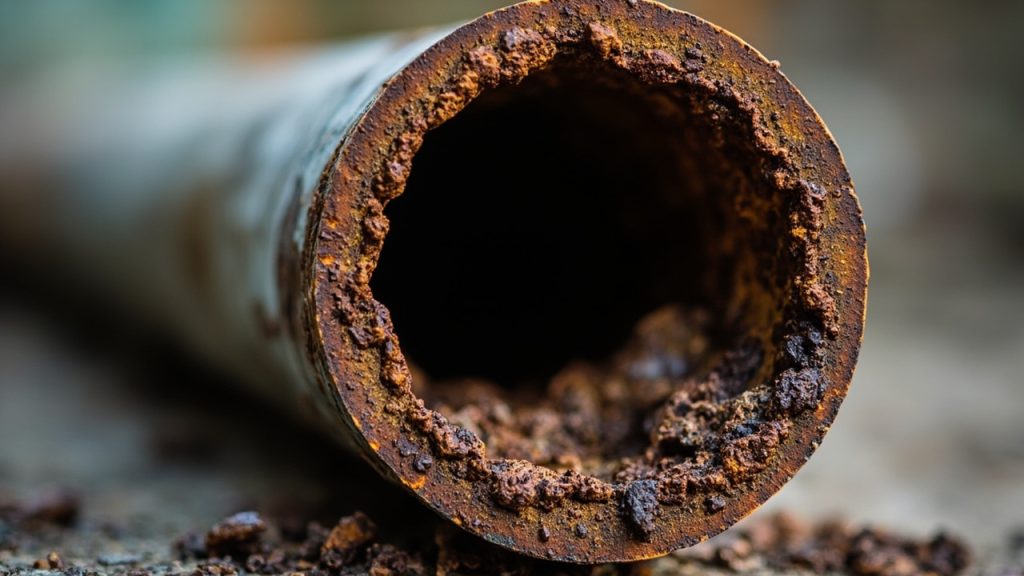
Many homes in the Little Haiti and Lemon City areas were built during periods when galvanized steel was the standard for residential plumbing. By 2026, these pipes have far exceeded their expected lifespan. Galvanized pipes are steel pipes coated in a layer of zinc to prevent rust. Over several decades, this zinc coating erodes from the inside out. This process leads to internal corrosion and mineral buildup that restricts water flow and compromises water quality. In the humid tropical climate of Miami, this deterioration happens even faster due to high moisture levels and salt air blowing in from the coast.
If you live in a historic home near NE 2nd Avenue or the Little River area, your plumbing system likely uses these outdated materials. The internal diameter of these pipes narrows every year as rust layers stack upon each other. This often results in weak water flow issues that plague many older properties throughout Miami-Dade County. Ignoring the problem leads to sudden pipe bursts that can ruin hardwood floors and drywall within minutes. Current standards in 2026 require more durable solutions to handle the unique environmental stressors of South Florida.
Residential properties in the 33137 and 33138 zip codes are currently seeing a surge in pipe failures. This is because the infrastructure installed during the mid-century building boom has reached a critical breaking point. Homeowners often mistake the low pressure for a city water issue. In reality, the pipes are simply too choked with rust to allow the proper volume of water to reach the fixtures. This issue is not limited to just the interior lines. The main water service line running from the meter to the house is often the same failing material.
The Impact of Miami-Dade Water Chemistry on Metal Pipes
The water supply in Little Haiti comes from the Biscayne Aquifer. This water is naturally high in calcium carbonate. While the county treats the water, the mineral content remains significant. In 2026, we see how this chemistry interacts with different pipe materials over long periods. Calcium carbonate creates scale buildup. In galvanized pipes, this scale combines with iron oxide to create a rock-hard internal blockage. This reduces a three-quarter-inch pipe to the diameter of a pencil over twenty years.
When comparing copper and PEX-a over a twenty-year horizon, the water chemistry plays a major role. Copper can suffer from pitting corrosion if the pH levels fluctuate. This is especially common in the older parts of the Miami-Dade grid where pipe repairs are frequent. PEX-a is a cross-linked polyethylene that is chemically inert. It does not react with the calcium carbonate in the water. Scale cannot easily stick to the smooth interior of PEX-a. This makes PEX-a a superior choice for residents who want to avoid the flow restrictions that define the current galvanized pipe crisis. Residents often notice that their water tastes better and their appliances run more efficiently after removing the old metal lines.
The chemical reaction within galvanized pipes also introduces heavy metals into the household water supply. As the zinc coating disappears, the water comes into direct contact with the raw steel and any lead that might have been used in the original galvanizing process. In 2026, health standards emphasize the removal of these contaminants. High levels of iron can stain porcelain sinks and laundry. More importantly, the presence of lead or other heavy metals poses a risk to long-term health. Replacing these pipes is the only way to ensure the water coming out of your tap is as clean as the water leaving the treatment plant.
Identifying Signs of Failing Galvanized Pipes in Your Miami Property
The first sign of failure is usually a change in water color. When you turn on your faucet after it has sat unused for several hours, you might notice a brown or orange tint. This is raw iron oxide or rust flaking off the pipe walls and into your drinking water. While the water might clear up after a few seconds, the presence of rust indicates the pipe walls are thinning. Eventually, these thin spots become pinhole leaks that are difficult to detect behind plaster walls or under floorboards.
Low water pressure is another primary symptom for Little Haiti residents. You might notice the shower pressure drops significantly when someone flushes a toilet or starts the washing machine. This happens because the internal rust buildup acts like a clogged artery, limiting the volume of water that can pass through at one time. In some cases, the pressure becomes so low that modern appliances like high-efficiency dishwashers or tankless water heaters fail to trigger properly. If your hot water specifically seems weak, sediment from galvanized pipes often settles in the tank and destroys the heating elements. Regular water heater maintenance can mitigate some damage, but it cannot fix the source of the sediment.
Homeowners should also look for physical signs of corrosion on exposed pipes. Check your attic or crawlspace for pipes that have a bumpy or pimpled appearance. This is known as tuberculation. These bumps are actually small leaks that have sealed themselves with mineral deposits and rust. They are ticking time bombs that will eventually burst under a pressure surge. If you see any white, green, or orange crusting around the joints of your pipes, the system is failing. These signs mean the metal is already paper-thin in those areas.
Architectural Styles in Little Haiti and Their Pipe Routing Challenges
Little Haiti is known for its distinct architectural heritage, but these styles present unique challenges for modern plumbers. Many homes in the area follow the Masonry Vernacular style. These houses use thick concrete blocks. Running new pipes through these solid walls is difficult. It requires specialized diamond-tipped masonry tools. Plumbers often have to create external chases or find creative routes through the ceiling to avoid compromising the structural integrity of the concrete blocks.
The Shotgun-style homes found near the El Portal border present a different set of obstacles. These homes are typically narrow and deep. They often sit on pier-and-beam foundations rather than concrete slabs. This means the plumbing is located in a crawl space under the house. While access is easier than slab-on-grade homes, the pipes are exposed to the high humidity of the Florida soil. In 2026, contractors must use specific insulation and support systems to prevent the pipes from sagging or sweating. The narrow layout of Shotgun homes also means that all plumbing fixtures are often lined up on one side of the house. This requires a long, continuous run of piping that must be carefully graded to maintain pressure from the front of the house to the back.
Modern bungalows in the area often feature flat roofs or very low-pitch attics. This makes traditional overhead pipe routing extremely difficult for the installation crew. In these cases, a plumber might recommend a manifold system located in a central closet. This allows individual PEX lines to be run to each fixture with fewer connections in inaccessible areas. The lack of attic space also means that any leak in the ceiling will cause immediate damage to the interior finishes. Using flexible materials in these tight spaces reduces the number of joints that could fail in the future.
Material Comparison for Little Haiti Repiping Projects
When you decide to replace your plumbing, you generally choose between PEX-a and Copper. Both materials meet the current standards of the International Association of Plumbing and Mechanical Officials, but they perform differently in the South Florida environment. Copper is a traditional choice known for its longevity, but it is susceptible to the slightly acidic water found in some local municipal supplies. PEX-a is the preferred choice for most 2026 residential retrofits because it is flexible and requires fewer joints.
| Feature | PEX-a Piping | Type L Copper |
|---|---|---|
| Expected Lifespan | 50 to 75 years | 50 plus years |
| Installation Speed | Fast and flexible | Slower due to soldering |
| Corrosion Resistance | High and immune to scale | Moderate and vulnerable to pH |
| Relative Cost | Lower overall investment | Higher material cost |
PEX-a is particularly advantageous in Little Haiti homes with tight attic clearances. Its flexibility allows plumbers to fish the lines through existing wall cavities with minimal demolition. Copper requires more invasive wall openings because it is rigid and must be soldered at every turn. In 2026, many homeowners prefer PEX-a because it does not leach metallic tastes into the water. It also handles the thermal expansion caused by our high ground temperatures more effectively than rigid materials. This flexibility reduces the risk of joints failing during the subtle shifts in the sandy soil of the Miami coastal plain.
Copper remains a popular choice for high-end renovations where the homeowner prefers the classic look of metal. It is also naturally antimicrobial, which some residents find appealing. However, the labor required to install copper in a 2026 market is significant. Every joint must be cleaned, fluxed, and soldered using an open flame. This presents a fire risk in older homes with dry wooden framing. PEX-a uses mechanical expansion fittings that do not require heat or chemicals. This makes the installation process much safer for the historic structures found throughout Lemon City and Little Haiti.
The Importance of Miami-Dade County Permits and Inspections
Repiping a home is not a DIY project. In Miami-Dade County, a full house repipe requires a plumbing permit. This process ensures that the work complies with the Florida Building Code. An inspector will visit your home to verify that the new lines are sized correctly and properly supported. Skipping the permit process can lead to significant problems when you try to sell your home or renew your insurance policy. Most homeowners find that their insurance providers demand proof of updated plumbing before renewing policies in the current market.
Current insurance standards in 2026 are very strict regarding plumbing materials. Most major Florida carriers will not provide coverage for homes with active galvanized plumbing due to the high risk of water damage claims. By securing a permit and a final inspection, you provide the paper trail necessary to lower your premiums and prove the home is updated. You can find more information about the application process on the Miami-Dade County Building Department website. This documentation is a vital asset for your property valuation in the competitive Miami real estate market.
The permit process also protects you from unscrupulous contractors. When a permit is pulled, the contractor must be licensed and insured with the county. The final inspection is your guarantee that the work meets the safety standards for 2026. If a contractor suggests doing the work without a permit to save money, they are likely cutting corners. This can lead to code violations that you will be responsible for fixing later. In many cases, unpermitted work can lead to fines from the city that far exceed the cost of the original permit.
Pressure Testing Requirements for Miami-Dade Inspectors in 2026
A critical part of the inspection process is the pressure test. This is the moment where the integrity of the entire new system is verified. In 2026, Miami-Dade inspectors follow strict protocols to ensure the safety of the residents. Once the new lines are installed but before the walls are closed, the system is pressurized with water or air. The current requirement for a residential repipe in Miami-Dade is a pressure test of 100 PSI.
The system must hold this 100 PSI pressure for a minimum of 15 minutes. During this time, the inspector looks for any drop in the gauge reading. Even a one-pound drop indicates a leak. This test is much higher than the standard operating pressure of a home, which is usually between 40 and 60 PSI. Testing at 100 PSI ensures the system can handle unexpected pressure surges from the municipal main. If the system passes, the inspector provides a signed off card that allows the contractor to proceed with wall repairs. Never allow a contractor to close your walls before this official test has occurred.
Failure to pass a pressure test often points to a poorly crimped fitting or a small nick in the pipe material. In a copper system, it might indicate a pinhole in a solder joint. Finding these issues during the test phase is essential. If these leaks were to go undetected, they would cause mold growth and structural rot behind your new walls. The 2026 testing standards are designed to provide absolute peace of mind for the homeowner. Once the inspector signs off, you know your home is protected against the most common causes of water damage.
Estimated Costs for Pipe Replacement in Little Haiti
The cost of replacing your plumbing depends on the square footage of your home and the number of bathrooms. Access is also a major factor. If your home is built on a raised foundation with a crawl space, the labor costs are typically lower because the pipes are easier to reach. Homes built on a concrete slab require more labor because the plumber may need to bypass the floor and run new lines through the attic. This is a common situation in the mid-century homes scattered throughout Little Haiti.
| Home Size | PEX-a Estimated Range | Copper Estimated Range |
|---|---|---|
| 1,200 sq ft (2 Bed, 1 Bath) | $4,200 to $6,500 | $8,500 to $11,000 |
| 1,800 sq ft (3 Bed, 2 Bath) | $6,800 to $9,500 | $12,000 to $16,000 |
| 2,500 sq ft (4 Bed, 3 Bath) | $10,500 to $14,000 | $18,000 to $24,000 |
While the initial price might seem high, the long-term savings are substantial. You will no longer deal with frequent service calls for pinhole leaks or the need for emergency repairs on a Saturday night. A modern system also improves the efficiency of your water-using appliances. This includes your dishwasher and washing machine. By preventing sediment buildup, you also extend the life of your water heater. Most homeowners find that the project pays for itself through increased property value and reduced insurance costs over time.
The total investment also includes the cost of restoring your walls. A professional repipe involves making small access holes in the drywall or plaster. While the plumbing contract usually includes the pipe installation, you should clarify if wall patching and painting are included. In 2026, some specialized repiping firms offer a turn-key service that includes the restoration of all finishes. This is often the most efficient way to complete the project, as it avoids the need to coordinate with multiple contractors.
Common Challenges During the Replacement Process
The repiping process usually takes between two and five days depending on the complexity of the home. During this time, the water must be turned off for several hours each day. Professional teams in 2026 use specialized tools to minimize the amount of drywall that needs to be cut. In most cases, the small holes required for access are patched and textured to match your existing walls once the plumbing inspection is complete.
One specific challenge in Little Haiti is the presence of older lath and plaster walls. These walls are more fragile than modern drywall and require a careful hand to avoid large cracks. If your home has historic architectural features, ensure your contractor has experience working with these materials. Additionally, replacing supply lines often reveals issues with the drainage system. It is wise to have a sewer line inspection performed during the repipe to ensure you are not at risk for a backup in your home or any other local property you might own.
The sandy soil of the Miami area can also cause the main service line to shift over time. If the ground has moved, the old galvanized line might already be under significant stress. When a plumber connects the new interior system to an old yard line, the vibration from the work can trigger a failure in the yard. For this reason, many 2026 plumbing experts recommend a full replacement from the meter to the furthest fixture. This provides a completely new, sealed system that eliminates any weak points in the water delivery chain.
Essential Steps in the Repiping Workflow
- Perform a detailed inspection of the current pipe layout and the total fixture count.
- Select the piping material based on the budget and the water quality needs.
- Pull the required plumbing permits from the Miami-Dade County Building Department.
- Protect all floors and furniture with heavy drop cloths and plastic barriers.
- Install the new hot and cold water supply lines to every fixture in the home.
- Install new shut-off valves and stainless steel supply lines for all toilets and sinks.
- Conduct the 100 PSI pressure test for 15 minutes to ensure the system is perfectly sealed.
- Obtain the official city inspection and the final sign-off by a county official.
- Complete the professional wall patching and a thorough site cleanup.
Frequently Asked Questions About Little Haiti Repiping
Will replacing my pipes fix my low water pressure? Yes. If your pressure issues are caused by internal rust and mineral scale within the galvanized pipes, a repipe will restore your home to its full potential flow. This is the most common reason homeowners in 2026 choose to move forward with the project. You will notice a significant difference in your shower and at your kitchen sink immediately.
Does a repipe include the line from the street to the house? Typically, a standard repipe covers everything from the main shut-off valve inside the house to the individual faucets. However, the service line from the meter at the street to the house is often also made of galvanized steel. In 2026, we recommend replacing this line at the same time. This prevents old rust from the yard line from entering your brand-new interior system.
Can I stay in my home during the work? Yes. Most homeowners remain in their homes while the work is performed. The plumbing team usually ensures that you have at least one working toilet and sink at the end of each workday before they leave the site. They will coordinate with you to minimize the time the water is completely shut off.
Is it possible to only replace the sections of pipe that are leaking? This is not a recommended practice. If one section of galvanized pipe has rusted through, the rest of the system is in the same condition. Patchwork repairs often lead to new leaks forming just a few feet away from the original repair within months. A full replacement is the only way to ensure long-term reliability in a 2026 Miami home. It also ensures you can get the proper documentation for your insurance company.
If you are tired of dealing with brown water and poor pressure in your Little Haiti home, it is time to address the root cause. Upgrading your plumbing system protects your property value and provides peace of mind. Reach out to a local professional to discuss your options and get an accurate estimate for your specific home layout. Taking action now prevents the high costs associated with emergency water damage and mold remediation in the future. To schedule a comprehensive inspection of your plumbing system, call us at [Phone Number] or fill out our [Contact Form] to connect with a Little Haiti repiping specialist today.
{
“@context”: “https://schema.org”,
“@type”: “BlogPosting”,
“headline”: “What Little Haiti Homeowners Should Know Before Replacing Old Galvanized Pipes”,
“description”: “Explore the 2026 guide for Little Haiti residents on replacing galvanized pipes. Learn about Miami-Dade permits, PEX vs Copper costs, and local plumbing codes.”,
“wordCount”: 3202,
“datePublished”: “2026-04-04T05:50:00.000Z”,
“dateModified”: “2026-04-04T05:50:00.000Z”,
“inLanguage”: “en-US”,
“mainEntityOfPage”: {
“@type”: “WebPage”,
“@id”: “https://cornerstoneplumbingmiami.com”
},
“publisher”: {
“@type”: “LocalBusiness”,
“name”: “Cornerstone Plumbing Miami”,
“url”: “https://cornerstoneplumbingmiami.com”
},
“author”: {
“@type”: “Organization”,
“name”: “Cornerstone Plumbing Miami”,
“url”: “https://cornerstoneplumbingmiami.com”
},
“image”: {
“@type”: “ImageObject”,
“url”: “https://cornerstoneplumbingmiami.com/wp-content/uploads/2026/03/what-little-haiti-homeowners-should-know-before-re-1.jpg”
}
}
{
“@context”: “https://schema.org”,
“@type”: “Plumber”,
“name”: “Cornerstone Plumbing Miami”,
“url”: “https://cornerstoneplumbingmiami.com”,
“address”: {
“@type”: “PostalAddress”,
“addressLocality”: “Miami”
},
“areaServed”: {
“@type”: “City”,
“name”: “Miami”
}
}
{
“@context”: “https://schema.org”,
“@type”: “BreadcrumbList”,
“itemListElement”: [
{
“@type”: “ListItem”,
“position”: 1,
“name”: “Home”,
“item”: “https://cornerstoneplumbingmiami.com”
},
{
“@type”: “ListItem”,
“position”: 2,
“name”: “Blog”,
“item”: “https://cornerstoneplumbingmiami.com/blog”
},
{
“@type”: “ListItem”,
“position”: 3,
“name”: “What Little Haiti Homeowners Should Know Before Replacing Old Galvanized Pipes”
}
]
}
{
“@context”: “https://schema.org”,
“@type”: “Service”,
“serviceType”: “Plumbing”,
“provider”: {
“@type”: “LocalBusiness”,
“name”: “Cornerstone Plumbing Miami”,
“url”: “https://cornerstoneplumbingmiami.com”
},
“areaServed”: {
“@type”: “City”,
“name”: “Miami”
},
“description”: “Explore the 2026 guide for Little Haiti residents on replacing galvanized pipes. Learn about Miami-Dade permits, PEX vs Copper costs, and local plumbing codes.”
}