




menu

Water Stains on Ceiling or Walls in Miami | Expert Leak Detection Before Mold Takes Hold

Miami's intense humidity accelerates mold growth behind water stains on ceiling or walls. We use thermal imaging and moisture meters to find hidden leaks fast, stopping brown spots and damp patches before they become health hazards.

Slider Image 1
Slider Image 2
Slider Image 3
Slider Image 4
Slider Image 5
Slider Image 7
Slider Image 8
Slider Image 9
Slider Image 10
Slider Image 11

Why Water Stains Are a Bigger Problem in Miami Than Most Places

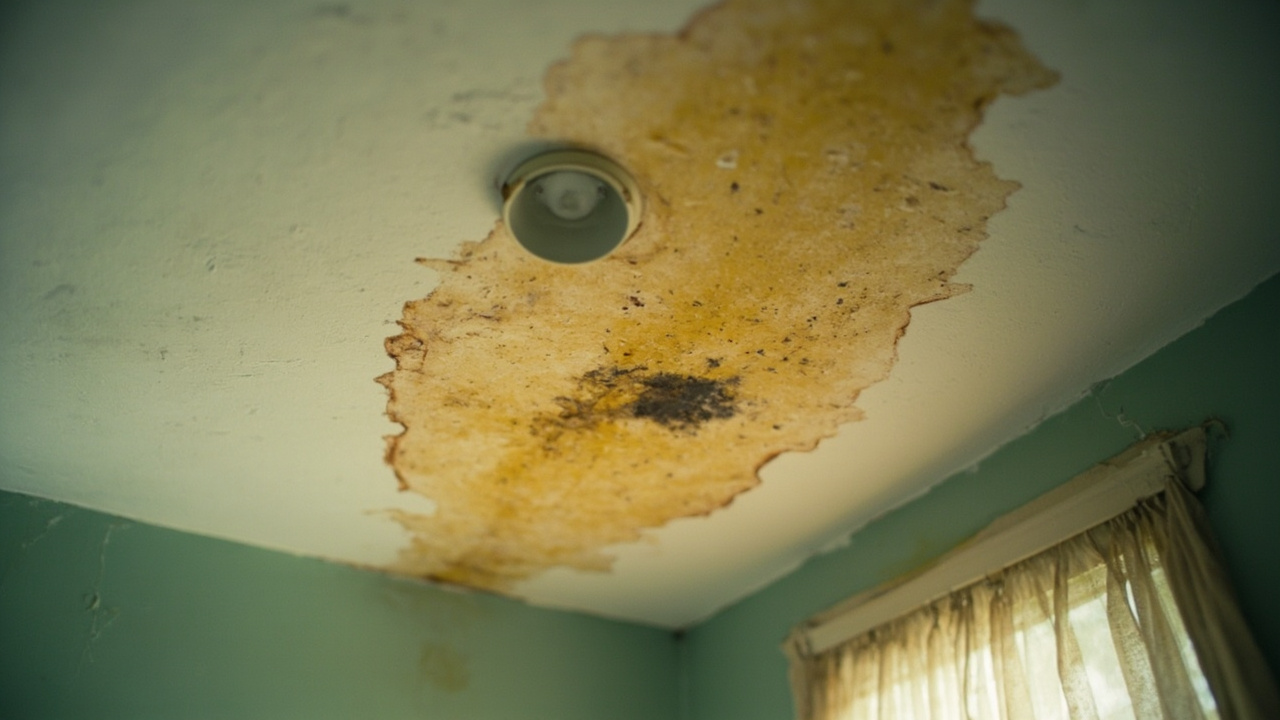
You spot brown spots on ceiling after a summer storm. Or you notice yellow water marks spreading across your bedroom wall. Maybe you see ceiling discoloration from leak that keeps getting darker. This is not just cosmetic damage.

Miami's subtropical climate creates a perfect storm for water intrusion problems. We average 60 inches of rain annually, most falling in violent afternoon downpours between June and September. That rainfall combines with 75% average humidity to create conditions where even small leaks accelerate fast.

When moisture stains on drywall appear, you are looking at the visible 20% of the problem. The other 80% is happening inside your walls and ceiling cavity. Damp patches on walls signal active water migration through building materials. In Miami's heat, that moisture breeds mold colonies within 24 to 48 hours.

The water source matters. Roof leaks from damaged shingles or missing tiles are common after hurricanes. Supply line failures happen in older Miami homes built before 1980, where galvanized pipes corrode from our mineral-heavy groundwater. Condensation from air conditioning units running constantly creates ceiling discoloration from leak points around ductwork or drain pans.

Ignoring these stains costs you. Water degrades drywall integrity, rots wood framing, and ruins insulation. Mold spores trigger respiratory problems. Your homeowners insurance may deny claims if you wait too long to address obvious damage. The longer water sits, the more expensive the repair becomes.

Why Water Stains Are a Bigger Problem in Miami Than Most Places
How We Find and Fix the Real Problem Behind the Stain

How We Find and Fix the Real Problem Behind the Stain

Most homeowners make one critical mistake when they see brown spots on ceiling or moisture stains on drywall. They paint over the stain and hope it goes away. It never does. The stain returns because the water source remains active.

We start with source identification using diagnostic tools. Our FLIR thermal imaging cameras detect temperature differentials behind walls and ceilings. Water-saturated materials appear cooler than dry materials. This lets us trace the water path from entry point to visible stain without cutting unnecessary holes in your drywall.

Moisture meters give us quantitative data. We measure moisture content in affected materials and surrounding areas. Readings above 15% indicate active water intrusion. This tells us if the leak is current or if we are dealing with old water damage that has dried.

Once we locate the source, we address it directly. Leaking supply lines get replaced, not patched. Failed wax rings on toilets get new installations with proper flange seating. Corroded angle stops get upgraded to quarter-turn ball valves. We do not use temporary fixes on permanent problems.

After stopping the water, we verify the repair with a pressure test on supply lines or a visual inspection during a simulated rain event for drainage issues. We document moisture readings in affected areas to establish a baseline for drying.

You need to know if structural damage occurred. We assess ceiling joists, wall studs, and subflooring for rot or weakness. Miami's Building Code requires specific repairs when structural members lose integrity. We identify what needs remediation before any cosmetic work begins.

What Happens When You Call About Water Stains

Water Stains on Ceiling or Walls in Miami | Expert Leak Detection Before Mold Takes Hold
01

Emergency Leak Assessment

We dispatch a licensed plumber to your Miami property within hours of your call. The technician photographs all visible water stains, documents affected areas, and performs non-invasive diagnostics. Thermal imaging and moisture readings map the extent of water intrusion. You receive a verbal explanation of what we find and what the likely source is before any repair work begins.
02

Source Repair and Verification

Once you approve the diagnostic findings, we execute the repair. This might mean replacing a section of corroded copper pipe, re-seating a toilet with a new wax ring, or repairing a leaking shower pan. We use code-compliant materials suited for Miami's water conditions. After repair, we run water through the system or simulate the failure condition to verify the leak is stopped completely.
03

Drying Documentation and Clearance

We take final moisture readings in all affected areas and document them for your records. You need these numbers for insurance claims and future reference. We advise on next steps for cosmetic repairs, mold remediation if needed, and timeline expectations for materials to dry completely. You receive a detailed invoice showing exactly what we repaired and why it was necessary.

Why Miami Homeowners Trust Cornerstone Plumbing Miami for Water Damage

Water stains are symptoms, not problems. You need someone who understands that distinction. Cornerstone Plumbing Miami has diagnosed hundreds of leak sources behind ceiling discoloration from leak and damp patches on walls across Miami-Dade County.

We know this city's plumbing infrastructure. Many Miami neighborhoods have homes built between 1950 and 1980 with galvanized supply lines that are failing now. Coral Gables has clay tile roofs that develop leak points around valley flashing. Brickell's high-rise condos deal with condensate line clogs from constant AC operation. Kendall's sprawling ranch homes often have polybutylene pipes installed in the 1980s that are cracking from UV exposure in attics.

Our technicians carry diagnostic equipment as standard procedure. We do not guess about water sources. Thermal imaging eliminates the need to cut exploratory holes in your ceiling to find a leak. Moisture meters tell us if remediation contractors gave you bad information about how dry your walls really are.

We work directly with Miami's most trusted water damage restoration companies and mold remediation specialists. When your problem extends beyond the plumbing repair, we connect you with verified professionals who understand the scope of work. This coordination saves you time and prevents the finger-pointing that happens when contractors blame each other for incomplete work.

Local building departments know our work. We pull permits when code requires them and we schedule inspections properly. This matters for your insurance claim and for future home sales. Unpermitted plumbing repairs create title problems and reduce your home value.

You get straight answers about what the repair costs and why it costs that amount. We explain the difference between a quick patch and a proper repair. You decide what level of work makes sense for your situation and budget.

What You Can Expect When We Handle Your Water Stain Problem

Response Time and Availability

We dispatch to water damage calls the same day you contact us. Active leaks causing brown spots on ceiling or visible water pooling get priority emergency scheduling. We arrive with diagnostic equipment ready to identify the source immediately. For non-emergency stain assessments where you are unsure if the leak is still active, we typically schedule within 24 to 48 hours. You receive a call when the technician is 30 minutes away. Our trucks carry common repair materials for Miami homes, so we can often complete repairs during the first visit if you approve the work.

The Diagnostic Process Explained

Your technician walks through affected areas and asks specific questions about when you first noticed the stain, whether it changes size after rain, and if you have heard dripping sounds. Thermal imaging scans walls and ceilings for temperature anomalies that indicate water presence. Moisture meters probe drywall, baseboards, and adjacent areas to map the water spread pattern. We check attic spaces above stains, crawl spaces below them, and plumbing fixtures near them. This process takes 30 to 60 minutes depending on how many stains you have and how accessible the areas are. You receive photos of thermal scans and moisture readings.

The Quality of Repairs We Deliver

We replace failed components with upgraded materials suited for Miami's water chemistry and climate. Galvanized pipes get replaced with copper or PEX. Corroded shut-off valves get replaced with quarter-turn ball valves that will not seize. Leaking shower pans get proper liner installations with weep holes and correct mortar bed slopes. We do not use push-fit connectors on permanent repairs. All joints are soldered, crimped, or threaded according to manufacturer specifications and local code requirements. You receive documentation of materials used, including product specifications and manufacturer warranty information for the parts we installed.

What Happens After the Plumbing Repair

We provide you with final moisture readings for affected areas and explain the expected dry-out timeline for your specific materials. Drywall typically needs 3 to 7 days to dry completely in Miami's climate, depending on humidity levels and air circulation. We advise when you can safely proceed with cosmetic repairs without trapping moisture behind new paint or texture. If moisture readings indicate mold risk, we recommend specific remediation steps and can connect you with licensed mold assessors. You receive a detailed invoice itemizing labor, materials, and diagnostic fees. We stand behind our plumbing repairs and will return if the same leak point fails due to our workmanship.

Frequently Asked Questions

You Have Questions,
We Have Answers

Why is there a water stain on my ceiling but no leak? +

A water stain without an active leak often means the source dried up or occurred during a past event. In Miami, this happens frequently after hurricanes or heavy summer storms when roof penetrations or flashing temporarily fail. Condensation from AC units in the attic also leaves stains without visible dripping. High humidity can cause discoloration that mimics water damage. The stain indicates water entered at some point, even if it stopped. You need a professional inspection to identify the entry point and check for hidden damage or mold growth behind drywall before it becomes a bigger problem.

When to be concerned about water spots on a ceiling? +

You should be concerned immediately if the stain grows, feels damp, or appears suddenly after rain. In Miami, rapid stain expansion during storm season signals an active roof leak or failing AC drain line. Dark or yellowish stains suggest prolonged moisture exposure and potential mold growth. If the ceiling feels soft, sags, or shows bubbling texture, structural damage is occurring. Even old stains deserve attention because Miami's humidity keeps materials wet longer, accelerating rot. Any water stain represents a breach in your home's envelope and warrants professional evaluation to prevent costly repairs.

Why am I getting wet spots on my ceiling? +

Wet spots on your ceiling come from active water intrusion. Common Miami culprits include roof leaks from damaged shingles or deteriorated flashing, especially after hurricanes or tropical storms. AC condensate drain lines clog frequently in humid climates, causing overflow into the ceiling cavity. Plumbing leaks from second-floor bathrooms or supply lines create persistent wet areas. Attic condensation from poor ventilation also generates moisture spots. If the wet area expands during rain, the roof is compromised. If it appears randomly, check plumbing fixtures above. You need immediate diagnosis to stop the water source and prevent mold.

How to tell if water is leaking behind a wall? +

Check for bubbling or peeling paint and wallpaper, which indicates trapped moisture behind the surface. Discolored patches, especially yellowish or brown streaks running down the wall, signal active leakage. Press the wall gently. Soft or spongy drywall means prolonged water exposure and deterioration. A musty odor near baseboards suggests hidden moisture accumulation. In Miami homes with concrete block construction, watch for efflorescence, the white chalky residue from water migrating through masonry. Use a moisture meter for confirmation. Thermal imaging cameras detect temperature differences caused by wet insulation, revealing leaks invisible to the eye.

How to find source of water stain on ceiling? +

Start directly above the stain in the attic or upper floor. In Miami, inspect roof decking for dark spots, mold, or water trails. Water travels along rafters and pipes before dripping, so the source sits uphill from the stain. Check plumbing supply lines, drain pipes, and AC drain pans in the vicinity. Look for compromised roof flashing around vents, chimneys, and skylights. After heavy rain, trace active drips backward. If no attic access exists or the source remains hidden, call a licensed plumber. Thermal imaging and moisture meters pinpoint leaks behind finished surfaces quickly.

Do water stains always mean mold? +

Water stains do not always mean mold, but Miami's climate makes mold growth highly likely within 24 to 48 hours of water exposure. Mold needs moisture, organic material like drywall, and warmth. All three conditions exist year-round here. A dried stain from a single brief leak may not harbor active mold, but you cannot see spores growing inside wall cavities or insulation without proper inspection. Prolonged or repeated moisture exposure guarantees mold colonization. Even if surface areas look dry, hidden mold spreads behind finishes. Professional mold testing confirms presence and extent before remediation begins.

Who should I call for a water stain in my ceiling? +

Call a licensed plumber first if you suspect plumbing failure or cannot locate the source. For ceiling stains appearing after rain or storms in Miami, contact a roofing contractor to inspect for roof damage, compromised flashing, or failed waterproofing membranes. If the stain connects to HVAC equipment or appears near AC vents, call an HVAC technician to check condensate drain lines and pans. For extensive damage, sagging ceilings, or confirmed mold growth, you need a water damage restoration specialist who coordinates plumbing, structural repairs, and mold remediation. Act quickly because delay increases damage and cost.

How to tell if your ceiling is leaking? +

Your ceiling is leaking if you see active dripping, wet spots that expand during rain, or fresh discoloration appearing suddenly. Touch the stained area. Damp or cold surfaces indicate ongoing moisture intrusion. Bubbling texture or peeling paint signals trapped water between layers. In Miami, check during afternoon thunderstorms when roof leaks become obvious. Listen for dripping sounds in the attic or ceiling cavity. Sagging drywall or visible bulges mean water pooled above. Even intermittent wetness during specific weather events confirms a leak. Document the timing and conditions to help professionals identify the entry point.

What are the warning signs of ceiling collapse? +

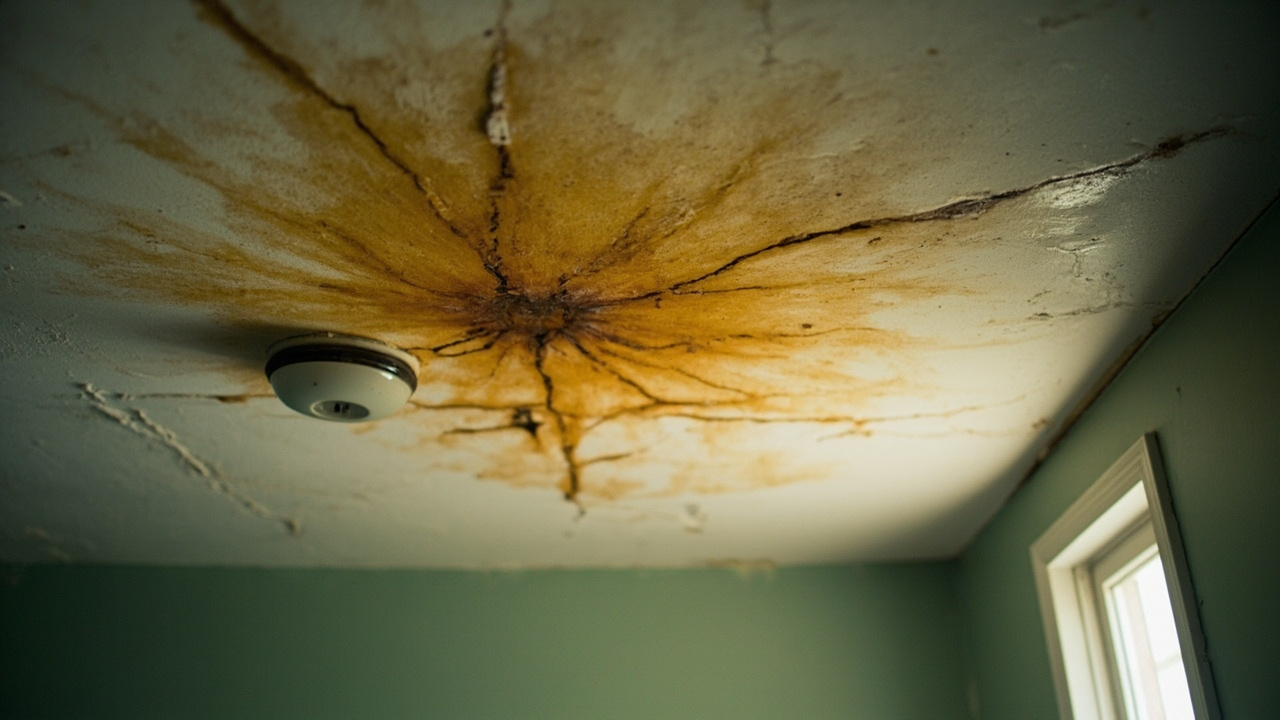
Warning signs of ceiling collapse include visible sagging or bowing between joists, especially in older Miami homes with plaster ceilings. Cracks radiating from a central wet area indicate structural stress. Water dripping steadily or pooling above drywall adds dangerous weight. If the ceiling feels soft when pressed or moves when touched, evacuate the area immediately. Popping or cracking sounds signal imminent failure. Large sections of peeling texture or detached drywall tape show the substrate is separating. Heavy water damage from prolonged leaks weakens framing and fasteners. Do not enter rooms with these symptoms. Call emergency restoration services.

What are signs of a serious ceiling issue? +

Serious ceiling issues show through multiple symptoms appearing together. Large or spreading water stains indicate ongoing intrusion and hidden damage. Sagging sections mean structural members absorbed water and lost integrity. Visible mold growth, especially black or green clusters, signals long-term moisture problems affecting indoor air quality. Musty odors without visible stains suggest concealed water damage in the ceiling cavity. Cracks wider than one-eighth inch, especially if growing, indicate foundation settlement or framing failure common in South Florida's shifting soils. Any combination of these signs requires immediate professional assessment to prevent catastrophic failure or health hazards.

How Miami's Hurricane Season Creates Unique Water Stain Risks

Miami sits in the direct path of Atlantic hurricane activity from June through November. Even tropical storms that do not make direct landfall create wind-driven rain that penetrates roof penetrations and window seals. Yellow water marks appearing after named storms often trace back to damaged roof flashing, loose ridge caps, or cracked soffit vents. Our elevation at sea level means poor drainage in many neighborhoods. Standing water on flat roofs common in mid-century modern Miami architecture creates leak points around HVAC curbs and plumbing vent boots. The combination of intense rainfall, high winds, and aging building stock makes post-storm water intrusion a recurring problem across Miami-Dade County.

Cornerstone Plumbing Miami operates under Florida's strict plumbing licensing requirements and maintains liability coverage that meets Miami-Dade County's standards for water damage work. We understand the claims process for Citizens Property Insurance and major carriers operating in Florida. Our documentation practices align with what insurance adjusters need to process water damage claims quickly. We have worked with building inspectors across Miami's municipalities and know the permit requirements for different types of plumbing repairs. When you hire us to diagnose brown spots on ceiling or moisture stains on drywall, you get a local team that understands how Miami's building codes, insurance landscape, and seasonal weather patterns affect your water damage situation.

Plumbing Services in The Miami Area

Easily locate Cornerstone Plumbing on the map and explore our primary service area. We are conveniently situated to provide swift and efficient plumbing services throughout Miami and its surrounding communities. Our strategically located operations ensure that a skilled technician is always nearby, ready to address your residential or commercial plumbing needs with promptness and unparalleled expertise, ensuring you receive timely and effective support whenever you need it most.

Address:
Cornerstone Plumbing Miami, 2332 Galiano St, Miami, FL, 33134

Additional Services We Offer

Our news updates

Latest Articles & News from The Blogs

A main water line break in a high traffic area like the Wynwood Art District is more than a simple…

Emergency Main Water Line Repair for Wynwood Businesses

A main water line break in a high traffic area like the Wynwood Art District is more than a simple…

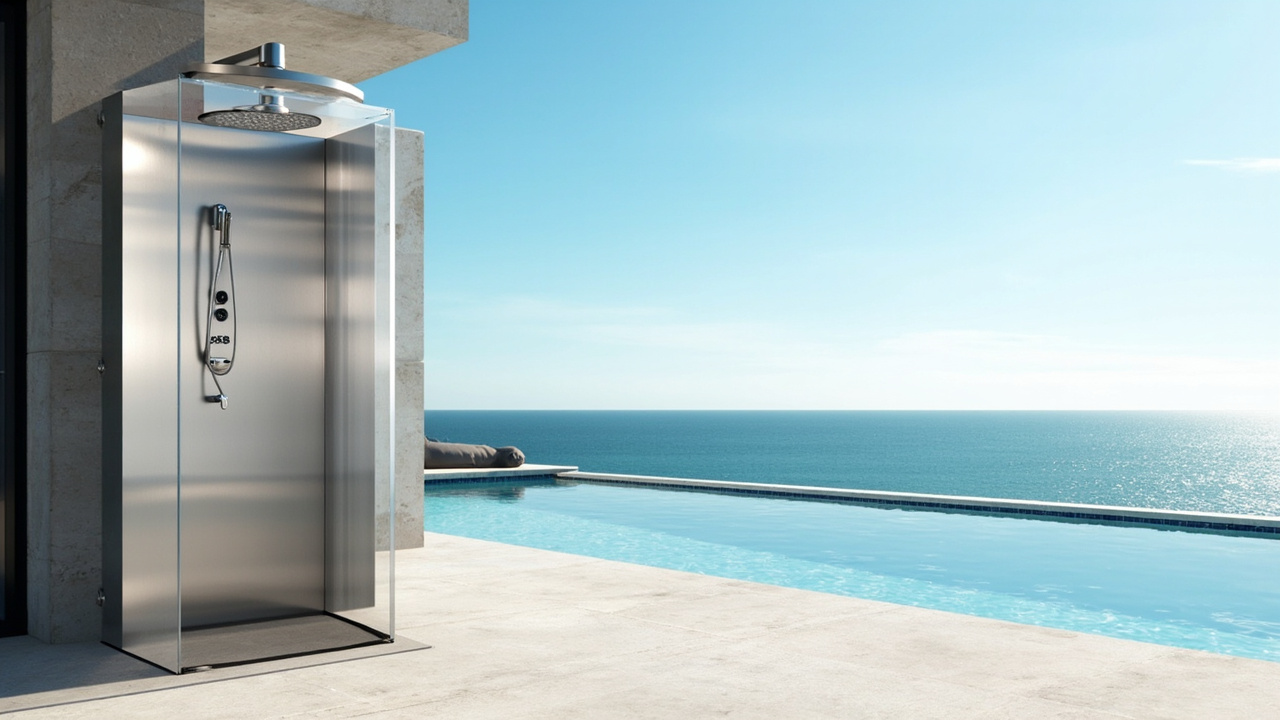
Picking the Right Type of Outdoor Shower for Your Golden Beach Waterfront Property

Living on the Atlantic coast in Golden Beach provides unparalleled access to the ocean, but the environment creates a unique…

How to Choose the Right Low Flow Showerhead That Still Has Great Pressure

How to Choose the Right Low Flow Showerhead That Still Has Great PressureMiami residents understand the value of water more…

Contact Us

Water stains grow larger every day the source remains active. Call Cornerstone Plumbing Miami at (786) 789-8488 right now for same-day diagnostics. We find the leak, stop it, and document everything for your insurance claim.