




menu

Water Conservation Tips in Miami – Simple Changes That Cut Your Water Bill in Half

Learn proven water saving techniques designed specifically for Miami's climate and infrastructure. These water efficiency strategies help you reduce water consumption while protecting your plumbing system from the stress of South Florida's hard water and high humidity.

Slider Image 1
Slider Image 2
Slider Image 3
Slider Image 4
Slider Image 5
Slider Image 7
Slider Image 8
Slider Image 9
Slider Image 10
Slider Image 11

Why Miami Homeowners Need Smarter Water Efficiency Strategies

Miami's unique combination of high humidity, frequent downpours, and persistent drought conditions creates a false sense of water abundance. You see rain almost daily during summer, yet the city faces strict water restrictions during dry season. This contradiction leaves many homeowners confused about how to save water at home effectively.

South Florida's limestone aquifer and aging water infrastructure make conservation critical. Miami-Dade County regularly implements watering restrictions, and violations carry fines up to $500. Beyond the legal pressure, the area's high mineral content means hard water flows through your pipes, causing buildup in fixtures and appliances. Every gallon wasted accelerates this damage.

Your water bill reflects both consumption and the energy required to treat and pump water across flat terrain. Unlike cities with gravity-fed systems, Miami relies entirely on pumps. This means reduce water consumption equals reduced energy costs. The average Miami household uses 8,000 to 10,000 gallons monthly, but 30 percent of that usage serves no purpose. Leaks, inefficient fixtures, and wasteful habits drain your wallet.

The subtropical climate also means outdoor irrigation dominates water use. Bermuda and St. Augustine grass require frequent watering to survive Miami's intense heat, but most homeowners overwater. Combined with indoor waste from older toilets and showerheads, the typical home loses thousands of gallons yearly. These ways to save water address both indoor and outdoor consumption, targeting the biggest offenders first.

Why Miami Homeowners Need Smarter Water Efficiency Strategies
Practical Water Saving Techniques That Work in Miami Homes

Practical Water Saving Techniques That Work in Miami Homes

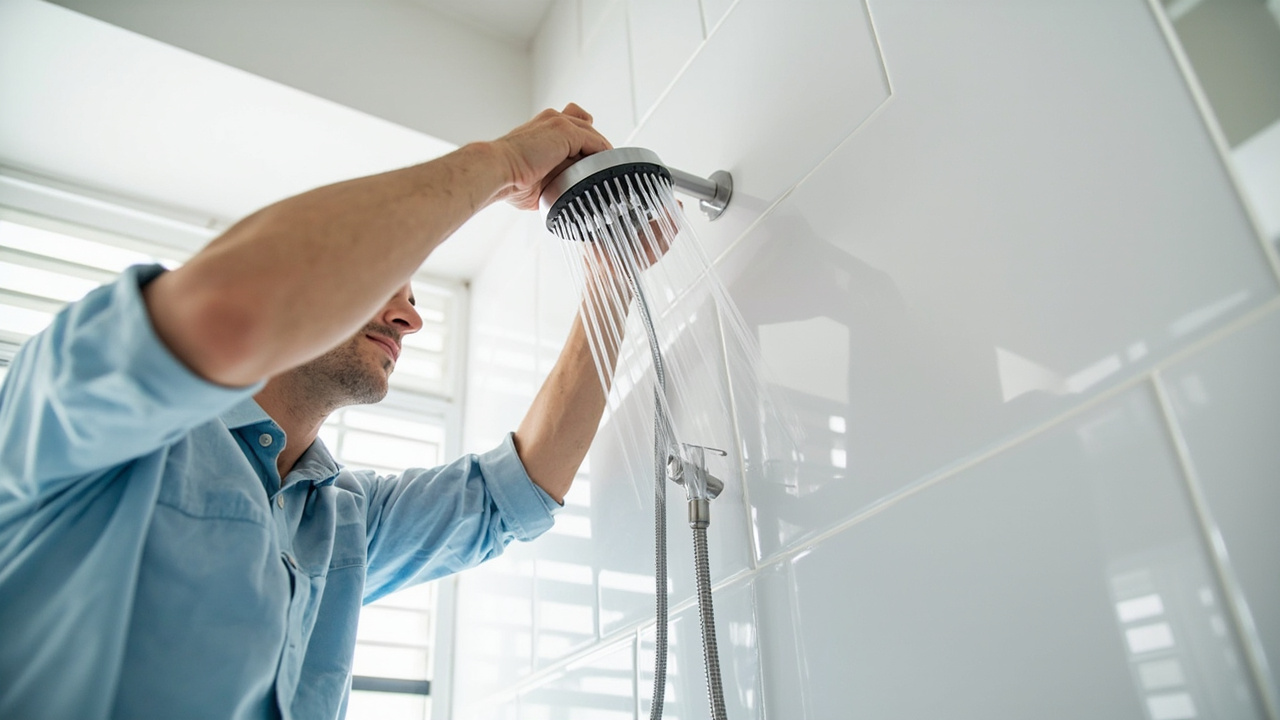
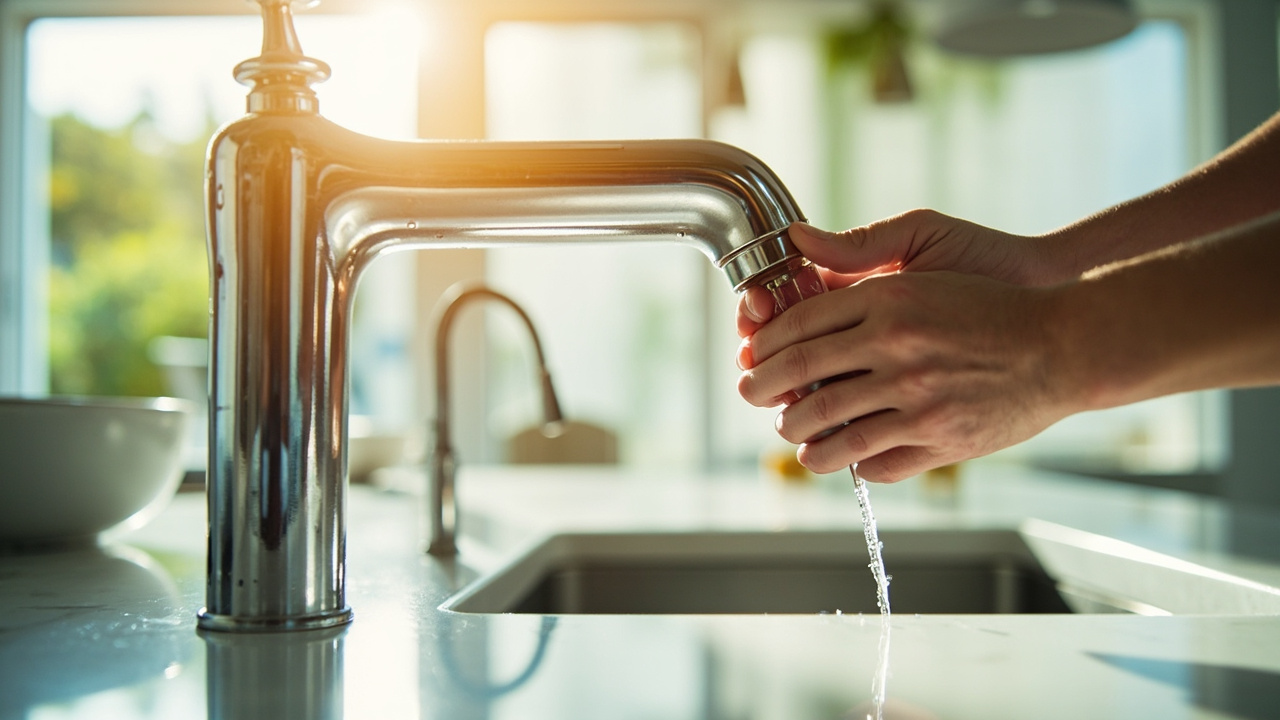
Real water efficiency strategies start with your fixtures. Pre-1994 toilets use 3.5 to 7 gallons per flush. A WaterSense-labeled toilet uses 1.28 gallons. For a family of four, that single upgrade saves 13,000 gallons yearly. Showerheads follow similar math. Old fixtures flow at 5 gallons per minute. Modern low-flow aerators deliver 1.5 GPM without sacrificing pressure. Install pressure-compensating aerators on every faucet to maintain performance while cutting flow.

Check for hidden leaks systematically. A running toilet wastes 200 gallons daily. Test yours with food coloring in the tank. If color appears in the bowl without flushing, the flapper valve has failed. Replace it immediately. Inspect supply line connections under sinks and behind appliances. Miami's hard water corrodes washers and gaskets faster than in other regions. A pinhole leak in a supply line wastes 30 gallons daily before you notice dampness.

Your irrigation system needs recalibration for Miami's rainfall patterns. Install a rain sensor to override scheduled watering after storms. Set timers for early morning, between 4 AM and 8 AM, when evaporation rates drop. Adjust sprinkler heads so they target soil, not sidewalks or driveways. Consider drip irrigation for garden beds and shrubs. It delivers water directly to root zones, eliminating overspray and runoff.

Inside, adjust water heater temperature to 120 degrees. Higher settings waste energy and accelerate mineral buildup in the tank. Insulate hot water pipes to reduce the wait time for heated water, saving the gallons lost while you wait. These water saving techniques compound over time, creating measurable reductions in both consumption and utility costs.

How We Help Miami Residents Implement Water Efficiency Strategies

Water Conservation Tips in Miami – Simple Changes That Cut Your Water Bill in Half
01

Comprehensive Water Audit

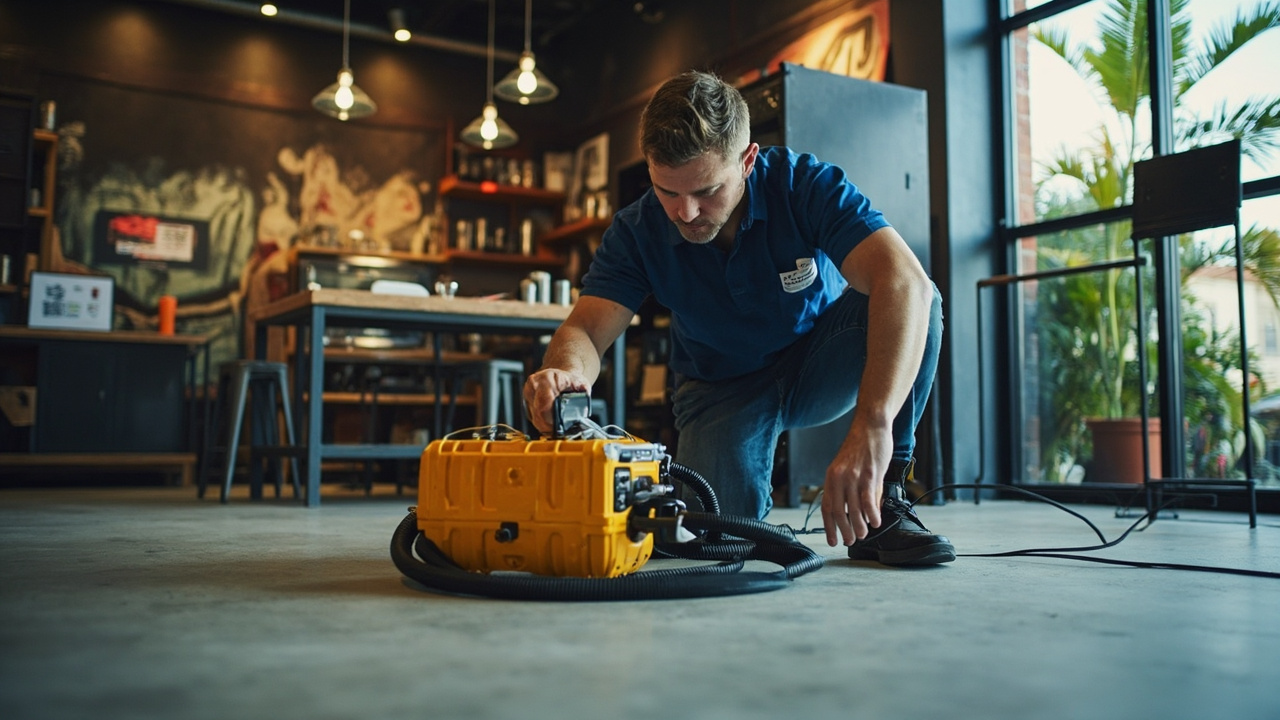
Cornerstone Plumbing Miami conducts a room-by-room assessment of your water use. We test flow rates at every fixture, inspect all supply lines for leaks, and measure your irrigation system's coverage and efficiency. We use acoustic leak detection equipment to find hidden slab leaks that standard inspections miss. This audit identifies exactly where your home wastes water and quantifies potential savings.
02

Fixture Upgrades and Repairs

We replace inefficient fixtures with WaterSense-certified alternatives. This includes dual-flush toilets, low-flow showerheads, and aerators calibrated for Miami's water pressure. We repair leaking valves, replace corroded supply lines, and service your water heater to remove sediment buildup. Every upgrade follows Miami-Dade plumbing code and matches your home's existing infrastructure. We prioritize changes that deliver the fastest return on investment.
03

Ongoing Monitoring Support

After implementation, we provide guidance on tracking your water bill to confirm savings. We explain how to read your meter to detect future leaks early. You receive a customized maintenance schedule for checking aerators, flappers, and irrigation sensors. We remain available for follow-up questions and seasonal adjustments. This ensures your water efficiency strategies continue working as Miami's weather patterns shift throughout the year.

Why Miami Homeowners Trust Local Plumbing Expertise for Conservation

Water conservation in Miami requires understanding the specific challenges of South Florida plumbing systems. The high mineral content in local water accelerates fixture wear. Aerators clog with calcium deposits within months. Flappers harden and crack faster than in areas with softer water. A plumber unfamiliar with these conditions might install standard parts that fail prematurely.

Cornerstone Plumbing Miami knows which fixtures hold up against Miami's water chemistry. We stock parts designed for hard water environments and understand which brands deliver longevity. We also know local code requirements for backflow prevention and irrigation system installations. Miami-Dade enforces strict regulations on cross-connections between potable water and irrigation systems. Improper installations risk contamination and carry legal consequences.

Our familiarity with neighborhoods from Coral Gables to Aventura means we understand the infrastructure variations across the county. Older homes in areas like Little Havana have galvanized pipes prone to corrosion. Newer developments in Doral use PEX systems that require different approaches. We match conservation strategies to your home's specific plumbing configuration, ensuring compatibility and effectiveness.

We also recognize the seasonal patterns that affect water use in Miami. The dry season from November through April increases irrigation demands. Hurricane season brings brief flooding followed by drought. We time audits and upgrades around these cycles, helping you prepare your plumbing system for predictable stress periods. This local knowledge prevents the trial-and-error approach that wastes time and money. You get solutions calibrated to Miami's unique conditions from the first visit.

What You Get From a Professional Water Conservation Assessment

Same-Day Audit Availability

We schedule water audits within 24 to 48 hours of your call. The assessment takes two to three hours depending on home size and irrigation complexity. You receive a written report the same day outlining every finding, from minor drips to major leaks. We prioritize repairs by impact and cost, so you can address the biggest water wasters first. Emergency leak repairs happen immediately if we find active damage. Standard fixture upgrades get scheduled based on your availability and budget timeline.

Detailed Consumption Analysis

Our audit includes flow testing at every fixture, pressure measurement at the main supply, and irrigation system evaluation. We calculate your current water usage per fixture and estimate savings from each potential upgrade. You see exactly how much water your toilet, shower, washing machine, and outdoor irrigation consume monthly. We compare your usage to Miami-Dade averages to identify outliers. This data-driven approach removes guesswork and proves which changes deliver real savings versus marginal improvements.

Verified Performance Results

After we complete upgrades, you track results through your water bill. Most Miami homeowners see 20 to 40 percent reductions in consumption within the first billing cycle. We provide baseline measurements from your audit so you can compare before and after usage. Fixture upgrades show immediate impact. Leak repairs eliminate waste completely. Irrigation adjustments take one to two months to optimize as you observe lawn health and adjust schedules. We follow up after 60 days to review results and make any needed calibrations.

Maintenance Guidance and Support

You receive a maintenance checklist customized for your upgraded fixtures and Miami's water conditions. This includes monthly aerator cleaning, quarterly flapper inspections, and seasonal irrigation adjustments. We explain how to spot early signs of new leaks before they escalate. You get our direct line for questions about unusual water bills or fixture performance. We also offer annual re-audits to catch new inefficiencies as your plumbing system ages. This ongoing support protects your initial investment and sustains long-term savings.

Frequently Asked Questions

You Have Questions,
We Have Answers

What are the 10 ways to conserve water? +

Fix leaky faucets and toilets immediately. Install low-flow showerheads and faucet aerators. Run dishwashers and washing machines only with full loads. Water your Miami lawn early morning or late evening to reduce evaporation in our subtropical heat. Use a broom instead of a hose to clean driveways. Take shorter showers. Collect rainwater for plants during our wet season. Turn off taps while brushing teeth or washing dishes. Choose drought-tolerant native Florida plants for landscaping. Check irrigation systems monthly for leaks or broken sprinkler heads.

What are 7 ways to conserve water? +

Turn off taps when not actively using water. Fix leaks in faucets, toilets, and pipes. Install water-efficient fixtures like low-flow showerheads. Run full loads in dishwashers and washing machines. Water landscaping during cooler hours to combat Miami's high evaporation rates. Use mulch around plants to retain soil moisture in our sandy soils. Collect rainwater in barrels for irrigation. These seven methods reduce consumption and lower your water bill while protecting our Biscayne Aquifer, which supplies drinking water to Miami-Dade County.

What are the 5 R's of water conservation? +

The 5 R's of water conservation are Reduce, Reuse, Recycle, Reclaim, and Restore. Reduce your daily water use by fixing leaks and installing efficient fixtures. Reuse greywater from sinks or showers for landscaping. Recycle water through systems that treat and redistribute it. Reclaim wastewater for non-potable uses like irrigation, which is particularly relevant in Miami where landscape watering accounts for significant residential consumption. Restore natural water systems by protecting wetlands and the Everglades watershed. These principles help preserve our vulnerable aquifer and coastal ecosystems.

What are 5 methods of water conservation? +

Rainwater harvesting captures roof runoff for irrigation use during Miami's dry season. Drip irrigation delivers water directly to plant roots, reducing evaporation losses in our heat. Low-flow fixture installation cuts household consumption by 30 to 50 percent. Greywater recycling reuses water from sinks and showers for landscaping. Smart irrigation controllers adjust watering schedules based on weather data and soil moisture, preventing overwatering during Miami's frequent afternoon rain showers. These methods work particularly well in South Florida's climate patterns and help protect our groundwater supplies.

What are 20 ways to save water? +

Fix all leaks. Install low-flow showerheads and faucets. Use aerators on taps. Run full dishwasher and laundry loads. Take shorter showers. Turn off water while brushing teeth. Sweep driveways instead of hosing. Water Miami lawns before 10 AM. Use drought-tolerant native plants. Collect rainwater for gardens. Mulch landscape beds. Check sprinkler systems monthly. Wash cars with buckets. Insulate hot water pipes. Use garbage disposals sparingly. Thaw food in the refrigerator. Teach children conservation habits. Monitor your water bill for unusual spikes. Install smart irrigation controllers. Choose WaterSense certified appliances.

What are 50 ways to save water? +

For a comprehensive list of 50 water-saving methods, combine household fixes, landscape practices, and behavioral changes. Start with plumbing repairs, install efficient fixtures, optimize appliance use, adjust irrigation timing for Miami's climate, choose Florida-friendly plants, reuse greywater, harvest rainwater, reduce lawn size, add permeable hardscaping, insulate pipes, install pressure regulators, use pool covers, fix outdoor leaks, maintain your water heater, check for hidden leaks, and educate your household. The full 50 strategies span indoor and outdoor applications tailored to our subtropical environment and Biscayne Aquifer protection needs.

How to save water 30 ways? +

Combine indoor and outdoor strategies. Fix leaks in faucets, toilets, and irrigation lines. Install low-flow fixtures and dual-flush toilets. Run full appliance loads. Take five-minute showers. Turn off taps while soaping or brushing. Water Miami landscapes before dawn. Use drip irrigation and soaker hoses. Choose native plants adapted to Florida's rainfall patterns. Mulch garden beds heavily. Collect AC condensate for plants. Sweep outdoor areas instead of hosing. Wash cars at commercial facilities that recycle water. These 30 methods address Miami's specific challenges including high evaporation rates and aquifer vulnerability.

What are 8 ways to conserve water? +

Install low-flow showerheads to cut shower water use by half. Fix leaky toilets, which can waste 200 gallons daily. Use faucet aerators to reduce flow without losing pressure. Water your Miami yard early morning to minimize evaporation losses. Run dishwashers and washing machines only with full loads. Choose drought-tolerant native Florida plants for landscaping. Take shorter showers, aiming for five minutes. Check irrigation systems regularly for broken sprinkler heads or leaks. These eight methods directly address the biggest water-wasting culprits in South Florida homes.

How to save water 🌊 💦? +

Saving water protects Miami's drinking water supply and reduces your utility bills. Start by fixing leaks in faucets, toilets, and outdoor irrigation. Install low-flow showerheads and faucet aerators. Water your lawn and garden during early morning hours to reduce evaporation in our heat and humidity. Choose native Florida plants that thrive on natural rainfall. Run dishwashers and washing machines only when full. Take shorter showers. Collect rainwater during our wet season for use during dry months. Every gallon saved helps protect our vulnerable Biscayne Aquifer and coastal ecosystems.

How do you write 10 lines to conserve water? +

Water is precious in Miami. Fix leaks immediately. Install low-flow fixtures. Take shorter showers. Turn off taps when not in use. Water plants early morning. Use native drought-tolerant landscaping. Run full appliance loads. Collect rainwater for gardens. Check irrigation systems monthly. Protect the Biscayne Aquifer. These ten lines capture essential conservation practices for South Florida residents. Our subtropical climate and porous limestone geology make our aquifer vulnerable to saltwater intrusion and depletion, so every conservation action protects our drinking water supply and reduces strain on municipal treatment systems.

How Miami's Hard Water and Aging Infrastructure Demand Proactive Conservation

Miami's water comes from the Biscayne Aquifer, one of the most productive aquifers in the world but also one of the most vulnerable. The limestone geology creates high mineral content that leaves deposits on everything water touches. This hard water clogs aerators, damages water heaters, and reduces the lifespan of appliances. It also makes conservation harder because inefficient fixtures waste more water fighting against mineral buildup. Homes built before 2000 often have corroded pipes that leak internally, losing water before it reaches fixtures. These conditions make professional water efficiency strategies necessary, not optional.

Cornerstone Plumbing Miami has served the greater Miami metro for years, building relationships with homeowners who value reliable service and honest assessments. We understand the plumbing challenges specific to neighborhoods across Miami-Dade, from Coconut Grove's historic homes to Kendall's sprawling developments. Our technicians receive ongoing training in water conservation technologies and local code updates. When you choose a local plumber who knows Miami's infrastructure, you get solutions that work with your home's existing systems rather than generic advice that ignores regional realities.
Plumbing Services in The Miami Area

Easily locate Cornerstone Plumbing on the map and explore our primary service area. We are conveniently situated to provide swift and efficient plumbing services throughout Miami and its surrounding communities. Our strategically located operations ensure that a skilled technician is always nearby, ready to address your residential or commercial plumbing needs with promptness and unparalleled expertise, ensuring you receive timely and effective support whenever you need it most.

Address:
Cornerstone Plumbing Miami, 2332 Galiano St, Miami, FL, 33134

Additional Services We Offer

Our news updates

Latest Articles & News from The Blogs

A main water line break in a high traffic area like the Wynwood Art District is more than a simple…

Emergency Main Water Line Repair for Wynwood Businesses

A main water line break in a high traffic area like the Wynwood Art District is more than a simple…

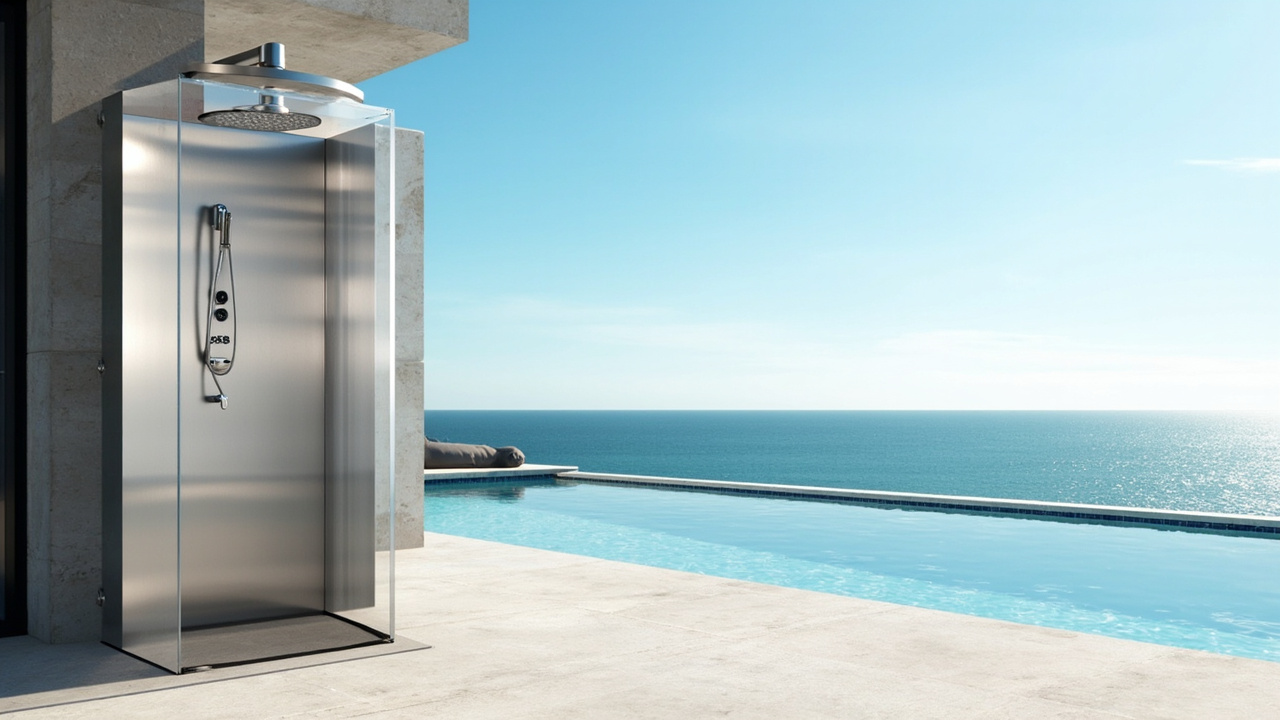
Picking the Right Type of Outdoor Shower for Your Golden Beach Waterfront Property

Living on the Atlantic coast in Golden Beach provides unparalleled access to the ocean, but the environment creates a unique…

How to Choose the Right Low Flow Showerhead That Still Has Great Pressure

How to Choose the Right Low Flow Showerhead That Still Has Great PressureMiami residents understand the value of water more…

Contact Us

Call Cornerstone Plumbing Miami at (786) 789-8488 to schedule your water conservation audit. We will identify your biggest water wasters and provide a clear plan to reduce consumption and lower your bills. Stop wasting water and money on inefficient fixtures.