



menu

Understanding Backflow Testing in Miami – Protect Your Water Supply from Contamination and Stay Code Compliant

Comprehensive backflow testing resources for Miami property owners who need to understand annual certification requirements, testing procedures, and how backflow prevention assemblies keep your drinking water safe from cross-connection hazards.

Slider Image 1
Slider Image 2
Slider Image 3
Slider Image 4
Slider Image 5
Slider Image 7
Slider Image 8
Slider Image 9
Slider Image 10
Slider Image 11

Why Backflow Testing Matters in Miami's Unique Water Infrastructure

Miami's aging water infrastructure and low-lying coastal geography create specific backflow risks you need to understand. When water pressure drops during a main break or fire suppression event, contaminated water can reverse flow into your clean water supply. This happens more frequently in South Florida than you might think.

The county's high water table and limestone aquifer mean even minor pressure fluctuations affect your plumbing system differently than inland cities. Your backflow preventer inspection becomes critical when hurricanes approach and municipal systems strain under demand spikes from simultaneous preparation activities across the metro.

Miami-Dade County enforces strict annual backflow certification requirements for commercial properties, irrigation systems, and any premises with chemical injection equipment. You face fines and potential water shutoff if your backflow prevention assembly testing lapses. The county maintains a registered tester database and cross-references property records to identify non-compliant locations.

Understanding water backflow testing requirements starts with knowing your device type. Reduced pressure zone assemblies, double check valves, and pressure vacuum breakers each require specific backflow device testing procedures. Your device's hazard rating determines testing frequency. High-hazard locations like medical facilities, restaurants, and industrial sites need more frequent verification than standard commercial buildings.

Miami's saltwater intrusion zones add complexity. Properties near Biscayne Bay or in coastal neighborhoods face accelerated corrosion on backflow assemblies. Your annual testing should include visual inspection for mineral buildup and valve deterioration that happens faster in humid, salt-laden air.

Why Backflow Testing Matters in Miami's Unique Water Infrastructure
How Proper Backflow Testing Protects Your Property and Public Health

How Proper Backflow Testing Protects Your Property and Public Health

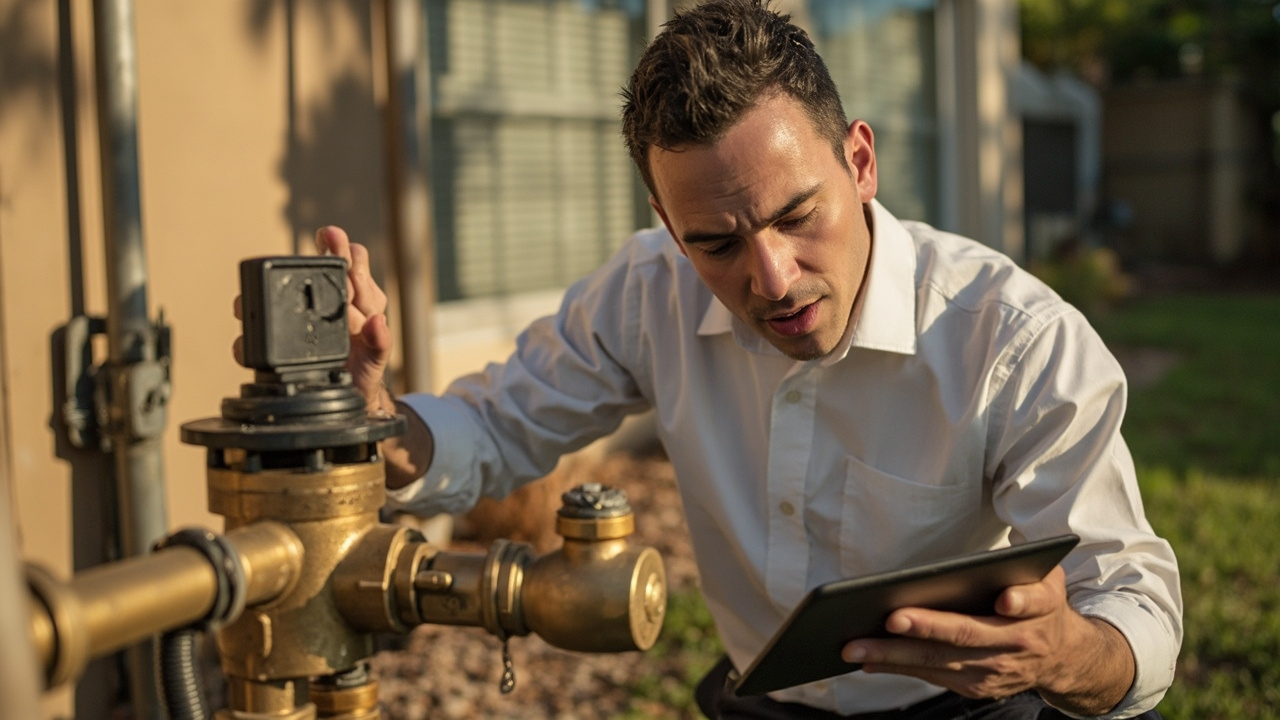
Backflow prevention assembly testing follows precise hydraulic principles. The test measures pressure differential across check valves and ensures relief valves open at correct setpoints. A certified tester attaches gauge manifolds to the assembly's test cocks and manipulates downstream pressure while monitoring valve response.

The process verifies that your reduced pressure zone device maintains at least a two psi differential between the supply pressure and the zone between check valves. This differential ensures contaminated water cannot overcome the backpressure barrier. If the relief valve fails to open when zone pressure exceeds supply pressure by two psi, your assembly fails and needs repair or replacement.

Double check valve assemblies undergo different backflow device testing procedures. Each check valve must close against reverse flow and hold tight under pressure. The tester measures leakage rates and compares them to acceptable standards. Even minor leakage fails the test because cumulative seepage can contaminate significant water volume over time.

Cornerstone Plumbing Miami uses calibrated test equipment verified annually against laboratory standards. Temperature affects gauge accuracy, so we compensate readings for Miami's heat and humidity. We document baseline pressures, differential readings, and valve response times to create a testing history that reveals degradation patterns before complete failure occurs.

Your backflow preventer inspection includes checking for physical damage, proper installation orientation, and adequate clearance for testing and maintenance. Many assemblies fail not because of internal wear but because someone installed them sideways or too close to a wall. We photograph assembly conditions and test port accessibility to document compliance with installation standards that protect both testing accuracy and public safety.

What Happens During Your Backflow Certification Appointment

Understanding Backflow Testing in Miami – Protect Your Water Supply from Contamination and Stay Code Compliant
01

Device Identification and Preparation

The tester locates your backflow assembly and verifies the device type matches county records. We check the serial number, manufacturer, and size against your previous test reports. You need to provide access to test cocks and ensure adequate drainage because testing releases water through relief valves. We notify building occupants if testing will cause temporary pressure fluctuations or discoloration in older buildings where sediment can dislodge during the procedure.
02

Pressure Testing and Valve Function

We attach calibrated test gauges to the four or five test cocks depending on your assembly configuration. Sequential valve testing measures supply pressure, closes isolation valves, and manipulates pressures while observing gauge response. Each check valve gets tested independently for tightness and proper seating. Relief valve opening pressure gets measured and compared to manufacturer specifications. The entire procedure takes fifteen to thirty minutes per assembly depending on complexity and valve response characteristics.
03

Documentation and County Reporting

You receive a detailed test report showing all pressure readings and pass or fail status for each component. We submit passing results directly to Miami-Dade County's online database within five business days. Your annual backflow certification gets recorded and your property compliance status updates automatically. If your assembly fails, we provide a repair estimate and schedule follow-up testing after repairs. You have thirty days to correct failures before the county initiates enforcement actions.

Why Miami Property Owners Trust Local Backflow Testing Expertise

Miami-Dade County requires testers to hold specific state certification and register annually with the water department. Not every plumber can perform backflow prevention assembly testing legally. You need someone who understands local cross-connection control ordinances and maintains current credentials with the Florida Department of Health.

Cornerstone Plumbing Miami knows which buildings need testing based on use classification. Medical offices, dental clinics, veterinary hospitals, and any facility with chemical feed systems fall under high-hazard categories requiring annual verification. Irrigation systems, fire suppression connections, and commercial kitchens have specific assembly requirements that vary by water source and potential contamination risk.

We stay current on Miami-Dade's evolving requirements for backflow device testing procedures. Recent code changes expanded testing requirements to include residential irrigation systems in certain neighborhoods. Property managers who relied on outdated information received violation notices when the county updated cross-connection control maps. Our team monitors regulatory changes and notifies clients when new requirements affect their properties.

South Florida's aggressive water chemistry creates unique maintenance challenges. Chloramines and elevated mineral content accelerate internal component wear. Your assembly might pass testing but show marginal performance that predicts failure within months. We identify these warning signs and recommend proactive replacement before you face emergency shutdowns or contamination incidents.

Understanding water backflow testing requirements includes knowing when testing deadlines fall. The county staggers due dates by property type and location. Missing your deadline triggers automatic violation notices and potential fines starting at five hundred dollars. We maintain client testing calendars and send advance notifications so you never miss compliance windows. You focus on running your business while we handle the technical compliance details that protect your water quality and operating permits.

What You Need to Know About Backflow Testing and Certification

Testing Schedules and Availability

Annual backflow certification testing happens year-round, but demand spikes as compliance deadlines approach. Schedule your test three to four months before your due date to avoid rushed appointments and potential delays if repairs become necessary. We offer flexible scheduling including early morning and weekend appointments for businesses that cannot interrupt operations during normal hours. Most single-assembly tests take thirty to forty-five minutes including setup and documentation. Multi-building properties or facilities with numerous assemblies need longer appointments. We provide time estimates when you schedule so you can plan staffing and access accordingly. Emergency testing for new installations or post-repair verification happens within forty-eight hours of your call.

Initial Assessment and Requirements Review

First-time testing at a property includes complete cross-connection assessment. We verify you have the correct assembly type for your hazard classification and check installation compliance with current standards. Properties that changed use might need different backflow prevention than originally installed. Converting office space to medical use upgrades your hazard rating and assembly requirements. We review your water service configuration, identify potential cross-connections, and confirm your backflow preventer inspection addresses all contamination pathways. You receive written documentation of any deficiencies with correction recommendations and code references. The assessment typically adds fifteen to twenty minutes to your first appointment but prevents future compliance issues that cost significantly more to remedy after county inspectors identify them.

Test Results and Performance Standards

Your backflow assembly either passes or fails based on objective pressure measurements and valve function. There is no conditional or marginal pass status. Relief valves must open within manufacturer-specified pressure ranges, typically between two and five psi differential. Check valves must hold against backpressure with leakage rates below point zero one gallons per minute. We provide detailed pressure readings so you understand exactly how your assembly performed. Assemblies that barely pass testing often fail within six months as component wear progresses. We flag marginal performance and recommend monitoring or replacement based on the assembly's service history, age, and failure risk. You make informed decisions about repair timing instead of facing unexpected failures that shut down operations.

Ongoing Compliance and Maintenance Support

Backflow prevention requires annual testing but benefits from periodic maintenance between certifications. We offer inspection programs that check assemblies quarterly or semi-annually depending on your water quality and usage patterns. High-volume users or facilities with problematic water chemistry catch developing issues before they cause failures. You avoid testing day surprises and emergency repairs that disrupt operations. Our maintenance visits include exercising valves, checking test cock operation, and inspecting for physical damage or environmental degradation. We maintain detailed service records that document assembly performance trends over multiple years. This historical data helps predict replacement timing and supports capital planning for aging infrastructure. Property managers use our reports to budget accurately for backflow system maintenance and avoid unexpected expenses that impact operating budgets.

Frequently Asked Questions

You Have Questions,
We Have Answers

How does backflow testing work? +

A certified plumber shuts off water downstream of your backflow preventer and attaches test gauges to the device's test cocks. They check differential pressure across the check valves and relief valve opening points. The tester simulates backpressure and back-siphonage conditions to confirm the assembly prevents reverse flow. In Miami, high water pressure from municipal systems and irrigation demand make this annual check critical. Results get recorded on official forms and submitted to Miami-Dade Water and Sewer. The test takes 15 to 30 minutes depending on assembly type.

Can I do backflow testing myself? +

No. Florida law requires a state-certified backflow prevention assembly tester to perform all testing. You need specialized gauges, calibration equipment, and training to properly evaluate check valves and relief valves. Miami-Dade County will not accept test reports from uncertified individuals. The certification process involves coursework and a proctored exam. Attempting DIY testing risks contaminating your drinking water and violates local code. You also face fines if your property lacks valid test documentation. Hire a licensed plumber with current backflow certification to stay compliant.

What are the basics of backflow preventer? +

A backflow preventer is a mechanical valve assembly that stops contaminated water from reversing direction into clean supply lines. It uses check valves, springs, and relief ports to block backpressure or back-siphonage events. In Miami, these devices protect against irrigation chemicals, sprinkler system fertilizers, and saltwater intrusion in coastal properties. Common locations include irrigation system connections, fire sprinkler lines, and commercial kitchens. Miami-Dade requires installation wherever a cross-connection exists between potable water and potential contamination sources. Annual testing confirms the internal components still function correctly.

Do all plumbers do backflow testing? +

Not all plumbers hold backflow testing certification. Basic plumbing licenses cover installation and repair, but testing requires additional state certification through the Florida Department of Health. In Miami, you need a plumber with both a valid plumbing license and current backflow tester credentials. Many residential plumbers focus on drain cleaning and fixture work without pursuing the extra certification. Always verify your plumber's backflow tester number before scheduling. Miami-Dade tracks certified testers in a public database you can search online.

Is backflow testing hard? +

The testing procedure itself is straightforward for trained professionals. You attach gauges, open and close valves in sequence, and record pressure readings. The difficulty lies in understanding hydraulic principles, interpreting gauge fluctuations, and diagnosing failures. Florida's certification exam covers backpressure scenarios, air gap calculations, and cross-connection hazards. In Miami's humid climate, gauge calibration requires extra attention because moisture affects accuracy. For certified testers, the physical work is simple. For property owners, the regulatory knowledge and specialized equipment make professional testing necessary.

What happens if you fail a backflow test? +

Your plumber tags the device as failed and provides a written report detailing which components malfunctioned. You must repair or replace the backflow preventer immediately and schedule a retest. Miami-Dade Water and Sewer issues violation notices for properties operating with failed devices. You face potential water shutoff if you ignore the requirement. Common failure causes include worn check valve seats, stuck relief valves, and debris buildup. The plumber rebuilds the assembly with new internal parts or installs a replacement unit, then retests to verify proper operation before submitting passing results.

Is backflow testing really necessary? +

Yes. Backflow events contaminate drinking water with pesticides, bacteria, fertilizers, and chemicals. Miami's extensive irrigation systems create thousands of cross-connection points where contamination can enter municipal lines. One malfunctioning backflow preventer can poison water for an entire neighborhood. Florida law mandates annual testing because internal springs weaken and check valves wear over time. You cannot see these failures without pressure testing. Miami-Dade enforces strict compliance and can disconnect water service for properties lacking current test documentation. Testing protects your family and community water supply.

How many questions are on the backflow test? +

If you are asking about the Florida certification exam, it contains 100 multiple-choice questions covering cross-connection control, backflow principles, and testing procedures. You need a 70 percent score to pass. The exam includes hydraulic calculations, device identification, and regulatory questions specific to Florida code. Recertification occurs every two years with continuing education requirements. This question does not refer to testing the actual backflow device on your property, which involves pressure measurements rather than written questions. Certified testers complete the state exam before they can legally test assemblies in Miami.

How much to charge to test a backflow? +

Testing costs in Miami typically range based on device type, accessibility, and property location. Factors include the number of assemblies, whether the device is in a vault or above ground, and scheduling considerations. Residential tests generally cost less than commercial high-hazard assemblies. Plumbers price the service based on labor time, liability insurance, report filing, and gauge calibration upkeep. Get quotes from certified testers in your area. Miami-Dade properties with multiple backflow preventers often receive discounted rates for testing all devices during one visit.

What are the four types of backflow preventers? +

The four main types are atmospheric vacuum breakers, pressure vacuum breakers, double check valve assemblies, and reduced pressure zone devices. Atmospheric vacuum breakers are simple, non-testable devices for hose bibs. Pressure vacuum breakers include test cocks and work for irrigation. Double check valves use two spring-loaded check valves for moderate hazards. Reduced pressure zone assemblies provide maximum protection with a relief valve between two checks, required for high-hazard applications in Miami like saltwater pools, chemical injection systems, and fire lines. Each type suits different backpressure and contamination risk levels.

How Miami's Coastal Environment Affects Backflow Assembly Performance and Testing

Miami's saltwater exposure and constant humidity accelerate corrosion on backflow assemblies faster than anywhere inland. Devices installed in outdoor enclosures near Biscayne Bay or along the Miami River face salt spray that pits bronze and stainless steel components within three to five years. The high water table means many assemblies sit in ground-level vaults that flood during heavy rain or king tides. Submersion introduces contaminants into test cocks and valve seats, causing premature failure and testing complications. Your annual backflow certification becomes more critical in coastal locations because environmental conditions degrade assembly integrity between testing cycles. Understanding these Miami-specific challenges helps you anticipate maintenance needs and avoid contamination incidents that result from corroded or flood-damaged backflow prevention equipment.

Miami-Dade County's cross-connection control program ranks among the strictest in Florida because of the region's sole-source aquifer dependence. The county's vulnerability to saltwater intrusion makes water supply protection paramount. Local codes require backflow prevention on irrigation systems throughout most of the metro area, a requirement many other jurisdictions still lack. Working with testers who understand Miami-Dade's specific ordinances and reporting systems ensures your compliance documentation meets county standards. We know which buildings need testing based on zoning classifications that differ between incorporated municipalities and unincorporated county areas. This local expertise prevents compliance gaps that lead to violations and helps property owners navigate the county's online reporting portal that confuses many out-of-area service providers.
Plumbing Services in The Miami Area

Easily locate Cornerstone Plumbing on the map and explore our primary service area. We are conveniently situated to provide swift and efficient plumbing services throughout Miami and its surrounding communities. Our strategically located operations ensure that a skilled technician is always nearby, ready to address your residential or commercial plumbing needs with promptness and unparalleled expertise, ensuring you receive timely and effective support whenever you need it most.

Address:
Cornerstone Plumbing Miami, 2332 Galiano St, Miami, FL, 33134

Additional Services We Offer

Our news updates

Latest Articles & News from The Blogs

A main water line break in a high traffic area like the Wynwood Art District is more than a simple…

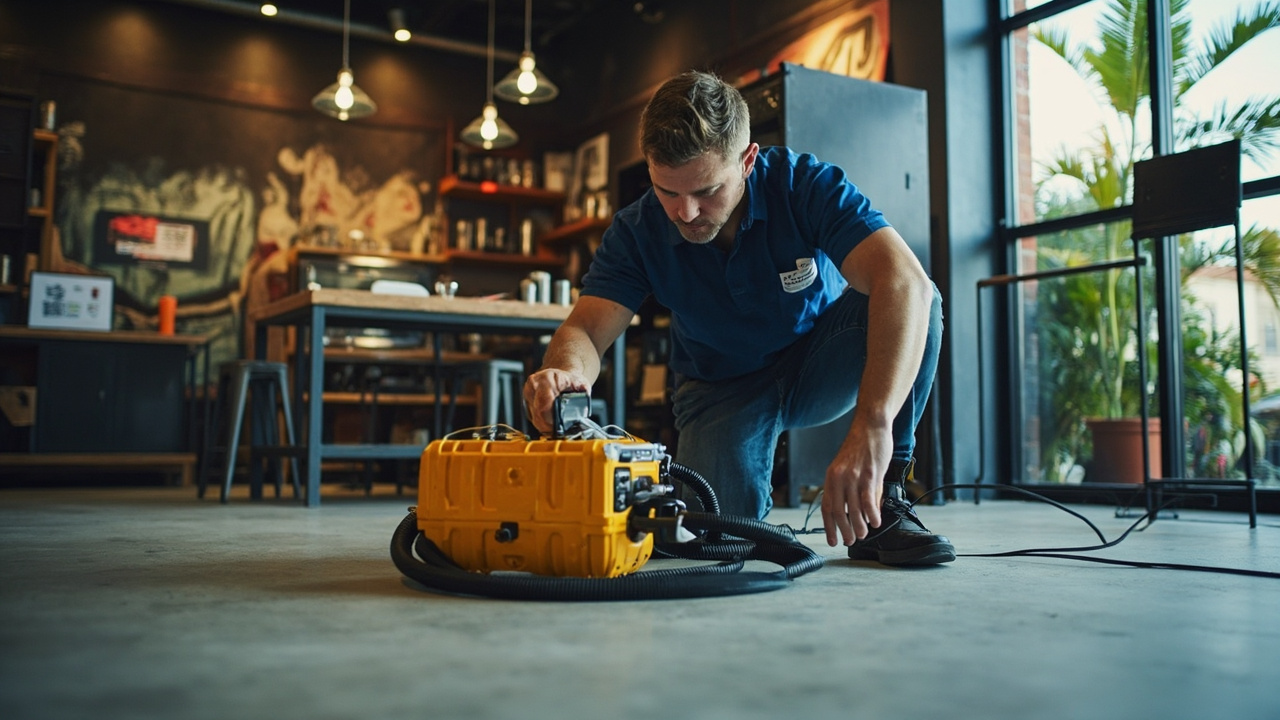
Emergency Main Water Line Repair for Wynwood Businesses

A main water line break in a high traffic area like the Wynwood Art District is more than a simple…

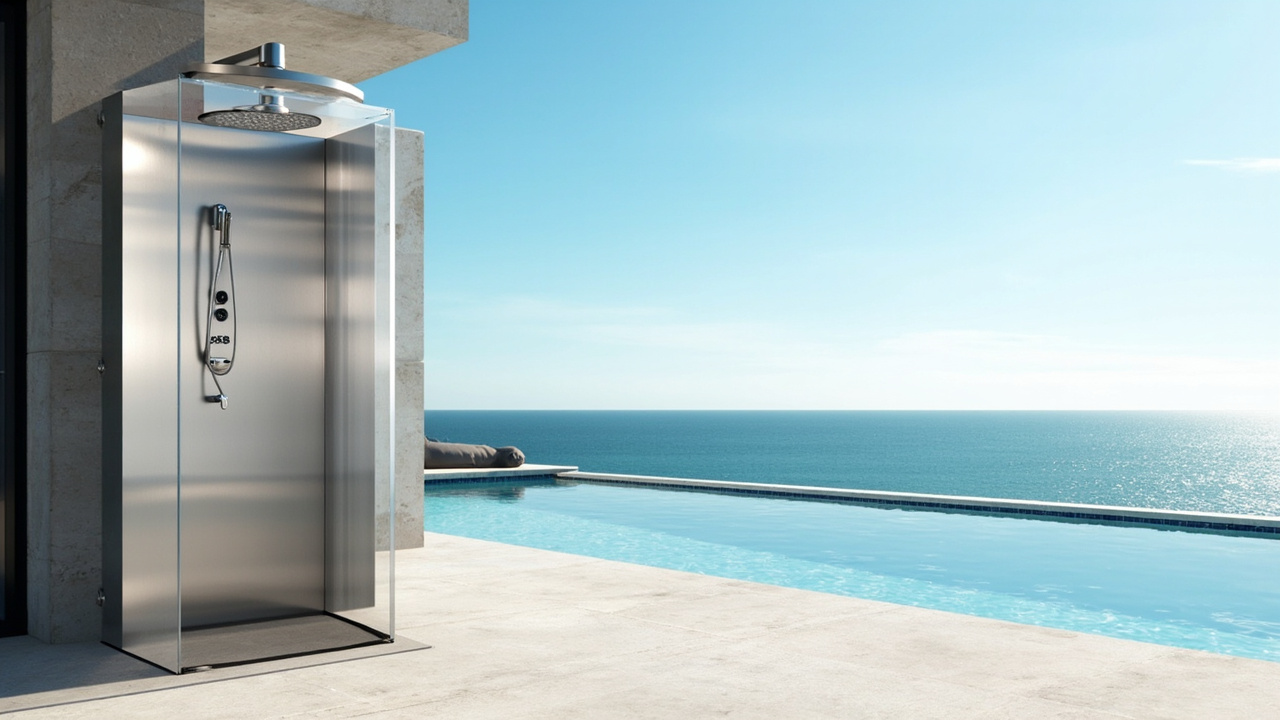
Picking the Right Type of Outdoor Shower for Your Golden Beach Waterfront Property

Living on the Atlantic coast in Golden Beach provides unparalleled access to the ocean, but the environment creates a unique…

How to Choose the Right Low Flow Showerhead That Still Has Great Pressure

How to Choose the Right Low Flow Showerhead That Still Has Great PressureMiami residents understand the value of water more…

Contact Us

Avoid county violations and protect your water quality. Call Cornerstone Plumbing Miami at (786) 789-8488 to schedule your annual backflow certification. We handle testing, reporting, and compliance documentation so you stay ahead of Miami-Dade requirements without the administrative headache.