




menu

Wet Spots in Yard Miami – Fast Diagnosis and Permanent Underground Leak Repair

When soggy patches appear in your Miami lawn, you need accurate leak detection and expert repair to stop water waste, foundation damage, and skyrocketing bills before the problem spreads underground.

Slider Image 1
Slider Image 2
Slider Image 3
Slider Image 4
Slider Image 5
Slider Image 7
Slider Image 8
Slider Image 9
Slider Image 10
Slider Image 11

Why Your Miami Lawn Stays Wet When It Shouldn't

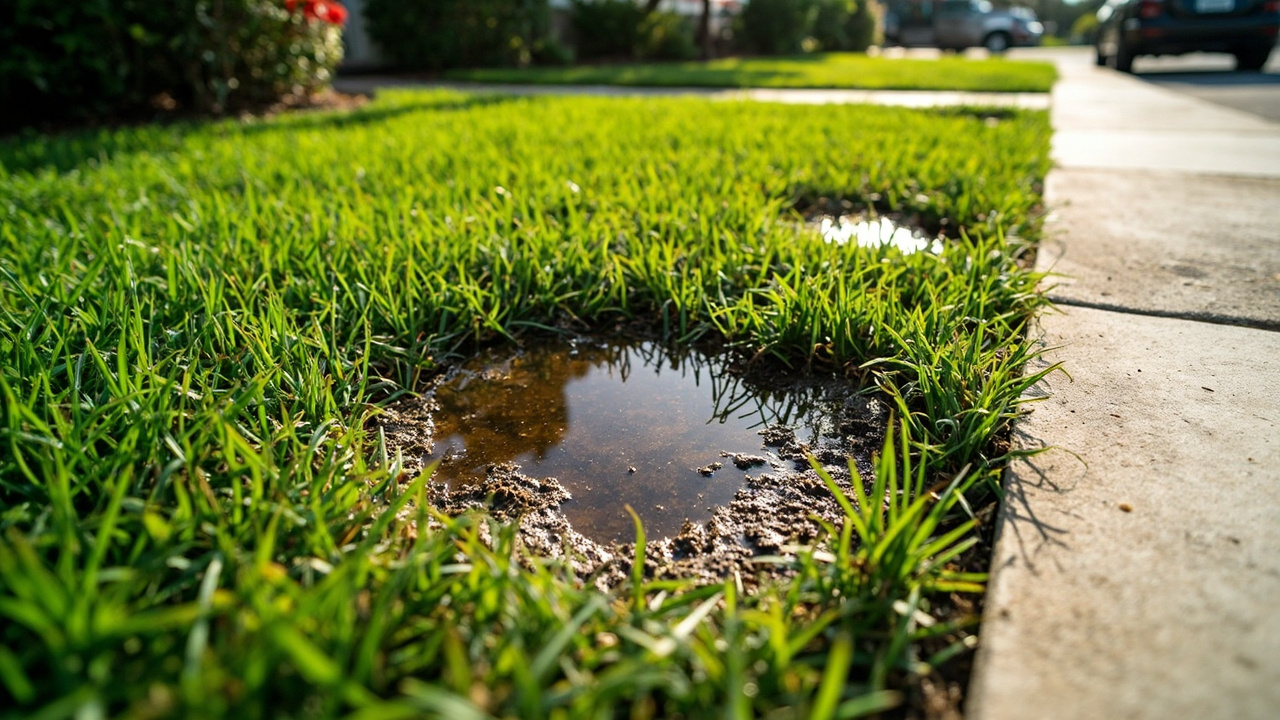
You water your lawn on schedule. You check the forecast. But those damp spots in your yard stay saturated no matter what you do. The grass feels spongy underfoot. Pooling water appears in areas that should drain fast. Your water bill climbs even though your usage habits haven't changed.

Miami's limestone bedrock and high water table make underground leaks hard to spot until they create visible damage. A cracked main line, corroded pipe joint, or failed irrigation connection can pump thousands of gallons into your soil before you notice. The city's tropical storms and heavy rainfall mask the symptoms. You assume the wet patches come from rain. They don't.

Unexplained standing water in your yard signals a leak you can't see. The water travels through porous soil and pools at the surface in low spots. Saturated areas in grass attract mosquitoes, kill roots, and create soft zones that sink under weight. If the leak sits near your foundation, hydrostatic pressure builds. Cracks form. Slabs shift. What starts as a soggy patch becomes a structural liability.

Miami's older neighborhoods, like Coral Gables and Little Havana, run on aging galvanized and clay pipe systems installed decades ago. Corrosion and root intrusion are common. Newer developments in Doral and Kendall use PEX and PVC, but ground settling and poor installation still cause failures. The longer you wait, the more water you lose and the more damage accumulates underground.

Why Your Miami Lawn Stays Wet When It Shouldn't
How We Locate and Fix Hidden Underground Leaks

How We Locate and Fix Hidden Underground Leaks

Guessing where a leak hides wastes time and destroys landscaping. We use electronic leak detection equipment to pinpoint the exact location without digging up your entire yard. Acoustic sensors listen for pressure changes in the pipe. Tracer gas injection identifies breaches in sealed lines. Thermal imaging cameras map temperature differentials caused by water flow. These tools eliminate the guesswork.

Once we locate the leak, we assess the pipe material, depth, and surrounding soil conditions. Miami's coral rock and hard limestone require specialized excavation techniques. We use hydro excavation when precision matters. High-pressure water loosens soil without damaging nearby utilities or roots. A vacuum system removes debris. This method keeps collateral damage minimal.

For repairs, we match the solution to the problem. A pinhole leak in copper gets a compression coupling or epoxy patch. A corroded section of galvanized pipe requires a full replacement with PEX or PVC. Cracked irrigation laterals get spliced and pressure-tested. We never apply a temporary fix and call it done. Every repair restores full line integrity.

After the repair, we backfill with compacted fill and restore the surface grade. We run a pressure test to confirm the line holds under normal operating conditions. You get documentation of the work, including photos of the damaged pipe and the completed repair. If the leak caused secondary damage to your lawn or hardscape, we coordinate with restoration contractors who understand Miami's soil and drainage requirements.

What Happens During a Leak Investigation

Wet Spots in Yard Miami – Fast Diagnosis and Permanent Underground Leak Repair
01

Initial Assessment and Meter Check

We start by reviewing your water bill history and checking your meter for continuous flow. You shut off all fixtures and appliances. If the meter dial keeps moving, you have a leak. We map the wet zones in your yard and mark irrigation lines, main water service routes, and any previous repair areas. This gives us a search grid.
02

Electronic Detection and Excavation

We deploy acoustic sensors and ground-penetrating radar to isolate the leak's exact coordinates. Once confirmed, we excavate the smallest trench necessary to access the damaged pipe. Hydro excavation protects surrounding utilities and tree roots. We expose the pipe, document the failure, and prepare the repair area for splicing or replacement work.
03

Repair and Pressure Testing

We cut out the damaged section and install a new fitting, coupling, or pipe segment. The connection is soldered, glued, or crimped per code. We pressurize the line and monitor for drops. Once the system holds steady, we backfill, compact the soil, and restore the surface. You get a clear yard and a leak-free water line.

Why Miami Property Owners Trust Local Leak Detection Experts

Miami's plumbing infrastructure is a mix of old and new, and the soil conditions vary block by block. Coral rock in Coconut Grove. Fill sand in Miami Beach. Clay pockets in Hialeah. A plumber who doesn't know the area will struggle to locate leaks efficiently and repair them correctly. We've worked in every Miami neighborhood and understand the pipe materials, soil types, and drainage patterns that affect underground leaks.

Local building codes require specific backflow prevention devices on irrigation systems. Miami-Dade County enforces strict cross-connection control regulations. If your leak involves a sprinkler line tied to your potable water supply, we ensure compliance during the repair. We pull permits when required and coordinate inspections so you don't face fines or compliance issues down the road.

We also understand the urgency. A hidden leak in Miami's heat doesn't just waste water. It creates breeding grounds for mosquitoes, damages hardscape, and stresses your foundation. We respond fast and work efficiently. Our trucks carry the fittings, pipe, and tools needed for same-day repairs on most residential leaks. You don't wait days for parts to arrive or for a crew to show up.

You want someone who treats your property with respect. We protect your landscaping, clean up the work area, and restore the surface to match the surrounding grade. If we dig, we dig clean. If we test, we test thoroughly. You get honest answers, transparent pricing, and a repair that lasts. No upselling. No shortcuts. Just the fix you need done right the first time.

What You Can Expect From Start to Finish

Response Time and Scheduling

We offer same-day and next-day service for leak investigations in Miami. When you call, we ask about the wet spots, your water bill, and any other symptoms. We schedule a visit that fits your availability. Most leak detection appointments take two to four hours depending on yard size and pipe complexity. If the leak is severe and causing active flooding, we prioritize emergency dispatch. You get a technician who arrives on time with the right equipment ready to go.

Detection Process and Cost Transparency

We start with a visual inspection and meter test. If we need to deploy electronic detection tools, we explain the process and provide a flat-rate quote for the investigation. You know the cost before we start. If we locate the leak during the initial visit, we give you a repair estimate on the spot. You approve the work before we excavate. No surprise charges. No hidden fees. You get a detailed breakdown of labor, materials, and any permit costs if applicable.

Quality of Work and Materials

We use code-compliant materials rated for Miami's soil conditions and water pressure. Copper, PEX, PVC, and CPVC are matched to the existing system. Fittings are installed per manufacturer specs. We don't use quick fixes like tape or clamps on pressurized lines. Every repair is pressure-tested to confirm it holds under normal and peak flow conditions. You get a system that works as designed without leaks or weak points.

Follow-Up and Documentation

After the repair, we provide photos of the damaged pipe and the completed work. You get a written summary of what we found, what we fixed, and what to monitor going forward. If the leak caused high water bills, we provide documentation you can submit to Miami-Dade Water and Sewer for a bill adjustment. We check back after the repair to confirm the wet spots have dried and your water usage has returned to normal. If you need maintenance or have questions, we're available by phone.

Frequently Asked Questions

You Have Questions,
We Have Answers

How do I fix a wet spot in my yard? +

First, identify the source. Check for broken sprinkler heads, leaking pipes, or poor grading. In Miami, high water tables and limestone bedrock often complicate drainage. If you find a leaking pipe, shut off water and call a licensed plumber immediately. For grading issues, regrade the area to slope away from your home. You can also install a French drain or catch basin to redirect water. Avoid planting shallow-rooted grass in these areas. If the wet spot persists after addressing surface issues, you likely have an underground leak that requires professional detection and repair.

What causes wet spots in the yard? +

Wet spots result from several factors common in Miami. Broken underground pipes or leaking irrigation lines are primary culprits. Miami's high water table means soil stays saturated longer, especially during rainy season. Poor yard grading creates low spots where water pools. Compacted soil from construction or heavy foot traffic prevents absorption. Overwatering from sprinkler systems compounds the problem. Septic system failures can also create wet areas. Limestone bedrock beneath Miami homes creates uneven drainage patterns. If the wet spot appears suddenly or grows larger, suspect a pipe leak requiring immediate professional assessment.

How to fix a muddy spot in yard? +

Stop watering the area immediately. Remove standing water with a pump if necessary. Spread a layer of sand or topsoil mixed with compost to improve drainage. In Miami's clay-rich soil, add gypsum to break up compaction. Aerate the muddy zone with a garden fork or aerator to improve water penetration. Install pavers or stepping stones for high-traffic areas. Consider planting water-tolerant native plants like muhly grass. If the mud returns quickly, you have a hidden leak or drainage failure. A plumber can camera-inspect underground lines to locate breaks without destructive digging.

How to fix water runoff in yard? +

Install a swale or berm to redirect water flow away from problem areas. French drains work well in Miami's terrain, channeling runoff to street drains or retention areas. Regrade your yard so water slopes away from your foundation at least six inches over ten feet. Add downspout extensions to move roof water farther from your home. Consider permeable pavers or gravel beds to absorb runoff. Rain gardens with native plants filter and absorb excess water naturally. If runoff originates from a neighbor's property, address grading issues cooperatively to prevent foundation damage or flooding.

How do I fix a swampy area in my yard? +

Swampy areas in Miami yards often indicate serious drainage problems or underground leaks. First, check for broken pipes or irrigation system failures. Install a sump pump in severe cases to remove standing water. French drains with perforated pipe and gravel provide long-term solutions. Raise the area with fill dirt and regrade for positive drainage. Miami's porous limestone allows water to percolate, but clay pockets trap moisture. Consider building a dry creek bed with river rock to channel water. If the swamp persists despite surface fixes, you need professional leak detection to find hidden pipe breaks.

Who is responsible for water leaks outside the house? +

Homeowners own pipes from the house to the property line. The municipality owns the main line in the street. You pay for repairs on your property, including service lines under driveways or yards. In Miami-Dade, if the leak occurs in the right-of-way before the meter, the county may handle it. Insurance rarely covers gradual leaks but may cover sudden pipe bursts. Condo associations typically handle building exterior plumbing. Landlords must fix leaks affecting rental properties. Document the leak location before repairs. If you suspect the main line, contact Miami-Dade Water and Sewer immediately.

What to put on the ground to absorb water? +

Sand improves drainage in Miami's heavy soil but does not absorb water. Spread a two-inch layer of coarse builder's sand over wet areas. Topsoil mixed with compost helps grass establish in drained zones. Lime or gypsum breaks up compacted clay soil. Mulch absorbs some moisture in garden beds but decomposes in wet conditions. For temporary fixes, kitty litter or sawdust soaks up small amounts. Do not use these as permanent solutions. If water keeps returning, you have a leak or grading problem requiring professional repair. Address the source before adding amendments.

Should you still water your lawn in October? +

In Miami, October marks the end of rainy season but grass still needs water. St. Augustine and Bahia grass require one inch weekly, including rainfall. Check soil moisture before watering. If the top two inches feel dry, water deeply. Miami's October temperatures stay warm, so turf continues active growth. Water early morning to reduce fungus risk from overnight moisture. Adjust sprinkler timers as rainfall decreases. Brown patches in October may indicate chinch bugs, not drought. If your yard stays wet in October without irrigation, you likely have a hidden leak requiring immediate plumber inspection.

Does dew on the grass mean no rain? +

Dew does not predict rain. Dew forms when humid Miami air contacts cool grass overnight. This happens on clear nights when temperatures drop and moisture condenses. Rain requires specific atmospheric conditions like low pressure systems and moisture aloft. You can have heavy dew and no rain for weeks during dry season. Conversely, rainy days often lack morning dew because cloud cover prevents overnight cooling. Dew on grass simply means high humidity, common year-round in Miami. If your grass stays wet all day without dew or rain, check for irrigation leaks or broken sprinkler heads causing constant moisture.

How to dry up a wet yard fast without drainage? +

Rent a sump pump to remove standing water quickly. Spread sand or topsoil to raise low spots. Aerate compacted soil with a garden fork to speed absorption. Rent a sod cutter to remove saturated grass, then regrade and resod. Use fans or leaf blowers to circulate air over wet areas. In Miami's humidity, this helps minimally. Avoid heavy traffic on wet turf. If the yard refills with water after pumping, you have an active leak. No surface fix works with broken pipes underneath. Camera inspection locates leaks fast without tearing up your entire yard.

How Miami's Limestone Bedrock and High Water Table Complicate Leak Detection

Miami sits on porous limestone with a water table that fluctuates between three and ten feet below grade depending on season and rainfall. When a pipe leaks underground, the water doesn't always pool directly above the break. It travels laterally through the limestone and surfaces in low spots or near drainage swales. This makes pinpoint detection difficult without electronic tools. The high water table also means excavation often involves dewatering and shoring to keep the trench stable while we work. Wet spots in your yard might indicate a leak fifty feet away from where the water appears.

Cornerstone Plumbing Miami has worked with residential and commercial properties across Dade County for years. We understand the quirks of Miami's aging water infrastructure and the challenges posed by coral rock, shallow water tables, and dense root systems from mature trees. Our technicians are trained in the latest leak detection methods and repair techniques specific to South Florida conditions. We work with local inspectors, coordinate with utility locators, and follow Miami-Dade plumbing codes to the letter. When you need a leak found and fixed right, you need someone who knows this city's ground.


Plumbing Services in The Miami Area

Easily locate Cornerstone Plumbing on the map and explore our primary service area. We are conveniently situated to provide swift and efficient plumbing services throughout Miami and its surrounding communities. Our strategically located operations ensure that a skilled technician is always nearby, ready to address your residential or commercial plumbing needs with promptness and unparalleled expertise, ensuring you receive timely and effective support whenever you need it most.

Address:
Cornerstone Plumbing Miami, 2332 Galiano St, Miami, FL, 33134

Additional Services We Offer

Our news updates

Latest Articles & News from The Blogs

A main water line break in a high traffic area like the Wynwood Art District is more than a simple…

Emergency Main Water Line Repair for Wynwood Businesses

A main water line break in a high traffic area like the Wynwood Art District is more than a simple…

Picking the Right Type of Outdoor Shower for Your Golden Beach Waterfront Property

Living on the Atlantic coast in Golden Beach provides unparalleled access to the ocean, but the environment creates a unique…

How to Choose the Right Low Flow Showerhead That Still Has Great Pressure

How to Choose the Right Low Flow Showerhead That Still Has Great PressureMiami residents understand the value of water more…

Contact Us

Wet spots don't fix themselves. Call Cornerstone Plumbing Miami at (786) 789-8488 for fast leak detection and expert repair. We locate the problem, explain your options, and restore your yard to dry, stable ground.