





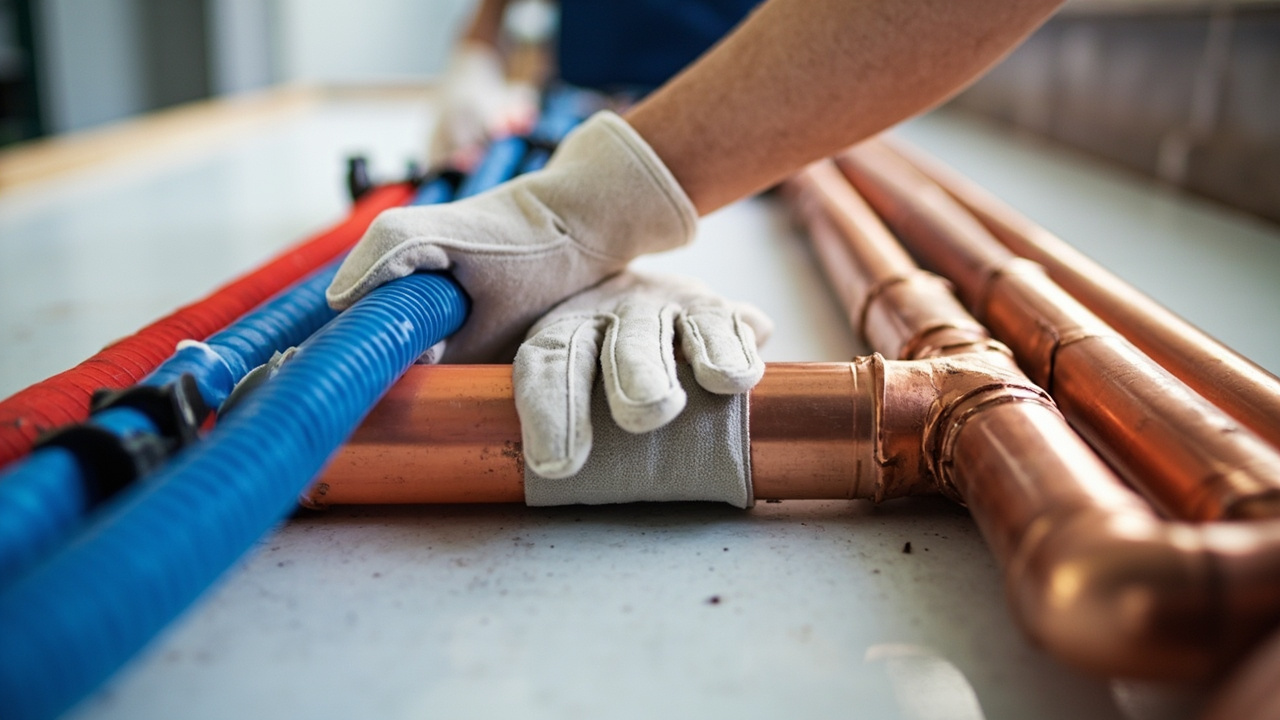
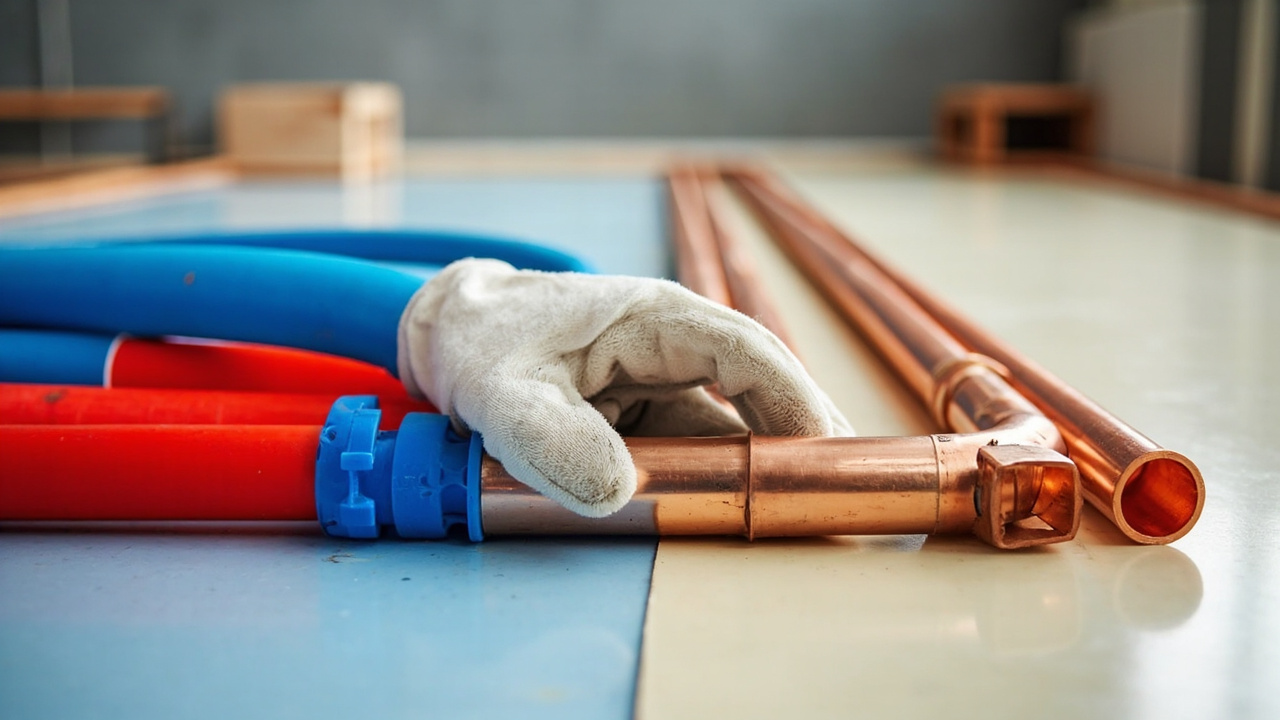
Miami sits on porous limestone with a shallow water table that ranges from three to 10 feet below grade. The Biscayne Aquifer provides municipal water, but saltwater intrusion has increased chloride levels across the county over the past 20 years. Coastal properties in Miami Beach, Key Biscayne, and Sunny Isles face higher chloride concentrations than inland properties. Copper tubing in these areas develops pitting corrosion faster because chloride ions break down the protective oxide layer that normally protects copper from water contact. PEX remains chemically inert regardless of chloride levels, which makes it the more durable choice in high-salinity zones. You need to factor in your distance from the ocean when comparing cross-linked polyethylene vs copper tubing for long-term performance.
Miami-Dade County maintains strict plumbing codes because of hurricane risk and the high water table that creates unique flooding challenges. Local inspectors know which materials hold up better in tropical conditions with high humidity and temperature extremes. Cornerstone Plumbing Miami works directly with plans examiners and field inspectors who evaluate our installations. This relationship ensures that our material recommendations align with current code interpretations and local amendment requirements. When you choose a contractor who operates exclusively in South Florida, you get expertise that applies directly to your environmental conditions rather than generic national best practices that do not account for saltwater exposure and limestone soil chemistry.