




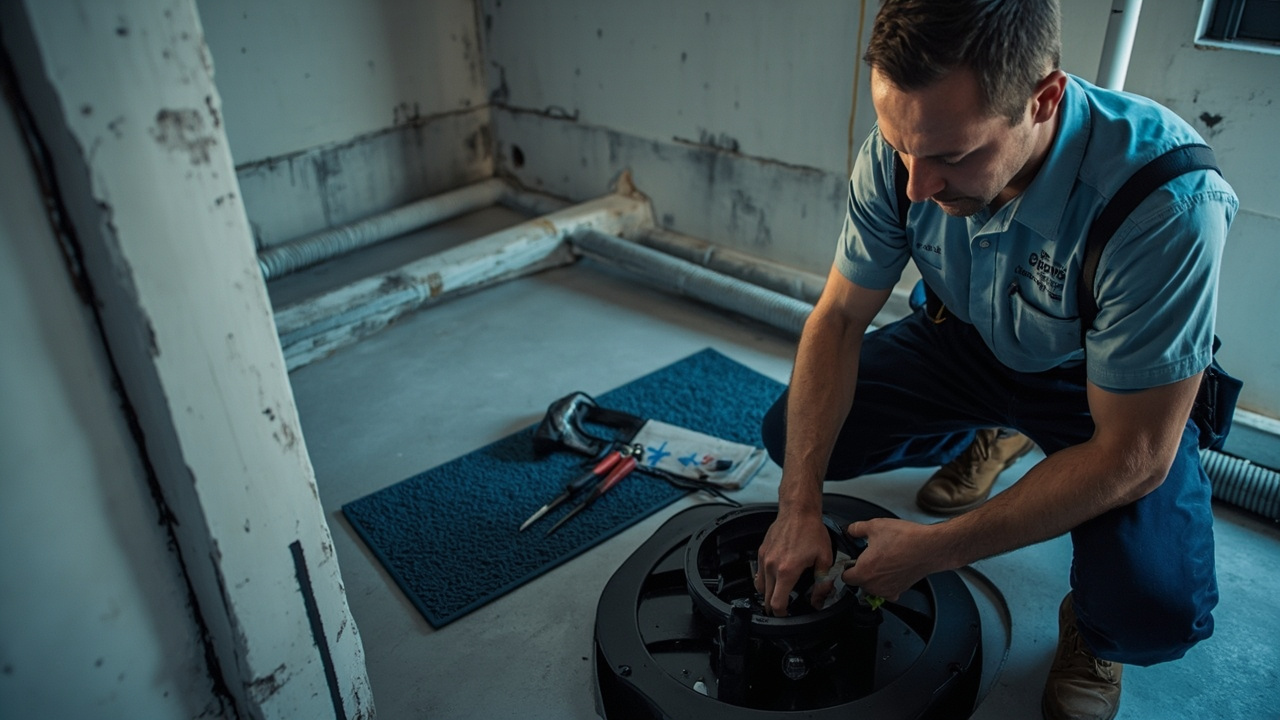


Miami averages only six feet above sea level, with many neighborhoods sitting even lower. The Biscayne Aquifer runs just below the surface, creating a water table that fluctuates with tides and rainfall. During king tides in October and November, seawater pushes inland through stormwater systems, raising the water table even in neighborhoods miles from the coast. Summer thunderstorms dump three to five inches of rain in under an hour, faster than soil can absorb. Without active sump pump systems removing this groundwater, it accumulates in crawl spaces and basements, creating hydrostatic pressure that cracks foundations and floods living spaces.
Miami-Dade County building codes require specific drainage provisions for properties in flood zones, but many older homes were built before current standards existed. As sea levels continue rising and king tides reach further inland, properties that never needed sump pumps now experience regular water intrusion. Local plumbing contractors who understand Miami's unique hydrology can properly size and install systems that account for tidal influences, stormwater surges, and the area's porous limestone bedrock. Generic pump installations fail quickly in this environment. Working with teams experienced in South Florida conditions ensures your system functions correctly when the next tropical storm stalls offshore.