




menu

Commercial Repiping Services in Miami – Minimize Downtime with Industrial-Grade Plumbing Solutions

Keep Your Miami Business Running with Expert Commercial Building Repiping That Prioritizes Speed, Code Compliance, and Operational Continuity Across All Property Types

Slider Image 1
Slider Image 2
Slider Image 3
Slider Image 4
Slider Image 5
Slider Image 7
Slider Image 8
Slider Image 9
Slider Image 10
Slider Image 11

Why Miami's Commercial Properties Face Accelerated Pipe Failure

Miami's aggressive saltwater air penetrates commercial buildings along Biscayne Bay and the Miami River corridor, corroding copper and galvanized pipes faster than in inland markets. High water table pressure combined with chlorine-heavy municipal water accelerates pinhole leaks in older systems. If your office tower, hotel, or warehouse was built before 1995, you likely have galvanized steel or early copper piping that is now reaching critical failure points.

Corrosion does not wait for convenient timing. A single pipe rupture in a commercial kitchen floods inventory. A failed line in a medical office shuts down operations and triggers health department scrutiny. Multi-tenant retail centers face liability when deteriorating pipes leak into neighboring suites. Miami-Dade County requires commercial plumbing systems to meet stringent backflow prevention and cross-connection control standards. Aging infrastructure rarely complies without full commercial pipe replacement.

Industrial repiping services address these vulnerabilities with modern materials engineered for high-volume, high-pressure demands. Commercial building repiping is not a residential job scaled up. It requires coordination with property managers, phased execution to protect revenue streams, and adherence to Florida Building Code Chapter 4 for commercial occupancies. Business pipe replacement decisions hinge on capacity planning, future tenant needs, and minimizing insurance claims. Delaying a commercial plumbing repipe compounds risk and amplifies eventual project costs when emergency failures force reactive work.

Why Miami's Commercial Properties Face Accelerated Pipe Failure
How We Execute High-Capacity Commercial Repiping Without Halting Operations

How We Execute High-Capacity Commercial Repiping Without Halting Operations

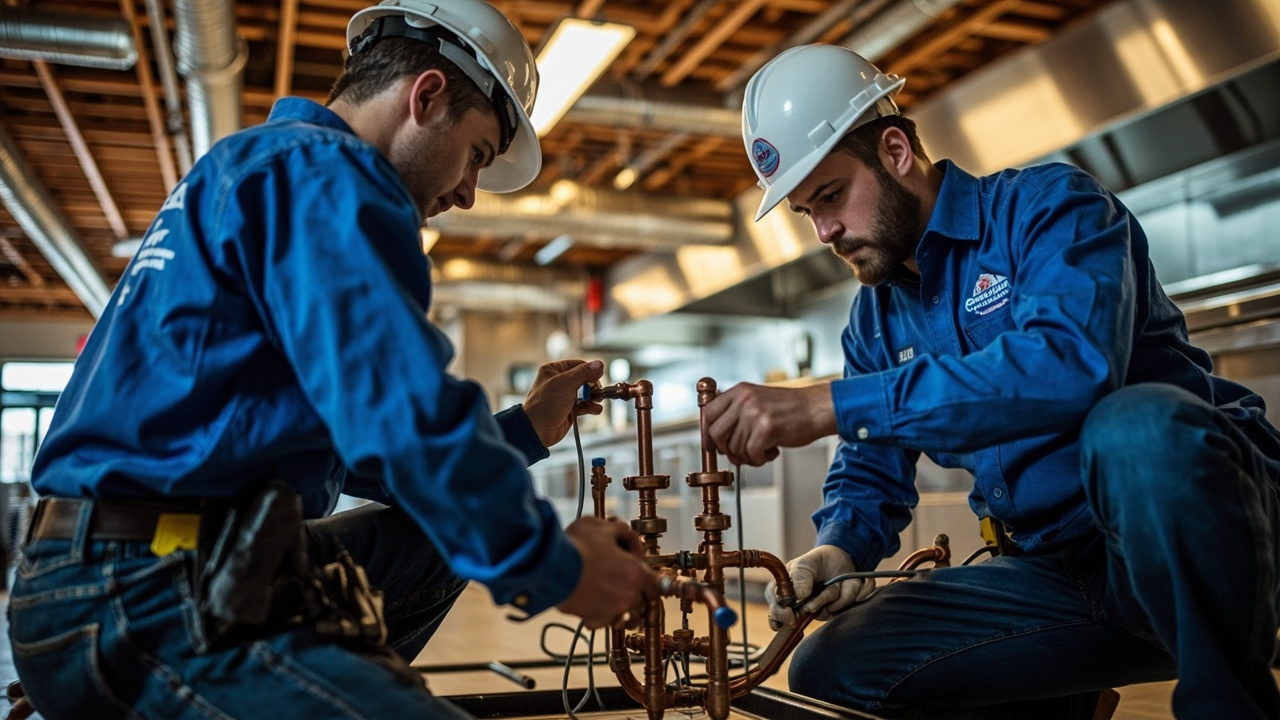
Cornerstone Plumbing Miami approaches commercial plumbing repipe projects with surgical precision. We begin with a pressure test and video camera inspection to map every compromised joint, corroded elbow, and failing vertical chase. This diagnostic phase identifies which zones demand immediate attention and which sections can be phased to align with your lease schedules or seasonal business cycles.

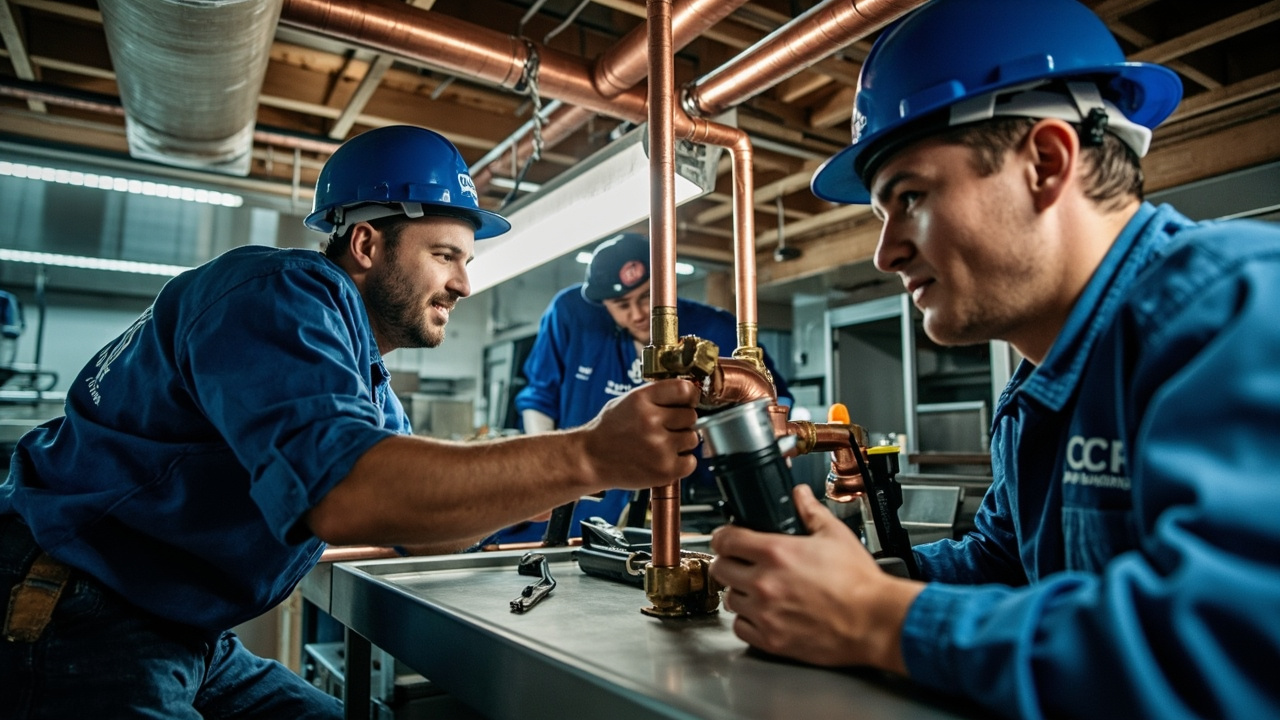
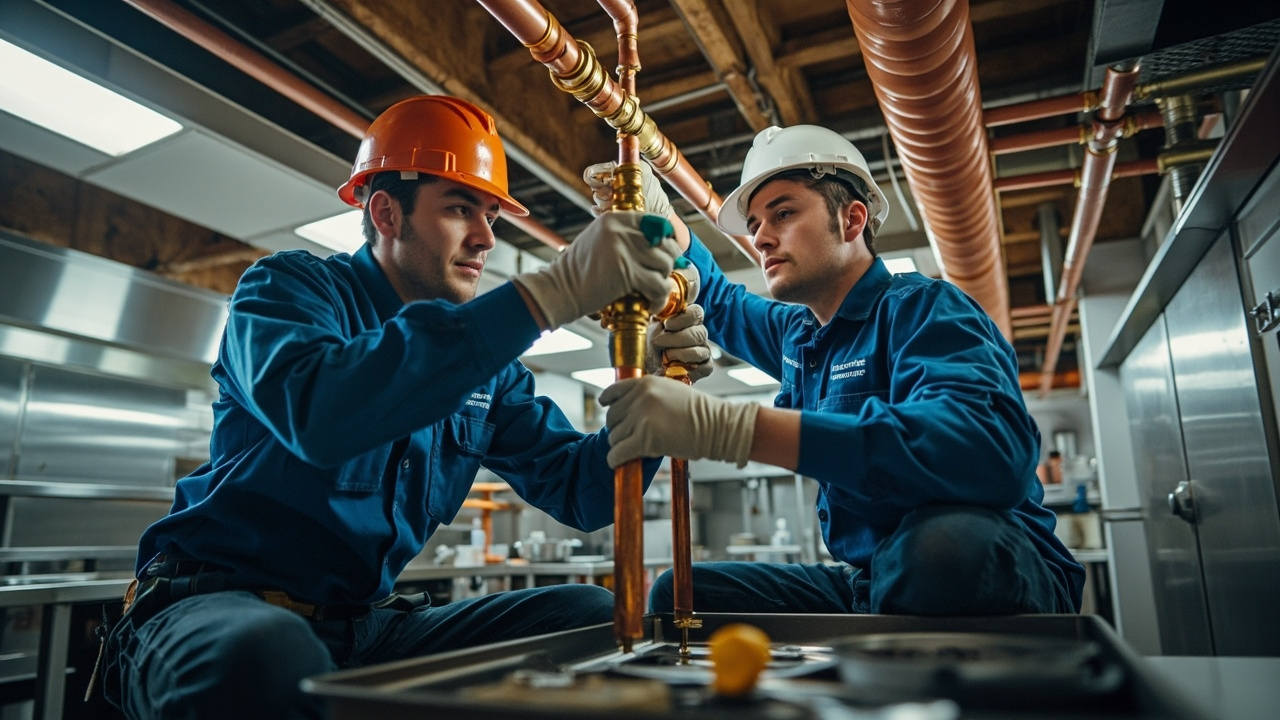
We work in sequence with your operational calendar. Hotels can have floors repiped during low-occupancy periods. Restaurants can have kitchen supply lines replaced during closed hours. Office buildings can have risers replaced floor by floor, maintaining service to occupied suites through temporary bypasses. Our crews use Type L copper, PEX, or CPVC depending on water chemistry, pressure requirements, and code mandates for your occupancy classification.

All commercial pipe replacement work includes coordination with fire sprinkler systems, backflow assemblies, and grease interceptors. We pull permits through Miami-Dade Building and comply with the South Florida Water Management District's cross-connection control regulations. Our project managers communicate daily with facility directors to adjust schedules around tenant move-ins, inspections, or high-traffic events.

Industrial repiping services require redundancy planning. We install isolation valves at strategic points so future repairs do not cascade into building-wide shutdowns. We pressure test each zone to 150 PSI before final inspection, document all materials for your facility records, and provide as-built drawings that update your building's plumbing schematics. This is not patchwork. It is infrastructure designed for decades of uninterrupted service.

What Commercial Building Repiping Looks Like From Planning to Final Inspection

Commercial Repiping Services in Miami – Minimize Downtime with Industrial-Grade Plumbing Solutions
01

Site Assessment and Load Calculation

We evaluate your existing water supply capacity, fixture unit counts, and peak demand periods. Using hydrostatic pressure testing and flow meters, we determine whether the incoming water service can support new distribution piping or if service line upgrades are required. We review building plans, identify asbestos-wrapped pipes that require abatement coordination, and calculate material staging needs to avoid disrupting loading docks or tenant access. This phase includes a written scope detailing phasing options, code compliance requirements, and timeline projections.
02

Phased Installation and Coordination

Our crews repipe in sections, isolating work zones with temporary shutoffs and maintaining service to unaffected areas. We coordinate with HVAC contractors if chilled water lines share chases, notify tenants 72 hours before scheduled shutdowns, and install piping during off-peak hours when building occupancy is low. All penetrations through fire-rated walls receive proper firestop materials per NFPA 101. We test each completed section independently before moving to the next zone, ensuring no cascading failures delay your project timeline or expose you to liability.
03

Testing, Inspection, and Documentation

After installation, we conduct a 24-hour pressure hold test at 150 PSI to verify joint integrity. A county inspector reviews all work for code compliance before we close walls or ceilings. You receive as-built drawings, material certifications, and a digital record of all replaced piping. We walk facility managers through new valve locations and shutoff procedures, and provide a maintenance schedule for backflow testing and pressure relief valve inspection. Your building is now equipped with a documented, compliant plumbing system that supports operational continuity and reduces insurance risk.

Why Miami Facility Managers Choose Cornerstone Plumbing Miami for Business-Critical Repiping

Commercial property failures do not allow for trial and error. You need a plumbing contractor who understands Miami-Dade's stringent mechanical codes, coordinates with building officials without delays, and executes on a schedule that protects your revenue. Cornerstone Plumbing Miami has repiped hotels in Miami Beach, medical buildings in Coral Gables, and industrial warehouses in Doral, all while maintaining tenant satisfaction and passing inspections on the first submission.

We know that Miami's high water table complicates below-grade piping. We account for hydrostatic pressure when sizing drainage systems and install proper backwater valves to prevent flooding during king tide events or heavy summer storms. Our crews are fluent in the Florida Building Code's commercial plumbing provisions and Miami-Dade's amendments for hurricane-prone regions. We install seismic bracing on vertical risers, even though it exceeds minimum code, because we build for longevity.

Our project managers communicate in plain terms. You get a detailed timeline, a transparent cost breakdown, and daily progress updates. If unexpected conditions arise, like concealed cast iron that must be removed, we present options immediately rather than halting work and inflating costs. We maintain relationships with local inspectors and expedite permit approvals through accurate submissions and thorough documentation.

Choosing a local contractor means faster response times when issues arise and accountability that national chains cannot match. We are in Miami year-round, not rotating crews from other states. Your facility is part of our service area, and your operational continuity is our reputation.

What to Expect During Your Commercial Plumbing Repipe Project

Project Timeline and Scheduling Flexibility

Commercial building repiping timelines depend on square footage, occupancy levels, and the complexity of your existing system. A small office building may take two weeks with phased shutdowns. A hotel or hospital can require months of carefully sequenced work to avoid disrupting guests or patients. We provide a detailed Gantt chart that shows each phase, coordinate around your peak business periods, and adjust schedules when tenant move-ins or inspections require flexibility. Our goal is to complete the project without forcing you to close, relocate tenants, or lose revenue.

Initial Assessment and Scope Definition

We start with a walkthrough to identify all water supply lines, drainage systems, and code compliance gaps. Using video inspection and pressure testing, we pinpoint corroded sections, undersized piping, and areas where future failures are imminent. You receive a written report detailing findings, code violations, and recommended solutions. This assessment phase prevents scope creep by identifying all issues upfront, allowing you to budget accurately and avoid surprise costs mid-project. We also coordinate with your insurance carrier if loss history or risk mitigation credits apply to the repiping investment.

Quality of Materials and Installation Standards

We install Type L copper for high-pressure applications, PEX for flexible routing in tight chases, and CPVC where fire rating and chemical resistance are priorities. All materials meet ASTM standards and Florida Building Code approvals. Our brazed joints on copper exceed soldered connections in strength and longevity. We install pressure-reducing valves where municipal supply exceeds safe operating limits and add expansion tanks to prevent hydraulic shock. Every fitting, valve, and length of pipe is documented for your facility records, and all work is pressure tested before concealment to ensure zero defects at handover.

Post-Installation Support and Maintenance Planning

After final inspection, we provide a maintenance schedule for backflow device testing, pressure relief valve inspection, and water heater flushing. We mark all new shutoff valves with durable tags and update your building's plumbing schematics with as-built drawings. If a leak or pressure issue arises after completion, we respond immediately to diagnose and resolve it without disrupting tenants. We also offer annual service agreements that include preventive inspections, priority scheduling, and discounted rates on future repairs, giving you predictable maintenance costs and protecting your investment in the new plumbing infrastructure.

Frequently Asked Questions

You Have Questions,
We Have Answers

How much does it cost to repipe a 2500 square foot house? +

Commercial repiping costs depend on building size, pipe material, access difficulty, and Miami's unique requirements. A 2500 square foot commercial space typically requires evaluating total fixture count, fixture units, and distribution complexity rather than just square footage. Copper systems cost more upfront but last decades in Miami's humid climate. PEX and CPVC offer faster installation and lower labor costs. Multi-story buildings increase costs due to vertical runs and wall access. Factor in permit fees, mandatory inspections, and potential business downtime during installation. Request itemized quotes from licensed contractors who understand Miami-Dade plumbing code amendments for accurate pricing.

How to avoid getting ripped off by a plumber? +

Protect your business by verifying the contractor holds an active Miami-Dade County plumbing license and liability insurance. Request detailed written estimates that itemize materials, labor, permits, and timeline before work begins. Avoid contractors who demand full payment upfront or push unnecessary upgrades. Check references from other commercial clients in Miami. Ensure the quote includes permit acquisition and inspection coordination. Legitimate contractors explain code requirements clearly and document pre-existing conditions with photos. Get multiple bids for comparison. Verify they pull proper permits through Miami-Dade County. Never pay cash only. Professional contractors provide warranty documentation and detailed invoices.

What does commercial plumbing mean? +

Commercial plumbing handles larger, more complex water supply and drainage systems for businesses, offices, restaurants, retail spaces, and multi-tenant buildings in Miami. Unlike residential work, commercial systems serve higher fixture counts, require pressure-reducing valves for tall buildings, and meet stricter code standards for public health. Commercial plumbers design systems for heavy daily use, install grease traps for food service, coordinate with fire suppression systems, and ensure ADA compliance. Miami's commercial projects demand knowledge of hurricane-rated installations, backflow prevention for city connections, and phased work schedules that minimize business disruption. Commercial licensing requires additional testing and experience beyond residential qualifications.

Does repiping lower insurance? +

Repiping a commercial building can reduce insurance premiums by eliminating claims risk from failing pipes. Miami insurers often charge higher rates for properties with galvanized steel or deteriorating copper systems due to water damage liability. New piping systems demonstrate proactive risk management and reduce catastrophic loss potential. Provide your insurer with contractor documentation, inspection certificates, and material warranties after completion. Some carriers require updated plumbing before renewing coverage on older Miami buildings. While not guaranteed, premium reductions of 5-15% are possible depending on your carrier and building age. Document everything for your insurance adjuster during policy renewal negotiations.

What is the most expensive plumbing job? +

Complete commercial repiping ranks among the costliest plumbing projects due to scope, materials, labor intensity, and business disruption. Miami high-rises require extensive vertical piping, wall demolition, restoration, and coordinated shutdowns across multiple floors. Other expensive jobs include main sewer line replacement under paved areas, installing commercial grease interceptors, and upgrading fire suppression systems. Emergency repairs to main water lines serving entire buildings rack up costs quickly due to after-hours rates and excavation needs. The complexity of accessing concealed pipes in finished commercial spaces, meeting current code standards, and maintaining business operations during installation drives costs higher than standard repairs.

Does homeowners insurance cover leaking copper pipes? +

Homeowners insurance typically excludes gradual leaks from aging copper pipes but may cover sudden, accidental discharge events. Review your commercial property policy carefully. Most insurers deny claims for maintenance-related failures like pinhole leaks from Miami's corrosive water chemistry or electrolysis deterioration. Coverage applies to resulting water damage if the leak was sudden and unforeseeable. Document everything immediately with photos and stop water flow to mitigate damage. Policies often require proof of regular maintenance and inspection. Buildings with known aging pipe systems face higher premiums or exclusions. Discuss coverage specifics with your agent before problems occur.

What not to say to a general contractor? +

Avoid vague requests like "make it nice" without defining specifications. Never withhold building access schedules, existing condition problems, or budget constraints. Do not ask contractors to skip permit processes or work off the books in Miami. Avoid saying "just match what was there" when current code requires upgrades. Never admit you have not researched typical costs or are unfamiliar with the work scope. Do not request itemized bids then hire based solely on lowest price without verifying qualifications. Avoid mentioning other bids during negotiations as leverage. Never suggest paying cash to avoid taxes. Professional relationships require transparency and mutual respect.

What is the 135 rule for plumbing? +

The 135 rule refers to IRC plumbing code Section 135 governing minimum plumbing facilities required for occupancy. This applies primarily to residential construction rather than commercial projects in Miami. Commercial buildings follow IPC (International Plumbing Code) and Florida Building Code amendments that dictate fixture counts based on occupancy type and expected usage. Miami-Dade County enforces specific amendments beyond base codes. Commercial spaces require calculations using fixture units, which assign values to each plumbing fixture based on water demand. Proper fixture counts prevent system overload and ensure adequate service during peak use periods across all building occupants.

What is the $5000 rule for HVAC? +

This question relates to HVAC tax deductions rather than plumbing. The $5000 threshold typically references IRS capitalization rules where repairs under this amount may qualify as deductible expenses rather than capital improvements. For commercial properties in Miami, consult your CPA about Section 179 deductions and depreciation schedules. Building system improvements including plumbing and HVAC may qualify for accelerated depreciation. Major repiping projects usually exceed this threshold and require capitalization over multiple years. Tax treatment depends on whether work constitutes repair, maintenance, or improvement. Always document project scope and costs for accurate tax reporting and potential energy efficiency credits.

Can a plumber make $100,000 a year? +

Yes. Experienced commercial plumbers in Miami regularly earn six figures through specialization, licensure, and business ownership. Master plumbers commanding commercial projects, managing crews, and handling complex installations for high-rises or industrial facilities earn substantial incomes. Miami's construction boom, hurricane recovery demand, and aging infrastructure create consistent commercial work. Plumbers specializing in medical gas systems, backflow certification, or commercial kitchen installations command premium rates. Business owners with multiple crews and commercial contracts exceed $100,000 annually. The trade requires years of apprenticeship, licensing exams, continuing education, and physical demands, but offers strong earning potential without traditional four-year degrees.

How Miami's Saltwater Air and High Water Table Accelerate Commercial Pipe Corrosion

Miami's coastal environment exposes commercial buildings to salt-laden humidity that infiltrates mechanical spaces and accelerates corrosion on exposed copper and galvanized piping. Properties within two miles of Biscayne Bay or the Atlantic face the harshest conditions, where metal fittings degrade 40 percent faster than inland locations. The region's high water table also creates hydrostatic pressure on below-grade piping, causing joint failure and infiltration in aging drainage systems. Commercial plumbing repipe projects in Miami must account for these environmental factors by specifying corrosion-resistant materials, proper venting, and drainage systems designed to handle groundwater intrusion during seasonal flooding.

Miami-Dade County enforces some of the strictest plumbing codes in Florida, including mandatory backflow prevention for all commercial properties and annual testing of cross-connection control devices. Industrial repiping services must comply with the Florida Building Code's amendments for high-velocity hurricane zones, which require additional bracing and anchoring on vertical piping runs. Local contractors who understand these requirements navigate permitting faster, avoid costly rework, and ensure your project passes inspection on the first review. Choosing a Miami-based team means working with professionals who have established relationships with county inspectors and understand the nuances of local enforcement.

Plumbing Services in The Miami Area

Easily locate Cornerstone Plumbing on the map and explore our primary service area. We are conveniently situated to provide swift and efficient plumbing services throughout Miami and its surrounding communities. Our strategically located operations ensure that a skilled technician is always nearby, ready to address your residential or commercial plumbing needs with promptness and unparalleled expertise, ensuring you receive timely and effective support whenever you need it most.

Address:
Cornerstone Plumbing Miami, 2332 Galiano St, Miami, FL, 33134

Additional Services We Offer

Our news updates

Latest Articles & News from The Blogs

A main water line break in a high traffic area like the Wynwood Art District is more than a simple…

Emergency Main Water Line Repair for Wynwood Businesses

A main water line break in a high traffic area like the Wynwood Art District is more than a simple…

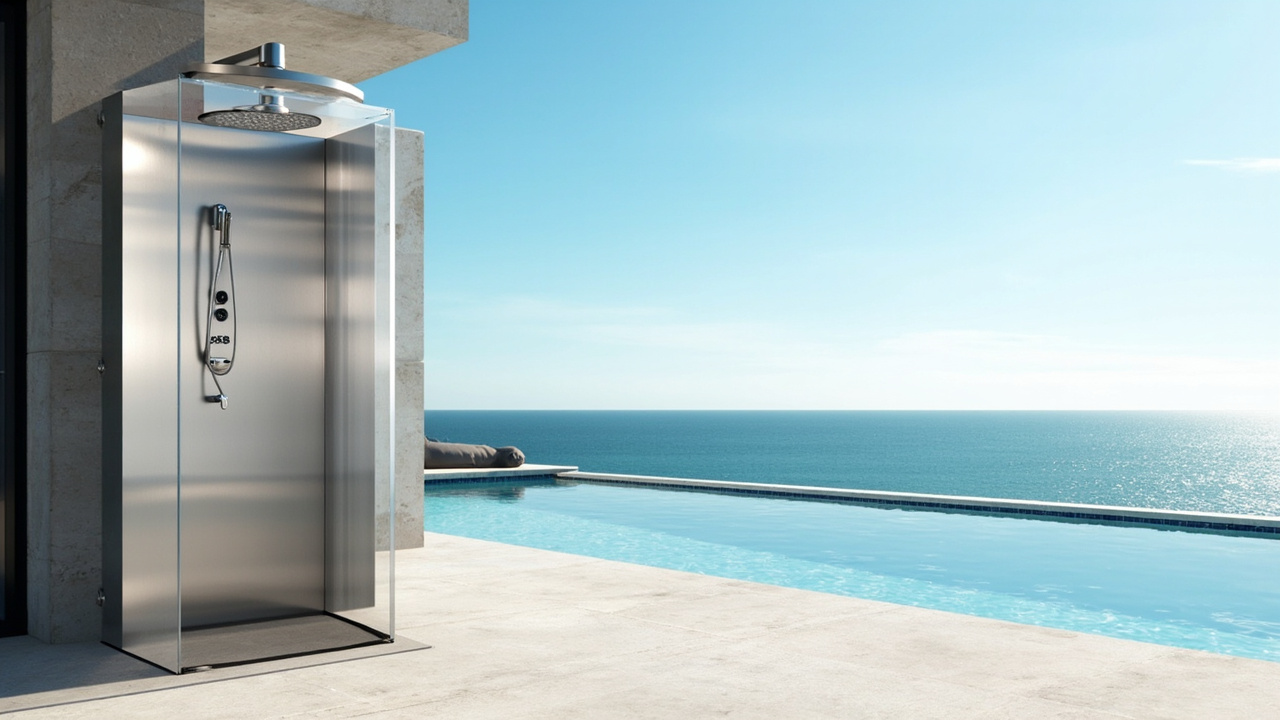
Picking the Right Type of Outdoor Shower for Your Golden Beach Waterfront Property

Living on the Atlantic coast in Golden Beach provides unparalleled access to the ocean, but the environment creates a unique…

How to Choose the Right Low Flow Showerhead That Still Has Great Pressure

How to Choose the Right Low Flow Showerhead That Still Has Great PressureMiami residents understand the value of water more…

Contact Us

Do not wait for a catastrophic pipe failure to force reactive decisions. Call Cornerstone Plumbing Miami at (786) 789-8488 to schedule a commercial plumbing assessment. We will evaluate your system, provide a transparent cost estimate, and design a repiping solution that keeps your business running.