




menu

How to Shut Off Main Water Valve in Miami – Step-by-Step Guide for Homeowners

Learn exactly where to find your main water shut off valve and how to close it quickly during plumbing emergencies, burst pipes, or major repairs in South Florida homes.

Slider Image 1
Slider Image 2
Slider Image 3
Slider Image 4
Slider Image 5
Slider Image 7
Slider Image 8
Slider Image 9
Slider Image 10
Slider Image 11

Why Every Miami Homeowner Needs to Know Their Main Water Shut Off Location

You wake up to water pooling in your kitchen. A supply line just burst under the sink, and water is flooding across your tile floor. You need to stop the flow immediately, but you have never turned off your main water supply before.

This scenario happens daily across Miami-Dade County. Older homes in Coral Gables and Little Havana often have corroded galvanized pipes that fail without warning. Newer construction in Brickell and Edgewater faces different issues. High-rise condos sometimes have confusing valve configurations that leave residents unsure which valve controls their unit versus the entire building.

Miami's subtropical climate adds another layer of complexity. The constant humidity accelerates corrosion on gate valves and ball valves, particularly in outdoor meter boxes where moisture accumulates. Many homes built before 1980 have main shut off valves buried in overgrown landscaping or hidden behind decades of paint in utility closets.

Knowing how to turn off water to the whole house is not optional. It is essential emergency knowledge that prevents thousands of dollars in water damage. A burst washing machine hose or failed water heater can dump 10 gallons per minute into your home. Every minute you spend searching for the shut off valve adds another 10 gallons to the damage total.

The main water shut off valve is your first line of defense. It stops water flow to every fixture, appliance, and pipe in your home. You need to locate it today, before an emergency forces you to learn during a crisis.

Why Every Miami Homeowner Needs to Know Their Main Water Shut Off Location
Where to Find Your Main Water Shut Off Valve in Miami Homes

Where to Find Your Main Water Shut Off Valve in Miami Homes

Miami homes typically have the main shut off valve in one of three locations. Each location presents different challenges for homeowners trying to close the main water shut off valve quickly.

The most common location is at the water meter box near the street. Miami-Dade County requires meters at the property line, usually in a concrete or plastic box set flush with the lawn. You will see two valves here. The valve on the street side belongs to the water department. Never touch that valve. The valve on your house side is your main shut off. This valve often sits in standing water or dirt, making it difficult to turn without proper preparation.

The second location is inside your home, where the main water line enters the building. In single-family homes, check the garage, utility room, or under the kitchen sink. The valve sits on the main supply line, usually a 1-inch copper or PVC pipe. Older Miami homes may have the valve in a crawl space or partially buried in a concrete floor.

High-rise condos and townhomes add complexity. Your unit may have an individual shut off valve inside a hallway closet or bathroom. You may also have a building-wide valve in a shared mechanical room. Check your condo documents or ask building management to clarify which valve controls your unit.

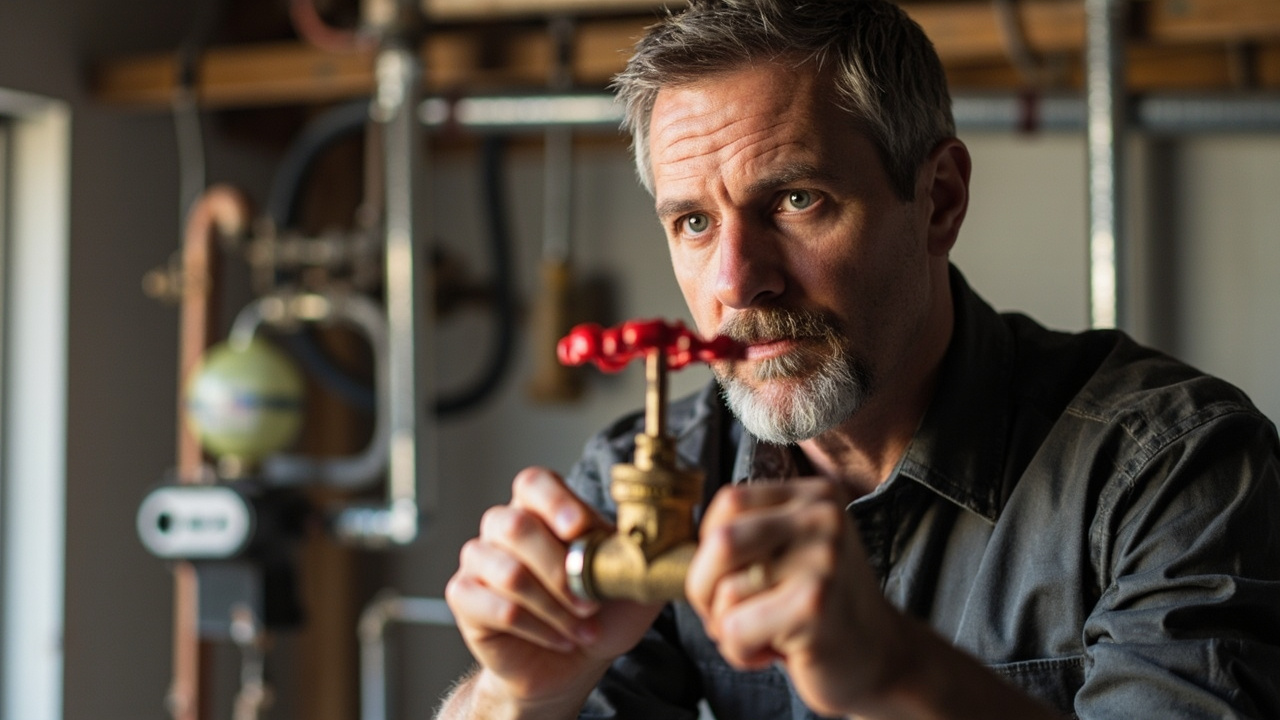
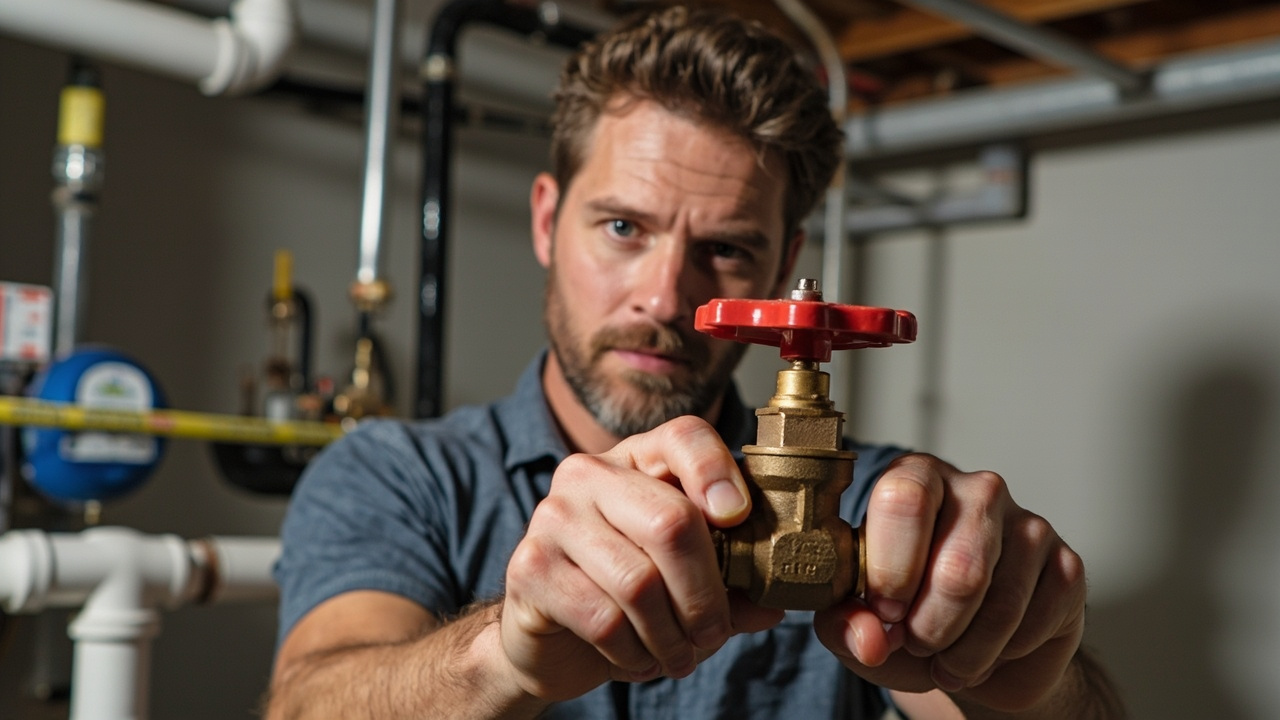
Turning off house water main requires identifying the valve type. Gate valves have a round handle that turns multiple rotations. Ball valves have a lever handle that turns 90 degrees. Ball valves provide more reliable shut off because they create a complete seal with a quarter turn. Gate valves can fail to close completely if the internal gate has corroded.

How to Properly Shut Off Your Main Water Supply

How to Shut Off Main Water Valve in Miami – Step-by-Step Guide for Homeowners
01

Locate and Prepare

Find your main shut off valve during daylight hours, not during an emergency. Clear any vegetation, debris, or storage items blocking access. If the valve sits in a meter box, remove standing water with a cup or wet vacuum. Test the valve by turning it slightly to confirm it moves freely. Corroded valves may need penetrating oil applied 24 hours before attempting a full shut off. Take a photo of the valve location and share it with everyone in your household.
02

Turn the Valve

For gate valves, turn the round handle clockwise until it stops. This typically requires 5 to 10 full rotations. Do not force the valve past its stopping point, as this can damage the internal mechanism. For ball valves, rotate the lever handle 90 degrees clockwise until it sits perpendicular to the pipe. The lever should align with a stop tab. After closing the valve, open a faucet on the lowest floor of your home to confirm water flow has stopped and to release pressure from the system.
03

Verify and Document

Check multiple fixtures throughout your home to confirm complete shut off. Water may continue to trickle for 30 to 60 seconds as pipes drain. If water continues flowing after two minutes, the valve is not seating properly and may need replacement. Document the valve's condition. If you notice significant corrosion, difficulty turning, or incomplete shut off, schedule a plumber to replace the valve before an emergency forces the issue. A failing main shut off valve is a critical safety hazard.

Common Miami Water Valve Problems and Professional Solutions

Miami's coastal environment creates unique challenges for main water shut off valves. Salt air accelerates corrosion on metal components, particularly on older brass and iron valves. Homes within two miles of Biscayne Bay or the Atlantic Ocean face the most aggressive corrosion rates.

Many Miami homes still have original galvanized steel or brass gate valves installed 30 to 50 years ago. These valves develop internal scale buildup from our hard water supply. The calcium and magnesium in Miami's water creates mineral deposits that prevent the gate from closing completely. You turn the handle, but water continues flowing because the gate cannot seat against the corroded valve body.

Cornerstone Plumbing Miami encounters this situation multiple times per week. Homeowners discover their main shut off does not work during a plumbing emergency, forcing us to coordinate with Miami-Dade Water and Sewer to shut off water at the street. This adds time and complexity to what should be a simple repair.

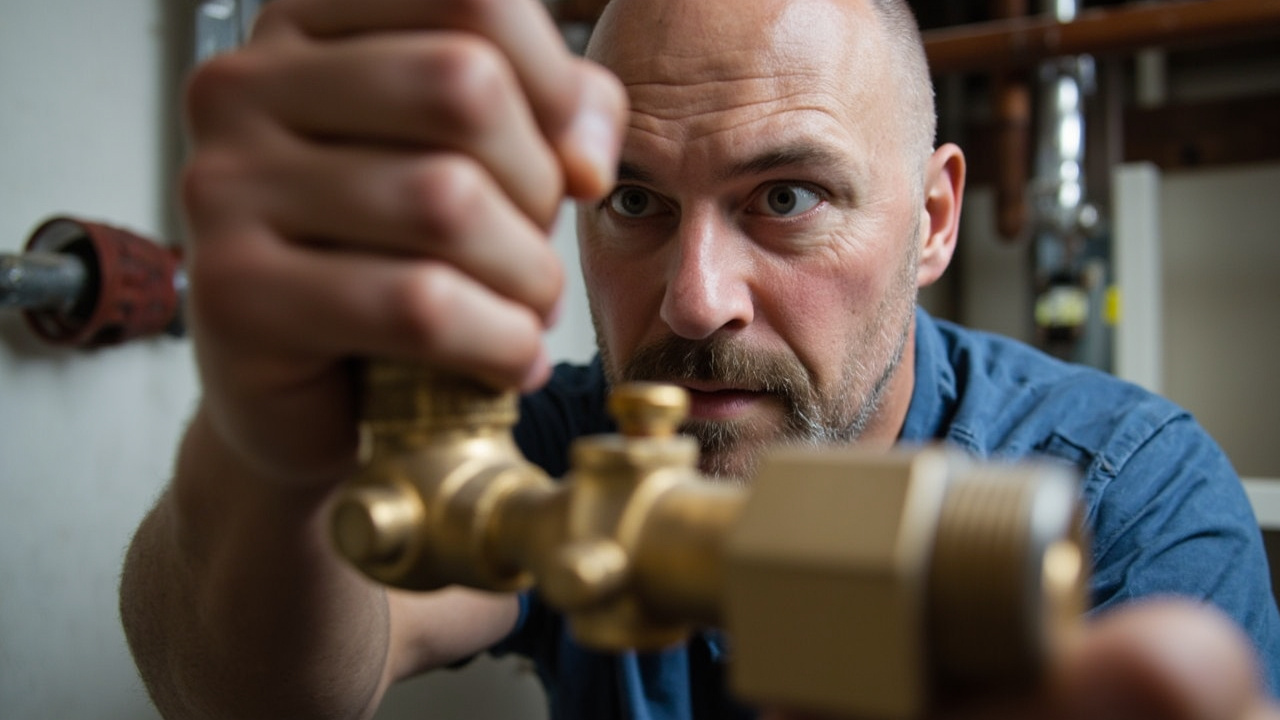
The solution involves replacing the old gate valve with a modern quarter-turn ball valve. Ball valves use a rotating sphere with a hole through the center. When you turn the lever 90 degrees, the sphere rotates to block water flow completely. The design eliminates the scale buildup problems that plague gate valves.

We recommend ball valves with stainless steel trim for Miami installations. The stainless components resist salt air corrosion better than standard brass. For homes in flood-prone areas like Shorecrest or Arch Creek, we install the main shut off inside the home rather than at the exterior meter box. This prevents flood water from contaminating the valve mechanism.

Professional valve replacement also addresses code compliance. Current Miami-Dade plumbing code requires accessible shut off valves with clear identification. If your valve sits buried under landscaping or hidden behind walls, it does not meet code requirements.

What to Expect When Working with Professional Plumbers

Emergency Response Time

Plumbing emergencies do not wait for business hours. A burst pipe at 2 AM requires immediate response to minimize water damage. Professional plumbers in Miami maintain emergency dispatch services with typical response times under 90 minutes for urgent calls. If you cannot locate or operate your shut off water supply to home, emergency plumbers can access the street-side valve through coordination with the water department. During business hours, same-day service is standard for valve replacement and repair work. Always ask about emergency availability when choosing a plumber.

Valve Assessment Process

A proper valve evaluation goes beyond just testing if it turns. Professional plumbers check for weeping around the packing nut, corrosion on the valve body, and smooth operation through the full range of motion. We test the valve under pressure by closing it completely and monitoring for pressure drop at fixtures. For older valves, we may recommend replacement even if the valve currently functions, particularly if you plan major renovations or will be away from the property for extended periods. The assessment typically takes 15 to 20 minutes and includes documentation with photos.

Installation Quality Standards

Main shut off valve replacement requires coordinating with Miami-Dade Water and Sewer to shut off supply at the street. Professional installation includes proper pipe preparation, correctly sized valve selection, and pressure testing after installation. The valve must be positioned for easy access with adequate clearance for operation. We install valves with the handle pointing up or to the side, never down where it can collect debris. The installation includes a valve tag indicating shut off direction and the date of installation. Quality installations use pipe dope and thread sealant rated for potable water systems.

Ongoing Maintenance Recommendations

Main shut off valves require periodic exercise to prevent seizing. We recommend operating the valve through a full open-close cycle every six months. For gate valves, turn clockwise until closed, then open fully and close again. This prevents mineral buildup from locking the gate in position. For ball valves, rotate the lever through several full cycles. Apply a small amount of silicone lubricant to the valve stem annually. If you notice increased resistance when turning the valve, schedule a professional inspection before the valve fails completely. Many homeowners add valve maintenance to their annual air conditioning service schedule as a reminder.

Frequently Asked Questions

You Have Questions,
We Have Answers

How do I turn off the main water valve in my house? +

Locate your main water valve, usually near the water meter or where the supply line enters your home. Turn the valve clockwise (righty-tighty) until it stops. For gate valves, rotate the wheel several times until fully closed. For ball valves, turn the lever 90 degrees so it sits perpendicular to the pipe. In Miami homes, these valves are often in the front yard near the street or inside a garage. Test by running a faucet. If water still flows, the valve may be corroded from humidity or mineral buildup. If you cannot turn it, do not force it. Call a licensed plumber immediately to avoid pipe damage.

Where is my main water shut off valve? +

Your main water shut-off valve is typically where the municipal supply line enters your property. In Miami, check near the front curb in a concrete or plastic valve box flush with your lawn. Inside, look in the garage, utility room, or near the water heater. Many older Miami homes have the valve under a small metal cover near the sidewalk. For condos or townhomes, check your unit's utility closet or ask property management. The meter is usually next to the shut-off valve. If you cannot locate it after checking these spots, contact your water utility or a local plumber for help.

What does the main water shut off valve look like? +

Main water shut-off valves come in two common types. A gate valve has a round wheel handle that you turn multiple times to open or close. A ball valve has a straight lever that you turn 90 degrees. Both sit on a pipe, usually brass or copper. The valve body is often brass or galvanized steel. In Miami, outdoor valves may show green corrosion from humidity and age. The pipe diameter is typically three-quarters of an inch to one inch. The valve is always inline with the main supply pipe coming from the street. Look for the most prominent pipe entering your home.

Is it okay to shut off the main water valve? +

Yes, shutting off your main water valve is safe when you leave town, perform plumbing repairs, or face a leak emergency. Turning it off stops water flow and prevents flooding. Many Miami residents shut off the main valve before hurricane evacuations to avoid hidden leaks during power outages or storm damage. Prolonged closure can allow sediment to settle in pipes, so open a faucet after turning water back on to flush lines. If your valve is old or corroded, exercise it twice a year by turning it off and on to prevent it from seizing. This simple habit prevents emergencies.

Can you shut off your own water main? +

Yes, you can shut off your own water main valve. The valve on your property side of the meter is yours to control. You do not need permission or a plumber for this. However, do not tamper with the meter itself or the utility-side valve before the meter. In Miami-Dade County, the water department owns everything up to and including the meter. Turning off your valve is a basic homeowner skill for emergencies. If the valve is stuck, corroded, or breaks when you try to turn it, stop immediately and call a licensed plumber to replace it before you cause a bigger problem.

Why is water still running when the main valve is turned off? +

Water may continue running after closing the main valve for several reasons. The valve itself may be faulty, with a worn washer or corroded gate that does not seal completely. Miami's hard water and mineral deposits often cause valve failure over time. Another possibility is you turned the wrong valve. Some homes have multiple shut-offs. If you closed the correct valve fully and water still flows, the valve needs replacement. Do not keep forcing it. Turn off the street-side valve if accessible or call your water utility for emergency shut-off. Then contact a plumber to replace the failed valve immediately.

Do all homes have a main water shut-off valve? +

Yes, all homes have a main water shut-off valve by code. It controls water flow from the municipal supply into your plumbing system. In Miami, both old and new construction require this valve for safety and emergency access. However, the location varies. Older homes may have the valve buried in the yard or hidden under vegetation. Newer builds typically place it in the garage or utility room for easy access. Condos and apartments may share a building-level shut-off, with individual unit valves inside. If you cannot find yours, check your home inspection report or contact a local plumber to locate and label it.

How do I find a hidden shutoff valve? +

Start where the water line enters your home. Check the garage, under sinks, near the water heater, or in a utility closet. In Miami, outdoor valves hide in overgrown landscaping or under dirt near the property line. Look for a small rectangular or round access box flush with the ground. Use a flashlight and probe tool to check dark corners or crawl spaces. Many older Miami homes have valves behind access panels in walls. If you still cannot find it, follow the main supply pipe from your water heater backward toward the street. Contact your water utility or hire a plumber with pipe-locating equipment if needed.

What tools are needed to shut off the main water valve? +

Most main water valves turn by hand without tools. Ball valves use a lever you rotate 90 degrees. Gate valves have a wheel you turn clockwise. However, corroded or stuck valves may need a pipe wrench or adjustable pliers for grip. Outdoor valves in Miami often require a meter key, a long T-shaped tool that reaches into the ground-level valve box. You can buy one at any hardware store for under ten dollars. Avoid using excessive force. If the valve will not budge, apply penetrating oil and wait, or call a plumber. Forcing a seized valve can snap the stem and flood your property.

Is my main water shut off valve by my water heater? +

Not always. The main shut-off valve is usually near where the water line enters your home, which may or may not be by the water heater. In Miami homes, the water heater is often in the garage or utility room, and the main valve might be nearby. However, many homes have the main valve in a different location, like the front yard near the street. The valve by your water heater might be a fixture shut-off that only controls hot water to that appliance, not the entire house. Always locate your true main valve and label it clearly to avoid confusion during an emergency.

How Miami's Water Infrastructure Affects Your Main Shut Off Valve

Miami-Dade County maintains water pressure between 60 and 80 PSI at most residential properties. This higher pressure, combined with our aggressive water chemistry, places significant stress on shut off valves. The Biscayne Aquifer provides our drinking water, which contains elevated levels of calcium and magnesium. This hard water creates scale deposits inside valve bodies and on sealing surfaces. Homes in older neighborhoods like Coconut Grove and Coral Way often have original plumbing systems installed when water chemistry was different, making valve maintenance even more critical for reliable shut off capability.

Miami's plumbing code follows Florida Building Code with local amendments specific to our coastal environment. Licensed plumbers in Miami-Dade County must complete additional training on corrosion-resistant materials and flood-resistant installation methods. When you work with a properly licensed Miami plumber for valve replacement, you get someone who understands our unique water chemistry, soil conditions, and code requirements. This local expertise matters when selecting valve materials, choosing installation locations, and ensuring your shut off system will function reliably during the emergencies when you need it most.
Plumbing Services in The Miami Area

Easily locate Cornerstone Plumbing on the map and explore our primary service area. We are conveniently situated to provide swift and efficient plumbing services throughout Miami and its surrounding communities. Our strategically located operations ensure that a skilled technician is always nearby, ready to address your residential or commercial plumbing needs with promptness and unparalleled expertise, ensuring you receive timely and effective support whenever you need it most.

Address:
Cornerstone Plumbing Miami, 2332 Galiano St, Miami, FL, 33134

Additional Services We Offer

Our news updates

Latest Articles & News from The Blogs

A main water line break in a high traffic area like the Wynwood Art District is more than a simple…

Emergency Main Water Line Repair for Wynwood Businesses

A main water line break in a high traffic area like the Wynwood Art District is more than a simple…

Picking the Right Type of Outdoor Shower for Your Golden Beach Waterfront Property

Living on the Atlantic coast in Golden Beach provides unparalleled access to the ocean, but the environment creates a unique…

How to Choose the Right Low Flow Showerhead That Still Has Great Pressure

How to Choose the Right Low Flow Showerhead That Still Has Great PressureMiami residents understand the value of water more…

Contact Us

Do not wait for an emergency to discover your main shut off valve does not work. Call Cornerstone Plumbing Miami at (786) 789-8488 for a professional valve inspection and replacement if needed. We respond fast and install quality components built for Miami's challenging conditions.