




menu

Tank vs. Tankless Water Heaters in Miami – Cut Your Energy Bills While Handling Hard Water and Hurricane Readiness

Miami homeowners face unique challenges with high mineral content water, storm-related power outages, and year-round hot water demand. Understanding the difference between tank vs. tankless water heaters helps you choose the system that saves money, handles hard water buildup, and keeps running when you need it most.

Slider Image 1
Slider Image 2
Slider Image 3
Slider Image 4
Slider Image 5
Slider Image 7
Slider Image 8
Slider Image 9
Slider Image 10
Slider Image 11

Why Miami Homeowners Are Rethinking Water Heater Choices

Miami's water supply carries high mineral content from the Biscayne Aquifer, which accelerates sediment buildup in storage water heaters. Traditional tank systems hold 40 to 80 gallons of standing water, giving calcium and magnesium deposits time to accumulate on heating elements and tank walls. This reduces efficiency and shortens equipment lifespan in South Florida homes.

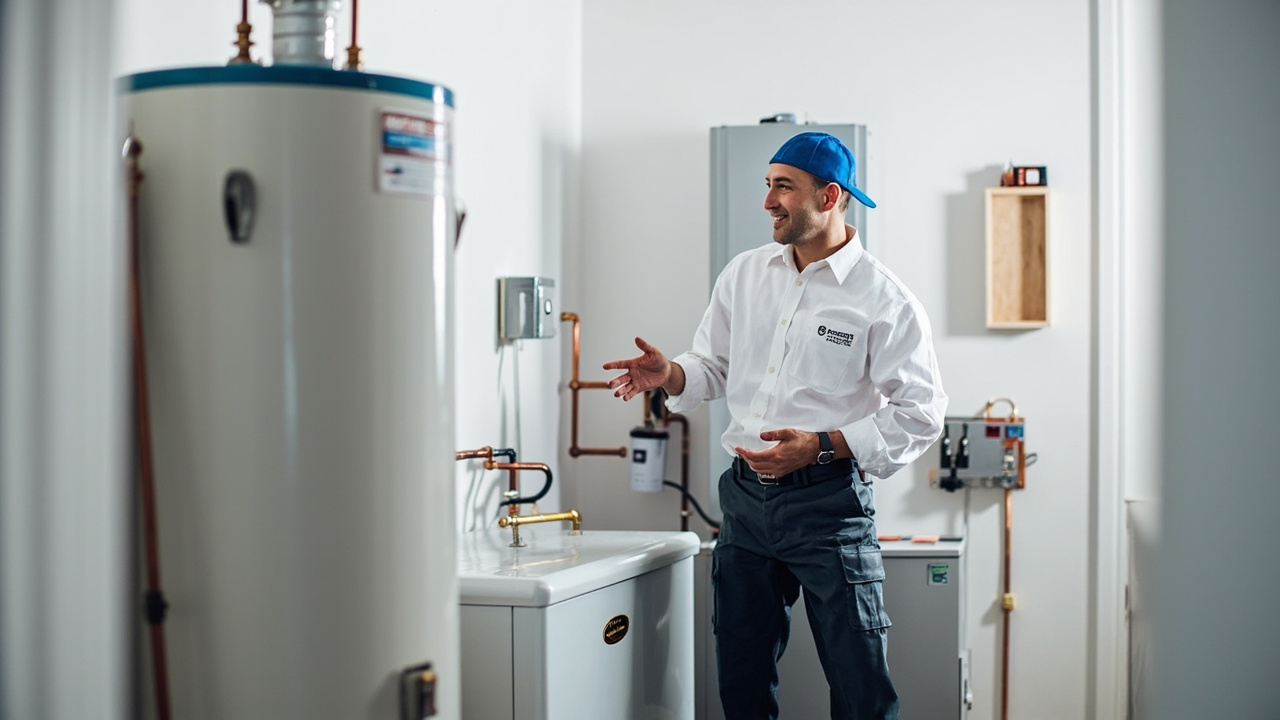
The comparison between conventional vs tankless water heaters starts with how each system handles Miami's climate challenges. Storage water heaters maintain a reservoir of hot water around the clock, which means your unit works harder during summer months when ambient temperatures inside garages and utility rooms climb above 95 degrees. Instantaneous water heaters eliminate standby heat loss by firing only when you open a hot water tap.

Hurricane season adds another variable to the tank vs tankless water heater comparison. Standard tank systems can rupture during power outages if pressure relief valves fail or if flooding compromises the tank integrity. You risk 50 gallons of water damage in your utility space. On-demand systems have smaller footprints and no standing water reserve, which limits flood risk in storm surge zones near Biscayne Bay and the Miami River.

The choice between traditional vs on-demand water heaters also depends on household size and usage patterns. Families in Coral Gables or Coconut Grove with multiple bathrooms often run simultaneous showers, dishwashers, and washing machines. Storage systems deliver high flow rates but deplete their reserve during peak use. Tankless units provide continuous hot water but require proper sizing to meet concurrent demand across fixtures.

Why Miami Homeowners Are Rethinking Water Heater Choices
How Each System Works in South Florida Conditions

How Each System Works in South Florida Conditions

Storage water heaters use a gas burner or electric heating element to maintain water temperature inside an insulated tank. The thermostat cycles on whenever stored water drops below setpoint, usually 120 to 140 degrees. Miami's hard water creates scale on the anode rod and tank bottom, which insulates the heating element from the water. Efficiency drops as the system burns more energy to transfer heat through mineral layers.

Tankless systems ignite a gas burner or activate electric coils only when flow sensors detect water movement. Cold water enters the heat exchanger, absorbs thermal energy, and exits at your target temperature without ever sitting in a reservoir. This instantaneous heating process eliminates standby losses but requires higher burner capacity to heat water fast enough for your flow rate.

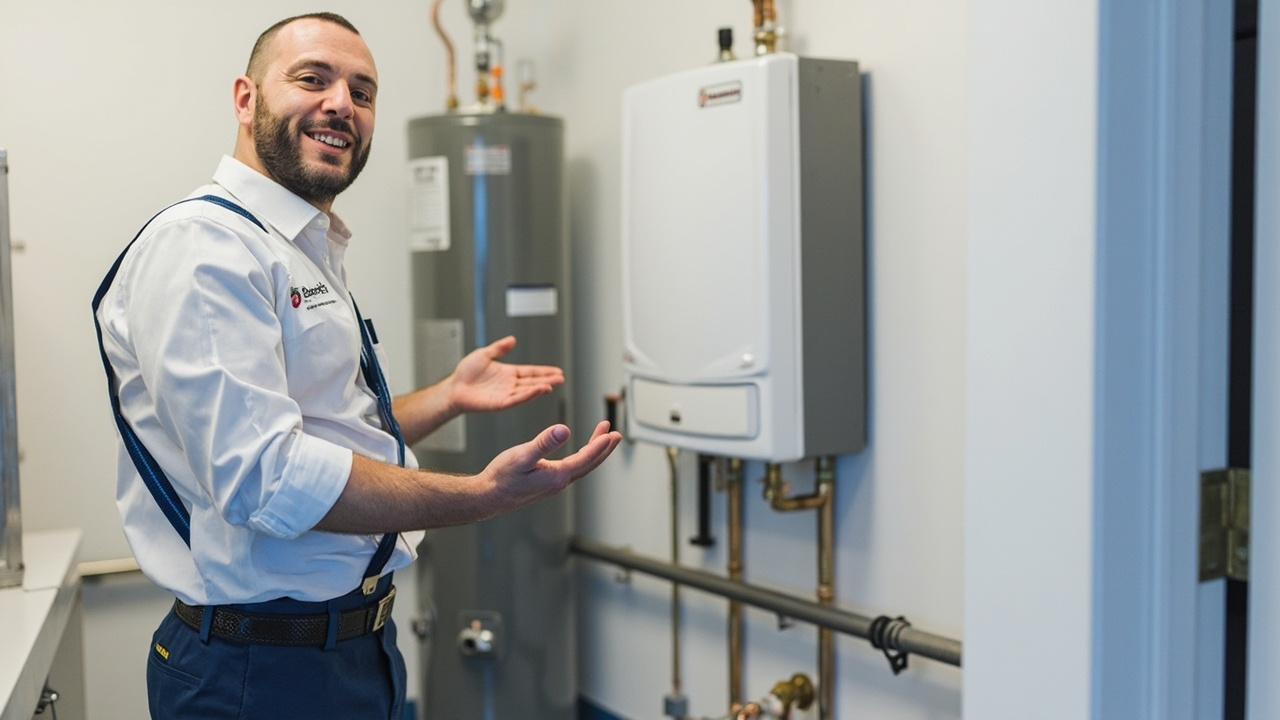
The standard vs tankless water heater comparison hinges on recovery rate and flow capacity. A 50-gallon gas storage tank delivers a first-hour rating around 80 gallons, enough for back-to-back showers and laundry. Once depleted, you wait 30 to 45 minutes for the tank to reheat. A properly sized tankless unit supplies endless hot water at 5 to 8 gallons per minute, but simultaneous use across multiple fixtures can overwhelm the heat exchanger if you undersize the unit.

Installation requirements differ significantly in Miami's building stock. Tank systems need floor space, a pressure relief valve discharge pipe, and drain pan. Tankless units mount on exterior walls to vent combustion gases, require larger gas lines for higher BTU input, and need electrical upgrades for electronic ignition and modulation controls. Older homes in Little Havana or Overtown may lack the gas supply or electrical panel capacity for retrofit without service upgrades.

What Happens During a Water Heater Evaluation

Tank vs. Tankless Water Heaters in Miami – Cut Your Energy Bills While Handling Hard Water and Hurricane Readiness
01

Usage Pattern Analysis

We calculate your household's peak hot water demand by counting fixtures, occupancy, and usage schedules. This includes gallons per minute for showerheads, dishwasher and washing machine specifications, and concurrent use patterns during morning and evening hours. Miami homes with pools or outdoor showers require additional capacity calculations to prevent temperature drop during simultaneous draws.
02

Infrastructure Assessment

We inspect your existing gas line size, electrical panel capacity, venting configuration, and installation space to determine which system your home can support. Tankless conversions often need gas line upsizing from half-inch to three-quarter-inch diameter and dedicated electrical circuits for ignition controls. We verify combustion air supply and clearance requirements for Miami's building code compliance before recommending equipment.
03

Cost and Payback Projection

We provide transparent projections on equipment cost, installation complexity, monthly energy savings, and maintenance requirements. Tankless systems cost more upfront but deliver lower operating costs through reduced standby losses. Storage tanks have lower initial expense but higher energy consumption. We factor in Miami-Dade County water hardness levels to project descaling frequency and anode rod replacement intervals for realistic lifecycle costs.

Why Miami Homes Need Local Water Heater Expertise

Cornerstone Plumbing Miami understands how Biscayne Aquifer water chemistry affects system performance. We've installed and serviced both conventional and instantaneous systems throughout Miami-Dade County, from high-rise condos in Brickell to single-family homes in Kendall. Our technicians recognize how mineral deposits accelerate in South Florida's hot climate and recommend appropriate flushing intervals to extend equipment life.

Miami's aggressive water requires specific maintenance protocols that generic national chains overlook. We install water softeners or scale inhibitors when conductivity tests show hardness levels above 180 parts per million. This protects heat exchangers in tankless units and reduces sediment accumulation in storage tanks. Our service plans include annual descaling for on-demand systems and tank flushing for traditional units, calibrated to Miami's water quality data.

Local building codes govern installation methods, venting configurations, and seismic restraints for water heating equipment. We pull permits and coordinate inspections with Miami-Dade Building Department to ensure your system meets Florida Building Code Chapter 5 requirements. This includes proper combustion air supply for gas units, expansion tank sizing for thermal expansion, and pressure relief valve discharge termination points that comply with local amendments.

Hurricane preparedness factors into our recommendations for coastal neighborhoods in Miami Beach and Key Biscayne. We discuss backup power options for tankless systems that require electricity, elevation requirements for equipment in flood zones, and shut-off procedures before storm evacuation. Storage tanks in surge-prone areas get additional anchoring and we recommend installing isolation valves for quick disconnection if evacuation orders arrive.

What You Should Expect From Your Water Heater Upgrade

Installation Timeline and Scheduling

Standard tank replacements take 3 to 5 hours when we swap similar capacity units without changing fuel types. Tankless conversions require 6 to 8 hours for gas line modifications, electrical upgrades, and venting installation. Permit processing through Miami-Dade County adds 2 to 5 business days before we schedule installation. We coordinate inspection appointments and maintain your temporary hot water access during the changeover so you avoid cold showers during Miami's winter months when morning temperatures dip into the 60s.

System Sizing and Configuration

We calculate precise capacity requirements using fixture unit counts and simultaneous demand factors specific to your household. Storage tanks get sized based on first-hour rating to meet peak morning demand without running out of hot water. Tankless units require BTU input calculations to maintain temperature rise at your maximum flow rate. Miami's incoming water temperature averages 75 degrees year-round, which requires less temperature rise than northern climates and allows smaller tankless units to meet the same demand at lower cost.

Performance and Energy Savings

Tankless systems deliver energy factors between 0.82 and 0.96 compared to 0.58 to 0.68 for storage tanks. This translates to monthly savings on your FPL bill, particularly in summer when standby losses increase in hot utility rooms. You get endless hot water without waiting for recovery, which matters during pool party cleanups or when hosting family visiting from out of state. Tank systems provide higher simultaneous flow rates at lower equipment cost but cycle more frequently in Miami's heat, burning energy to maintain temperature in unused water.

Maintenance Requirements and Longevity

Storage water heaters in Miami need annual flushing to remove sediment, anode rod inspection every 2 to 3 years, and pressure relief valve testing. Expect 8 to 12 year lifespan before tank corrosion requires replacement. Tankless units require annual descaling in hard water areas, flame sensor cleaning, and inlet screen flushing. Properly maintained instantaneous systems last 15 to 20 years but require more frequent service visits. We offer maintenance plans that include water quality testing, system flushing, and combustion analysis to catch problems before they cause failures during holiday gatherings or when you have house guests.

Frequently Asked Questions

You Have Questions,
We Have Answers

Is it better to have a tank or tankless water heater? +

It depends on your household needs and budget. Tank water heaters store 40-80 gallons and cost less upfront, making them practical for families who use hot water in bursts. Tankless units heat water on demand, which saves energy over time and works well in Miami's climate where incoming water temperatures stay warmer year-round. You get unlimited hot water with tankless, but installation costs more. If you have multiple bathrooms running simultaneously or want lower monthly bills, tankless makes sense. For tight budgets or smaller homes, tanks remain reliable.

What is the downside of a tankless water heater? +

The upfront cost hits hard. Tankless units run two to three times more than tank models, and installation often requires upgrading your gas line or electrical panel. In Miami homes with older plumbing, you may need additional retrofitting. Flow rate limits can frustrate larger families. If you run three showers, a dishwasher, and laundry at once, the unit struggles to keep up. Hard water in some Miami neighborhoods also shortens lifespan without proper descaling maintenance. These units demand annual flushing to prevent mineral buildup.

Why do plumbers not recommend tankless water heaters? +

This is outdated thinking. Some plumbers hesitate because tankless installation takes longer and requires specific training they may lack. The units need precise venting, gas line sizing, and electrical work that traditional tanks do not. In Miami, older homes with limited electrical capacity can complicate retrofits. Some plumbers also profit more from frequent tank replacements. Modern plumbers who stay current with technology recognize tankless benefits for energy savings and space efficiency. The key is finding an experienced installer who understands Miami building codes and climate considerations.

What lasts longer, a tank or a tankless water heater? +

Tankless water heaters outlast tanks significantly. A quality tankless unit runs 20-25 years with proper maintenance, while traditional tanks fail after 10-12 years. Miami's humid climate and mineral-heavy water accelerate tank corrosion and sediment buildup. The constant heating and cooling in storage tanks stresses components faster. Tankless units only activate when you need hot water, reducing wear. You must flush tankless systems annually to remove scale, but this simple maintenance extends lifespan far beyond what tanks offer, even with regular flushing.

Can I take a long shower with a tankless water heater? +

Yes, you can shower as long as you want. Tankless units heat water continuously, so you never run out like you do with a 50-gallon tank. The limitation is flow rate, not duration. A properly sized tankless system handles one or two showers running indefinitely. In Miami, where incoming water stays around 75 degrees year-round, the unit works less hard than in cold climates, making heating more efficient. Just make sure your installer sizes the unit correctly for simultaneous fixtures in your home.

What water heater do plumbers recommend? +

Professional plumbers recommend the system that fits your specific situation. For Miami homes with 3-4 bathrooms and simultaneous usage patterns, a properly sized tankless unit delivers better long-term value through energy savings and longevity. Families on tight budgets or in smaller homes may prefer a high-efficiency tank model. Water quality matters too. Homes with hard water need tankless systems with built-in descaling or water softeners. The best plumbers assess your household size, usage patterns, existing infrastructure, and budget before recommending either option.

How Miami's Water Quality Impacts Tank and Tankless Performance

The Biscayne Aquifer supplies Miami's municipal water through porous limestone formations that dissolve calcium and magnesium into the supply. Water hardness levels range from 150 to 250 parts per million across Miami-Dade County, which accelerates scale formation on heating surfaces. Storage tanks accumulate sediment layers that reduce capacity and insulate heating elements, forcing longer heating cycles and higher energy consumption. Tankless heat exchangers clog with mineral deposits that restrict flow and trigger overheat shutdowns if you skip descaling service. Neighborhoods east of I-95 near the coast see even higher mineral content from saltwater intrusion during king tides and storm surge events.

Miami-Dade County enforces specific installation standards through Chapter 10 of the county plumbing code, which references the Florida Building Code with local amendments. We maintain contractor licenses with Miami-Dade Building Department and stay current on inspection requirements for water heater installations, including proper venting termination distances from property lines and combustion air supply calculations for equipment closets. Our technicians understand hurricane wind load requirements for rooftop installations and know which coastal barrier islands require additional anchoring for wind-borne debris protection. This local expertise prevents failed inspections and ensures your system meets insurance requirements for wind mitigation credits.
Plumbing Services in The Miami Area

Easily locate Cornerstone Plumbing on the map and explore our primary service area. We are conveniently situated to provide swift and efficient plumbing services throughout Miami and its surrounding communities. Our strategically located operations ensure that a skilled technician is always nearby, ready to address your residential or commercial plumbing needs with promptness and unparalleled expertise, ensuring you receive timely and effective support whenever you need it most.

Address:
Cornerstone Plumbing Miami, 2332 Galiano St, Miami, FL, 33134

Additional Services We Offer

Our news updates

Latest Articles & News from The Blogs

A main water line break in a high traffic area like the Wynwood Art District is more than a simple…

Emergency Main Water Line Repair for Wynwood Businesses

A main water line break in a high traffic area like the Wynwood Art District is more than a simple…

Picking the Right Type of Outdoor Shower for Your Golden Beach Waterfront Property

Living on the Atlantic coast in Golden Beach provides unparalleled access to the ocean, but the environment creates a unique…

How to Choose the Right Low Flow Showerhead That Still Has Great Pressure

How to Choose the Right Low Flow Showerhead That Still Has Great PressureMiami residents understand the value of water more…

Contact Us

Stop wasting money on the wrong system. Call (786) 789-8488 for a free water heater evaluation. We analyze your usage patterns, test your water hardness, and recommend the system that saves you money in Miami's climate. Our technicians are available seven days a week for consultations and installations.