




menu

Low Water Pressure Issues in Miami – Expert Diagnosis and Permanent Solutions for Weak Flow

Cornerstone Plumbing Miami identifies the root cause of decreased water pressure in your home or business, from corroded galvanized pipes to pressure regulator failures, and delivers lasting repairs that restore full water flow.

Slider Image 1
Slider Image 2
Slider Image 3
Slider Image 4
Slider Image 5
Slider Image 7
Slider Image 8
Slider Image 9
Slider Image 10
Slider Image 11

Why Miami Homes Experience Chronic Low Water Pressure

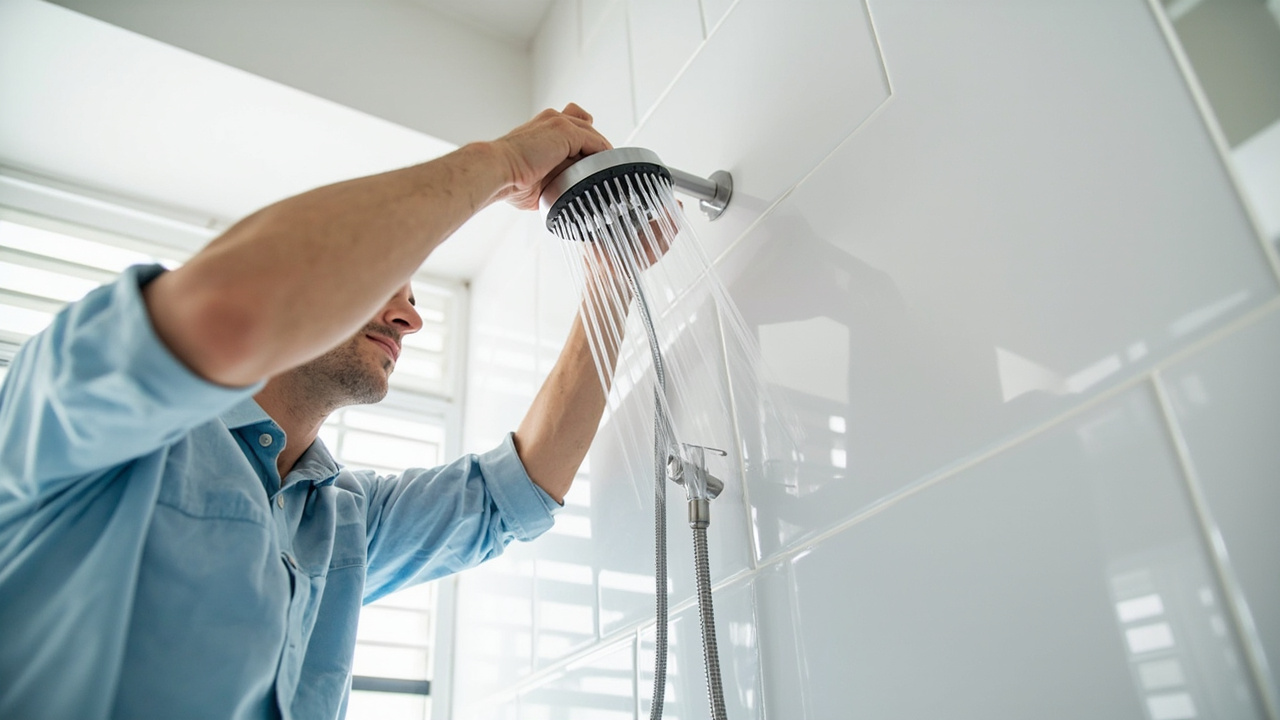
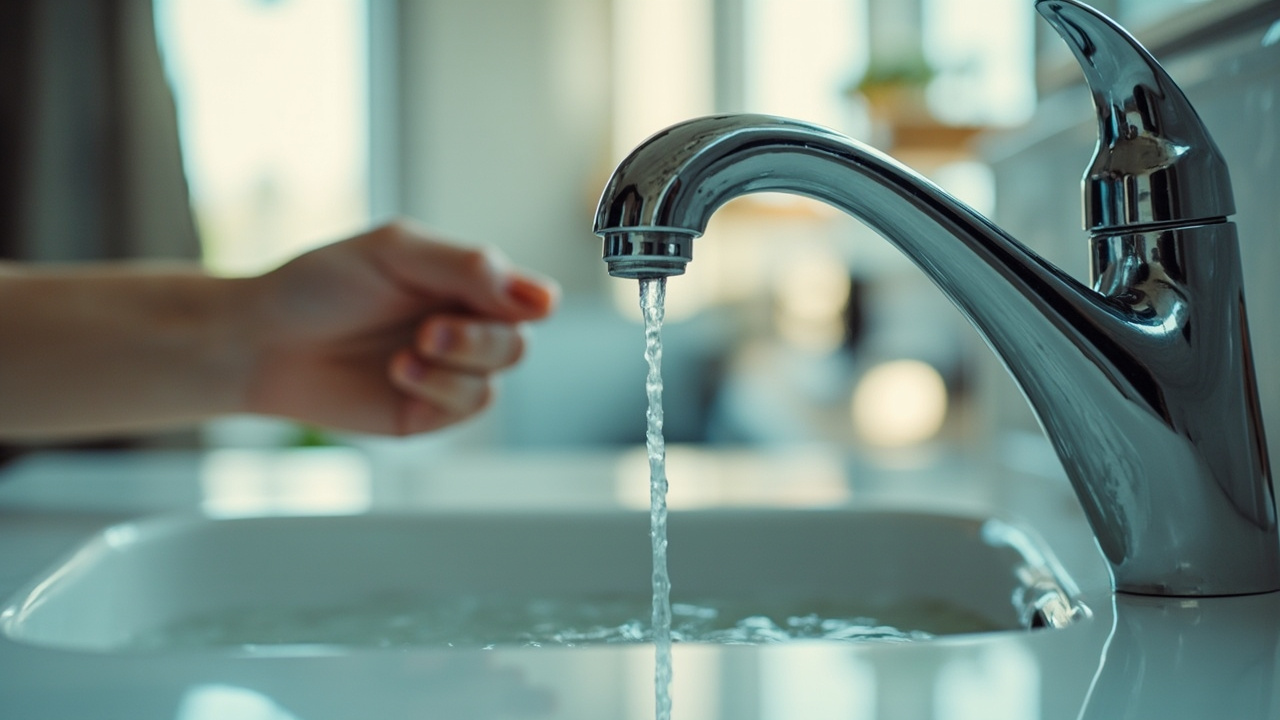
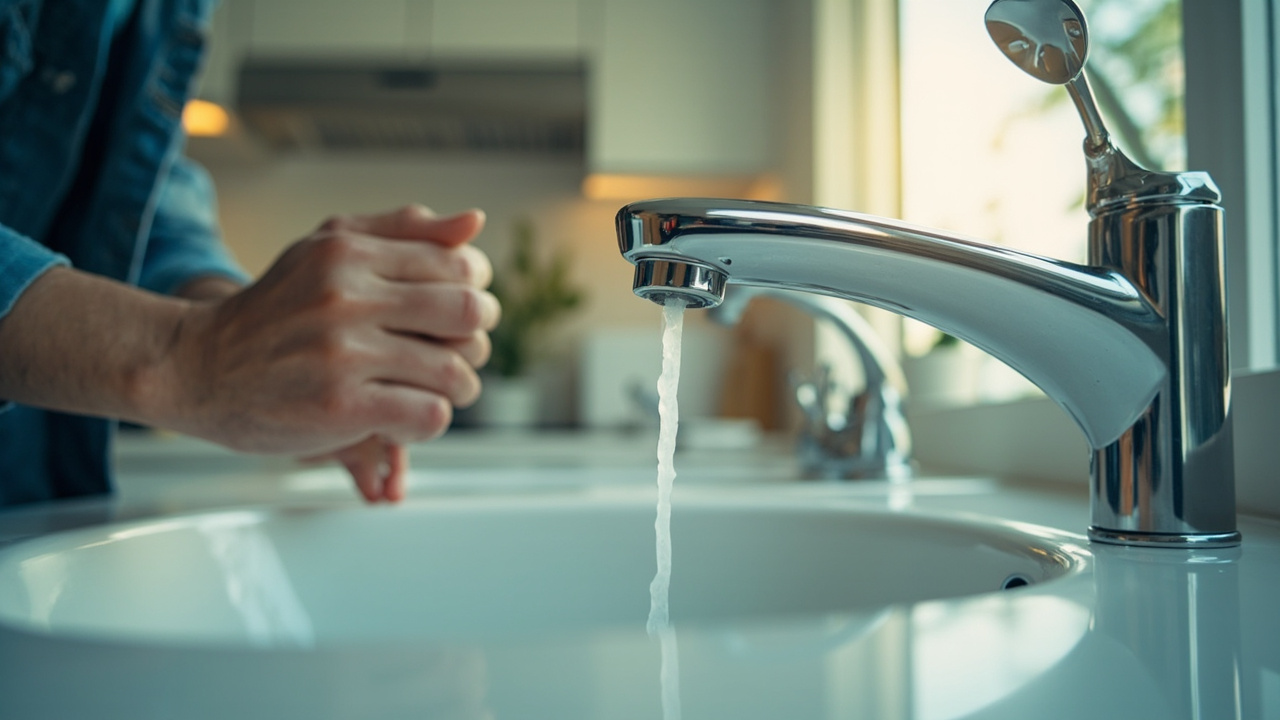
You turn on the shower and the water barely trickles out. The washing machine takes twice as long to fill. The upstairs bathroom has weak water pressure while the kitchen seems fine. Low water flow is not just annoying. It signals underlying plumbing failures that will worsen if ignored.

Miami's aging housing stock, particularly in neighborhoods like Little Havana and Coconut Grove, still contains galvanized steel pipes installed in the 1950s and 1960s. These pipes corrode from the inside out. The buildup restricts water flow inch by inch, year after year. You do not see it happening until the problem becomes severe.

The high mineral content in Miami-Dade County's municipal water accelerates this corrosion. Calcium and magnesium deposits accumulate inside pipes, fittings, and fixtures. A half-inch pipe can narrow to a quarter-inch opening over time. Poor water pressure in one fixture often means the entire branch line is compromised.

Pressure regulators fail too. These devices sit where the main water line enters your home and reduce incoming pressure from 80-100 PSI down to a safe 50-60 PSI. When a regulator fails, you get either dangerously high pressure or a sudden loss of water pressure throughout the house.

Leaks you cannot see also cause decreased water pressure. A slab leak under your foundation or a pinhole leak behind a wall diverts water before it reaches your fixtures. You pay for water that never makes it to your tap.

Cornerstone Plumbing Miami diagnoses the exact cause of your weak water pressure. We do not guess. We test pressure at multiple points, inspect your piping system, and identify whether the problem is isolated or systemic.

Why Miami Homes Experience Chronic Low Water Pressure
How We Diagnose and Fix Low Water Pressure Correctly

How We Diagnose and Fix Low Water Pressure Correctly

Most plumbers walk in, check one faucet, and blame your aerator. That is lazy diagnostics. Low water flow has multiple potential causes, and each requires a different solution. We use systematic testing to isolate the problem.

First, we measure static pressure at your hose bib using a calibrated gauge. This tells us the baseline pressure entering your property. Miami-Dade Water and Sewer delivers water at 60-80 PSI in most areas. If we read 30 PSI at the hose bib, the problem is upstream, either a failing pressure regulator or a service line restriction.

Next, we test flow rate at fixtures throughout your home. A properly functioning system should deliver 2.5 gallons per minute at a showerhead and 1.5 GPM at a bathroom faucet. Anything less indicates a restriction. We check hot and cold separately because the issue might be isolated to your water heater or a specific supply line.

If pressure is normal at the entry point but weak at fixtures, we inspect your distribution system. We look for corroded galvanized piping, undersized supply lines, or partially closed shut-off valves. A three-quarter-inch main should branch to half-inch runs for bathrooms and kitchens. Older homes sometimes have three-eighths-inch lines that cannot deliver adequate volume.

We also inspect your pressure-reducing valve. These fail in two ways. They either stick closed, causing poor water pressure throughout the house, or they fail open, allowing dangerously high pressure that damages fixtures and appliances. Replacement takes two hours and restores balanced pressure across your entire system.

For homes with galvanized pipes, repiping is often the only permanent fix. We route new copper or PEX lines through your attic or crawlspace, minimizing wall demolition and keeping costs reasonable.

What Happens During a Low Water Pressure Service Call

Low Water Pressure Issues in Miami – Expert Diagnosis and Permanent Solutions for Weak Flow
01

Pressure Testing and Mapping

We arrive with calibrated gauges and test equipment. Our technician measures static pressure at your main shut-off valve, then checks dynamic pressure at multiple fixtures while water is running. This reveals whether the problem is constant or only appears under load. We map the pressure readings to identify which zones are affected and where the restriction likely exists.
02

System Inspection and Diagnosis

After testing, we inspect your visible plumbing. We check the pressure regulator for proper function, look for corroded galvanized pipes, examine shut-off valves for partial closure, and inspect your water heater for sediment buildup. If your home was built before 1980, we pay close attention to the main distribution lines, which often contain deteriorated galvanized steel that chokes flow.
03

Repair or Replacement Plan

Once we identify the cause, we explain the fix in plain terms. If a regulator failed, we replace it that day. If galvanized pipes are the culprit, we provide options for partial or whole-house repiping. We prioritize solutions that restore full water pressure permanently. You receive upfront pricing before any work begins, and we complete most repairs the same day.

Why Miami Homeowners Trust Cornerstone Plumbing for Pressure Problems

Low water pressure is a symptom, not a diagnosis. Too many plumbers treat the symptom and leave the underlying problem untouched. You pay for a service call, get a new aerator or showerhead, and three weeks later the weak water pressure is back.

Cornerstone Plumbing Miami does not work that way. We have seen every pressure-related failure common to South Florida homes. We know how Miami's water chemistry attacks galvanized pipes. We know which neighborhoods still have clay sewer laterals that can collapse and cause backpressure issues. We know that homes near the coast deal with salt air corrosion on exterior plumbing components.

This local knowledge matters. A plumber from out of state would not recognize that many Coral Gables homes built in the 1940s have undersized half-inch main lines that cannot support modern fixture demands. They would not know that certain areas of Kendall experience low municipal pressure during peak demand hours, requiring booster pumps for multi-story homes.

We also understand Miami-Dade plumbing code requirements. Any repipe work must meet current code, which mandates specific pipe sizing, pressure testing, and inspection protocols. We pull permits, schedule inspections, and ensure your plumbing system is compliant and warrantied.

Our technicians carry the diagnostic tools needed to solve pressure problems correctly. We stock pressure regulators, expansion tanks, pipe cutters, and PEX manifolds on every truck. Most jobs finish the same day because we do not need to make three trips for parts.

When you call us for decreased water pressure, you get a plumber who understands the physics of water distribution, the chemistry of corrosion, and the practical realities of Miami's housing stock. That combination is rare.

What to Expect When You Schedule a Pressure Diagnostic

Same-Day Availability for Diagnostics

We schedule diagnostic appointments within 24 hours of your call. Low water flow is not an emergency like a burst pipe, but it should not drag on for weeks while you struggle with weak showers and slow-filling toilets. Our technicians arrive in a two-hour window, fully equipped to test, diagnose, and often repair the problem the same day. Most pressure issues take two to four hours to resolve completely, depending on whether the fix involves a simple regulator replacement or more extensive pipe work.

Comprehensive Pressure and Flow Testing

We do not eyeball your faucet and call it good. Our technicians use calibrated pressure gauges and flow meters to measure PSI and GPM at multiple points in your system. We check pressure at the street connection, at your main shut-off, and at individual fixtures. We test both hot and cold lines separately. This data tells us exactly where the restriction occurs and what component has failed. You get a written report with actual numbers, not vague descriptions.

Restored Water Pressure That Lasts

The goal is not a temporary improvement. We fix the root cause so your water pressure stays strong for years. If corrosion is choking your pipes, we repipe the affected sections with materials that resist Miami's water chemistry. If your regulator failed, we install a commercial-grade replacement rated for high-cycle durability. After repairs, we retest pressure at every fixture to confirm you are getting the flow rate your system was designed to deliver. You will notice the difference immediately.

Post-Repair Support and Maintenance Guidance

Once your pressure is restored, we walk you through what we found and what we fixed. If we installed a new pressure regulator, we show you how to monitor it and when to call for service. If we repiped sections of your home, we provide documentation for your records and explain how to maintain your new plumbing. We also offer annual water pressure checks as part of preventive maintenance plans, catching small issues before they become expensive problems.

Frequently Asked Questions

You Have Questions,
We Have Answers

What is the most common cause of low water pressure? +

Mineral buildup from Miami's hard water is the most common culprit. Calcium and magnesium deposits clog aerators, showerheads, and corrode galvanized pipes over time. Older homes in neighborhoods like Coral Gables often have corroded galvanized supply lines that restrict flow. Leaking pipes, faulty pressure regulators, or partially closed shut-off valves also reduce pressure. In multi-story buildings, gravity and elevation can worsen the problem. Miami's municipal supply occasionally fluctuates, but internal plumbing issues are usually to blame. A plumber can diagnose whether the issue is isolated to one fixture or affects your entire system.

How to fix low water pressure? +

Start by checking aerators and showerheads for mineral deposits. Unscrew them, rinse debris, and soak in vinegar to dissolve buildup. Check the main water valve and ensure it is fully open. Inspect your pressure regulator near the water meter. If the gauge reads below 40 PSI, the regulator may need adjustment or replacement. For whole-house issues, corroded pipes or hidden leaks require professional intervention. Miami's hard water accelerates corrosion in older galvanized piping. Replacing corroded sections with PEX or copper restores flow. If you see low pressure at multiple fixtures, call a licensed plumber to inspect your system.

Do I need a plumber for low pressure? +

Yes, if the problem affects multiple fixtures or persists after cleaning aerators. Low pressure caused by corroded pipes, faulty pressure regulators, or hidden leaks requires professional tools and expertise. A plumber can test static pressure, inspect your pressure-reducing valve, and locate leaks using specialized equipment. In Miami, older homes often have galvanized pipes that corrode internally, restricting flow. Attempting repairs without proper knowledge can worsen the issue or violate local plumbing codes. For isolated aerator clogs, DIY cleaning works. For systemic problems, a licensed plumber ensures accurate diagnosis and compliant repairs that restore pressure safely.

Why is the water pressure in my sink suddenly low? +

Sudden low pressure at a single sink usually means a clogged aerator. Miami's hard water leaves calcium deposits that restrict flow. Unscrew the aerator, rinse debris, and soak it in white vinegar for 30 minutes. If pressure remains low, check the shut-off valve under the sink. It may be partially closed or malfunctioning. Inspect supply lines for kinks or damage. If other fixtures work fine, the issue is localized. If pressure drops at multiple sinks, suspect a main line problem or pressure regulator failure. A plumber can trace the source and restore flow quickly.

Who is responsible for low water pressure? +

Responsibility depends on where the issue originates. Miami-Dade Water and Sewer handles pressure from the main line to your property boundary. If the municipal supply is low, contact the utility. If pressure drops only at your property, you are responsible. Check your pressure regulator, internal piping, and fixtures. In condos or apartments, the building owner typically manages shared plumbing, but unit-specific issues fall to tenants or owners. Landlords must maintain functional plumbing under Florida law. If you share a private well, the property owner handles pump and pressure tank repairs. Always verify your system first before contacting the city.

How can I get my water pressure back up? +

First, clean all aerators and showerheads to remove mineral deposits. Verify your main shut-off valve is fully open. Locate your pressure regulator near the water meter and check the gauge. If pressure reads below 40 PSI, the regulator may need adjustment or replacement. Flush your water heater to remove sediment that restricts hot water flow. If you have galvanized pipes common in older Miami homes, corrosion may require repiping with copper or PEX. For persistent issues, a licensed plumber can test system pressure, inspect for leaks, and identify whether your municipal supply or internal plumbing is the root cause.

How much does it cost for a plumber to fix low water pressure? +

Simple fixes like aerator cleaning or valve adjustments cost little to nothing if you do them yourself. Professional diagnosis typically starts around $100 to $150 for a service call in Miami. Replacing a faulty pressure regulator runs a few hundred dollars, depending on the model and labor. Repiping corroded sections costs more, varying by the extent of corrosion and accessibility. Hidden leak detection and repair increase costs. Exact pricing depends on the root cause, labor, and materials. Always request a detailed estimate before work begins. Most Miami plumbers offer free quotes or flat-rate pricing for common pressure issues.

How to unclog a p-trap? +

A P-trap clogs when debris, grease, or hair accumulates in the curved section under your sink. To unclog it, place a bucket underneath to catch water. Loosen the slip nuts by hand or with pliers and remove the trap. Dump contents into the bucket and rinse the trap thoroughly. Use a brush or cloth to scrub interior buildup. Check the tailpiece and drain arm for obstructions. Reassemble the trap, tighten slip nuts hand-tight, then add a quarter turn with pliers. Run water to test for leaks. If the clog persists deeper in the line, call a plumber to snake the drain.

Can I adjust the water pressure myself? +

You can adjust pressure if your home has an adjustable pressure regulator. Locate it near the water meter or where the main line enters your home. Use a wrench to turn the adjustment screw clockwise to increase pressure or counterclockwise to decrease it. Check the gauge as you adjust. Aim for 50 to 60 PSI for optimal flow without stressing pipes. Do not exceed 80 PSI, as it can damage fixtures and cause leaks. If you lack a regulator or feel uncomfortable making adjustments, hire a licensed plumber. Incorrect settings can harm your plumbing system or violate Miami building codes.

Does low water pressure mean busted pipe? +

Not always, but it is a red flag. Sudden, severe pressure loss can indicate a hidden leak or burst pipe, especially if you notice wet spots, water stains, or unusually high water bills. Gradual pressure loss typically points to corrosion, mineral buildup, or a failing pressure regulator. In Miami, aging galvanized pipes corrode internally and reduce flow without visible leaks. Check your water meter when all fixtures are off. If it still moves, you have a leak. Inspect crawl spaces, walls, and ceilings for moisture. If you suspect a burst pipe, shut off the main valve immediately and call a plumber.

Why Miami's Mineral-Rich Water Makes Low Water Pressure Worse Over Time

Miami-Dade County draws its water from the Biscayne Aquifer, which produces some of the hardest water in Florida. High concentrations of calcium carbonate, magnesium, and dissolved solids create aggressive scaling inside pipes and fixtures. This buildup narrows the effective diameter of your supply lines, especially in homes with galvanized steel or older copper piping. A pipe that started at three-quarter-inch can drop to half-inch flow capacity in just 15 years. Homes in Pinecrest, Palmetto Bay, and South Miami built before 1990 commonly experience this progressive loss of water pressure as mineral deposits accumulate year after year.

Cornerstone Plumbing Miami has worked in every Miami neighborhood, from Brickell high-rises to single-family homes in West Kendall. We understand how local water quality interacts with different pipe materials and why certain areas experience more frequent pressure regulator failures. Miami-Dade plumbing code requires specific testing protocols for pressure systems, and our team stays current on every amendment. When you hire a local plumber who knows how South Florida water behaves, you avoid the trial-and-error approach that out-of-area contractors bring. We fix it right the first time because we have seen these exact issues hundreds of times before.
Plumbing Services in The Miami Area

Easily locate Cornerstone Plumbing on the map and explore our primary service area. We are conveniently situated to provide swift and efficient plumbing services throughout Miami and its surrounding communities. Our strategically located operations ensure that a skilled technician is always nearby, ready to address your residential or commercial plumbing needs with promptness and unparalleled expertise, ensuring you receive timely and effective support whenever you need it most.

Address:
Cornerstone Plumbing Miami, 2332 Galiano St, Miami, FL, 33134

Additional Services We Offer

Our news updates

Latest Articles & News from The Blogs

A main water line break in a high traffic area like the Wynwood Art District is more than a simple…

Emergency Main Water Line Repair for Wynwood Businesses

A main water line break in a high traffic area like the Wynwood Art District is more than a simple…

Picking the Right Type of Outdoor Shower for Your Golden Beach Waterfront Property

Living on the Atlantic coast in Golden Beach provides unparalleled access to the ocean, but the environment creates a unique…

How to Choose the Right Low Flow Showerhead That Still Has Great Pressure

How to Choose the Right Low Flow Showerhead That Still Has Great PressureMiami residents understand the value of water more…

Contact Us

Weak water pressure will not fix itself. Call Cornerstone Plumbing Miami at (786) 789-8488 to schedule a diagnostic appointment. We identify the cause, explain your options, and restore full water flow fast.