




menu

Gas Line Repair & Installation in Miami | Certified Solutions for Safe Natural Gas Systems

Expert gas line plumbers handle everything from gas leak repair to complete gas piping installation across Miami-Dade County, serving both residential and commercial properties with certified, code-compliant natural gas solutions.

Slider Image 1
Slider Image 2
Slider Image 3
Slider Image 4
Slider Image 5
Slider Image 7
Slider Image 8
Slider Image 9
Slider Image 10
Slider Image 11

Why Miami Gas Lines Require Specialized Attention

Miami's coastal environment creates unique challenges for natural gas systems. Saltwater air accelerates corrosion on gas pipe fittings and connections, particularly on older black iron installations common in homes built before 2000. The high water table across South Florida means underground gas lines sit in constantly moist soil, which accelerates deterioration of protective coatings and joint compound.

Hurricane season adds another layer of risk. Strong winds can shift structures enough to stress rigid gas piping, creating small cracks that leak odorless natural gas into living spaces. After storms pass through Miami Beach, Coral Gables, or Kendall, you need a gas line inspection to confirm system integrity before turning appliances back on.

Modern building codes require CSST (Corrugated Stainless Steel Tubing) for flexibility during ground settling, but many properties still operate on outdated threaded black pipe. If your home was built before 1990, your gas piping installation likely lacks the protective measures that newer systems include. Gas leak repair becomes urgent when you smell the added mercaptan odorant, hear hissing near appliances, or notice dead vegetation along underground line routes.

Commercial kitchens in Downtown Miami and Brickell face additional pressure demands. Restaurant equipment requires proper gas line replacement to handle BTU loads that residential systems cannot support. A certified gas line plumber calculates load requirements, pipe diameter needs, and pressure drop across the entire distribution system to prevent appliance malfunction and safety hazards.

Why Miami Gas Lines Require Specialized Attention
How Professional Gas Line Services Protect Your Property

How Professional Gas Line Services Protect Your Property

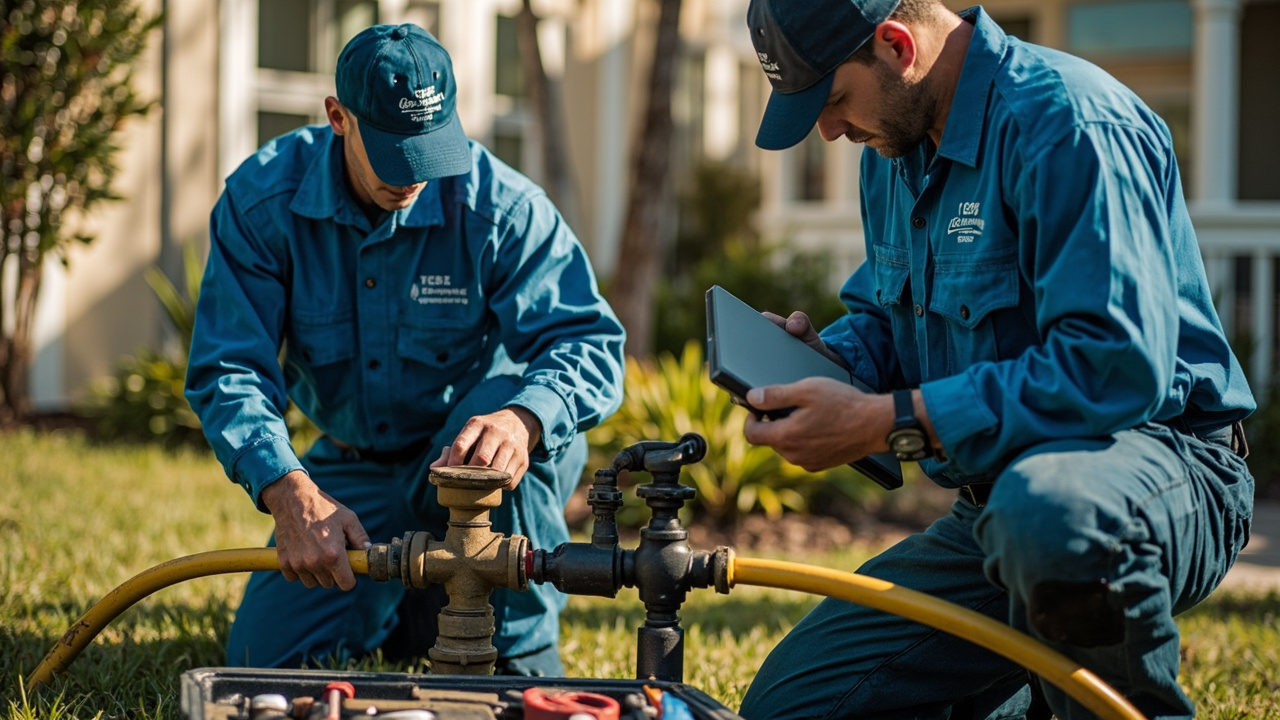
Gas pipe repair starts with electronic leak detection using combustible gas indicators that measure methane concentrations in parts per million. This equipment identifies leaks invisible to soap bubble tests, particularly at threaded connections behind walls or under concrete slabs. We map your entire gas distribution system from the meter to each appliance, documenting pipe material, fitting types, and support spacing.

For gas piping installation, we calculate your total connected load in BTUs and apply the appropriate sizing tables from the International Fuel Gas Code. Miami-Dade County requires Schedule 40 black steel or CSST for new installations, with specific bonding requirements for lightning protection. We install sediment traps at each appliance drop to catch debris before it reaches gas valve seats, and pressure test the complete system to 15 PSI for leak verification.

Gas line replacement often involves abandoning old galvanized pipe that has corroded internally, restricting flow and creating pressure drops. We use mechanical couplings for black iron transitions and brass flare fittings for flexible connector installations. Every joint receives pipe thread sealant rated for natural gas service, not generic products that can degrade and cause leaks.

After installation, we perform combustion analysis on water heaters, furnaces, and ranges to confirm proper air-fuel mixture. A yellow flame indicates incomplete combustion and potential carbon monoxide production. We adjust primary air shutters and verify draft hood operation to ensure safe appliance function. Final inspection includes pressure drop testing while all appliances run simultaneously to confirm adequate system capacity.

What Happens During Your Gas Line Service

Gas Line Repair & Installation in Miami | Certified Solutions for Safe Natural Gas Systems
01

System Assessment and Testing

We begin with a complete visual inspection of your gas meter, regulator, and all accessible piping. Electronic leak detection equipment scans every connection point, valve, and appliance hookup. We document pipe materials, sizing, and support conditions throughout your property. This diagnostic phase identifies immediate safety concerns and helps plan repair or replacement strategy based on system age and condition.
02

Repair or Installation Work

For repairs, we isolate the affected section, purge remaining gas, and replace damaged components with code-compliant materials. New installations involve routing pipe through walls or trenches, installing proper support every six feet for horizontal runs, and making all connections with approved methods. We install shut-off valves at each appliance location and ensure proper bonding for CSST installations per Florida electrical codes.
03

Testing and Verification

Every completed system undergoes pressure testing at 15 PSI for 15 minutes minimum to verify zero pressure drop. We check all connections with leak detection solution and electronic sensors. After passing pressure tests, we restore gas service, light pilot lights, and perform combustion analysis on each appliance. You receive documentation of all work performed, materials used, and test results for your records and permit compliance.

Why Miami Properties Need Local Gas Line Expertise

Miami-Dade County enforces specific amendments to the International Fuel Gas Code that affect gas piping installation. Local inspectors require bonding jumpers on CSST systems and specific support methods for coastal wind zones. A plumber unfamiliar with these amendments will fail inspection, delaying your project and requiring rework.

Cornerstone Plumbing Miami maintains relationships with local building departments in Hialeah, Miami Gardens, and throughout the county. We pull permits for gas line replacement projects and coordinate inspection scheduling to keep your work on timeline. Our technicians carry current gas line certification and attend annual code update training specific to Florida regulations.

The salt air corrosion factor means we recommend specific materials for coastal properties. Homes east of US-1 need stainless steel fittings and brass valves instead of standard iron components. We stock marine-grade materials that resist the accelerated degradation common in Coconut Grove, Key Biscayne, and other waterfront neighborhoods.

Emergency gas leak repair requires immediate response because natural gas displaces oxygen and creates explosion risks at concentrations above five percent. We dispatch technicians within the hour for suspected leaks, arriving with detection equipment and repair materials to restore safe conditions quickly. Our trucks carry common replacement parts for water heater connections, range flex lines, and outdoor meter assemblies to complete most repairs on the first visit.

For commercial properties, we understand the business impact of gas system downtime. Restaurants cannot operate without functioning cooking equipment. We schedule gas piping installation during off-hours and coordinate with kitchen equipment technicians to minimize revenue loss during upgrades or repairs.

What to Expect From Your Gas Line Service

Response Time and Scheduling

Emergency gas leak calls receive response within 60 minutes across Miami-Dade County. For non-emergency repairs and installations, we schedule service within 48 hours and provide four-hour arrival windows. Most gas pipe repair projects complete in four to six hours, depending on accessibility and pipe location. Complete gas line replacement for average single-family homes takes one to two days, including pressure testing and inspection scheduling. Commercial gas piping installation timelines vary based on equipment count and building size, but we provide detailed project schedules during the estimate phase.

Initial Evaluation Process

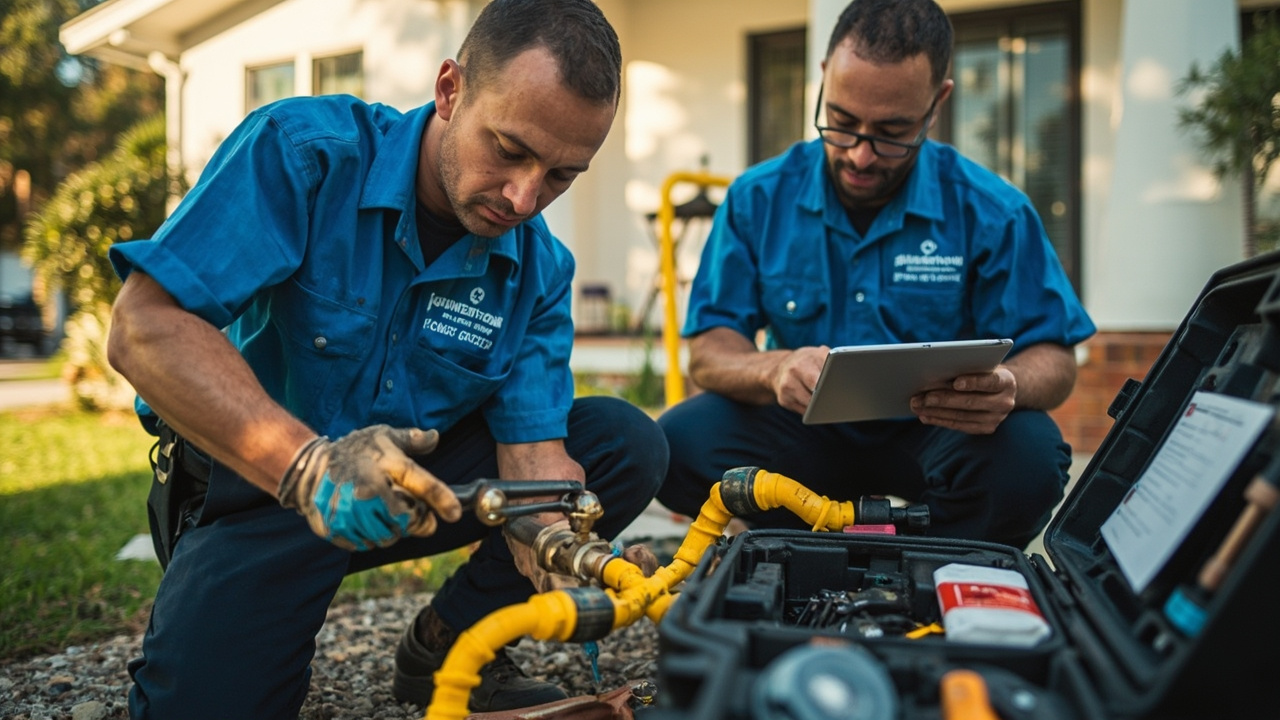
Your gas line plumber arrives with electronic leak detection equipment, manometers for pressure testing, and inspection cameras for concealed pipe sections. We document your current system configuration with photos and measurements. For replacement projects, we calculate required pipe sizing based on appliance BTU ratings and run lengths. You receive a detailed written estimate that itemizes materials, labor, permit fees, and inspection costs. We explain options for pipe routing, material choices, and any code compliance upgrades necessary for older systems before starting work.

Completed System Quality

All gas piping installation meets or exceeds current International Fuel Gas Code and Miami-Dade amendments. Joints are made with approved methods using pipe dope rated for natural gas service. Pipe runs follow straight paths with minimal fittings to reduce pressure drop. Support spacing matches code requirements for the pipe type installed. Every system passes 15 PSI pressure testing with zero leaks before gas service restoration. Appliances receive combustion analysis to verify proper operation and safe exhaust characteristics. You receive documentation including permits, inspection approvals, and material specifications.

Ongoing System Support

New gas line installations include follow-up inspection after 30 days to verify all connections remain tight and pressure remains stable. We provide maintenance recommendations based on your system age and materials. Older black iron systems benefit from annual leak detection scans to catch deterioration before it becomes hazardous. CSST installations should have bonding connections verified every five years to maintain lightning protection. We keep detailed service records for your property, making future repairs faster because we already know your system layout and component locations.

Frequently Asked Questions

You Have Questions,
We Have Answers

What is the average cost to install a gas line? +

Gas line installation costs vary based on the length of the run, material type, and accessibility. A simple 20-foot black iron pipe installation typically ranges from moderate to higher investment, while complex installations requiring trenching or threading through walls cost more. Miami homes often need upgrades for hurricane-resistant installations or corrections due to high water tables affecting underground runs. Factors like permit fees, pressure testing, and connection type all influence the final price. Licensed plumbers assess your specific layout, existing infrastructure, and local code requirements before providing accurate estimates. Never attempt DIY gas work.

How much does it cost to repair a natural gas line? +

Natural gas line repairs depend on the leak location and severity. Small fitting repairs or valve replacements cost less than full pipe section replacements. Miami's humid climate accelerates corrosion on older galvanized pipes, sometimes requiring extensive rework. Emergency leak repairs command premium pricing due to immediate safety concerns and after-hours response. Licensed technicians shut off gas, locate the leak using specialized equipment, replace damaged sections, and perform mandatory pressure testing. The repair complexity, pipe material, and accessibility drive the final cost. Always prioritize safety over cost when dealing with gas leaks.

Do plumbers or HVAC run gas lines? +

Licensed plumbers typically handle gas line installations and repairs, though some HVAC technicians hold gas fitting certifications. In Miami, the trade often overlaps based on licensing. Qualified plumbers carry specific gas line endorsements and understand local building codes, pressure requirements, and proper venting. HVAC professionals may run gas lines when installing appliances like furnaces or water heaters. The key is verifying the contractor holds proper licensing for gas work in Miami-Dade County. Always confirm credentials before hiring anyone to work on gas systems. Both trades can be qualified if properly licensed.

How much does it cost to repair a gas pipe? +

Gas pipe repair costs mirror natural gas line repairs. Minor fitting leaks or valve replacements cost less than replacing corroded pipe sections. Miami's coastal environment causes accelerated deterioration on older steel pipes, sometimes requiring replacement instead of simple repairs. Emergency repairs cost more due to immediate safety risks and rapid response requirements. Licensed technicians evaluate the damage, replace compromised sections, thread new connections, and perform pressure testing to verify system integrity. Accessibility matters—exposed pipes cost less to repair than lines buried in walls or underground. Safety always justifies the investment.

Are gas lines covered by home insurance? +

Home insurance typically does not cover gas line repairs or installations. Standard policies exclude maintenance, deterioration, and wear issues. However, if a sudden covered peril like fire or explosion damages your gas lines, the resulting repairs may be covered under dwelling protection. Miami homeowners should review policies carefully, as hurricane damage to exterior gas lines might qualify for coverage. Insurance rarely covers preventive work, upgrades, or age-related failures. Always document damage immediately and contact your insurer before repairs. Consider separate service line coverage endorsements if available.

What is the cost of a gas line installation? +

Gas line installation costs depend on pipe length, material choice, and project complexity. Simple installations for single appliances cost less than whole-home systems. Miami installations often require special considerations like corrosion-resistant materials due to humidity and salt air exposure. Underground installations need trenching and protective coating. Costs include materials, labor, permit fees, inspections, and pressure testing. Longer runs, difficult access points, and multiple connection points increase the total investment. Licensed plumbers provide detailed estimates after evaluating your property layout, existing infrastructure, and appliance requirements. Quality installation prevents dangerous leaks.

Can a plumber fix a gas line? +

Yes, licensed plumbers with proper gas fitting credentials can fix gas lines. In Miami, plumbers must hold specific endorsements to legally work on gas systems. They handle leak repairs, pipe replacements, fitting corrections, and pressure testing. Qualified plumbers understand local codes, proper materials for coastal environments, and safety protocols. They carry specialized leak detection equipment and know how to shut off gas safely. Never hire unlicensed contractors for gas work. Verify the plumber holds current Miami-Dade County licensing and gas line certifications. Proper credentials protect your home and family from dangerous installations.

Why is the gas line so expensive? +

Gas line work carries high costs due to safety requirements, specialized skills, and liability. Licensed technicians undergo extensive training and certification. Materials like black iron pipe, brass fittings, and flexible connectors meet strict safety codes. Miami installations face additional challenges like corrosion-resistant materials for humid, salt-air environments and hurricane-resistant installations. Every job requires permit fees, inspections, and mandatory pressure testing. Gas work demands precision—mistakes cause explosions or carbon monoxide poisoning. Insurance, licensing, and specialized tools add overhead. The investment protects your family and property from catastrophic failures.

How long does it take to repair a gas line? +

Simple gas line repairs take two to four hours, including shutoff, repair, and pressure testing. Complex repairs involving multiple pipe sections or difficult access points may require a full day. Emergency leak repairs happen faster due to safety concerns. Miami repairs sometimes extend if corrosion damage exceeds initial assessments or if parts need special ordering. Licensed technicians prioritize safety over speed, ensuring proper threading, secure connections, and thorough testing. Underground repairs require additional time for excavation and backfilling. Your plumber provides timeframe estimates after evaluating the damage severity and accessibility.

Who do you call to work on gas lines? +

Call a licensed plumber with gas line certification for gas work. In Miami, verify the contractor holds proper Miami-Dade County licensing and gas fitting endorsements. For emergencies, contact your gas utility company first to shut off service, then call a licensed plumber. Some HVAC companies also employ certified gas technicians. Never hire general handymen or unlicensed contractors for gas work. Check licensing through local building departments. Emergency gas leaks require immediate professional response. Choose contractors with liability insurance, proven experience, and knowledge of local codes specific to Miami's coastal environment.

How Miami's Coastal Climate Affects Gas Line Longevity

Saltwater air penetrates Miami homes through ventilation systems and open windows, creating a corrosive atmosphere that attacks gas pipe fittings and valve stems. Properties within two miles of Biscayne Bay or the Atlantic Ocean experience accelerated deterioration on exposed gas lines, particularly at threaded connections where protective coatings wear thin. The constant humidity prevents these connections from ever fully drying, keeping corrosive salts active year-round. Underground gas lines face additional challenges from Miami's limestone bedrock and high water table, which keeps soil perpetually moist and accelerates coating breakdown on buried steel pipe.

Miami-Dade County's building department requires specific installation methods for gas systems in high-velocity hurricane zones. These codes mandate enhanced support spacing, flexible connectors at appliances, and seismic shut-off valves in certain applications. Cornerstone Plumbing Miami works directly with local inspectors who know our work meets these stringent requirements. Our familiarity with neighborhood-specific challenges, from Pinecrest's older housing stock to Doral's newer construction standards, means we anticipate code compliance issues before they delay your project. Choosing a local gas line plumber ensures your system meets both current safety standards and the unique demands of South Florida's coastal environment.
Plumbing Services in The Miami Area

Easily locate Cornerstone Plumbing on the map and explore our primary service area. We are conveniently situated to provide swift and efficient plumbing services throughout Miami and its surrounding communities. Our strategically located operations ensure that a skilled technician is always nearby, ready to address your residential or commercial plumbing needs with promptness and unparalleled expertise, ensuring you receive timely and effective support whenever you need it most.

Address:
Cornerstone Plumbing Miami, 2332 Galiano St, Miami, FL, 33134

Additional Services We Offer

Our news updates

Latest Articles & News from The Blogs

A main water line break in a high traffic area like the Wynwood Art District is more than a simple…

Emergency Main Water Line Repair for Wynwood Businesses

A main water line break in a high traffic area like the Wynwood Art District is more than a simple…

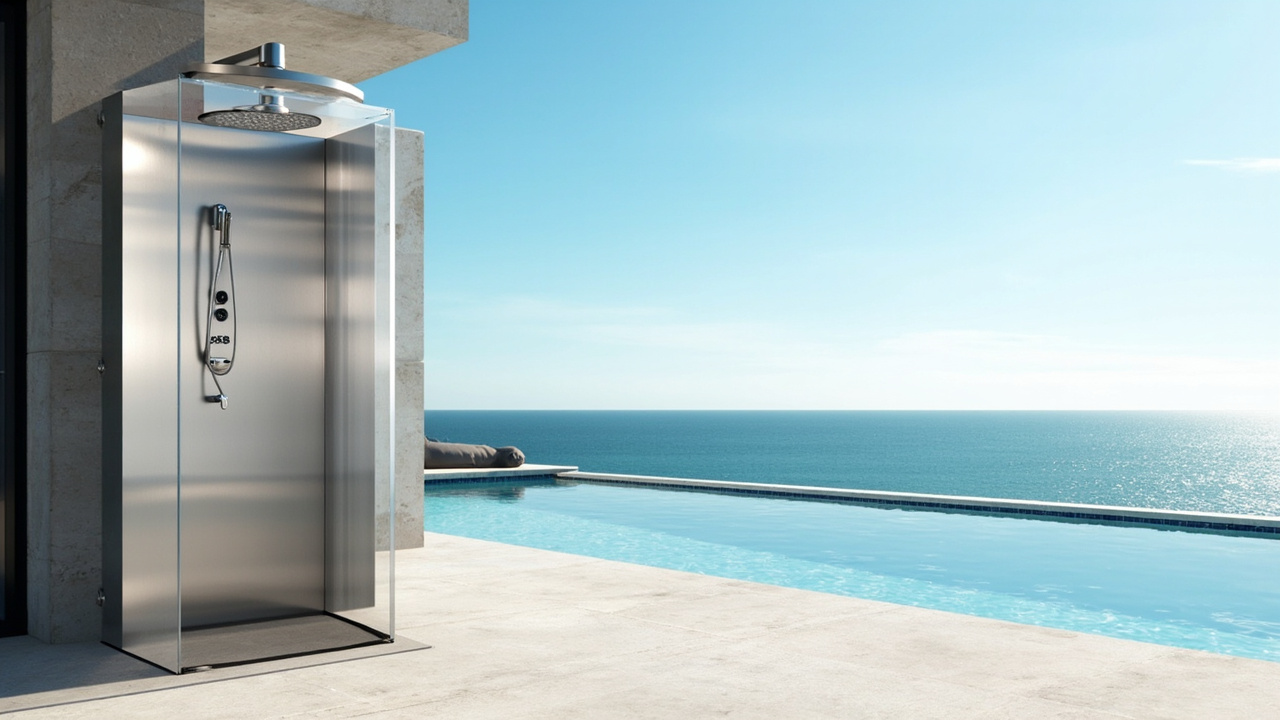
Picking the Right Type of Outdoor Shower for Your Golden Beach Waterfront Property

Living on the Atlantic coast in Golden Beach provides unparalleled access to the ocean, but the environment creates a unique…

How to Choose the Right Low Flow Showerhead That Still Has Great Pressure

How to Choose the Right Low Flow Showerhead That Still Has Great PressureMiami residents understand the value of water more…

Contact Us

Do not wait for a small leak to become a safety emergency. Call Cornerstone Plumbing Miami at (786) 789-8488 for immediate gas line repair or to schedule installation services. Our certified technicians respond quickly with the tools and materials needed to restore safe gas service to your Miami property.