




menu

How to Prevent Frozen Pipes in Miami – Protecting Your Plumbing During Rare Cold Snaps

Expert Guidance on Winterizing Plumbing Pipes and Safeguarding Your Property When Unexpected Freezes Strike South Florida's Vulnerable Water Lines

Slider Image 1
Slider Image 2
Slider Image 3
Slider Image 4
Slider Image 5
Slider Image 7
Slider Image 8
Slider Image 9
Slider Image 10
Slider Image 11

Why Miami Homeowners Face Unique Frozen Pipe Risks

Miami's subtropical climate creates a dangerous misconception. Most homeowners believe frozen pipes only happen up north. This assumption costs South Florida residents thousands in burst pipe damage when unexpected cold fronts push temperatures into the 30s.

Your home's plumbing was built for heat, not cold. Builders in Miami Beach, Coral Gables, and Kendall do not install the same pipe insulation you would find in Atlanta or Charlotte. Exposed exterior hose bibs, uninsulated crawl spaces, and thin-walled PVC supply lines become critical vulnerabilities during January cold snaps.

The 2010 freeze damaged over 10,000 Miami-Dade homes in just 48 hours. Water expands nine percent when it freezes. That expansion generates over 2,000 PSI of internal pressure, enough to split copper pipe seams and crack PVC joints. A single quarter-inch crack releases up to 250 gallons per day directly into your walls, ceilings, and foundation.

Keeping water pipes from freezing requires understanding Miami's specific risk factors. Overnight temperatures below 32°F combined with wind chill create freeze conditions fast. Pipes in exterior walls facing north, unheated garages, pool equipment rooms, and outdoor kitchens face the highest risk.

Stopping pipes from freezing starts 48 hours before the temperature drops. Once you hear water hammer or notice reduced flow from faucets, ice formation has already begun inside the line. The goal is frozen pipe prevention through preparation, not reactive fixes after damage occurs.

Why Miami Homeowners Face Unique Frozen Pipe Risks
The Science Behind Protecting Pipes From Freezing

The Science Behind Protecting Pipes From Freezing

Winterizing plumbing pipes in Miami focuses on three core principles: insulation, circulation, and heat retention.

Insulation creates a thermal barrier between cold air and water inside the pipe. Foam pipe sleeves rated R-3 or higher provide adequate protection for most residential applications. We focus on the first three feet of pipe after it exits your foundation or slab. This transition zone loses heat fastest because it connects your climate-controlled interior to the unprotected exterior environment.

Circulation prevents ice crystal formation. Moving water resists freezing far better than static water. A pencil-thin stream from faucets served by vulnerable lines keeps water molecules in motion. This technique works because friction generates microscopic heat and prevents crystals from bonding into solid ice. Focus on fixtures along exterior walls or in unheated spaces.

Heat retention means managing the warmth already present in your home. Opening cabinet doors under sinks allows warm air from your living space to circulate around supply lines. Closing crawl space vents traps residual heat from your foundation. Maintaining your thermostat at 55°F or higher during cold nights provides baseline protection.

Temperature monitoring gives you advance warning. Outdoor pipe sections drop below safe thresholds faster than indoor plumbing. A simple outdoor thermometer placed near exposed pipes tells you when to activate protection measures. At 35°F, start dripping faucets. At 32°F or below, add supplemental heat sources.

The biggest mistake Miami homeowners make is applying heat directly to frozen sections. Heat guns, blowtorches, and space heaters positioned too close cause rapid expansion and guaranteed pipe rupture. Gradual thawing using towels soaked in warm water prevents thermal shock damage.

Your Frozen Pipe Prevention Action Plan

How to Prevent Frozen Pipes in Miami – Protecting Your Plumbing During Rare Cold Snaps
01

Identify Vulnerable Locations

Walk your property and mark every exposed pipe, hose bib, and outdoor fixture. Check your attic, garage, pool equipment area, and exterior walls. Pipes in unconditioned spaces or attached to north-facing walls need immediate attention. Take photos and create a checklist you can reference when freeze warnings appear. This 20-minute assessment protects you from expensive emergency repairs.
02

Install Insulation and Covers

Wrap vulnerable pipes with foam sleeves, securing them with UV-resistant zip ties or pipe strap. Install insulated faucet covers on all exterior hose bibs. Seal gaps around pipe penetrations through exterior walls using expanding foam or caulk. These materials create dead air space that slows heat transfer. Proper installation takes one afternoon but provides protection for years. Focus on quality materials rated for outdoor use in humid climates.
03

Activate Protection Measures

When temperatures drop toward freezing, open cabinet doors, set faucets to drip, and disconnect garden hoses. Drain outdoor irrigation lines and pool equipment if temperatures will stay below 32°F for over four hours. Keep your thermostat consistent overnight rather than using setback programming. These simple actions prevent 90 percent of freeze damage. The small increase in your water and heating bill costs far less than repairing burst pipes and water damage.

Why Miami Homeowners Trust Local Plumbing Expertise

National plumbing chains send technicians trained for northern climates. They recommend solutions designed for Boston winters, not Miami cold snaps. Peak Plumbing Phoenix understands the specific construction methods, pipe materials, and climate patterns that make South Florida plumbing systems unique.

Miami homes built before 1980 often use galvanized steel supply lines with minimal insulation. Properties constructed during the building boom of the 1990s and 2000s favor thin-walled CPVC that becomes brittle in cold conditions. Newer construction in Doral, Aventura, and Pinecrest uses PEX, which tolerates freezing better but still fails at pipe connections and transition fittings.

We know which neighborhoods face the highest risk. Homes near the coast in Miami Beach and Key Biscayne experience wind chill that accelerates freezing. Properties in western Miami-Dade like Sweetwater and Fontainebleau sit further from the ocean's temperature-moderating effect. Inland areas drop three to five degrees colder on clear winter nights.

Local building codes in Miami-Dade County do not mandate pipe insulation for freeze protection. This creates a false sense of security. We educate homeowners about the gap between minimum code compliance and actual protection during weather extremes.

Our technicians carry pipe materials and fittings specifically suited for South Florida's humidity, soil chemistry, and water quality. We stock CPVC compatible with Miami-Dade's chloramine-treated water supply. We understand how limestone aggregate in your foundation affects pipe support and vibration.

Experience matters when rare events cause widespread damage. We responded to over 400 frozen pipe emergencies during the 2010 freeze. That real-world knowledge informs every prevention recommendation we make. We know what works and what wastes your money.

What You Get With Professional Freeze Prevention Service

Same-Day Prevention Consultations

When the National Weather Service issues a freeze warning, you need answers fast. We prioritize prevention calls during cold weather events. Our technicians assess your property's vulnerability, identify at-risk pipes, and install protection measures the same day you call. This rapid response prevents damage before it starts. We understand that in Miami, you get 48 hours' notice at most. Our scheduling system adjusts to weather forecasts, ensuring we have adequate crew availability when cold fronts approach South Florida.

Comprehensive Property Assessment

Our technicians inspect your entire plumbing system, not just obvious exterior fixtures. We check attic supply lines, crawl space pipes, pool and spa equipment, outdoor kitchens, irrigation backflow preventers, and washing machine connections in unheated garages. We use infrared thermometers to identify cold spots in exterior walls where pipes run through unconditioned spaces. You receive a written report documenting every vulnerable location with photos and specific protection recommendations. This assessment becomes your permanent reference guide for future freeze events.

Quality Materials and Installation

We install commercial-grade foam pipe insulation with sealed seams, not hardware store split sleeves that gap and compress. Our faucet covers use thick insulated fabric with drawstring closures and internal heat-trapping layers. All materials resist Miami's humidity, UV exposure, and temperature swings. Proper installation matters. We secure insulation every 18 inches to prevent sagging and gaps. We seal penetrations with marine-grade sealants that remain flexible in temperature extremes. These details separate effective protection from false security.

Emergency Response During Freezes

Despite best prevention efforts, pipes sometimes freeze. We maintain 24/7 emergency availability during freeze events. If you discover frozen pipes or hear water running inside walls, we respond within two hours. Our trucks carry pipe thawing equipment, replacement fittings, and water extraction tools. We stop the damage, repair the break, and restore your water service. Emergency calls receive priority dispatch. You will speak directly with a technician, not an answering service. We stay available until temperatures return to safe levels.

Frequently Asked Questions

You Have Questions,
We Have Answers

At what temperature will pipes freeze? +

Pipes begin to freeze when temperatures drop to 32°F or below, but damage risk increases when outdoor temps hit 20°F for extended periods. In Miami, freezing events are rare but can occur during cold snaps, especially in January or February. Unheated areas like attics, crawl spaces, and exterior walls are most vulnerable. Pipes without insulation or located in shaded areas freeze faster. Even brief exposure to freezing temps can cause ice blockages. Miami's subtropical climate means homes are often built without robust cold-weather protection, making prevention critical during unusual cold fronts.

At what temperature should you let your faucets drip? +

Let faucets drip when outdoor temperatures drop below 32°F, especially if temps are forecast to stay at or below 28°F overnight. In Miami, this typically means monitoring weather alerts during rare winter cold fronts. Focus on faucets connected to pipes in exterior walls, attics, or unheated spaces. A slow, steady drip relieves pressure buildup if ice forms, reducing rupture risk. Both hot and cold lines benefit from this technique. The drip should be pencil-lead thin, just enough to keep water moving. This simple step prevents costly burst pipe emergencies during Miami's infrequent freezes.

Does adding rubbing alcohol to water keep it from freezing? +

Adding rubbing alcohol to water lowers its freezing point, but this method is impractical and potentially hazardous for plumbing systems. Alcohol can damage pipe seals, gaskets, and fixtures over time. It also contaminates potable water, creating health risks. In Miami, where freezing events are brief and rare, proper insulation and drip techniques are safer and more effective. If you face frozen pipes, use approved heating methods like heat tape or warm towels instead. Never introduce chemicals into your water supply lines. Focus on prevention through pipe insulation, cabinet door opening, and thermostat maintenance during cold snaps.

What not to do when pipes are frozen? +

Never use open flames, blowtorches, or propane heaters to thaw frozen pipes. These create fire hazards and can boil water inside pipes, causing explosive bursts. Do not ignore frozen pipes, hoping they will self-thaw. Ice expands and cracks pipes, leading to hidden leaks that flood your home once temps rise. Avoid applying heat to visibly bulging or damaged pipe sections. Do not turn off your water main before locating the freeze point, as this traps pressure. In Miami, where homeowners lack freeze experience, call a licensed plumber immediately if you suspect frozen pipes to prevent catastrophic water damage.

How Miami's Subtropical Climate Creates Hidden Freeze Vulnerabilities

Miami averages only three nights per year below 40°F. This rarity means your plumbing system operates in thermal comfort 362 days annually. When January cold fronts drop overnight temperatures into the low 30s, your pipes face conditions they were never designed to handle. Northern homes feature pipes run through heated interior walls with six inches of fiberglass insulation. Miami construction places supply lines in exterior walls with minimal thermal protection. Your CPVC loses heat 40 percent faster than the copper used in colder climates. Pool equipment, outdoor showers, and irrigation systems remain exposed year-round because they rarely face freeze risk. These factors combine during brief cold snaps to create perfect conditions for catastrophic pipe failure across entire neighborhoods simultaneously.

Peak Plumbing Phoenix has served Miami-Dade and Broward counties for over a decade. We understand local construction practices because we work in these homes daily. Our technicians recognize the difference between CBS construction common in Hialeah and wood-frame homes in Coconut Grove. We know that condos along Brickell Avenue face different risks than single-family homes in Palmetto Bay. This geographical knowledge informs every recommendation we make. We do not sell unnecessary services. We provide targeted protection for your specific property type, construction era, and microclimate. Our reputation depends on neighbors recommending us to neighbors. That accountability keeps our focus on real solutions, not sales quotas.
Plumbing Services in The Miami Area

Easily locate Cornerstone Plumbing on the map and explore our primary service area. We are conveniently situated to provide swift and efficient plumbing services throughout Miami and its surrounding communities. Our strategically located operations ensure that a skilled technician is always nearby, ready to address your residential or commercial plumbing needs with promptness and unparalleled expertise, ensuring you receive timely and effective support whenever you need it most.

Address:
Cornerstone Plumbing Miami, 2332 Galiano St, Miami, FL, 33134

Additional Services We Offer

Our news updates

Latest Articles & News from The Blogs

A main water line break in a high traffic area like the Wynwood Art District is more than a simple…

Emergency Main Water Line Repair for Wynwood Businesses

A main water line break in a high traffic area like the Wynwood Art District is more than a simple…

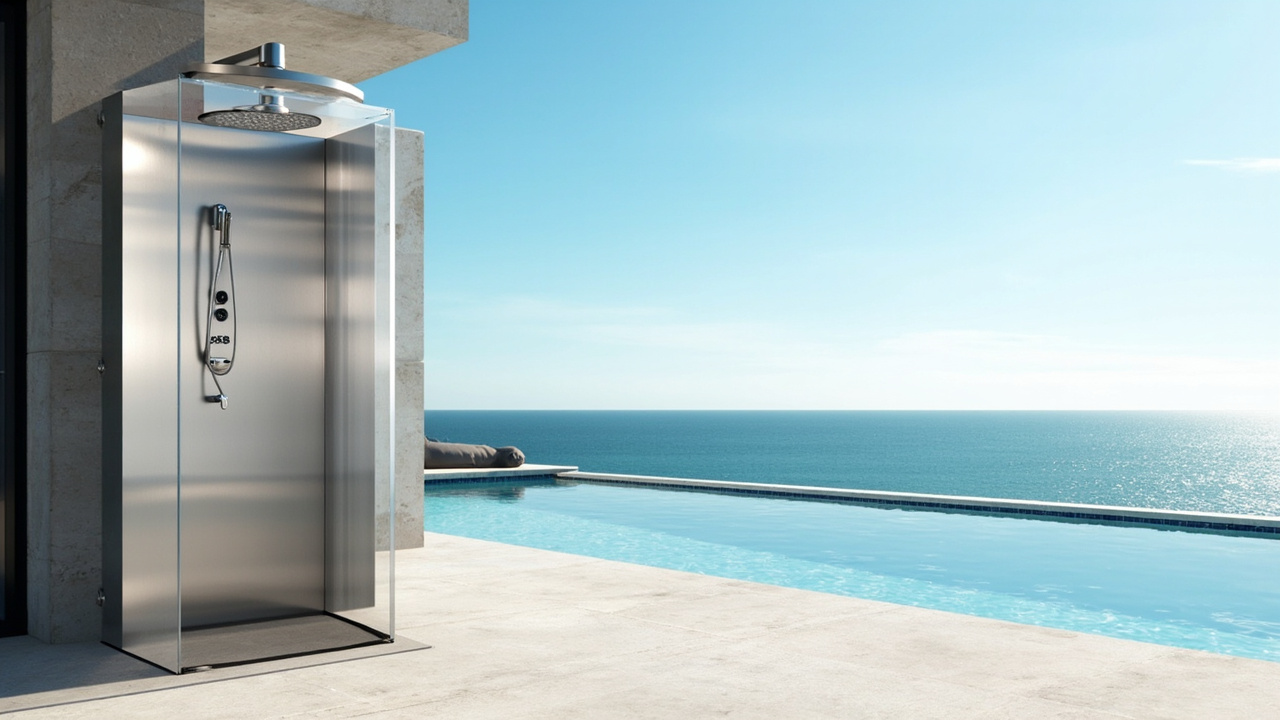
Picking the Right Type of Outdoor Shower for Your Golden Beach Waterfront Property

Living on the Atlantic coast in Golden Beach provides unparalleled access to the ocean, but the environment creates a unique…

How to Choose the Right Low Flow Showerhead That Still Has Great Pressure

How to Choose the Right Low Flow Showerhead That Still Has Great PressureMiami residents understand the value of water more…

Contact Us

Do not wait for a weather alert to take action. Call Peak Plumbing Phoenix at (786) 789-8488 today for a freeze vulnerability assessment. We will identify your risks and install protection measures before temperatures drop. Prevention costs far less than emergency repairs.