




Miami-Dade County treats drinking water from the Biscayne Aquifer, which sits directly on top of porous limestone bedrock. This creates naturally hard water with dissolved calcium and magnesium levels that exceed 200 parts per million in many neighborhoods. Your pipes develop scale buildup faster than homes supplied by surface water reservoirs. The same limestone geology raises pH above 8.0 in many areas, which accelerates copper corrosion and creates the blue-green staining you see on fixtures. Coastal properties face additional challenges from saltwater intrusion during dry seasons when freshwater levels drop. The chloride content corrodes stainless steel components and eats through galvanized coatings. A plumbing system inspection guide for Miami must address water chemistry impacts that shorten component lifespan compared to national averages.
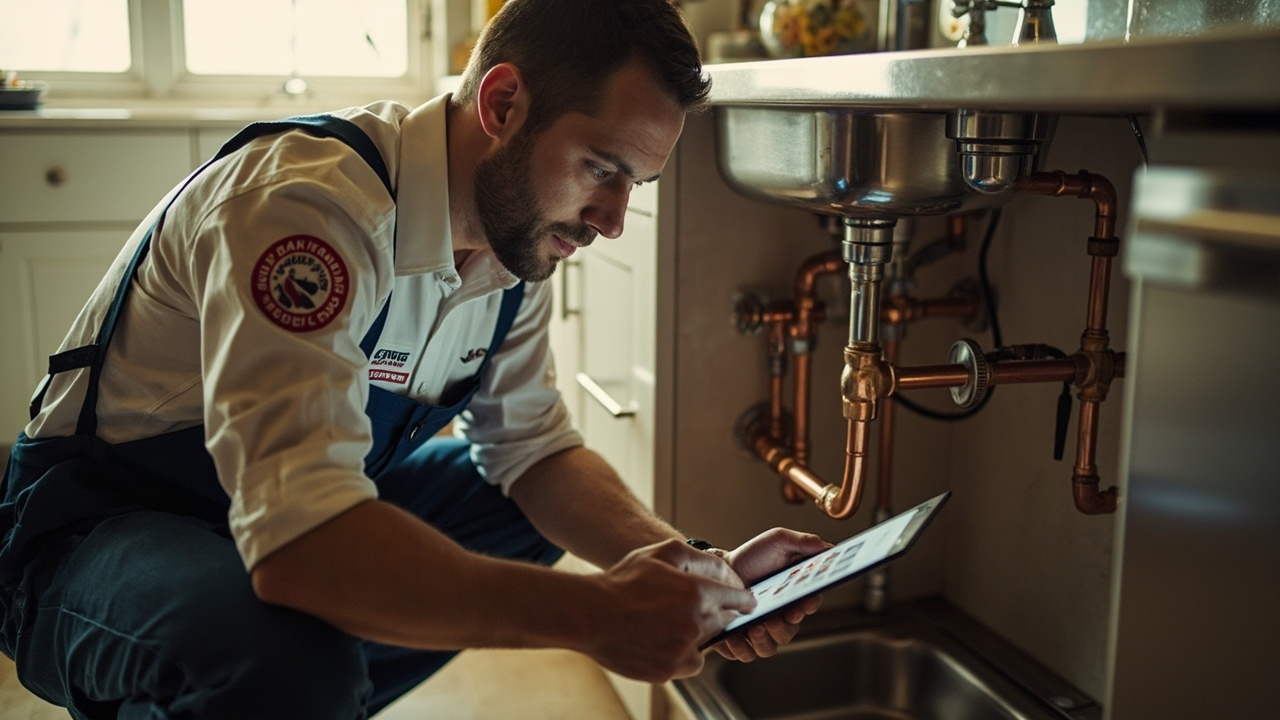
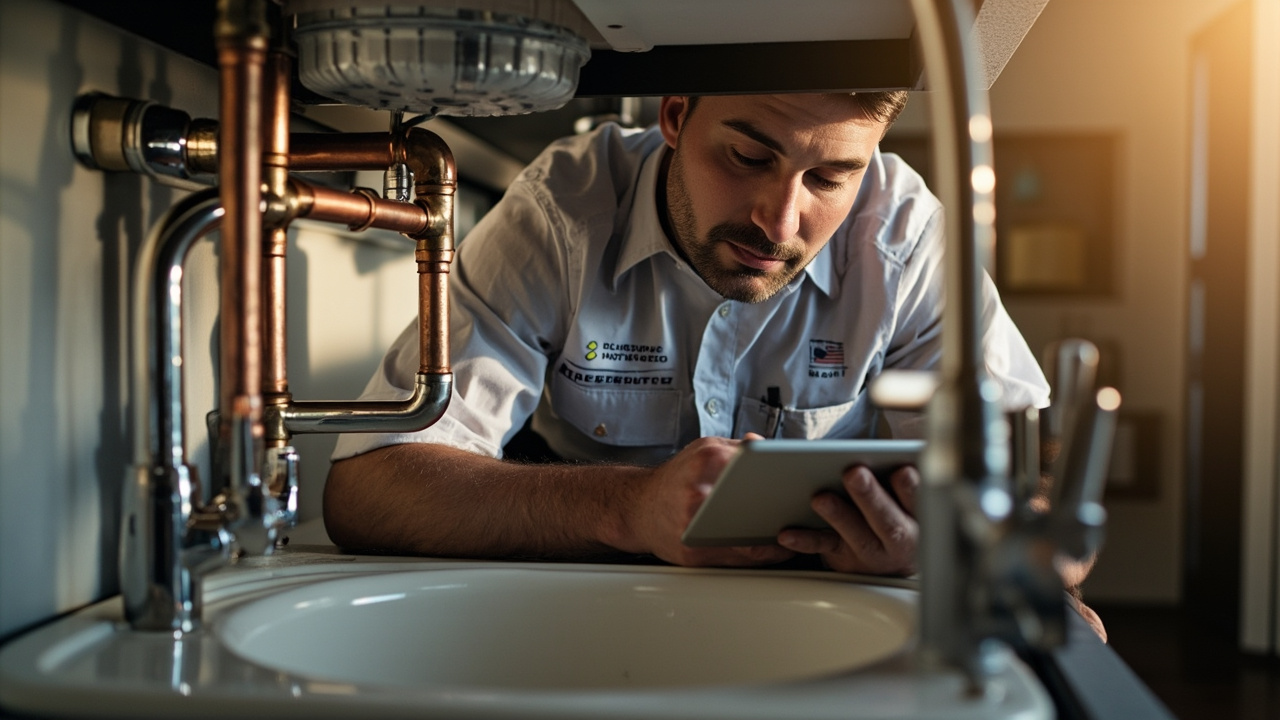
Cornerstone Plumbing Miami understands how local water conditions affect different pipe materials because we work exclusively in Miami-Dade and Broward counties. We see the same failures repeatedly in specific neighborhoods and can predict which components will fail based on your location. Properties near Biscayne Bay face different challenges than homes in Kendall or Homestead. We test your water as part of the inspection process and recommend solutions specific to your chemistry profile. This targeted approach prevents the generic advice that wastes money on treatments you do not need. Local expertise means recognizing that the residential plumbing checkup list for a 1970s Coral Gables home differs completely from the inspection priorities for new construction in Doral.