




menu

Commercial Plumbing Contractors in Miami | Industrial-Grade Systems Built for Zero Downtime

When your commercial facility needs plumbing work, you need industrial plumbing contractors who understand high-capacity systems, health department compliance, and the cost of business interruption in Miami's competitive market.

Slider Image 1
Slider Image 2
Slider Image 3
Slider Image 4
Slider Image 5
Slider Image 7
Slider Image 8
Slider Image 9
Slider Image 10
Slider Image 11

Why Miami Commercial Facilities Demand Specialized Plumbing Contractors

Your commercial facility operates under different rules than residential properties. Miami's hot, humid climate accelerates mineral buildup in high-volume water systems. The salt air from Biscayne Bay corrodes exposed piping faster. Your restaurant grease traps require daily flow in 90-degree heat. Your hotel guest floors cannot tolerate service interruptions. Your medical facility must maintain strict backflow prevention for health codes.

Generic commercial plumbing companies do not understand the liability exposure you face. A failed backflow preventer shuts down your restaurant. A clogged main line floods your retail space during peak hours. A water heater failure leaves your hotel without hot water for 200 guests. You need commercial plumbers who treat your facility like the revenue-generating asset it is.

Miami-Dade County enforces strict commercial plumbing codes. Your building inspector knows the difference between residential-grade work and commercial-grade installations. The Florida Building Code requires specific pipe sizing, fixture counts, and backflow devices based on your occupancy type. Industrial plumbing contractors who work in Miami understand these requirements without learning on your dime.

Commercial plumbing services for office buildings, hotels, restaurants, medical facilities, and industrial plants require different tools, different expertise, and different response times than residential work. You pay for business continuity, not just pipe repairs. Commercial plumbing firms that understand this difference protect your bottom line. Those that do not cost you customers, revenue, and reputation every hour a system stays down.

Why Miami Commercial Facilities Demand Specialized Plumbing Contractors
How Professional Commercial Plumbing Contractors Approach System Design and Repair

How Professional Commercial Plumbing Contractors Approach System Design and Repair

Commercial plumbing systems move thousands of gallons per day through complex distribution networks. Your main water lines feed dozens of fixtures simultaneously. Your waste lines handle peak loads that would destroy residential pipes. Your hot water recirculation loops must maintain temperature across multiple floors. This is not work for generalists.

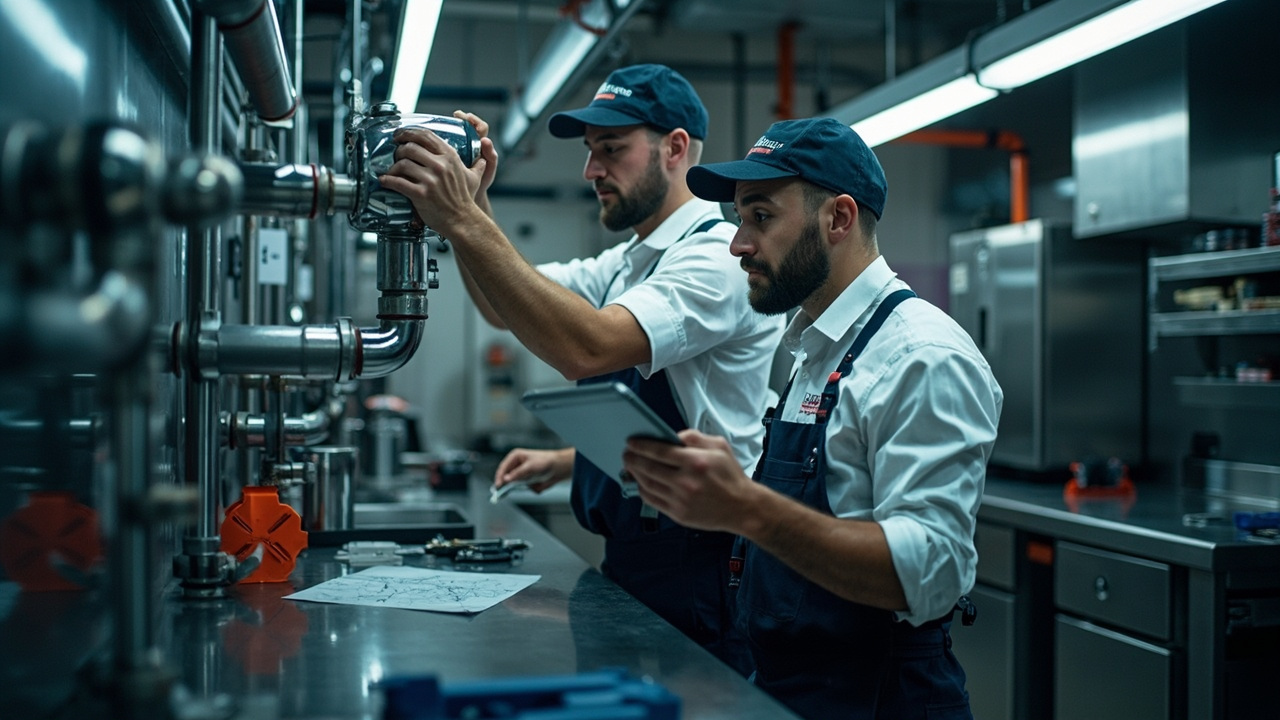
Cornerstone Plumbing Miami starts every commercial project with a system audit. We calculate your actual fixture unit demand, not what the original plans show. We measure water pressure at multiple points during peak usage hours. We inspect your backflow preventers for proper installation and testing certification. We check your grease interceptor sizing against your kitchen equipment load. We verify your ADA-compliant fixture ratios match your occupancy permit.

Then we engineer solutions around your operating schedule. Restaurants get overnight installations so you open on time. Hotels get phased repairs by floor so you keep rooms occupied. Medical offices get same-day emergency response because you cannot reschedule patient procedures. Retail spaces get weekend work so you do not lose weekday foot traffic.

We use commercial-grade materials rated for high-cycle use. Your fixtures endure hundreds of daily uses. Your flush valves need commercial operator mechanisms. Your faucets need vandal-resistant aerators. Your water heaters need industrial burner assemblies and heavy-duty anodes. We install Zurn, Sloan, and Watts components designed for commercial environments, not box store parts that fail under load.

Our commercial plumbers carry commercial licensing and proper liability coverage. Miami-Dade requires separate permitting for commercial work. Your insurance company audits contractor credentials. We document every installation with material specifications, pressure test results, and code compliance photos. You get a paper trail that protects you during inspections, insurance claims, and tenant disputes.

What Happens During a Commercial Plumbing Project

Commercial Plumbing Contractors in Miami | Industrial-Grade Systems Built for Zero Downtime
01

System Assessment and Scheduling

We evaluate your existing plumbing infrastructure, identify failure points, and calculate capacity requirements based on your actual usage patterns. Then we build a work schedule around your business hours, tenant needs, and occupancy requirements. You get a detailed scope of work with material specifications, timeline milestones, and coordination points before any tools arrive onsite.
02

Staged Installation and Testing

Commercial installations happen in phases to minimize operational disruption. We isolate sections of your building, complete the work, restore service, then move to the next zone. Every connection gets pressure tested. Every drain line gets flow tested. Every fixture gets adjustment for proper operation. Your facility stays functional while we upgrade or repair the infrastructure behind the walls.
03

Documentation and Compliance Verification

You receive complete documentation showing permit approvals, inspection sign-offs, material certifications, and system test results. We provide as-built drawings showing exact pipe routing and valve locations for future service work. Your property manager gets a maintenance schedule outlining inspection intervals for backflow devices, water heaters, and other code-required components. You have everything needed for insurance compliance and building department records.

Why Miami Commercial Property Managers Choose Experienced Industrial Contractors

Commercial plumbing failures cost more than repair bills. A flooded office suite loses tenant rent. A failed restaurant grease trap triggers health department closure. A broken hotel boiler leaves guests without hot water and generates chargeback requests. You need commercial plumbing contractors who understand the financial stakes and work accordingly.

Miami's commercial building stock includes everything from 1950s Art Deco hotels to modern glass towers along Brickell Avenue. Older buildings use galvanized steel supply lines and cast iron waste stacks that corrode from the inside. Newer buildings use PEX and PVC systems that require different repair techniques. Historic properties in areas like Coral Gables face preservation guidelines that restrict visible alterations. We have worked in all these environments and know how to navigate the specific challenges each building type presents.

Local code knowledge saves you inspection delays and re-work costs. Miami-Dade requires specific backflow preventer types based on hazard classification. Restaurants need double-check valve assemblies or reduced pressure zone devices depending on chemical storage and dishwasher connections. Medical facilities need additional air gaps and vacuum breakers. We install the correct devices the first time because we have passed the same inspections hundreds of times across Miami commercial properties.

Cornerstone Plumbing Miami maintains relationships with local health inspectors, building officials, and property management companies throughout Dade County. When you need emergency permit approvals or expedited inspections, we know who to contact and what documentation they require. This speeds up your project timeline and gets your facility back to full operation faster than contractors who treat every job like their first interaction with Miami building departments.

What to Expect When You Hire Commercial Plumbing Services

Response Time and Availability

Commercial plumbing emergencies do not wait for business hours. A burst pipe at 2 AM floods your building whether we answer the phone or not. We maintain 24/7 emergency response for commercial clients because your facility operates around the clock. You get a live person who dispatches a commercial plumber immediately, not a voicemail promising next-day callback. For scheduled projects, we provide three-week lead times for standard work and expedited scheduling for urgent repairs that cannot wait. Your project manager gets direct contact information for our commercial crew leaders so you can coordinate access, deliveries, and inspections without routing through a call center.

Site Assessment and Proposal Process

We conduct onsite evaluations during your normal business hours to observe actual system performance under load. A restaurant kitchen looks different at 7 PM than at 9 AM. An office building water pressure problem might only appear when all floors are occupied. We test, measure, and document existing conditions, then provide detailed proposals showing labor breakdown, material specifications, and compliance requirements. You get transparent pricing based on actual scope, not vague estimates that balloon during construction. Our proposals include contingency line items for common surprises like corroded fittings or out-of-code rough-in dimensions so you understand potential cost variables before signing.

Quality Standards and Material Selection

Commercial installations demand commercial-grade components. We use schedule 40 PVC for waste lines, not thin-wall drainage pipe. We install brass or stainless steel shut-off valves, not plastic quarter-turn valves that crack under daily use. Your water heaters get commercial atmospheric vents sized for BTU input, not residential single-wall vent pipe. Every material selection follows manufacturer specifications for commercial applications and Miami-Dade building code requirements. You get installations that pass inspection the first time and survive years of heavy use without callback repairs. Our work meets ASME A112 standards for commercial plumbing fixtures and ASSE standards for backflow prevention devices.

Post-Installation Support and Maintenance

Commercial plumbing systems require ongoing maintenance to stay code-compliant and operational. Backflow preventers need annual testing and certification. Water heaters need periodic flushing to remove sediment buildup. Grease interceptors need pumping schedules based on kitchen volume. We provide maintenance agreements tailored to your facility type with scheduled service visits, priority emergency response, and documentation that satisfies health department and insurance company requirements. Your property manager receives service reports after every visit showing work completed, parts replaced, and any developing issues that need attention before they become emergencies. This proactive approach prevents unexpected failures and extends equipment service life.

Frequently Asked Questions

You Have Questions,
We Have Answers

What type of plumber makes the most money? +

Commercial plumbers earn the highest income. They handle complex systems in office buildings, hotels, hospitals, and industrial facilities across Miami. These jobs require advanced skills in backflow prevention, grease trap maintenance, high-pressure systems, and compliance with stringent Florida Building Code requirements. Master plumbers who specialize in commercial service, project management, or own their own businesses earn significantly more than residential-only technicians. Miami's growing commercial real estate market drives demand for experienced commercial plumbers who can manage large-scale installations, minimize downtime, and ensure code compliance across multi-story properties and mixed-use developments.

Can a plumber make $100,000 a year? +

Yes. Many plumbers in Miami exceed $100,000 annually. Journeyman plumbers working in commercial settings, handling emergency service calls, or specializing in high-demand areas like medical gas systems or backflow testing can hit six figures. Master plumbers who own their businesses or work on large commercial projects often surpass this threshold. Miami's year-round construction activity, tourism infrastructure demands, and constant need for emergency repairs create strong earning potential. Overtime, on-call pay, and specialized certifications boost income. Plumbers who focus on commercial clients rather than residential service typically reach this milestone faster due to higher project values and billings.

Is commercial plumbing more expensive? +

Yes, commercial plumbing costs more than residential work. Commercial projects involve larger-scale systems, specialized materials, complex code requirements, and higher liability. A commercial backflow preventer installation or grease trap service at a Miami restaurant runs significantly more than a home faucet repair. Labor costs increase due to after-hours scheduling to avoid business disruptions. Materials must meet commercial-grade specifications. Permits and inspections follow stricter Miami-Dade County protocols. However, commercial plumbing prevents costly downtime, protects property values, and ensures regulatory compliance. The investment protects your business continuity and limits liability exposure from failed systems or code violations.

What is a commercial plumber called? +

A commercial plumber. The title remains the same, but the scope differs significantly from residential plumbing. Commercial plumbers specialize in systems for businesses, multi-family properties, hotels, restaurants, hospitals, and industrial facilities. They hold the same state licensing as residential plumbers but require additional expertise in large-diameter piping, commercial water heaters, backflow assemblies, grease interceptors, and multi-story pressure systems. In Miami, commercial plumbers must understand Florida Building Code commercial applications, ADA compliance for public restrooms, and specialized systems like medical gas lines or restaurant equipment connections. The work demands project management skills and coordination with general contractors and facility managers.

What jobs make $3,000 a month without a degree? +

Plumbing apprenticeships offer a direct path to $3,000 monthly without a college degree. Entry-level commercial plumbers, HVAC technicians, and electricians in Miami regularly earn this amount. Other trades include welding, construction equipment operation, and facilities maintenance. Commercial driving with a CDL, hospitality management positions, and sales roles also hit this threshold. Miami's service economy, port operations, and construction activity create consistent demand. Plumbing offers the strongest long-term earning trajectory because you gain skills while earning. Apprentices start around $15-$18 hourly, reaching $3,000 monthly quickly. As you advance to journeyman status, income doubles or triples without student debt.

Can plumbers make 250k a year? +

Yes, but it requires strategic positioning. Plumbers earning $250,000 typically own established commercial plumbing businesses in Miami, serve as project managers on large developments, or specialize in high-value niches like medical gas certification or industrial process piping. Business owners achieve this through multiple revenue streams, managing crews, and securing commercial contracts with property management firms, hotels, or hospital systems. Self-employed master plumbers handling emergency commercial service across Miami-Dade County can approach this figure through volume and premium pricing. W-2 employees rarely reach $250,000 unless in senior management roles at large mechanical contractors. Ownership and specialization drive these earnings.

Are there millionaire plumbers? +

Yes. Plumbers who build successful commercial contracting businesses can accumulate significant wealth. Millionaire plumbers typically own companies serving commercial clients, manage multiple crews, and hold long-term service contracts with property managers or facility operators in markets like Miami. They leverage recurring revenue from maintenance agreements, emergency service premiums, and new construction projects. Real estate investment using plumbing income accelerates wealth building. The combination of high margins on commercial work, business ownership, and strategic reinvestment creates millionaire potential. However, this requires business acumen beyond technical skills. Most millionaire plumbers transitioned from technician to entrepreneur, building equity in their companies over decades.

What is the easiest job to make 100K a year? +

No single job guarantees easy six-figure income, but commercial plumbing offers one of the clearest paths without a degree. You earn while learning through apprenticeships, avoid student debt, and reach journeyman status in four to five years. Miami's commercial construction market, tourism infrastructure, and year-round building activity create consistent demand. Software sales, specialized nursing roles, and commercial driving with hazmat endorsements also reach $100,000, but plumbing provides tangible skills and business ownership potential. The work is physically demanding, not easy. However, the barrier to entry is lower than most professions paying six figures, and the career trajectory is predictable.

Can plumbers make 200k? +

Yes. Commercial plumbers reaching $200,000 annually typically own their businesses, manage large commercial projects, or specialize in high-demand areas. In Miami, this income level requires a combination of master plumber licensure, commercial client base, and business infrastructure. Self-employed plumbers achieve this through volume, premium emergency rates, and service contracts with hotels, hospitals, or multi-family properties. Project managers overseeing new construction for mechanical contractors can approach this figure. The key is transitioning from hourly labor to business ownership or high-level project management. Most plumbers earning $200,000 employ other technicians and generate revenue beyond their own labor hours.

What is the 135 rule for plumbing? +

The 135-degree rule refers to the maximum acceptable offset angle when connecting horizontal drain pipes using two 45-degree fittings instead of a single 90-degree elbow. This configuration creates smoother flow, reduces clog risk, and minimizes pressure loss in commercial drainage systems. The two 45-degree fittings total 90 degrees of direction change, but when measured from the original pipe direction, the angle is 135 degrees. Miami commercial projects follow this principle to meet Florida Plumbing Code requirements for proper drainage in restaurants, hotels, and multi-story buildings. The rule prevents standing water, maintains flow velocity, and reduces maintenance issues in high-use commercial drain systems.

How Miami's Commercial Building Codes and Climate Impact Plumbing System Requirements

Miami's position at sea level with a high water table creates unique challenges for commercial plumbing systems. Below-grade parking garages and basement mechanical rooms face constant hydrostatic pressure that stresses waste line connections. The 90-degree average temperature accelerates bacteria growth in drain lines and requires more frequent grease trap service for restaurants. Salt air from Biscayne Bay corrodes exposed piping, mounting brackets, and valve operators on rooftop equipment. Commercial buildings near the coast need stainless steel or heavily coated components to survive the harsh environment. Miami-Dade County requires seismic restraints on water heaters and specific hurricane-rated venting systems for gas appliances. These are not suggestions. Inspectors red-tag installations that do not meet current Florida Building Code standards, even in older buildings undergoing renovations.

Local commercial plumbing contractors understand Miami's inspection process and building department expectations. We know which inspectors prioritize backflow testing documentation versus fixture mounting heights. We know that certain municipalities within Dade County enforce stricter water conservation requirements than others. We maintain relationships with local suppliers who stock commercial-grade parts that meet Florida product approval listings. When you hire out-of-area contractors, they learn these details during your project, causing delays and re-work. When you hire Cornerstone Plumbing Miami, we already know the requirements, have the approved materials staged, and can schedule inspections without extended wait times. That difference keeps your project on schedule and your building operational.
Plumbing Services in The Miami Area

Easily locate Cornerstone Plumbing on the map and explore our primary service area. We are conveniently situated to provide swift and efficient plumbing services throughout Miami and its surrounding communities. Our strategically located operations ensure that a skilled technician is always nearby, ready to address your residential or commercial plumbing needs with promptness and unparalleled expertise, ensuring you receive timely and effective support whenever you need it most.

Address:
Cornerstone Plumbing Miami, 2332 Galiano St, Miami, FL, 33134

Additional Services We Offer

Our news updates

Latest Articles & News from The Blogs

A main water line break in a high traffic area like the Wynwood Art District is more than a simple…

Emergency Main Water Line Repair for Wynwood Businesses

A main water line break in a high traffic area like the Wynwood Art District is more than a simple…

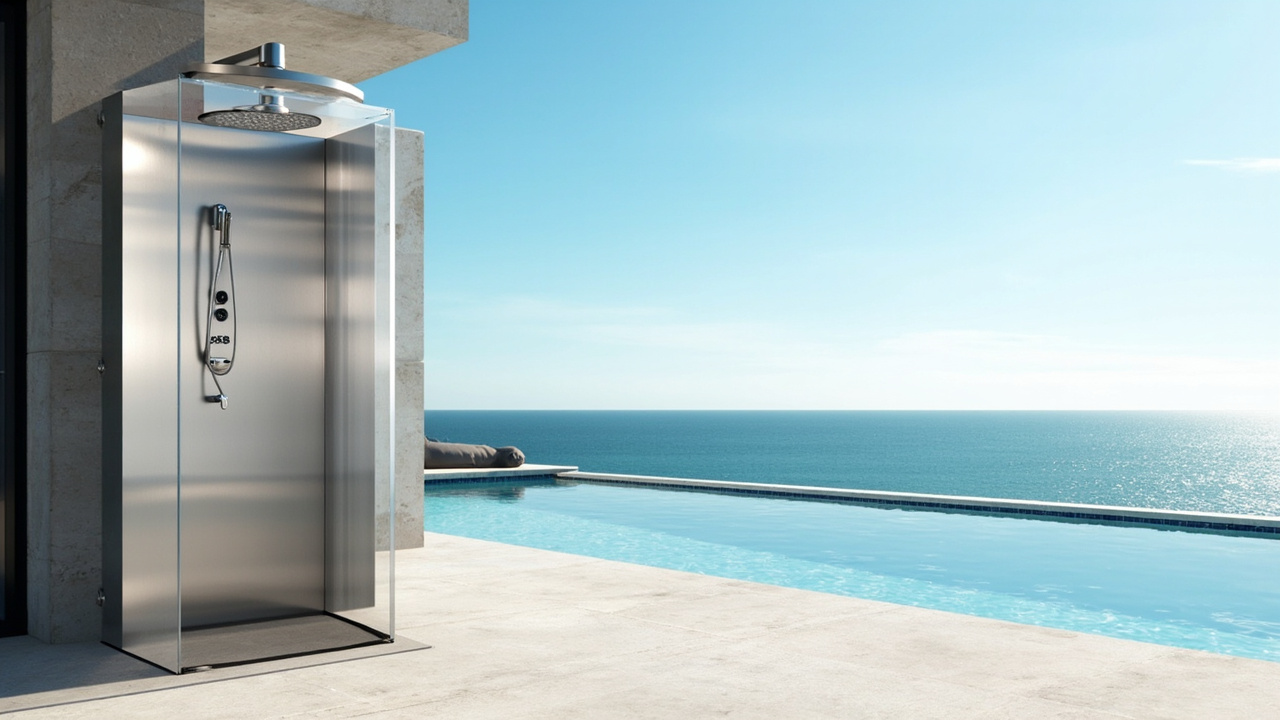
Picking the Right Type of Outdoor Shower for Your Golden Beach Waterfront Property

Living on the Atlantic coast in Golden Beach provides unparalleled access to the ocean, but the environment creates a unique…

How to Choose the Right Low Flow Showerhead That Still Has Great Pressure

How to Choose the Right Low Flow Showerhead That Still Has Great PressureMiami residents understand the value of water more…

Contact Us

Your facility cannot afford downtime from plumbing failures. Call (786) 789-8488 now to schedule a system assessment. We provide transparent proposals, commercial-grade installations, and maintenance programs that keep your business running without interruption.