




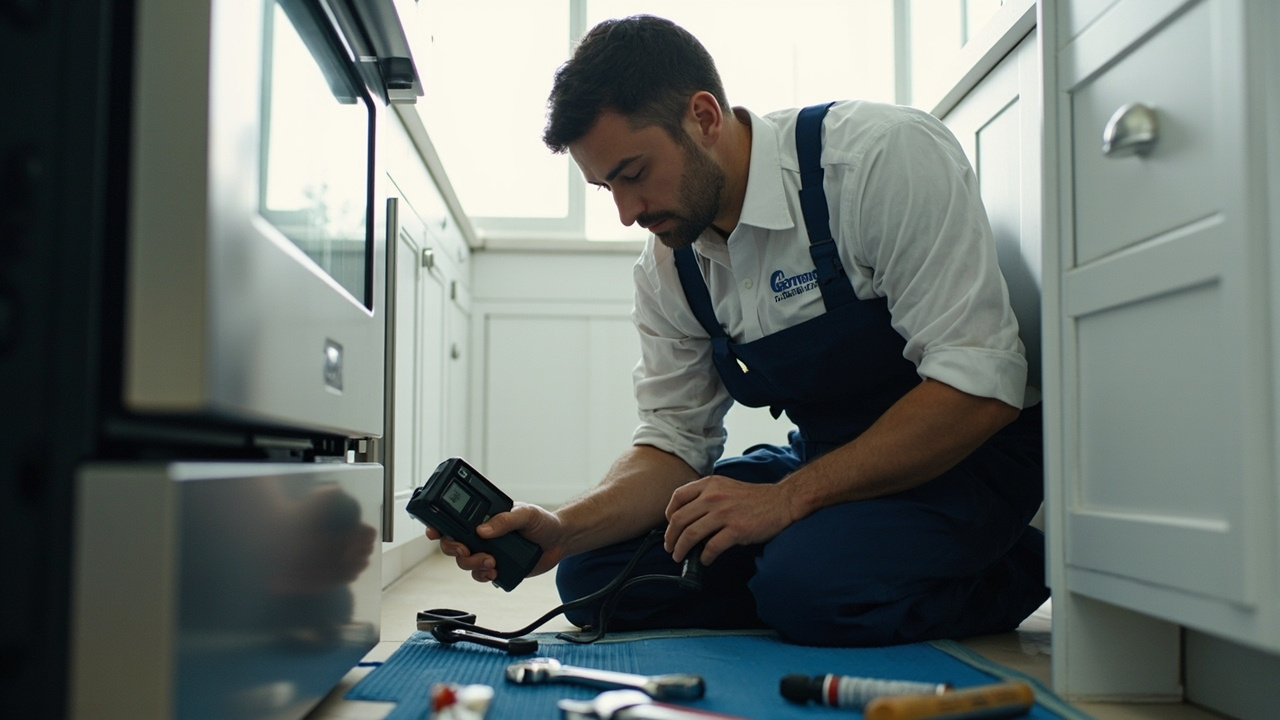


Miami sits on porous limestone with a water table often just three to five feet below grade. When natural gas or propane leaks from an underground service line, it does not always vent where the pipe is damaged. Instead, it migrates through the limestone bedrock, following paths of least resistance and sometimes surfacing 10 or 20 feet from the actual leak point. This makes gas pipe leak detection more complex than in cities with clay or granite substrates. Soggy soil near your foundation might be a sprinkler issue or it might be gas pushing water aside as it vents. That is why we use electronic detectors and pressure testing instead of relying on visual cues or odor alone.
South Florida's hurricane history also creates long-term gas line risks. Foundation settling after storms, root intrusion from the tropical vegetation, and corrosion from saltwater intrusion all stress gas piping over time. Cornerstone Plumbing Miami has responded to hundreds of gas leak calls across Miami-Dade and understands the local failure patterns. We know which neighborhoods have older gas mains, which builders used substandard materials in the 1980s, and how Miami's building department inspects gas work. That local knowledge means faster diagnosis, accurate repairs, and fewer surprises during permitting and inspection.