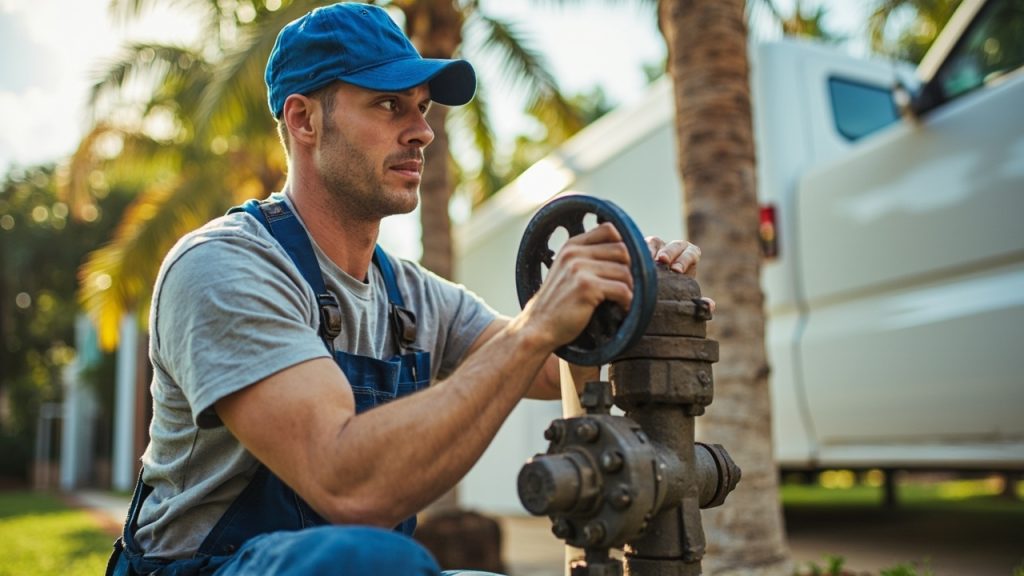
Living in North Miami Beach means you understand the force of the Atlantic hurricane season. Every year, residents from Eastern Shores to Uleta brace for heavy rain and high winds. Most people remember to shutter their windows and stock up on batteries, but they often forget the most vulnerable part of their home. Your plumbing system faces extreme pressure during a tropical storm. Between storm surges and local flooding, your pipes and fixtures are at high risk for damage. Taking proactive steps now prevents thousands of dollars in repairs later. This guide explains how to secure your North Miami Beach plumbing before the first storm warning appears on the radar.
Preparation starts with understanding your local infrastructure. North Miami Beach has a mix of older ranch-style homes and new developments. Each has unique plumbing needs. Older homes often still have original sewer lines that struggle with the heavy saturation of Miami soil. When the ground becomes waterlogged, the pressure on your underground pipes increases significantly. You need a system that can withstand the hydraulic load of a South Florida summer. Waiting until a hurricane is in the Florida Straits is too late to start these inspections. You should begin your checklist while the weather is clear and local hardware stores have supplies in stock.
Testing Your Main Water Shut Off Valve
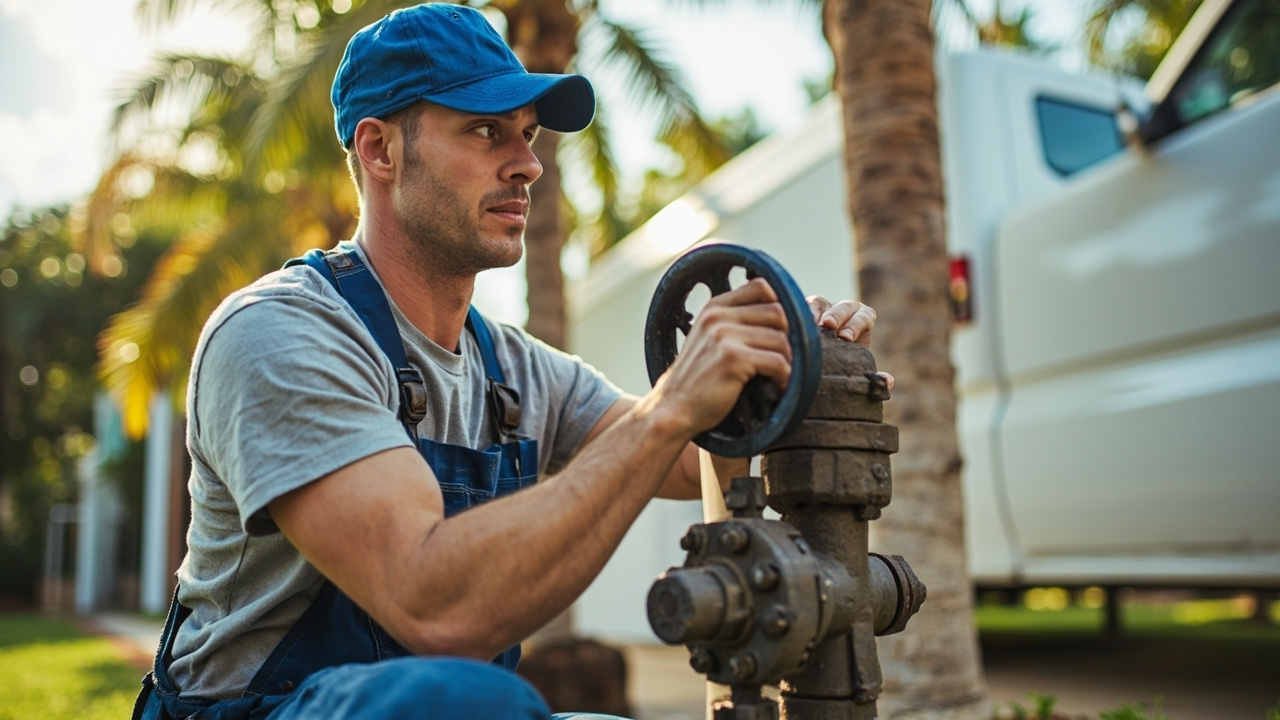
Your main water shut-off valve is the most important component of your plumbing system during a hurricane. If a pipe bursts due to structural shifts or flying debris, you must be able to stop the flow of water immediately. In most North Miami Beach homes, this valve is located near the front of the house or inside a small box near the sidewalk. You must verify that the valve turns easily. Salt air in Miami can cause metal components to corrode and seize up over time. If you cannot turn the handle with your bare hands, you need to replace it before storm season arrives.
Once you locate the valve, turn it clockwise to the off position. Go inside and turn on a faucet to confirm the water has stopped completely. If water continues to trickle, the valve is failing and will not protect you during an emergency. This is a common issue in older properties where sediment has built up inside the mechanism. Having a working valve allows you to isolate your home from the city grid if the Miami-Dade Water and Sewer Department issues a boil water notice or reports a main break. Knowing how to operate this simple device can save your interior from catastrophic flooding.
Inspecting Sump Pumps and Battery Backups
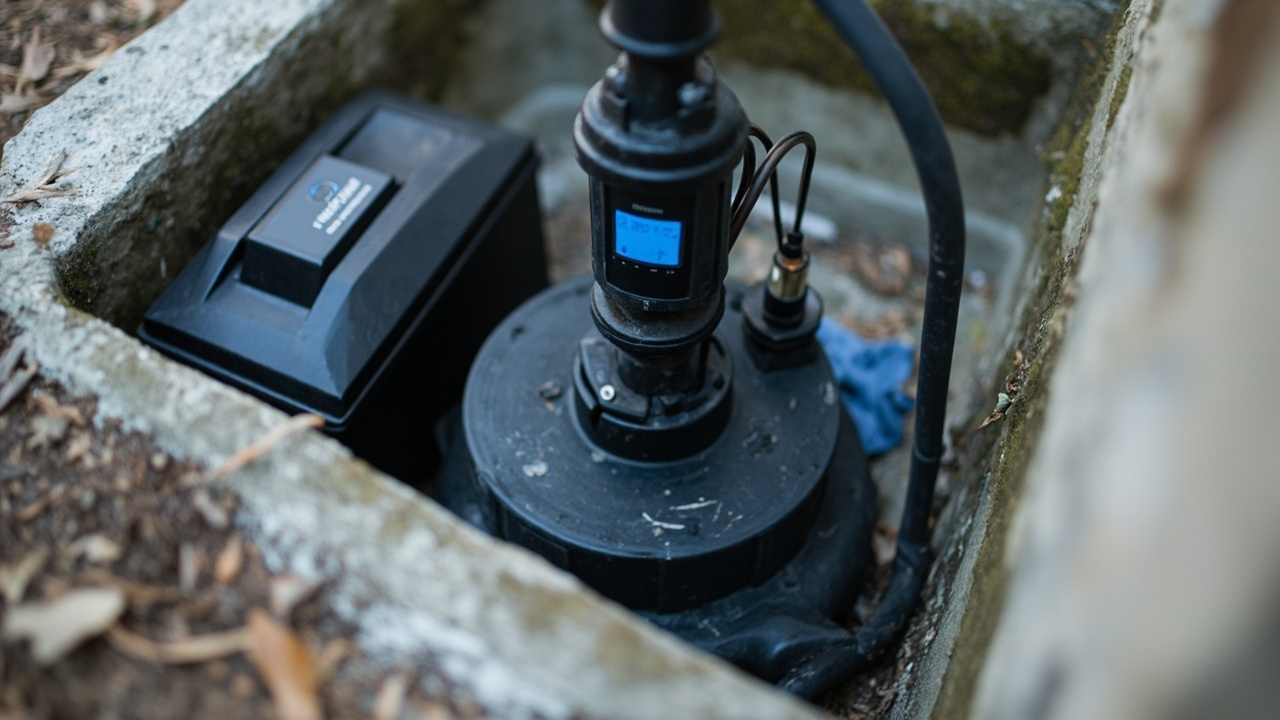
Homes in low-lying areas of North Miami Beach rely on sump pumps to keep crawlspaces and basements dry. During a hurricane, these pumps work overtime to move hundreds of gallons of water away from your foundation. However, hurricanes usually bring power outages. A standard sump pump is useless without electricity. You must install a high-quality battery backup system to ensure your pump functions when the grid goes down. In 2026, modern lithium-ion backups provide much longer runtimes than older lead-acid versions.
Check the discharge line for any obstructions like mulch or overgrown roots. If the water cannot exit the pipe freely, it will back up into your home. You should also test the float switch by pouring a bucket of water into the pit. The pump should kick on immediately and drain the basin within seconds. If you hear grinding noises or notice the pump struggling, the motor may be reaching the end of its lifespan. For those living in areas prone to rapid flooding, finding an emergency plumber in Brickell who actually shows up on time is a challenge during a storm, so verify your equipment now.
Securing Your Water Heater and Sensitive Equipment
Water heaters are often overlooked during storm prep. If your home floods, the electrical components or gas burners in your water heater can be ruined. For residents in flood zones, consider elevating your water heater on a sturdy platform. You should also know how to turn off the power supply to the unit. If you lose water pressure, a water heater that remains on can burn out its heating elements. This leads to costly replacements once the storm passes.
If you have a tankless unit, check the vent pipes on the exterior of your home. High winds can dislodge these pipes or blow debris into them, causing the unit to malfunction or leak carbon monoxide. Ensure all mounting brackets are tight and the unit is shielded from direct wind gusts. If you are already dealing with a unit that takes too long to heat or makes knocking sounds, you might want to investigate why your Pinecrest water heater is failing and the cost for a new unit to compare with your current system performance. Reliable hot water is a necessity during the recovery phase after a major hurricane.
Clearing Outdoor Drains and Protecting the Sewer Line
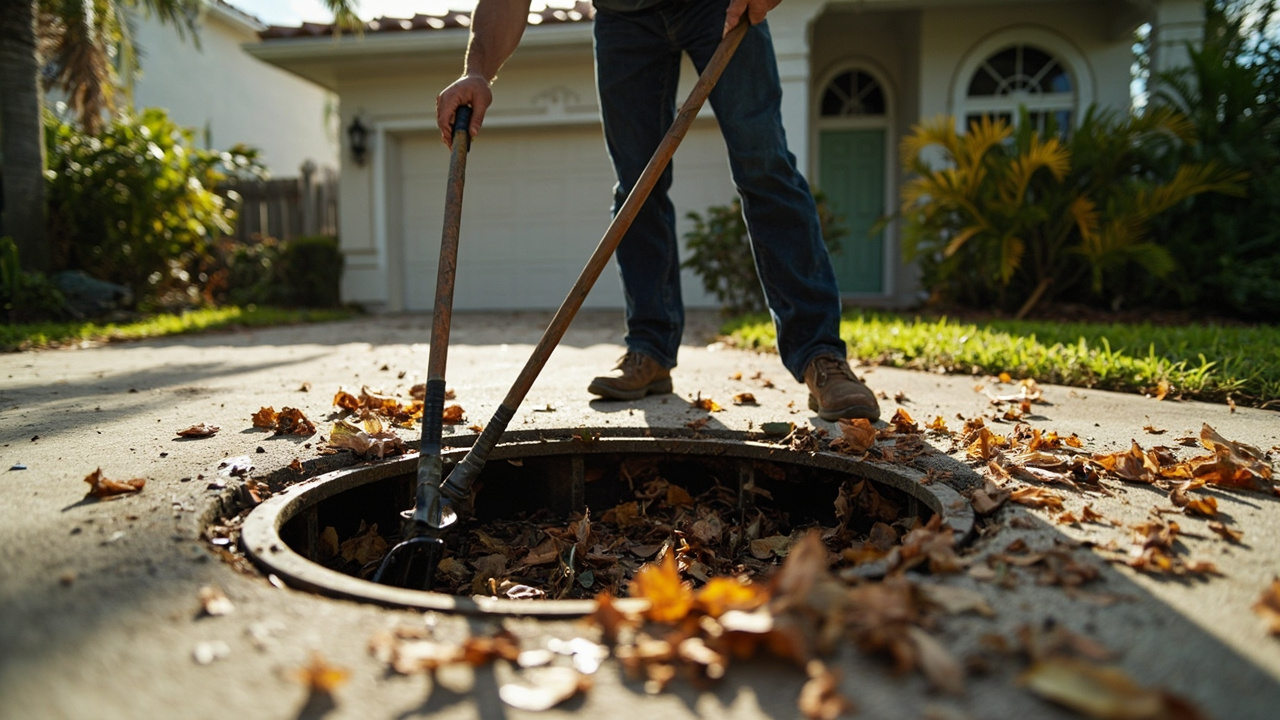
Heavy tropical downpours can dump several inches of rain per hour. Your patio drains and driveway grates must be clear of leaves and sand. In North Miami Beach, the sandy soil often washes into drains during light rain and hardens over time. This creates a plug that causes water to pool against your sliding glass doors. Use a high-pressure hose to flush these drains and ensure they flow freely toward the street or drainage canal.
Sewer backups are another major threat during heavy rain. When the city sewer system becomes overwhelmed by rainwater, the pressure can force raw sewage back into your home through the lowest drains. Installing a backflow preventer or a check-valve on your main sewer lateral is the best defense. This one-way valve allows waste to leave your home but prevents city sewage from entering. If you suspect your lines are already sluggish, you should review professional strategies for handling a sewer backup in your Coral Gables home to understand the risks of a compromised line.
Hurricane Plumbing Preparation Checklist
| Task Item | Estimated Time | Priority Level |
|---|---|---|
| Locate and test main water shut off | 15 Minutes | Critical |
| Clear yard drains and gutters | 1-2 Hours | High |
| Test sump pump and battery backup | 30 Minutes | High |
| Inspect water heater for leaks | 20 Minutes | Medium |
| Check sewer lateral for blockages | 1 Hour | High |
Managing Cast Iron Pipes in Storm Conditions
Many homes built several decades ago in the North Miami Beach area still utilize cast iron pipes for their drainage systems. These pipes are prone to internal rusting and thinning walls. During a hurricane, the increased ground pressure and heavy water flow can cause these brittle pipes to collapse or crack. This leads to slow drains or complete blockages right when you need your plumbing to work perfectly. If you live in an older neighborhood, you should be aware of the vulnerability of your infrastructure.
Cracked cast iron pipes allow tree roots to enter the system. During high winds, trees sway and shift, which can put physical stress on the roots and the pipes they have penetrated. This often results in a total sewer failure during the height of a storm. Homeowners with these older systems often benefit from expert cast iron pipe replacement for historic Coconut Grove properties as a reference for how to modernize their drainage for better storm resilience. Modern PVC piping is much more flexible and resistant to the unique pressures of the Miami environment.
Creating an Emergency Water Supply
When a hurricane strikes, the municipal water supply may become contaminated or lose pressure. You should never rely on the tap for drinking water immediately after a storm. However, you still need water to flush toilets and clean surfaces. Before the storm arrives, scrub your bathtubs with a disinfectant and fill them with water. One gallon of water is usually enough to force-flush a toilet once. This helps maintain hygiene if the city water stops flowing.
For high-rise residents in North Miami Beach, water pressure is a constant concern. If the building pumps lose power, the upper floors will lose water immediately. Understanding the mechanics of resolving weak water flow in Miami Beach high rise buildings can help you prepare for how your specific building might react to a utility failure. Always keep several gallons of potable water stored in a cool, dark place for drinking and cooking. In 2026, experts recommend at least one gallon per person per day for a minimum of seven days.
Sump Pump Comparison for Miami Residents
| Pump Type | Best For | Performance in 2026 |
|---|---|---|
| Submersible Pump | Standard pits and quiet operation | High efficiency with better heat dissipation |
| Pedestal Pump | Smaller pits and easy maintenance | Longer motor life but more noise |
| Battery Backup System | Power outages during storms | Essential for Miami hurricane protection |
| Water Powered Backup | Infinite runtime during outages | Requires high municipal water pressure |
Post Storm Plumbing Inspections
After the winds die down and it is safe to go outside, you must perform a thorough inspection of your plumbing system. Check around the base of your toilets and under sinks for any signs of new leaks. The shifting of the ground during a storm can sometimes cause joints to loosen. Walk your property to look for any soft spots in the yard or unusually green patches of grass. These are classic signs of a broken underground water line or sewer pipe.
If you have a pool, check the pump and filtration system for debris. Many pool pumps are damaged when they are submerged in floodwater or if the intake becomes clogged with storm litter. Do not turn on any electrical plumbing equipment until you are certain it is dry. If your home experienced flooding, you should have a professional inspect your gas lines and water heater before you attempt to use them. The safety of your family depends on a careful and methodical return to normal operations.
- Turn off the main water valve if you see significant structural damage.
- Listen for the sound of running water when all faucets are closed.
- Check your water meter for rapid movement which indicates a hidden leak.
- Verify that your water heater is not leaking from the temperature and pressure relief valve.
- Inspect the exterior hose bibs for any signs of impact from debris.
Maintaining your plumbing system is a year round responsibility in South Florida. The unique combination of heat, humidity, and seasonal storms requires a proactive approach. By testing your valves, securing your pumps, and inspecting your lines now, you can face hurricane season with confidence. If you encounter any issues during your preparation, consult with a professional who understands the specific codes and challenges of North Miami Beach. Staying ahead of the weather is the best way to protect your property and ensure your plumbing remains functional throughout 2026 and beyond.
If you notice slow drains or a failing shut off valve during your pre-storm check, do not wait for the clouds to gather. Address these issues today to avoid an emergency when help is hardest to find. A small investment in maintenance provides peace of mind when the winds start to howl across the coast.
{
“@context”: “https://schema.org”,
“@type”: “BlogPosting”,
“headline”: “Ways to Prepare Your North Miami Beach Plumbing System Before Hurricane Season Hits”,
“description”: “Learn how to protect your North Miami Beach plumbing from hurricane damage. Expert advice on sump pumps, shut-off valves, and sewer backflow prevention for 2026.”,
“wordCount”: 1850,
“datePublished”: “2026-02-12T09:45:00.000Z”,
“dateModified”: “2026-02-12T09:45:00.000Z”,
“inLanguage”: “en-US”,
“mainEntityOfPage”: {
“@type”: “WebPage”,
“@id”: “https://cornerstoneplumbingmiami.com”
},
“publisher”: {
“@type”: “LocalBusiness”,
“name”: “Cornerstone Plumbing Miami”,
“url”: “https://cornerstoneplumbingmiami.com”
},
“author”: {
“@type”: “Organization”,
“name”: “Cornerstone Plumbing Miami”,
“url”: “https://cornerstoneplumbingmiami.com”
},
“image”: {
“@type”: “ImageObject”,
“url”: “https://cornerstoneplumbingmiami.com/wp-content/uploads/2026/03/how-to-prepare-your-north-miami-beach-plumbing-sys-1.jpg”
}
}
{
“@context”: “https://schema.org”,
“@type”: “Plumber”,
“name”: “Cornerstone Plumbing Miami”,
“url”: “https://cornerstoneplumbingmiami.com”,
“address”: {
“@type”: “PostalAddress”,
“addressLocality”: “Miami”
},
“areaServed”: {
“@type”: “City”,
“name”: “Miami”
}
}
{
“@context”: “https://schema.org”,
“@type”: “BreadcrumbList”,
“itemListElement”: [
{
“@type”: “ListItem”,
“position”: 1,
“name”: “Home”,
“item”: “https://cornerstoneplumbingmiami.com”
},
{
“@type”: “ListItem”,
“position”: 2,
“name”: “Blog”,
“item”: “https://cornerstoneplumbingmiami.com/blog”
},
{
“@type”: “ListItem”,
“position”: 3,
“name”: “Ways to Prepare Your North Miami Beach Plumbing System Before Hurricane Season Hits”
}
]
}
{
“@context”: “https://schema.org”,
“@type”: “Service”,
“serviceType”: “Plumbing”,
“provider”: {
“@type”: “LocalBusiness”,
“name”: “Cornerstone Plumbing Miami”,
“url”: “https://cornerstoneplumbingmiami.com”
},
“areaServed”: {
“@type”: “City”,
“name”: “Miami”
},
“description”: “Learn how to protect your North Miami Beach plumbing from hurricane damage. Expert advice on sump pumps, shut-off valves, and sewer backflow prevention for 2026.”
}