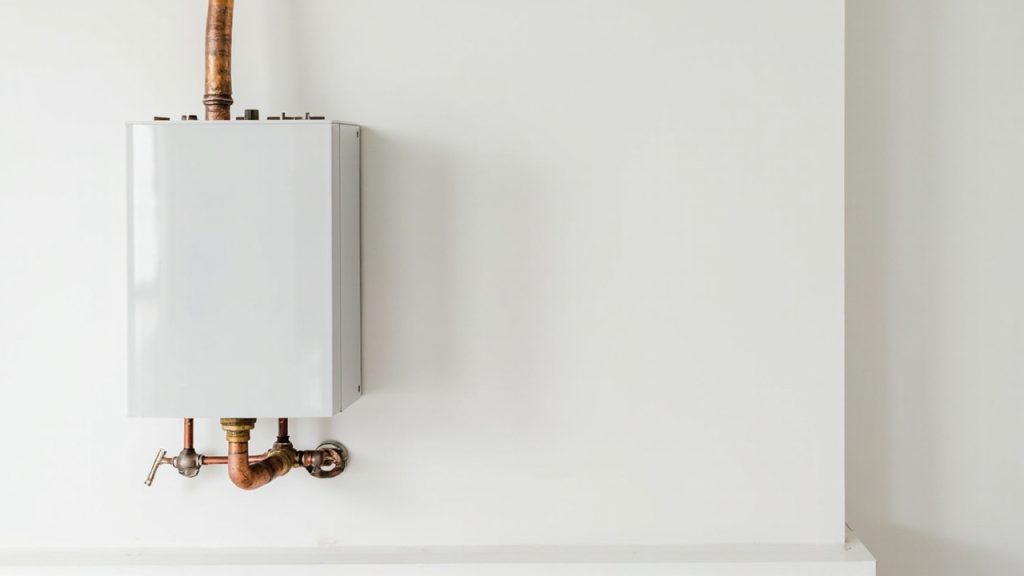
Upgrading your Miami Shores water heater involves more than just picking a brand. You must consider how our specific South Florida climate and local building codes impact your long-term savings. In 2026, many homeowners near Biscayne Boulevard are transitioning away from traditional thirty-gallon or fifty-gallon tanks. They are moving toward on-demand systems that heat water only when you turn on a faucet. This change is driven by a desire for more closet space and lower monthly utility bills from Florida Power and Light.
A tankless water heater works by passing cold water through a high-efficiency heat exchanger. Instead of keeping a large volume of water hot all day, the unit uses high-powered gas burners or electric coils to reach your target temperature instantly. This process is particularly effective in Miami because our groundwater is naturally warmer than in northern states. When you start with warmer water, the machine does not have to work nearly as hard to reach a comfortable shower temperature.
[IMAGE_PLACE_HOLDER_1]
How Miami Groundwater Temperatures Improve Tankless Efficiency
The performance of any water heater depends heavily on the temperature of the water entering your home. In Miami Shores, groundwater usually sits between 72 and 77 degrees Fahrenheit. This warm starting point is a massive advantage for tankless technology. In a city like Chicago, a tankless unit might have to raise the water temperature by 60 degrees. In Miami, we often only need a 40-degree rise to reach a standard 115-degree output.
Because the temperature rise is smaller, a smaller unit can provide a higher flow rate. A unit that might only support one shower in a cold climate can easily support two or three showers simultaneously in a South Florida home. This makes the upgrade more affordable because you do not always need the largest, most expensive model to handle a three-bedroom house. If you are already resolving weak water flow issues in an older property, a tankless system can be part of a broader strategy to modernize your plumbing stack.
Comparing Tankless Systems and Traditional Storage Tanks
Traditional tanks are the standard for many older Miami Shores ranch homes. They are simple and have lower upfront costs. However, they are constantly losing heat through the walls of the tank. This is called standby heat loss. Even when you are away at work or sleeping, the tank is firing up to keep that water hot. In our humid climate, this also adds a small amount of heat to your utility closet, which your air conditioner then has to remove.
Tankless units eliminate standby heat loss entirely. They also last much longer. While a traditional tank in Miami usually fails after eight to twelve years due to sediment buildup and corrosion, a well-maintained tankless unit can last twenty years or more. This longevity is why many people view the higher initial price as a long-term investment rather than an expense. If you have recently dealt with a Pinecrest water heater failing and saw the resulting water damage, the lack of a large storage tank might also provide peace of mind regarding potential leaks.
| Feature | Traditional Storage Tank | Tankless On-Demand Unit |
|---|---|---|
| Expected Lifespan | 8 to 12 Years | 20+ Years |
| Energy Efficiency | 60 to 70 Percent | 90 to 98 Percent |
| Space Required | Approx. 10-15 Square Feet | Approx. 3 Square Feet |
| Wait for Hot Water | Limited by Tank Size | Continuous Supply |
| Typical Miami Permit Cost | Standard Plumbing Fee | Plumbing plus Electrical/Gas |
Electrical and Gas Infrastructure Requirements for Miami Homes
The biggest hurdle for tankless installation in Miami Shores is often the infrastructure. Most of our local homes are all-electric. A whole-home electric tankless heater requires a significant amount of power. You will likely need two or three dedicated sixty-amp breakers. Many older homes in the area only have a 100-amp or 150-amp main electrical panel. If your panel is full, you might need an electrical upgrade before the plumbing work even begins.
Gas tankless units are incredibly efficient but require proper venting. Miami-Dade building codes are very strict about where these units can vent. You cannot simply stick a pipe out a window. It must meet specific clearances from doors and windows to prevent exhaust from re-entering the home. If your home already has a natural gas line for your stove or dryer, adding a tankless unit is much simpler. If you do not have gas, the cost of running a new line or installing a propane tank must be factored into your decision.
Space Savings for Smaller Miami Shores Footprints
Miami Shores is known for its beautiful mid-century architecture. Many of these homes have limited square footage. Traditional water heaters are often tucked into small closets or utility rooms right in the middle of the living space. By switching to a tankless unit, you can reclaim that entire closet. Most tankless units are about the size of a carry-on suitcase and mount directly to the wall.
Some homeowners even choose to mount their tankless units on the exterior of the house. This is possible in our climate because we do not have to worry about the pipes freezing for extended periods. Moving the water heater outside frees up interior space for a pantry or extra storage. If you live in a multi-generational household where every square foot counts, this benefit alone often justifies the upgrade cost.
[IMAGE_PLACE_HOLDER_2]
Maintenance and Longevity in the South Florida Climate
Miami water is known for its mineral content. Calcium and magnesium can build up inside the small copper heat exchangers of a tankless unit. This is called scaling. If you do not address scaling, the unit will lose efficiency and eventually overheat. For a tankless unit to last twenty years in Miami Shores, you must perform an annual flush. This involves circulating a food-grade descaling solution through the system for about an hour.
Traditional tanks also suffer from sediment, but they have more room for it to settle at the bottom. In a tankless unit, the tolerances are much tighter. Many local plumbers recommend installing a point-of-entry water softener or a scale inhibitor filter. This protects your new heater and also helps with other issues like cast iron pipe replacement longevity by reducing the corrosive nature of raw municipal water.
Financial Considerations and Available 2026 Incentives
The upfront cost of a tankless system is higher than a tank. This includes the unit price and the specialized labor for installation. However, there are several ways to offset these costs in 2026. The federal government continues to offer tax credits for high-efficiency home energy improvements. According to Energy.gov, these credits can cover a significant portion of the equipment cost if the unit meets specific energy factor ratings.
Locally, Florida Power and Light often provides rebates for homeowners who switch from older, inefficient appliances to high-efficiency electric models. You should also consider the monthly savings. Most Miami families see a reduction in their water heating bills of twenty to thirty percent. Over the twenty-year life of the unit, those monthly savings add up to thousands of dollars. When combined with the increased resale value of a modernized home, the ROI becomes very clear.
| Expense Category | Estimated Tank Installation | Estimated Tankless Installation |
|---|---|---|
| Equipment Cost | Moderate | High |
| Labor and Piping | Standard | Intensive |
| Permit and Inspection | Low | Moderate |
| Annual Maintenance | Minimal | Required Flush |
| 2026 Energy Rebates | Rarely Available | Highly Likely |
Making the Final Decision for Your Property
Deciding whether to go tankless depends on your specific household habits. If you have a large family where everyone showers in the morning, a traditional tank might run out of hot water halfway through the routine. A tankless unit provides an endless supply. You will never be the person stuck with a cold shower because the kids used up all the hot water. This luxury is one of the primary reasons people choose to upgrade.
On the other hand, if you live alone or with one other person and your hot water usage is very low, the long-term energy savings might take longer to cover the initial cost. You must also consider the physical state of your home. If you are already planning a major renovation or an electrical panel upgrade, that is the perfect time to make the switch. It is much cheaper to run the necessary wires or gas lines while walls are already open.
- Assess your current electrical panel capacity for 200-amp service.
- Check for existing natural gas or propane availability.
- Count the number of high-flow fixtures like rainfall showerheads.
- Measure the current utility closet to see how much space you could gain.
- Review recent FPL bills to establish a baseline for energy costs.
Before you commit, ensure you are working with a plumber who understands Miami-Dade codes. A proper installation must be permitted through the Miami-Dade Building Department to ensure safety and compliance. This is especially important for gas units and the high-voltage electrical connections required for electric models. Improperly installed units can fail prematurely or create safety hazards in your utility room.
[IMAGE_PLACE_HOLDER_3]
Understanding the Installation Timeline
A standard tank replacement usually takes about four hours. A tankless conversion is more complex and typically takes a full day or two. This is because the plumber must remove the old tank, mount the new unit, re-route the water lines, and potentially coordinate with an electrician for the new power supply. If you are in a situation where you need an emergency plumber in Brickell or Miami Shores, a tankless conversion might not be the fastest option. However, if you plan the upgrade before your current tank leaks, it is a smooth transition.
Once the unit is on the wall, the plumber will calibrate the temperature settings. Most units come set to 120 degrees from the factory. In Miami, you might find that 115 degrees is plenty. Lowering the temperature by just a few degrees further increases your energy savings and reduces the rate of scale buildup in your pipes. After the final inspection from the city, you can enjoy the benefits of modern plumbing technology and the extra space in your home.
If you are struggling with recurring issues like a sewer backup in Coral Gables or slow drains in Miami Shores, it might be time to look at your entire plumbing system. Upgrading to a tankless water heater is often the first step in a complete home modernization project. It simplifies your utility layout and provides a more reliable service for the next two decades. Take the time to evaluate your energy goals and household needs to decide if this upgrade fits your lifestyle in 2026.
{
“@context”: “https://schema.org”,
“@type”: “BlogPosting”,
“headline”: “Deciding if a Tankless Water Heater is Worth the Investment for Your Miami Shores Home”,
“description”: “Learn if a tankless water heater is right for your Miami Shores home. Discover 2026 pricing, energy savings, and local Miami-Dade installation requirements.”,
“wordCount”: 1757,
“datePublished”: “2026-02-13T11:49:00.000Z”,
“dateModified”: “2026-02-13T11:49:00.000Z”,
“inLanguage”: “en-US”,
“mainEntityOfPage”: {
“@type”: “WebPage”,
“@id”: “https://cornerstoneplumbingmiami.com”
},
“publisher”: {
“@type”: “LocalBusiness”,
“name”: “Cornerstone Plumbing Miami”,
“url”: “https://cornerstoneplumbingmiami.com”
},
“author”: {
“@type”: “Organization”,
“name”: “Cornerstone Plumbing Miami”,
“url”: “https://cornerstoneplumbingmiami.com”
},
“image”: {
“@type”: “ImageObject”,
“url”: “https://cornerstoneplumbingmiami.com/wp-content/uploads/2026/03/how-to-decide-if-a-tankless-water-heater-is-worth-1.jpg”
}
}
{
“@context”: “https://schema.org”,
“@type”: “Plumber”,
“name”: “Cornerstone Plumbing Miami”,
“url”: “https://cornerstoneplumbingmiami.com”,
“address”: {
“@type”: “PostalAddress”,
“addressLocality”: “Miami”
},
“areaServed”: {
“@type”: “City”,
“name”: “Miami”
}
}
{
“@context”: “https://schema.org”,
“@type”: “BreadcrumbList”,
“itemListElement”: [
{
“@type”: “ListItem”,
“position”: 1,
“name”: “Home”,
“item”: “https://cornerstoneplumbingmiami.com”
},
{
“@type”: “ListItem”,
“position”: 2,
“name”: “Blog”,
“item”: “https://cornerstoneplumbingmiami.com/blog”
},
{
“@type”: “ListItem”,
“position”: 3,
“name”: “Deciding if a Tankless Water Heater is Worth the Investment for Your Miami Shores Home”
}
]
}
{
“@context”: “https://schema.org”,
“@type”: “Service”,
“serviceType”: “Plumbing”,
“provider”: {
“@type”: “LocalBusiness”,
“name”: “Cornerstone Plumbing Miami”,
“url”: “https://cornerstoneplumbingmiami.com”
},
“areaServed”: {
“@type”: “City”,
“name”: “Miami”
},
“description”: “Learn if a tankless water heater is right for your Miami Shores home. Discover 2026 pricing, energy savings, and local Miami-Dade installation requirements.”
}