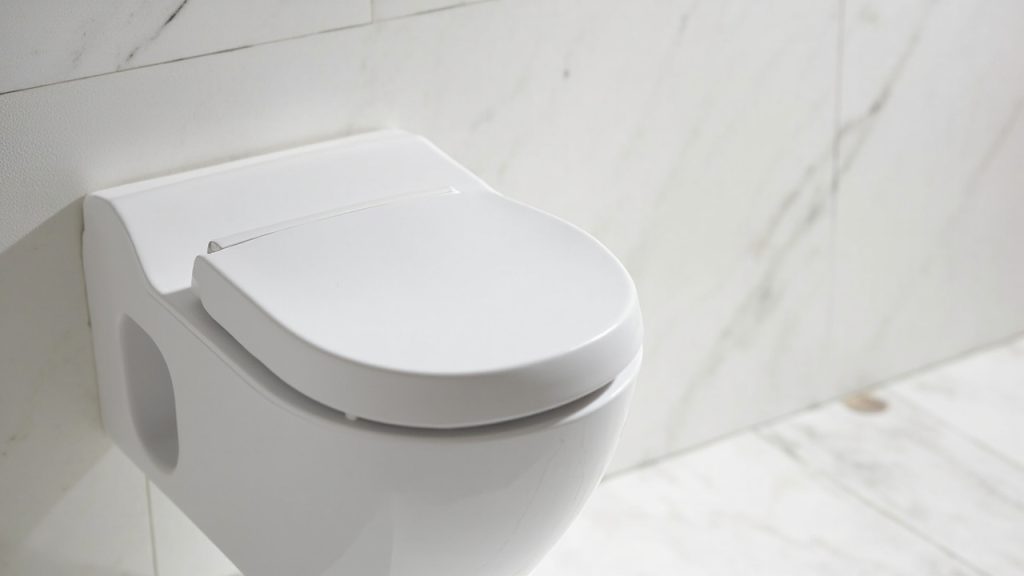
South Beach bathroom renovations require a strategic approach to square footage. Most Art Deco condos were built when residents had fewer personal items. Today, the demand for modern luxury conflicts with these narrow footprints. Choosing between a traditional toilet and a wall mounted model is one of the most significant decisions you will make. This choice affects your plumbing layout, your budget, and the daily functionality of your home in 2026.
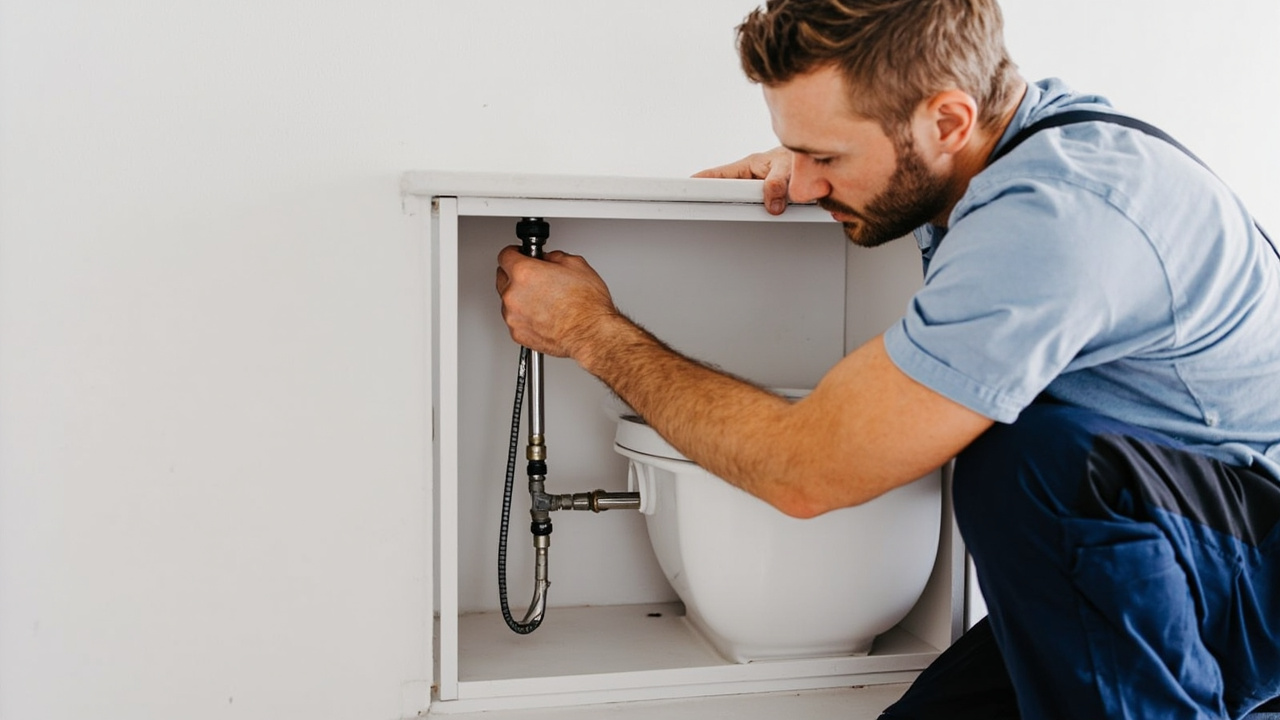
Traditional toilets are the standard floor mounted units found in most homes across Miami. They sit on the floor and connect to a drain through a wax ring. Wall mounted toilets involve a concealed tank system hidden inside the wall. The bowl hangs above the floor, creating a floating appearance. Both systems have distinct advantages for residents in neighborhoods like South Pointe or the Art Deco District.
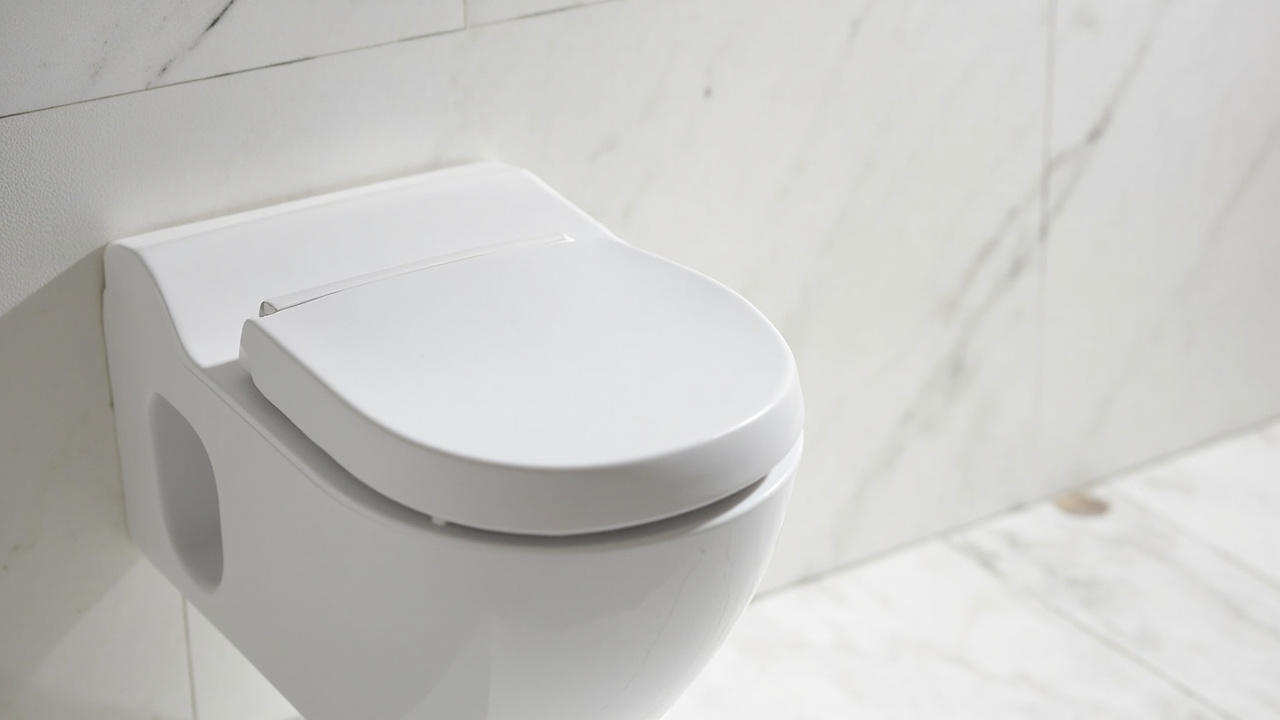
Visual and Space Comparison for the Modern South Beach Home
The primary reason homeowners in South Beach choose wall mounted toilets is to save space. A standard floor mounted toilet requires a footprint that extends up to thirty inches from the wall. You also need to account for the clearance required by the Florida Building Code. This code dictates that you must have at least fifteen inches from the center of the toilet to any side wall or fixture. In a small condo near Ocean Drive, every inch is valuable.
Wall mounted toilets save approximately ten to twelve inches of floor space. The tank is housed within the wall cavity, which reduces the depth of the fixture. This extra room makes a small bathroom feel much larger. It also provides more flexibility for the placement of vanities or walk in showers. The floating design allows you to see the entire floor. This visual continuity tricks the eye into perceiving more square footage than actually exists.
Traditional toilets remain popular because of their familiarity. They fit the aesthetic of historic homes in areas like Flamingo Park. If you are not moving walls or performing a full gut renovation, staying with a traditional unit is often the most practical choice. However, the bulky base can make a cramped bathroom feel even more crowded.
Technical Installation Requirements and Miami Building Nuances
Installing a wall mounted toilet in 2026 is a complex task. It requires a specialized carrier system. This carrier is a heavy metal frame that supports the weight of the toilet and the occupant. In most cases, these carriers are rated to hold five hundred pounds. The frame must be bolted to the floor and the wall studs with precision.
In many South Beach high rise buildings, the walls are not deep enough to house a standard carrier. Most carrier systems require a 2×6 wall depth. If your condo has 2×4 studs, your plumber must build a secondary wall or a bump out. This bump out can be finished with tile and used as a shelf for candles or toiletries. Another challenge involves the drain. Traditional toilets drain through the floor. Wall mounted units drain through the wall. Converting a floor drain to a wall drain in a concrete slab building is difficult. It often requires X-raying the floor to avoid post-tension cables.
If you encounter a leak during this process, you need to find an emergency plumber in Brickell who actually shows up on time to mitigate water damage. High rise plumbing is interconnected. A mistake in your unit can quickly affect your neighbors downstairs.
Comparison of Space and Weight Specifications
| Feature | Traditional Floor Mounted | Wall Mounted Carrier System |
|---|---|---|
| Floor Space Required | 27 to 30 inches | 19 to 22 inches |
| Standard Weight Capacity | Unlimited (Floor Supported) | 500 lbs plus |
| Wall Depth Required | Standard 2×4 studs | 2×6 studs or bump out |
| Bowl Height Adjustment | Fixed (Standard or ADA) | Adjustable during install |
The Maintenance Factor and Repair Complexity
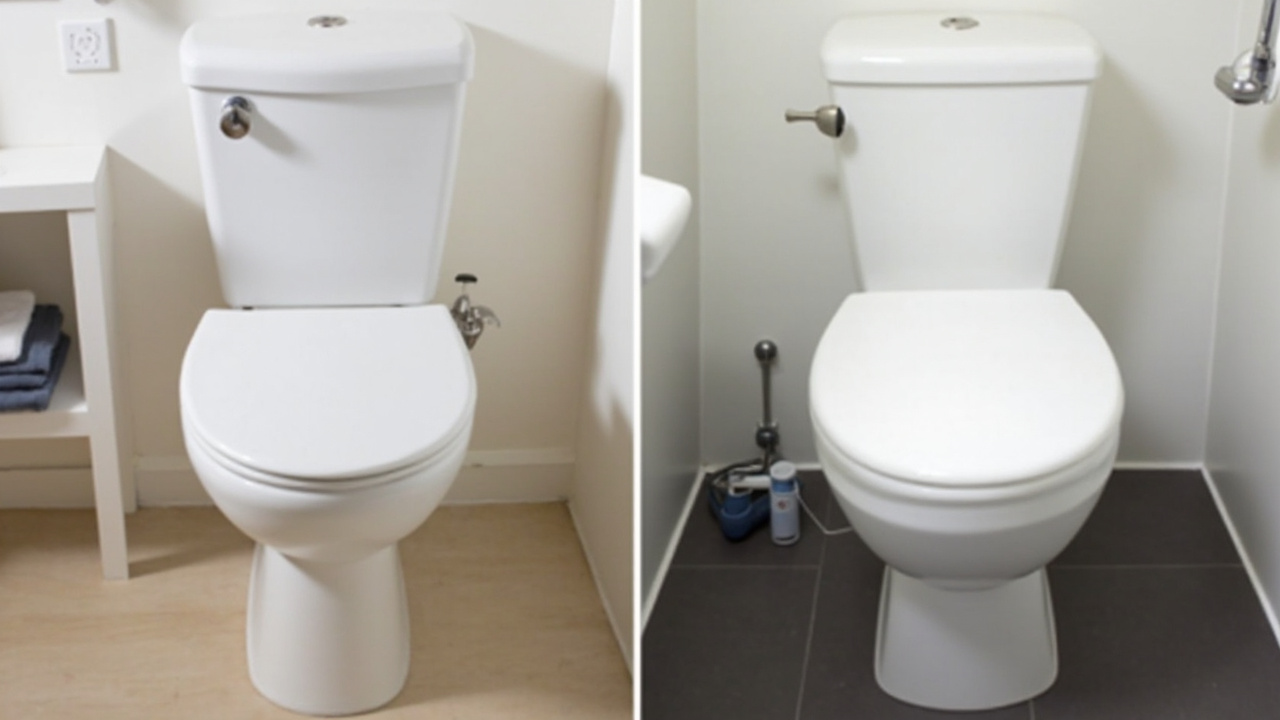
Maintenance is a major concern for Miami homeowners. The local water is hard. It contains high levels of calcium and magnesium that can lead to scale buildup. In a traditional toilet, the tank components are easy to reach. You can lift the lid and replace a flapper or fill valve in minutes. These parts are available at any local hardware store.
Wall mounted toilets have concealed tanks. Access to the internal parts is achieved through the flush plate. The flush plate is the button panel located on the wall. While you do not have to tear down the wall for repairs, the workspace is small. You need a plumber with experience in these systems. Brands like TOTO and Geberit design their carriers so that the valves can be removed through the opening, but it requires specific tools. In 2026, most luxury units include scale reduction filters to protect these fixtures from the harsh South Florida water.
If you have weak water flow in Miami Beach high rise buildings, a wall mounted unit might actually perform better. Many carriers use gravity or pressure assisted mechanisms that are more efficient at moving waste with less water. You should check the EPA WaterSense guidelines to ensure your new fixture meets the current efficiency standards for 2026.
Cost Breakdown and Labor Factors in Miami
The cost difference between these two options is significant. A traditional toilet is an affordable fixture. The installation is straightforward and usually takes about two hours. You are paying for the unit, a new wax ring, and a new supply line. Most of the expense is the fixture itself.
A wall mounted toilet is a luxury investment. You must purchase the bowl, the carrier system, and the flush plate separately. The installation labor is much higher. A licensed plumber must frame the carrier, relocate the drain, and ensure the venting is correct. Then, a tile professional must finish the wall around the carrier. If you are moving the drain in a high rise, the costs increase further due to the complexity of working with concrete slabs and building permits. The total investment can be triple the cost of a high quality traditional toilet installation.
Comparison of Installation Time and Difficulty
| Task | Traditional Toilet | Wall Mounted Toilet |
|---|---|---|
| Plumbing Rough In Time | 1 to 2 hours | 6 to 10 hours |
| Drain Relocation | Rarely required | Usually required |
| Drywall and Tile Work | None required | Extensive wall finishing |
| Complexity Rating | Low | High |
Hygiene and Cleaning in a Humid Climate
Miami is famous for its high humidity and salt air. These conditions can lead to mold and mildew in bathrooms. Traditional toilets have many crevices where grime can collect. The base of the toilet is particularly difficult to clean. The gap between the tank and the wall is another common spot for dust and moisture to accumulate. Over time, the caulking at the base can discolor or peel due to the constant moisture.
Wall mounted toilets offer a superior cleaning experience. Because the bowl is suspended, you can mop the entire floor underneath the fixture. There are no floor bolts and no plastic caps to collect bacteria. The tank is behind the wall, so there is no surface area for condensation to form. In 2026, many Miami residents prioritize these hygienic features to maintain a fresh bathroom environment.
Which Toilet is Better for Your Specific Property
The right choice depends on your building type and your goals. If you live in a historic bungalow in Pinecrest or a home in Coral Gables, a traditional toilet might fit the character of the house. These homes often have the floor space to accommodate a standard unit. If you are doing a quick update without changing the layout, the traditional model is the logical path.
For South Beach condo owners, the wall mounted toilet is almost always the better functional choice if the budget allows. The space savings alone can make a small master bathroom feel like a spa. It allows for a more open floor plan and modern aesthetics that appeal to buyers in the Miami real estate market. You must simply be prepared for the structural work involved in the installation.
Consider the following factors before you buy.
- Check your wall thickness to see if a 2×4 or 2×6 carrier is required.
- Review your condo association rules regarding slab drilling and drain relocation.
- Select a flush plate that matches your other bathroom fixtures like faucets and shower heads.
- Ensure your plumber has experience with concealed tank systems.
- Verify that the carrier height is set correctly for your comfort before the wall is closed.
Final Decision and Professional Guidance
The debate between traditional and wall mounted toilets comes down to a balance of cost versus space. If your bathroom is smaller than fifty square feet, the wall mounted option will change how you use the space every day. The ability to easily clean the floor and the sleek look of the floating bowl are hard to beat in a modern renovation. However, if budget is your main concern, a high efficiency traditional toilet remains a reliable and effective solution.
When you are ready to start your South Beach bathroom project, you need a plumbing team that understands the local codes and the unique challenges of high rise buildings. From navigating narrow service elevators to managing the water shutoffs for the entire floor, local expertise is essential. Ensure your contractor provides a clear plan for the carrier installation and the drain transition to avoid surprises after the project begins. Proper planning ensures that your new toilet functions perfectly for years to come in the unique Miami environment.
{
“@context”: “https://schema.org”,
“@type”: “BlogPosting”,
“headline”: “Deciding Between a Traditional and a Wall Mounted Toilet for Your Small South Beach Bathroom”,
“description”: “Learn the pros and cons of wall mounted versus traditional toilets for your South Beach bathroom renovation. Discover space saving tips and Miami install facts.”,
“wordCount”: 1573,
“datePublished”: “2026-03-07T14:56:00.000Z”,
“dateModified”: “2026-03-07T14:56:00.000Z”,
“inLanguage”: “en-US”,
“mainEntityOfPage”: {
“@type”: “WebPage”,
“@id”: “https://cornerstoneplumbingmiami.com”
},
“publisher”: {
“@type”: “LocalBusiness”,
“name”: “Cornerstone Plumbing Miami”,
“url”: “https://cornerstoneplumbingmiami.com”
},
“author”: {
“@type”: “Organization”,
“name”: “Cornerstone Plumbing Miami”,
“url”: “https://cornerstoneplumbingmiami.com”
},
“image”: {
“@type”: “ImageObject”,
“url”: “https://cornerstoneplumbingmiami.com/wp-content/uploads/2026/03/deciding-between-a-traditional-and-a-wall-mounted-1.jpg”
}
}
{
“@context”: “https://schema.org”,
“@type”: “Plumber”,
“name”: “Cornerstone Plumbing Miami”,
“url”: “https://cornerstoneplumbingmiami.com”,
“address”: {
“@type”: “PostalAddress”,
“addressLocality”: “Miami”
},
“areaServed”: {
“@type”: “City”,
“name”: “Miami”
}
}
{
“@context”: “https://schema.org”,
“@type”: “BreadcrumbList”,
“itemListElement”: [
{
“@type”: “ListItem”,
“position”: 1,
“name”: “Home”,
“item”: “https://cornerstoneplumbingmiami.com”
},
{
“@type”: “ListItem”,
“position”: 2,
“name”: “Blog”,
“item”: “https://cornerstoneplumbingmiami.com/blog”
},
{
“@type”: “ListItem”,
“position”: 3,
“name”: “Deciding Between a Traditional and a Wall Mounted Toilet for Your Small South Beach Bathroom”
}
]
}
{
“@context”: “https://schema.org”,
“@type”: “Service”,
“serviceType”: “Plumbing”,
“provider”: {
“@type”: “LocalBusiness”,
“name”: “Cornerstone Plumbing Miami”,
“url”: “https://cornerstoneplumbingmiami.com”
},
“areaServed”: {
“@type”: “City”,
“name”: “Miami”
},
“description”: “Learn the pros and cons of wall mounted versus traditional toilets for your South Beach bathroom renovation. Discover space saving tips and Miami install facts.”
}