Best Kitchen Sink Materials for Miami Hard Water and Mineral Resistance
Miami residents face a specific set of challenges when it comes to plumbing fixtures. The water flowing through the pipes in South Florida comes primarily from the Biscayne Aquifer. This underground limestone shelf provides plenty of water but also contributes to extremely high mineral counts. In 2026, the Miami-Dade Water and Sewer Department continues to report calcium carbonate levels exceeding 200 parts per million in many service areas. This high concentration of minerals leads to what most homeowners call hard water. Over time, these minerals settle on your kitchen sink and create stubborn white crusts known as limescale. Choosing the wrong material can lead to permanent etching, corrosion, and a sink that looks dirty even after a deep clean.
Many homeowners in neighborhoods like The Roads or Doral invest in beautiful kitchen remodels only to see their sinks ruined by mineral adhesion within months. The porosity of the material is the most important factor in this environment. A porous surface allows minerals to anchor themselves into the sink. Once these minerals bond with the surface, removing them often requires harsh chemicals that further damage the finish. Professionals in the Miami plumbing industry focus on high-density materials that offer smooth surfaces where minerals struggle to find a foothold. This guide breaks down the best and worst materials for our unique local water conditions.
The Impact of the Biscayne Aquifer on Your Fixtures
The geography of South Florida plays a direct role in your kitchen maintenance routine. Because our water filters through limestone, it is packed with calcium and magnesium. When you wash dishes or run the faucet, the water evaporates and leaves these minerals behind. In a high-humidity environment like Miami, this process happens quickly. If you live in an area with older infrastructure, you might also deal with sediment that hitches a ride through your plumbing system. Residents often notice that their water pressure drops because of these same minerals. If you are currently resolving weak water flow in Miami Beach high rise buildings, the culprit is frequently mineral buildup in the aerators and valves.
According to data from the USGS Water Science School, water is classified as hard when it contains high levels of dissolved minerals. In Miami, this hardness is a constant factor that dictates which materials will last. A sink that works well in a city with soft water will likely fail here. You need a material that can withstand frequent scrubbing and the mildly acidic cleaners often required to dissolve calcium deposits. Modern 2026 manufacturing has improved many traditional materials, but the underlying physics of mineral adhesion remains the same.
Stainless Steel the Durable Standard for 2026
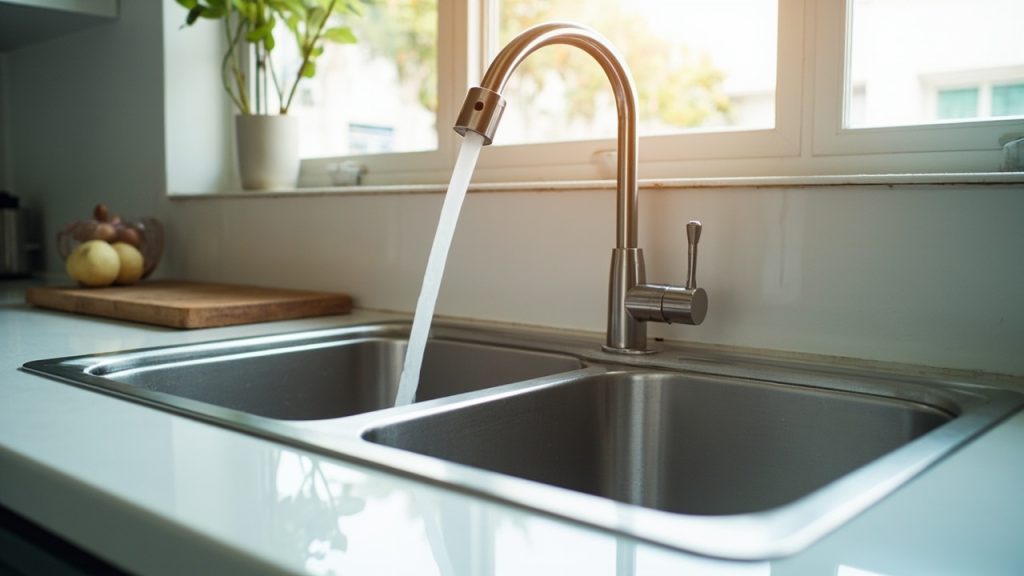
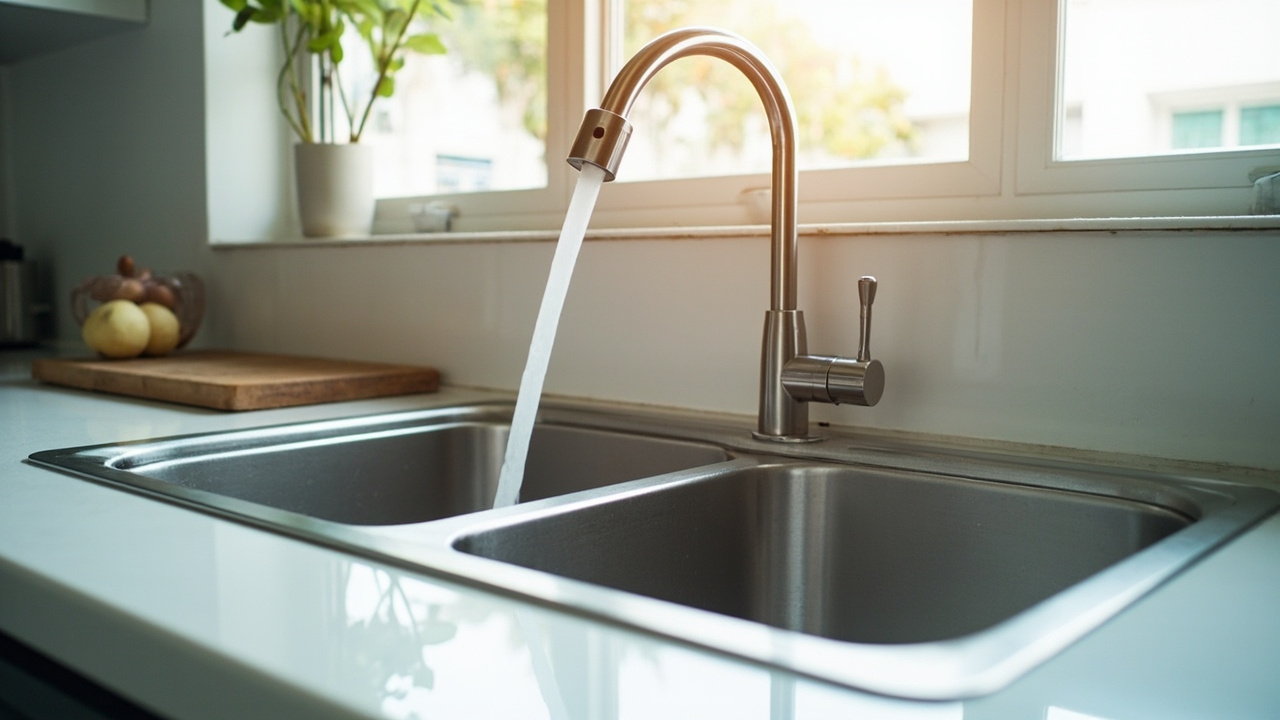
Stainless steel remains the most popular choice for Miami kitchens, but not all stainless steel is equal. The secret to resisting hard water damage lies in the gauge and the grade of the metal. For 2026 installations, 16-gauge stainless steel is the professional recommendation. Thinner 18-gauge or 20-gauge options are noisier and more prone to denting, but they also tend to have more surface irregularities where minerals can collect. A 16-gauge sink is thicker and more substantial. It provides a smoother surface that resists the tiny scratches where limescale starts to grow.
The grade of the steel is equally important. You should look for 304-grade stainless steel. This alloy contains a high percentage of chromium and nickel, which provides superior corrosion resistance. This is vital because the minerals in Miami water can actually cause lower-grade steel to develop pits and rust spots. Many modern sinks now feature a PVD finish. This Physical Vapor Deposition process applies a thin, incredibly hard coating that acts as a shield. This technology has become the standard for luxury homes in Coral Gables and Pinecrest because it makes the surface almost entirely non-porous. It prevents the white haze of calcium from bonding to the metal.
Comparison of Sink Materials and Hard Water Performance
| Material Type | Hard Water Resistance | Maintenance Level | Expected Lifespan in Miami |
|---|---|---|---|
| 16-Gauge Stainless Steel | High | Low | 25 plus years |
| Granite Composite | Very High | Low | 20 plus years |
| Fireclay | Moderate | Medium | 15 to 20 years |
| Enameled Cast Iron | Moderate | Medium | 25 plus years |
| Copper | Very Low | Very High | 10 to 15 years |
Granite Composite Sinks the Limescale Solution
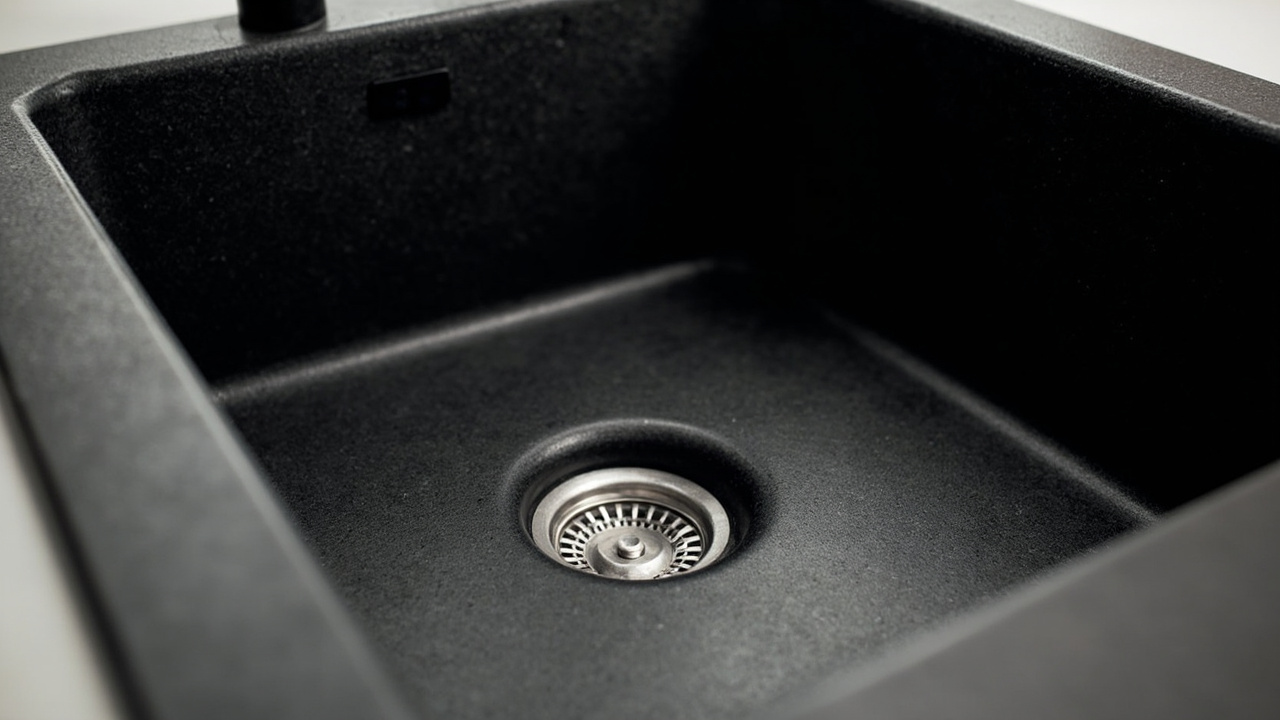
Granite composite sinks have gained massive popularity in Miami-Dade County over the last few years. These sinks are engineered by mixing roughly 80 percent crushed granite or quartz with 20 percent acrylic resin. The result is a material that is completely non-porous. Unlike natural stone, which has tiny pores that trap minerals, granite composite is sealed throughout the entire body of the sink. This makes it a top contender for the title of the best kitchen sink material for hard water.
In 2026, manufacturers have refined the resin used in these sinks to be even more resistant to heat and chemicals. One major advantage for Miami homeowners is that granite composite does not show water spots as easily as stainless steel. If you choose a matte finish or a slightly speckled pattern, the light mineral deposits from daily use become nearly invisible. This is a great choice for busy kitchens in areas like Kendall or Hialeah where you might not have time to wipe down the sink after every single use. It is also a very hard material that resists scratching from heavy pots and pans. Since scratches are where minerals often hide, this durability helps maintain the look of the sink over many years.
Fireclay and Enameled Cast Iron Considerations
Fireclay sinks offer a classic aesthetic often found in farmhouse-style kitchens in Pinecrest or South Miami. These sinks are made from clay fired at extremely high temperatures. This process fuses the clay and the glaze together into a single, dense material. Fireclay is very resistant to acid and alkali, which is helpful when you are using cleaners to remove limescale. However, the glaze can eventually develop tiny cracks known as crazing. Once these cracks appear, the minerals in Miami water will seep in and cause permanent staining. If you choose fireclay, you must ensure the glaze is of the highest quality and avoid using abrasive pads that could dull the finish.
Enameled cast iron is another heavy-duty option. It consists of a solid iron base coated in a thick layer of porcelain enamel. The enamel provides a smooth, glass-like surface that is very easy to clean. As long as the enamel remains intact, these sinks perform well against hard water. The risk comes from chipping. If a heavy pot chips the enamel, the exposed iron will rust rapidly in Miami humidity. Many homeowners who deal with plumbing issues like a failing Pinecrest water heater realize that high mineral content affects every part of the system, including the sink. Maintaining the integrity of the finish is the only way to protect a cast iron sink in this environment.
Materials to Avoid in South Florida Kitchens
If you want to minimize your maintenance time, there are certain materials you should avoid. Copper sinks are beautiful but react poorly with the minerals found in the Miami-Dade Water and Sewer supply. The minerals accelerate the oxidation process, leading to an uneven patina that often looks green or spotted. Keeping a copper sink looking like new in Miami is a full-time job. Unless you are prepared to wax and polish the surface every week, copper is generally not recommended for high-traffic kitchens in our area.
Low-grade acrylic or plastic sinks should also be avoided. These materials are soft and porous. They scratch easily and the heat from boiling water can cause the surface to degrade. Once the surface is compromised, the calcium in the water will create a bond that is almost impossible to break without melting the sink with strong chemicals. For residents in historic properties who are already dealing with complex issues like expert cast iron pipe replacement for historic Coconut Grove properties, choosing a high-quality sink is a way to prevent future headaches. Stick to materials that are built to last against the local chemistry.
Mineral Levels by Miami Neighborhood
| Neighborhood | Typical Hardness Level | Primary Mineral Issue | Recommended Material |
|---|---|---|---|
| Doral | High (220 plus ppm) | Heavy Limescale | Granite Composite |
| Coral Gables | Moderate High (190 plus ppm) | White Spotting | 16-Gauge Stainless Steel |
| Brickell | Moderate (170 plus ppm) | Aerator Clogging | PVD Coated Stainless Steel |
| Pinecrest | High (210 plus ppm) | Surface Etching | Granite Composite |
Maintenance Strategies for Hard Water Prevention
Even with the best material, some maintenance is necessary to keep your sink looking new in 2026. The most effective strategy is the dry-sink method. After you finish using the sink for the day, take a microfiber cloth and wipe the surface dry. If there is no water left to evaporate, no minerals can be left behind. This simple habit can extend the life of your sink finish by years. For those living in busy areas where a plumbing emergency might occur, having a reliable contact is essential. If you are finding an emergency plumber in Brickell who actually shows up on time, they can also help you install whole-home solutions that address the root of the problem.
When you do notice white spots, avoid using bleach or abrasive scouring powders. These can damage the protective layers of your sink. Instead, use a solution of half water and half white vinegar. The mild acidity of the vinegar breaks the bond between the calcium and the sink surface. Spray the solution on the spots, let it sit for a few minutes, and then wipe it away with a soft sponge. For granite composite sinks, you can occasionally use a small amount of mineral oil to restore the luster and help water bead off the surface.
The Role of Water Softeners and Filtration
If you find yourself constantly battling mineral deposits on your sink, it might be time to look at the water coming into your home. A whole-home water softener uses a process called ion exchange to remove calcium and magnesium before the water ever reaches your kitchen. This protects your sink, your dishwasher, and your laundry machines. Many residents in the South Florida area find that a softener is the only way to truly keep their fixtures pristine. This is especially true for those who have experienced larger plumbing failures, such as needing professional strategies for handling a sewer backup in your Coral Gables home. Systems that manage water quality and drainage together provide the best long-term results for the property.
Modern 2026 water softeners are more efficient than ever, using less salt and water during the regeneration cycle. Some systems even use salt-free technology to condition the water, which prevents minerals from sticking to surfaces without removing them entirely. This is a great middle-ground for homeowners who want to protect their sinks but do not want the slippery feel of traditionally softened water. Pairing a 16-gauge stainless steel sink with a basic filtration system is often enough to keep a Miami kitchen looking beautiful for decades.
Expert Installation Requirements for Heavy Sinks
Choosing the right material is half the battle, but proper installation is the other half. Materials like granite composite and fireclay are significantly heavier than standard stainless steel. They require reinforced cabinetry and specific undermount clips to ensure they do not pull away from the countertop over time. In the humid Miami climate, the adhesives used to seal the sink to the counter can also degrade if they are not of the highest professional quality. A gap between the sink and the counter is the perfect place for mold to grow and for hard water to collect, leading to hidden corrosion.
When planning your kitchen upgrade, follow these steps to ensure success:
- Verify the weight capacity of your sink base cabinet.
- Ensure the installer uses 100 percent silicone sealant for the rim.
- Check that the sink has adequate sound-deadening pads on the underside.
- Install a high-quality drain assembly to prevent leaks that can damage the cabinet floor.
- Confirm the sink has a PVD finish if you are choosing a colored stainless steel option.
The plumbing environment in Miami is unique because of our geography and our water source. By selecting high-density, non-porous materials like 16-gauge stainless steel or granite composite, you can protect your investment from the harsh effects of the Biscayne Aquifer minerals. With the right material and a consistent maintenance routine, your kitchen sink will remain a centerpiece of your home rather than a source of frustration. If you need assistance choosing the right fixtures for your specific neighborhood or require a professional installation that meets current 2026 standards, reaching out to a local expert is the best way to ensure the job is done right the first time.
{
“@context”: “https://schema.org”,
“@type”: “BlogPosting”,
“headline”: “Choosing a Kitchen Sink Material That Won’t Stain or Corrode from Miami Hard Water”,
“description”: “Learn which kitchen sink materials withstand Miami hard water. Discover durable options like 16-gauge stainless steel and granite composite for 2026 homes.”,
“wordCount”: 2131,
“datePublished”: “2026-04-03T10:10:00.000Z”,
“dateModified”: “2026-04-03T10:10:00.000Z”,
“inLanguage”: “en-US”,
“mainEntityOfPage”: {
“@type”: “WebPage”,
“@id”: “https://cornerstoneplumbingmiami.com”
},
“publisher”: {
“@type”: “LocalBusiness”,
“name”: “Cornerstone Plumbing Miami”,
“url”: “https://cornerstoneplumbingmiami.com”
},
“author”: {
“@type”: “Organization”,
“name”: “Cornerstone Plumbing Miami”,
“url”: “https://cornerstoneplumbingmiami.com”
},
“image”: {
“@type”: “ImageObject”,
“url”: “https://cornerstoneplumbingmiami.com/wp-content/uploads/2026/03/choosing-a-kitchen-sink-material-that-won-t-stain-1.jpg”
}
}
{
“@context”: “https://schema.org”,
“@type”: “Plumber”,
“name”: “Cornerstone Plumbing Miami”,
“url”: “https://cornerstoneplumbingmiami.com”,
“address”: {
“@type”: “PostalAddress”,
“addressLocality”: “Miami”
},
“areaServed”: {
“@type”: “City”,
“name”: “Miami”
}
}
{
“@context”: “https://schema.org”,
“@type”: “BreadcrumbList”,
“itemListElement”: [
{
“@type”: “ListItem”,
“position”: 1,
“name”: “Home”,
“item”: “https://cornerstoneplumbingmiami.com”
},
{
“@type”: “ListItem”,
“position”: 2,
“name”: “Blog”,
“item”: “https://cornerstoneplumbingmiami.com/blog”
},
{
“@type”: “ListItem”,
“position”: 3,
“name”: “Choosing a Kitchen Sink Material That Won’t Stain or Corrode from Miami Hard Water”
}
]
}
{
“@context”: “https://schema.org”,
“@type”: “Service”,
“serviceType”: “Plumbing”,
“provider”: {
“@type”: “LocalBusiness”,
“name”: “Cornerstone Plumbing Miami”,
“url”: “https://cornerstoneplumbingmiami.com”
},
“areaServed”: {
“@type”: “City”,
“name”: “Miami”
},
“description”: “Learn which kitchen sink materials withstand Miami hard water. Discover durable options like 16-gauge stainless steel and granite composite for 2026 homes.”
}