Moving a laundry room from a cramped garage to a convenient indoor location is one of the most common requests I see in Miami Shores today. Many of the historic homes in our neighborhood were built when laundry was an afterthought. Now in 2026, homeowners want efficiency and comfort. This transition involves more than just moving a couple of appliances. You must consider the structural integrity of your home, the path of your drainage lines, and the specific requirements of the Florida Building Code. Shifting these heavy-duty utilities requires a deep understanding of how your home breathes and drains.
Planning Your Laundry Room Relocation in Miami Shores
The first step in any relocation is identifying where your existing main drain line runs. Most Miami Shores residences utilize a concrete slab foundation. This means that moving a drain often requires trenching through the floor. If you choose a location near an existing bathroom or kitchen, you might save on labor. However, if you want that laundry room in a new master suite addition, the plumbing complexity increases. You have to account for the supply lines, the drain lines, and the venting system that prevents sewer gases from entering your living space.
Local architecture in areas like Grandview or the streets near the Miami Shores Country Club often features older cast iron pipes. If we are already cutting into the slab to move your laundry room, it is the perfect time to evaluate the health of your entire system. This prevents the nightmare of finishing a beautiful renovation only to have an old pipe fail months later. I often recommend that clients look into expert cast iron pipe replacement for historic Coconut Grove properties as the same logic applies to our older homes here in the Shores.
Understanding the Costs of Moving Laundry Lines
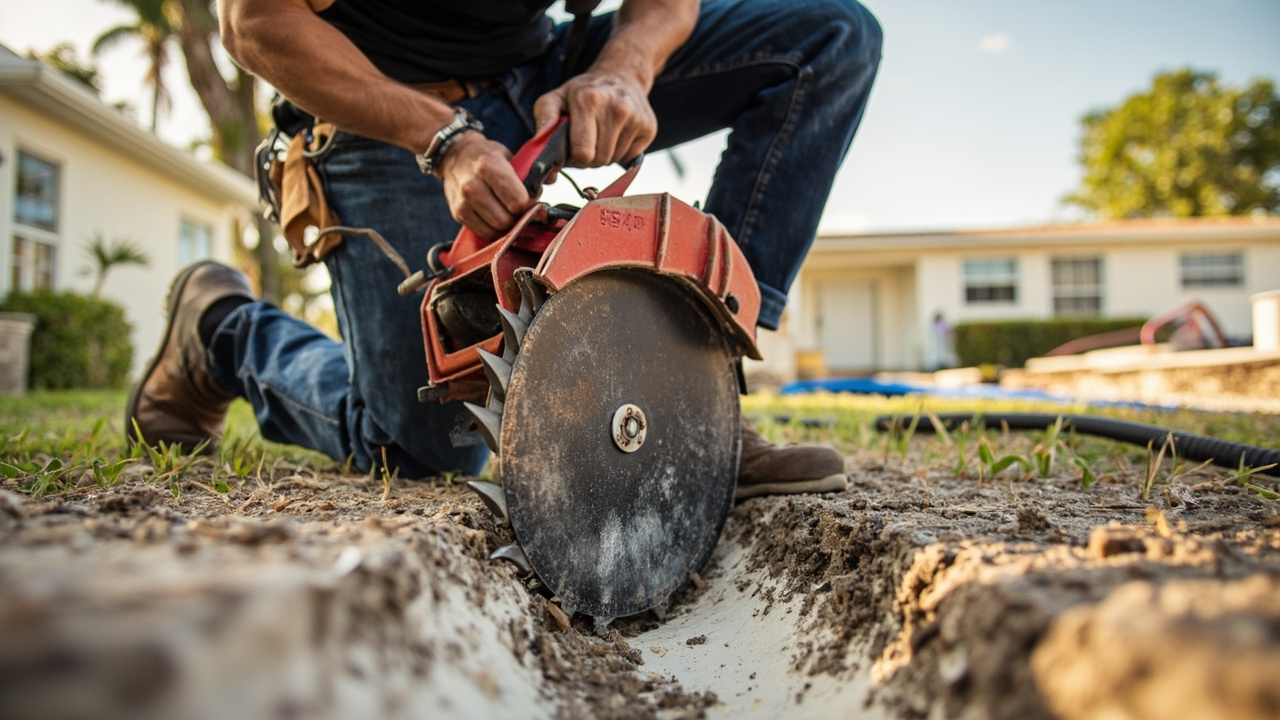
The total price for relocating your laundry setup depends heavily on the distance from the original hookups. You are not just paying for pipe. You are paying for the demolition of the floor, the specialized tools to cut through South Florida concrete, and the expertise to reconnect the system to your main stack. In 2026, material costs for copper or PEX supply lines and PVC drainage have remained steady, but labor remains the primary driver of your budget. A simple move of five feet is significantly different from a move to the opposite side of the house.
| Relocation Distance | Primary Infrastructure Needs | Estimated Timeline |
|---|---|---|
| Under 5 Feet | Extended supply lines and minor drain adjustment | 2 to 3 Days |
| 5 to 15 Feet | Slab trenching and new vent stack installation | 4 to 6 Days |
| Over 15 Feet | Main line tie-in and potential pump installation | 7 to 10 Days |
Beyond the plumbing, you have to consider the electrical needs. A modern dryer requires a 240V outlet, which often means running a new dedicated circuit from your panel. If your electrical panel is on the other side of the house, this adds another layer to your renovation plan. Always ensure your plumber and electrician coordinate so the water and power lines do not interfere with each other.
Technical Challenges of Slab Trenching and Drainage
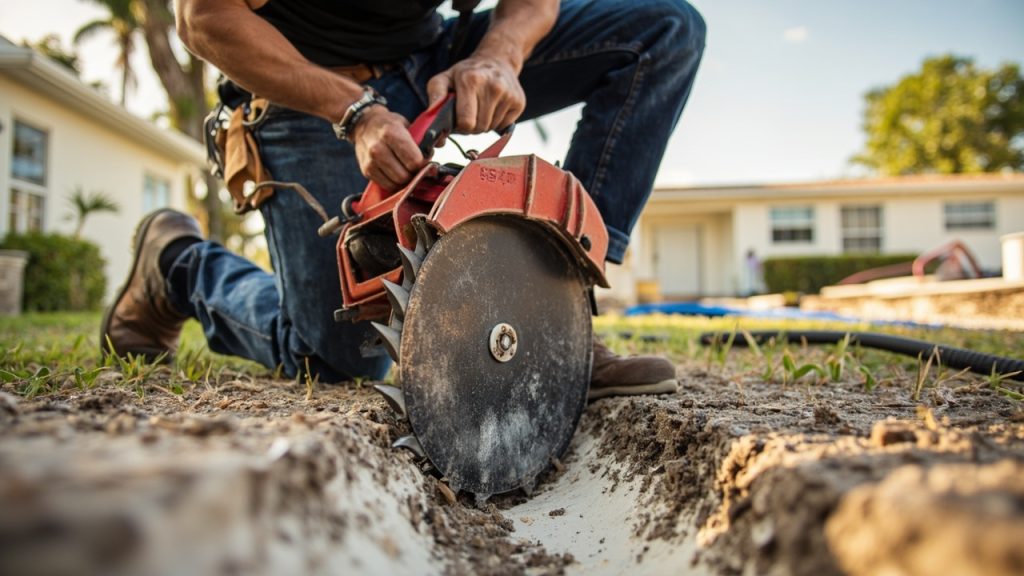
Most Miami homes do not have basements or crawlspaces. When we move a drain, we have to go down into the dirt. This process starts by marking the floor and using a diamond-blade saw to cut the concrete. We then excavate the fill underneath to lay the new PVC pipe. The most critical part of this job is the slope. A washing machine discharges a massive amount of water in a short burst. If the pipe does not have a slope of at least one-quarter inch per foot, that water will back up and flood your new floors.
This volume of water also requires a proper P-trap and a standpipe that is at least two inches in diameter. If you are using a high-efficiency machine, the suds can actually push back up through the drain if the venting is not perfect. We install a vent that goes through the roof to balance the pressure. This is a non-negotiable step according to the Florida Building Code. Without that vent, the water creates a vacuum as it drains, which can suck the water out of your other traps and let sewer smells into your home.
Managing Moisture and Ventilation in South Florida
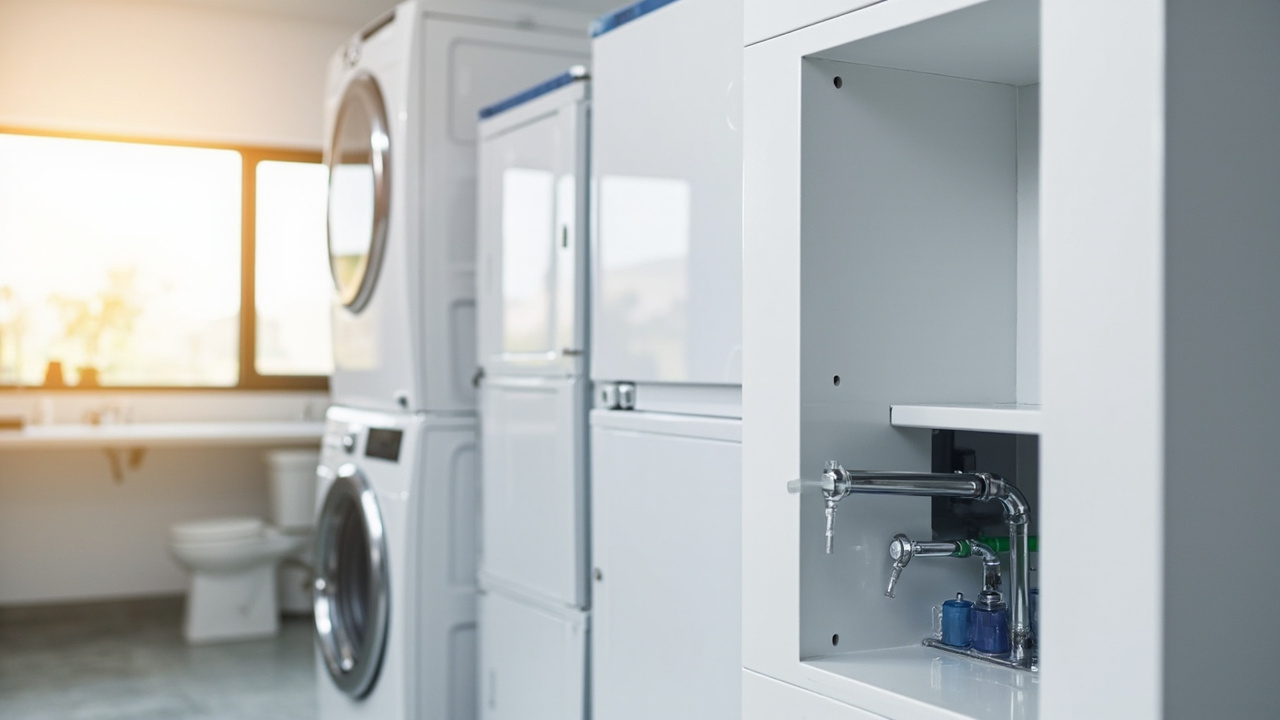
In our humid Miami climate, a laundry room can quickly become a breeding ground for mildew. When you move the laundry room indoors, you must have an exhaust fan that vents directly to the outside. Do not let a contractor vent the dryer or the room itself into your attic or a crawlspace. This will rot your roof deck and lead to expensive repairs. Modern 2026 standards require high-capacity fans that can move at least 50 cubic feet of air per minute for a standard laundry closet.
You also need to think about flood protection. If your new laundry room is on the first floor near a hallway, we always install a floor pan with a dedicated drain. This pan sits under the washer and catches any leaks before they ruin your hardwood or tile. I also suggest installing an automatic shut-off valve. These devices detect water on the floor and immediately close the hot and cold water supply lines. It is a small investment that prevents a catastrophe, especially if you are used to the stress of finding an emergency plumber in Brickell who actually shows up on time during a crisis.
Navigating Miami Dade Permitting for Plumbing Renovations
You cannot legally move a laundry room in Miami Shores without a permit from the Miami-Dade County Building Department. Some homeowners try to skip this step to save money, but it is a major mistake. When you go to sell your home, an unpermitted renovation will show up in the records and can kill the deal. Furthermore, if an unpermitted pipe leaks and causes damage, your insurance company may deny the claim. A permit ensures that a county inspector reviews the work to make sure it is safe and up to code.
- Submission of a detailed floor plan showing new pipe locations
- Verification of the plumber’s state license and insurance
- A rough-in inspection before the concrete is poured back into the trench
- A final inspection once the appliances are installed and the walls are closed
- Payment of municipal fees based on the value of the work
The inspection process is there to protect you. The inspector checks the pressure in the lines to ensure there are zero leaks. They also verify that the vent stack is properly flashed on the roof to prevent rainwater from entering your walls. In a coastal environment like ours, these details are what keep a home standing for decades.
Second Floor Laundry Room Considerations
If your Miami Shores renovation involves moving the laundry to a second story, the requirements change. You are no longer worried about slab trenching, but you must worry about structural weight and vibration. A front-load washing machine spinning at high speeds creates significant force. We often have to reinforce the floor joists to prevent the ceiling below from cracking. This is similar to the structural concerns we address when resolving weak water flow in Miami Beach high rise buildings where pump systems and vibrations are constant factors.
| Component | Standard Requirement | Miami Shores Best Practice |
|---|---|---|
| Drain Pipe Size | 2 Inch Minimum | 3 Inch for high-volume machines |
| Supply Lines | Braided Stainless Steel | Recessed wall box with shut-off valves |
| Waterproofing | Standard Pan | Full-room waterproof membrane under tile |
| Ventilation | Wall Exhaust | Direct roof vent with backdraft damper |
Water damage on a second floor is much more destructive than on a first floor. A leak upstairs can take out the drywall, electrical systems, and flooring on both levels. This is why we insist on a drain pan that is plumbed directly into the main waste line. We also check the water pressure in your home. High pressure can cause the solenoid valves in your washer to fail prematurely. If your pressure is above 80 PSI, we install a pressure-reducing valve to protect your appliances, much like the issues discussed regarding why your Pinecrest water heater is failing and the cost for a new unit.
[IMAGE_PLACE_HOLDER_3]
Professional Plumbing Integration for Modern Appliances
In 2026, appliances have become more sensitive to plumbing quality. Modern washers use less water but require higher flow rates during the fill cycle. If your pipes are narrowed by mineral scale or are simply too small, the machine will throw error codes and take twice as long to finish a load. When we relocate your laundry room, we ensure the new lines are sized for the technology of today and tomorrow. This includes using high-quality shut-off valves that do not seize up after a year of use.
We also pay close attention to the standpipe height. If the standpipe is too short, the water can siphon back into the machine. If it is too tall, the pump in your washer might struggle to push the water up. We set every installation to the exact manufacturer specifications for the specific model you choose. This level of detail is what separates a DIY project from a professional renovation that adds real value to your Miami Shores home.
Moving your laundry room is a major decision that changes how you interact with your home every day. It removes the heat and noise of the garage and brings a modern convenience into your living space. By focusing on proper drainage, venting, and moisture control, you ensure that this upgrade is a long-term success. If you are planning a renovation and want to make sure your plumbing is handled by someone who knows the specific challenges of our local neighborhoods, reach out to a professional who understands the value of doing the job right the first time.
{
“@context”: “https://schema.org”,
“@type”: “BlogPosting”,
“headline”: “Strategic Planning for Moving Your Laundry Room During a Miami Shores Home Renovation”,
“description”: “Learn about laundry room relocation costs and plumbing requirements for your Miami Shores home renovation. Expert advice on slab trenching and local permits.”,
“wordCount”: 1644,
“datePublished”: “2026-03-12T08:53:00.000Z”,
“dateModified”: “2026-03-12T08:53:00.000Z”,
“inLanguage”: “en-US”,
“mainEntityOfPage”: {
“@type”: “WebPage”,
“@id”: “https://cornerstoneplumbingmiami.com”
},
“publisher”: {
“@type”: “LocalBusiness”,
“name”: “Cornerstone Plumbing Miami”,
“url”: “https://cornerstoneplumbingmiami.com”
},
“author”: {
“@type”: “Organization”,
“name”: “Cornerstone Plumbing Miami”,
“url”: “https://cornerstoneplumbingmiami.com”
},
“image”: {
“@type”: “ImageObject”,
“url”: “https://cornerstoneplumbingmiami.com/wp-content/uploads/2026/03/deciding-where-to-move-your-laundry-room-during-a-1.jpg”
}
}
{
“@context”: “https://schema.org”,
“@type”: “Plumber”,
“name”: “Cornerstone Plumbing Miami”,
“url”: “https://cornerstoneplumbingmiami.com”,
“address”: {
“@type”: “PostalAddress”,
“addressLocality”: “Miami”
},
“areaServed”: {
“@type”: “City”,
“name”: “Miami”
}
}
{
“@context”: “https://schema.org”,
“@type”: “BreadcrumbList”,
“itemListElement”: [
{
“@type”: “ListItem”,
“position”: 1,
“name”: “Home”,
“item”: “https://cornerstoneplumbingmiami.com”
},
{
“@type”: “ListItem”,
“position”: 2,
“name”: “Blog”,
“item”: “https://cornerstoneplumbingmiami.com/blog”
},
{
“@type”: “ListItem”,
“position”: 3,
“name”: “Strategic Planning for Moving Your Laundry Room During a Miami Shores Home Renovation”
}
]
}
{
“@context”: “https://schema.org”,
“@type”: “Service”,
“serviceType”: “Plumbing”,
“provider”: {
“@type”: “LocalBusiness”,
“name”: “Cornerstone Plumbing Miami”,
“url”: “https://cornerstoneplumbingmiami.com”
},
“areaServed”: {
“@type”: “City”,
“name”: “Miami”
},
“description”: “Learn about laundry room relocation costs and plumbing requirements for your Miami Shores home renovation. Expert advice on slab trenching and local permits.”
}