Choosing the Best Automatic Pool Fill System for Your Backyard in Coral Gables
Keeping your pool water at the correct level in Coral Gables is a constant struggle during the current 2026 season. The intense South Florida sun causes rapid evaporation while heavy afternoon thunderstorms can quickly overfill your basin. An automatic pool water leveler solves these problems by managing the water height without you ever touching a garden hose. This upgrade protects your expensive pool equipment and ensures your backyard stays functional all year. Many homeowners in Gables Estates and the neighborhoods near the Biltmore find that these systems are now a necessity for proper property maintenance. If the water level drops too low, your pump will suck in air and burn out. If the level is too high, your skimmer cannot remove debris from the surface.
Managing High Evaporation Rates in the South Florida Heat
Miami experiences some of the highest evaporation rates in the country during the summer months of 2026. On a typical July day, a pool in Coral Gables can lose a significant amount of water. When the water level drops below the skimmer mouth, your pump begins to pull in air. This leads to cavitation and can eventually ruin the pump motor. If you are already dealing with property issues like resolving weak water flow in other parts of your home, adding a pump failure to the mix is an expensive headache. A dedicated autofill system monitors the level and adds water the moment it drops a fraction of an inch. This keeps the pump primed and the water circulating as intended.
High humidity also plays a role in how we manage pool plumbing in Miami. While humidity slows evaporation compared to desert climates, the high heat index in 2026 means your pool stays warm. Warm water evaporates faster than cool water. This constant cycle of loss and manual refilling makes it difficult to maintain a stable chemical balance. Chlorine and salt levels fluctuate when you add large volumes of tap water all at once. An automatic system adds water in small increments. This keeps your water chemistry stable and prevents algae growth from taking hold in the stagnant upper layer of the pool.
Benefits of Using an Automatic Pool Fill System
Installing an automatic leveler provides several practical advantages for Coral Gables residents. The most immediate benefit is the protection of your pool pump. Replacing a high-efficiency variable speed pump in 2026 is a significant expense. By ensuring the water never drops below the intake, the autofill system acts as an insurance policy for your mechanical equipment. This level of preventative care is similar to how proactive homeowners handle other utilities when they are identifying why a water heater is failing before it floods the garage.
Another benefit is the prevention of pool overflow. Modern electronic autofill systems often include an overflow drain feature. During the heavy tropical downpours common in South Florida, your pool can quickly fill to the brim. If the water overflows, it can wash away expensive landscaping or even seep into your home foundation. This is critical for historic properties where professional strategies for handling a sewer backup are already a concern due to old drainage infrastructure. A properly installed autofill with an integrated overflow line directs excess water to the storm drain or a designated runoff area on your property.
Comparing Different Types of Pool Leveling Systems
When selecting a system for your Coral Gables backyard, you generally choose between mechanical float valves and electronic sensor systems. Mechanical valves operate much like the assembly inside a toilet tank. A float sits on the water surface and opens a valve when the level drops. These are reliable and do not require electricity. However, they are visible and can sometimes get stuck if debris enters the float chamber. They are a solid choice for standard pool configurations where simplicity is preferred. You must check the float regularly to ensure the arm has not become calcified by the hard Miami water.
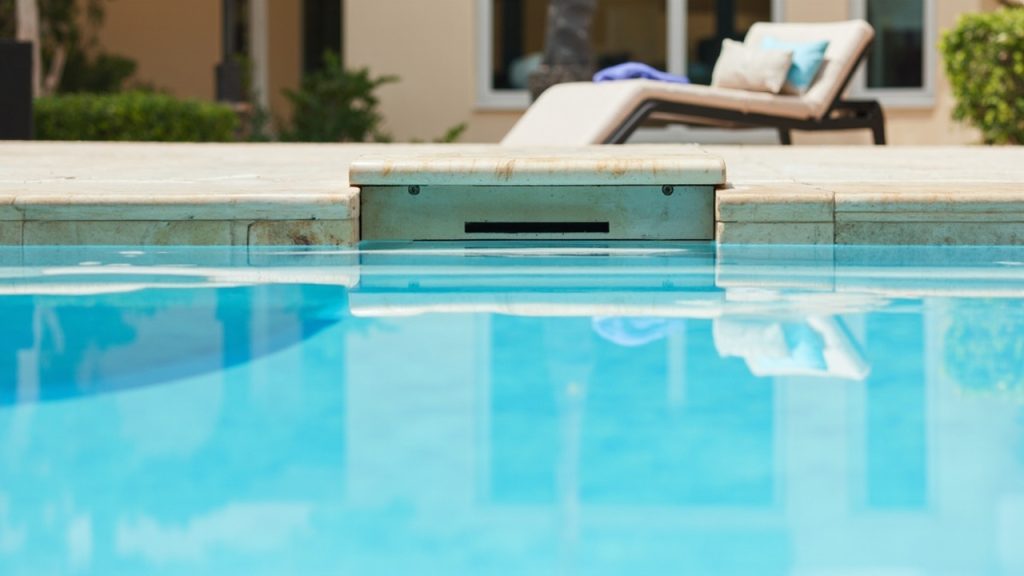
Electronic sensors offer a higher level of precision. These systems use probes to detect the water level and trigger a solenoid valve located at your equipment pad. They are much more discreet because the sensors are tiny and often hidden under the pool coping. For high-end luxury builds in 2026, electronic systems are the standard. They can even connect to your smartphone or home automation system, allowing you to monitor water usage in real time. This technology is helpful for identifying leaks early, saving you money on your monthly Miami-Dade water bill. Electronic systems also avoid the mechanical failure points of traditional float valves.
Comparison of Autofill Technologies in 2026
| Feature | Mechanical Float Valve | Electronic Probe System | Smart WiFi Leveler |
|---|---|---|---|
| Installation Complexity | Moderate | High | High |
| Maintenance Requirement | Annual Cleaning | Sensor Wipedown | Firmware Updates |
| Precision | Good | Excellent | Excellent |
| Power Required | None | 110v or 220v | Low Voltage or Battery |
| Visual Impact | Visible Float Lid | Hidden Probes | Completely Stealth |
Advanced Features and Smart Home Integration in 2026
The year 2026 has brought significant changes to how pool systems interact with your home. New autofill units now support Matter 1.3 and 1.4 standards. This means your pool leveler can talk to your Apple Home, Google Home, or Amazon Alexa system without a specialized bridge. Most of these devices now use the Thread protocol. Thread is a low-power mesh network that is perfect for outdoor equipment. It does not rely on your home Wi-Fi reaching all the way to the pool edge. Instead, the devices create their own stable network. This prevents the connection drops that were common with older 2.4GHz Wi-Fi sensors.
These 2026 smart systems provide detailed analytics. You can see exactly how many gallons of water your pool used over the last week. If the system detects that it is adding water more frequently than the current local evaporation rate suggests, it sends a leak alert to your phone. This is vital for Coral Gables residents who might have underground pipe shifts due to the local limestone. Some advanced systems also include a secondary safety shutoff. If the sensor detects a continuous fill for more than four hours, it automatically closes the valve to prevent a massive water bill or yard flooding. This level of automation ensures that your pool maintenance is truly hands-off.
The Professional Installation Process in Coral Gables
Installing an automatic pool water leveler is a complex plumbing task. We begin by identifying the best location for the leveling canister or sensors. For a new pool, this is done during the shell construction. For existing pools, we perform a retrofit. This involves removing a small section of the pool deck and coping to install the device. Because many Coral Gables homes feature high-end materials like travertine or coral stone, this work must be done with precision to maintain the aesthetic of your backyard. We use diamond-blade saws to make clean cuts that disappear once the stone is replaced.
The next step is the plumbing line. We must run a dedicated water line from your home water supply to the pool area. This requires trenching through your yard. In many parts of the Gables, we encounter solid Miami Oolite limestone just inches below the grass. We use specialized rock-cutting equipment to trench through this stone without damaging existing utilities. This is where local experience matters. A plumber who is used to the sandy soils of Miami Beach will struggle with the hard rock of the Gables. This specialized knowledge is also vital when performing expert cast iron pipe replacement in older Coconut Grove or Coral Gables estates where the rock complicates every foot of pipe.
Standard Installation Timeframes for 2026 Projects
| Phase of Work | Estimated Time | Primary Tasks |
|---|---|---|
| Site Assessment | 1 to 2 Hours | Locating utilities and water source |
| Trenching and Rock Cutting | 4 to 8 Hours | Digging through limestone and soil |
| Pipe Fitting and Leveling | 3 to 5 Hours | Running PVC and setting the canister |
| Concrete and Deck Repair | 2 to 4 Hours | Restoring the pool deck surface |
| Calibration and Testing | 1 to 2 Hours | Setting the exact water height |
Localized Case Study of a Project Near the Venetian Pool
We recently completed a comprehensive autofill installation for a property located just three blocks from the historic Venetian Pool in Coral Gables. The homeowner had been struggling with water loss during the peak of the 2026 summer heat. Because the property is located in a historic district, the aesthetic requirements were strict. We could not have any visible plastic lids on the pool deck. We selected an electronic sensor system that was installed directly into the skimmer throat, making it completely invisible from the patio. The plumbing required us to navigate around the roots of several protected Banyan trees that line the street. We used a pneumatic tunneling tool to pass the water line under the roots without causing damage to the trees or the historic stone wall surrounding the property.
The installation also had to account for the unique drainage patterns near the Granada Golf Course. During the rainy season, the local water table can rise significantly. We installed a dual-action system that not only adds water during dry spells but also utilizes a dedicated overflow line connected to a French drain system. This ensures that even during a tropical storm, the pool water never crests the coping. Since the installation, the homeowner has reported a stable chemical balance and a reduction in monthly water waste. This project serves as a prime example of how modern 2026 technology can be integrated into the most sensitive historic environments of the Gables.
Why Miami Pools Require Professional Leveling
You cannot simply leave a garden hose running in your pool. Not only is this a waste of water, but it also presents a risk for cross-contamination of your home drinking water. According to the current Florida Building Code, any permanent connection to a pool must include a backflow prevention device. This ensures that pool water, which contains chemicals and bacteria, cannot be siphoned back into your kitchen or bathroom sinks if the city water pressure drops. Professional installation ensures that your system meets all 2026 safety standards and local Miami-Dade municipal codes. We handle the permitting and inspections required for these permanent water line connections.
Proper drainage is the second reason for professional help. In the Gables, the soil does not always absorb water quickly due to the rock layers. If your autofill adds too much water or the overflow is not directed correctly, you can end up with standing water near your foundation. This creates a breeding ground for mosquitoes and can cause structural issues. We ensure the drainage component of your leveling system integrates with your existing property grade. If you have ever had to deal with finding an emergency plumber in Brickell for a flood, you know how important it is to get your drainage right the first time. We use laser leveling tools to ensure the overflow pipe has the correct pitch to move water away from your home.
Maintenance and Long Term Reliability for 2026 Systems
To keep your automatic pool fill system working perfectly, we recommend a few simple maintenance steps each year. For mechanical systems, you should periodically open the lid and clear out any leaves or dirt that might interfere with the float movement. For electronic systems, the sensor probes should be wiped clean of any calcium buildup. In South Florida, our water can be hard, and mineral deposits can eventually trick the sensors into thinking the water level is higher than it actually is. This can lead to a dry pump if the system fails to trigger a fill. We suggest a simple vinegar soak for sensors once every six months.
- Check the backflow preventer for leaks or drips.
- Verify that the overflow drain is clear of debris or clogs.
- Inspect the supply line valve for signs of corrosion or wear.
- Test the high-water alarm if your system is equipped with one.
- Clean the internal filter screen in the solenoid valve.
- Update the firmware on your Matter-enabled smart controller.
- Check the battery level on any Thread-based wireless sensors.
By following these steps, your autofill system will provide years of service. It is one of the most cost-effective upgrades you can make to your Coral Gables home in 2026. It saves you time, protects your equipment, and ensures your pool is always ready for a swim. Whether you are living in a historic home on Coral Way or a modern estate near the waterfront, this system provides peace of mind. If you are ready to stop dragging the garden hose across your yard every three days, it is time to consider a professional installation. We have the local expertise and the technical knowledge to handle the unique challenges of Coral Gables plumbing and soil conditions.
Frequently Asked Questions About Pool Levelers in Coral Gables
What happens to my pool leveler during a hurricane? Most modern systems installed in 2026 are built to withstand the pressure changes of a tropical storm. Electronic systems should be connected to a surge protector. If a major storm is approaching, you can remotely shut off the water supply via your smart home app to prevent any unintended filling if a sensor is damaged by debris. The overflow drain will continue to work even if the power is out, helping to mitigate flooding around your pool deck.
Will an automatic pool filler increase my water bill? An autofill system actually helps manage your water bill by preventing overfilling. When you fill a pool manually, it is easy to forget the hose is running. This leads to thousands of gallons of wasted water. The autofill adds only what is lost to evaporation. If you notice a spike in water usage, the system smart alerts will help you identify a leak in the pool shell or plumbing lines much faster than visual inspection alone.
Can a pool leveler be installed on an existing older pool? Yes. While it is easier to install during new construction, we specialize in retrofitting existing Coral Gables pools. We use precision tools to minimize the impact on your current deck. We can often hide the plumbing lines within existing garden beds or under the edge of the coping. This allows you to enjoy the benefits of 2026 technology without needing to completely renovate your backyard.
Is the water from the autofill safe for my pool chemicals? The system adds standard municipal water. Because it adds water in very small amounts, the impact on your pH and chlorine levels is minimal. This is much better than adding hundreds of gallons at once, which can shock the water chemistry and cause your salt cell to work overtime. Regular maintenance of your pool chemicals is still required, but the autofill makes the process much more stable and predictable for homeowners.
What is the lifespan of an electronic sensor versus a mechanical float? In the South Florida climate, mechanical floats usually last about five to seven years before the plastic becomes brittle or the valve seals fail. Electronic sensors often last longer because they have no moving parts. The main solenoid valve on an electronic system may need replacement after eight to ten years. In 2026, many homeowners prefer electronic systems because they offer better diagnostics and can be integrated into broader home maintenance schedules.
{
“@context”: “https://schema.org”,
“@type”: “BlogPosting”,
“headline”: “Choosing the Best Automatic Pool Fill System for Your Backyard in Coral Gables”,
“description”: “Learn how to choose the right automatic pool fill system in Coral Gables. Expert advice on 2026 smart home integration, limestone installation, and pool maintenance.”,
“wordCount”: 2565,
“datePublished”: “2026-03-11T08:21:00.000Z”,
“dateModified”: “2026-03-11T08:21:00.000Z”,
“inLanguage”: “en-US”,
“mainEntityOfPage”: {
“@type”: “WebPage”,
“@id”: “https://cornerstoneplumbingmiami.com”
},
“publisher”: {
“@type”: “LocalBusiness”,
“name”: “Cornerstone Plumbing Miami”,
“url”: “https://cornerstoneplumbingmiami.com”
},
“author”: {
“@type”: “Organization”,
“name”: “Cornerstone Plumbing Miami”,
“url”: “https://cornerstoneplumbingmiami.com”
},
“image”: {
“@type”: “ImageObject”,
“url”: “https://cornerstoneplumbingmiami.com/wp-content/uploads/2026/03/choosing-the-right-automatic-pool-fill-system-for-1.jpg”
}
}
{
“@context”: “https://schema.org”,
“@type”: “Plumber”,
“name”: “Cornerstone Plumbing Miami”,
“url”: “https://cornerstoneplumbingmiami.com”,
“address”: {
“@type”: “PostalAddress”,
“addressLocality”: “Miami”
},
“areaServed”: {
“@type”: “City”,
“name”: “Miami”
}
}
{
“@context”: “https://schema.org”,
“@type”: “BreadcrumbList”,
“itemListElement”: [
{
“@type”: “ListItem”,
“position”: 1,
“name”: “Home”,
“item”: “https://cornerstoneplumbingmiami.com”
},
{
“@type”: “ListItem”,
“position”: 2,
“name”: “Blog”,
“item”: “https://cornerstoneplumbingmiami.com/blog”
},
{
“@type”: “ListItem”,
“position”: 3,
“name”: “Choosing the Best Automatic Pool Fill System for Your Backyard in Coral Gables”
}
]
}
{
“@context”: “https://schema.org”,
“@type”: “Service”,
“serviceType”: “Plumbing”,
“provider”: {
“@type”: “LocalBusiness”,
“name”: “Cornerstone Plumbing Miami”,
“url”: “https://cornerstoneplumbingmiami.com”
},
“areaServed”: {
“@type”: “City”,
“name”: “Miami”
},
“description”: “Learn how to choose the right automatic pool fill system in Coral Gables. Expert advice on 2026 smart home integration, limestone installation, and pool maintenance.”
}