Identifying Lead Water Lines in Your Overtown Property and Exploring Your Options
Overtown stands as one of the most historic areas in Miami. Homes near NW 3rd Avenue or the Lyric Theater often date back to a time when lead was the standard for plumbing installations. If you live in an older property here, you might have lead service lines or lead solder in your pipes. Identifying these materials protects your family from heavy metal exposure in your drinking water. As we move through 2026, the Miami-Dade Water and Sewer Department (WASD) continues to update its inventory of service lines. Homeowners must understand their responsibility for the plumbing inside their property lines.
Lead pipes pose a risk because they can corrode over time. This corrosion allows lead to enter the water stream. In South Florida, our warm climate and specific water chemistry can influence how pipes age. While the city manages the main lines, the pipe connecting the water meter to your home belongs to you. This article explains how to check your Overtown property and what steps to take if you find lead.
Understanding Lead Risks in Historic Overtown Homes
Overtown was developed during an era when lead was praised for its durability. Plumbers used it for service lines and internal piping because it was easy to bend and resistant to leaks. In 2026, we know that no level of lead exposure is safe. Chronic exposure can lead to serious health issues in children and adults. Residents in historic districts often face the highest risk because of the sheer age of the infrastructure.
Many Overtown residents own multi-generational homes. These properties might have undergone partial repairs over the decades. A home could have a modern copper pipe at the kitchen sink but still have an original lead service line buried in the yard. Understanding the full scope of your plumbing system requires a thorough inspection. This is similar to the challenges faced during expert cast iron pipe replacement for historic Coconut Grove properties where older materials eventually reach their failure point.
The Connection Between Home Age and Pipe Materials
If your Overtown home was built before the mid-twentieth century, the probability of finding lead is high. Lead was also used in solder to join copper pipes until federal regulations tightened. Even if your main pipes are copper, the joints could contain lead. Properties near the Overtown Folk Life Village or Gibson Park are prime examples of where these materials persist. The Environmental Protection Agency provides comprehensive data on the Lead and Copper Rule which governs how municipalities must manage these risks in 2026.
Three Simple DIY Tests to Identify Lead Pipes
You do not need specialized tools to perform an initial check of your plumbing. You can identify most lead pipes using items found in your kitchen or junk drawer. Start by locating where the water service line enters your home. This is usually near the main shut-off valve or the water meter.
The Scratch Test Using a Common Coin
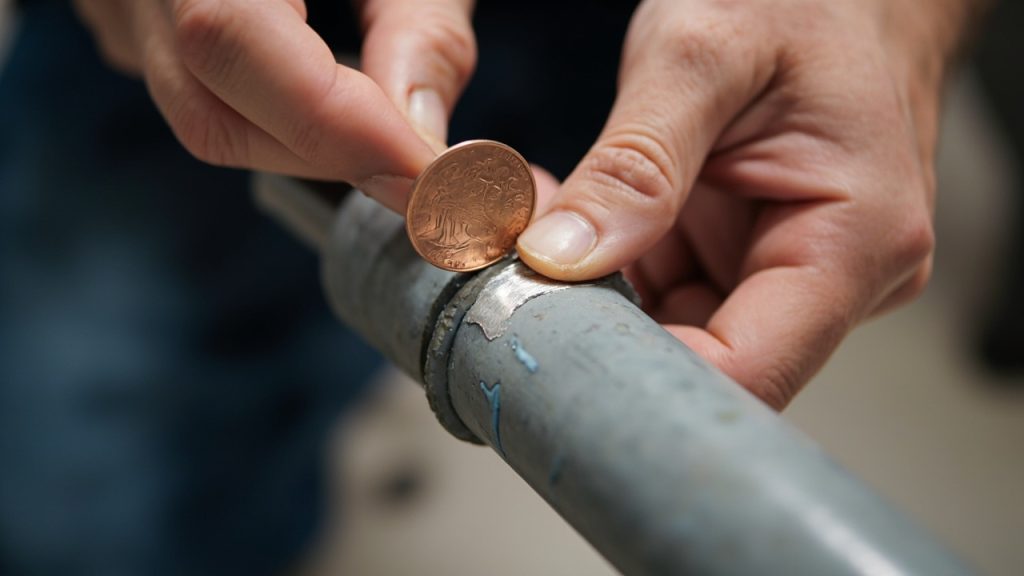
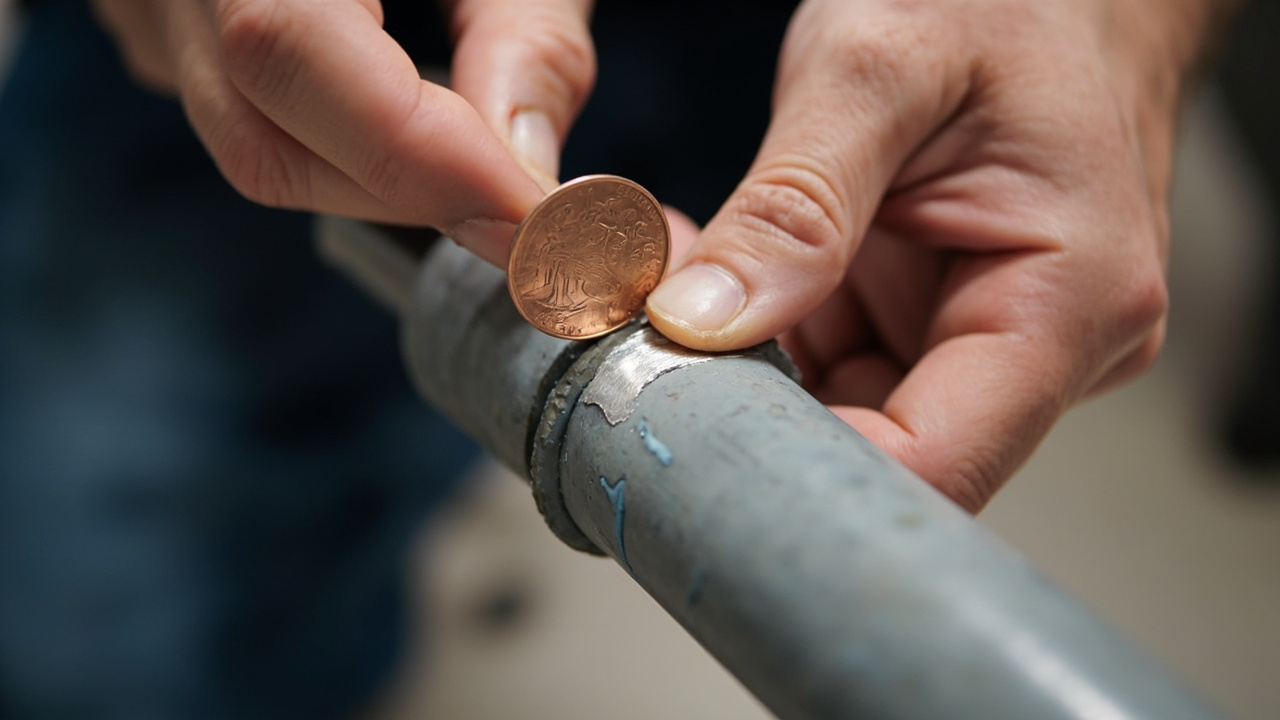
Lead is a very soft metal. Find a section of the pipe that enters your home and use a key or a penny to scratch the surface. If the pipe is lead, the scratch will appear shiny and silver. This silver color is a primary indicator that the material is lead. If the scratch appears dull or like a penny, you likely have copper. If it is very hard to scratch, it is likely galvanized steel.
Using the Magnet Test to Rule Out Steel
A simple magnet helps distinguish lead from galvanized steel. Lead is non-magnetic. If you place a magnet on the pipe and it does not stick, you are likely dealing with lead or copper. If the magnet sticks firmly, you have galvanized steel. Galvanized steel pipes can also be problematic as they often trap lead particles from old city lines, but they are not made of lead themselves.
The Visual Check for Wiped Joints
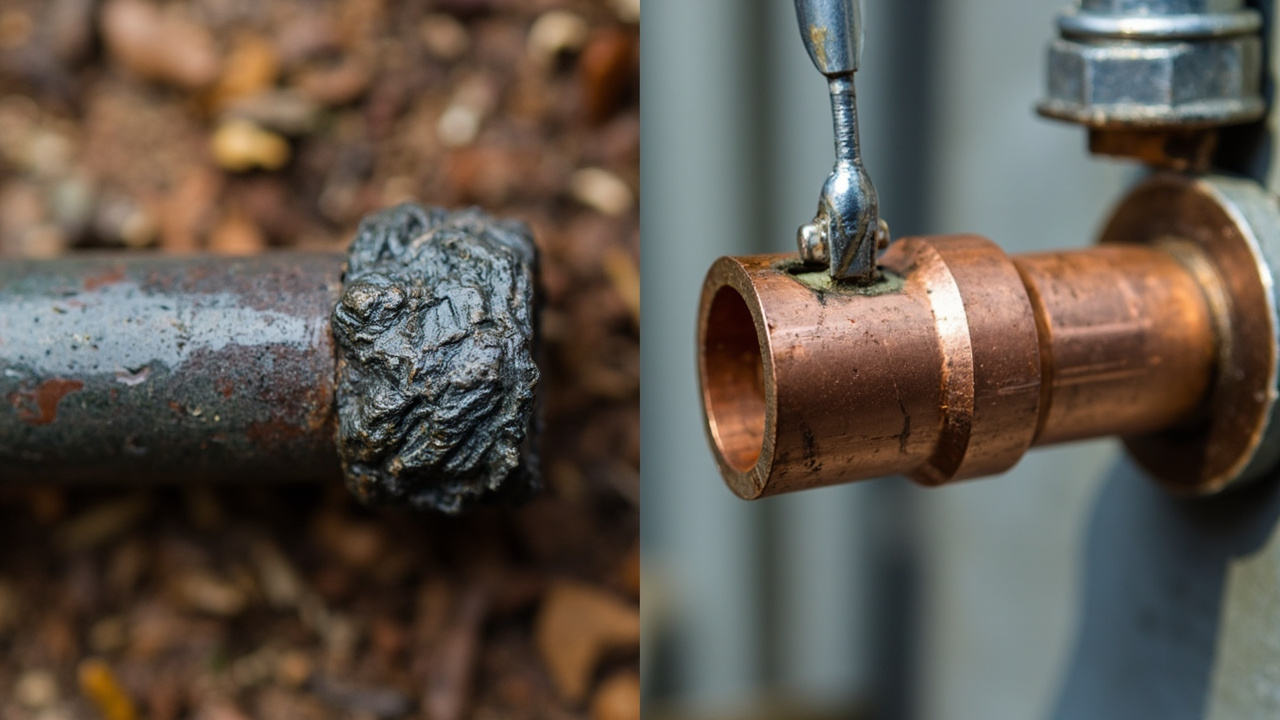
Look at the connections where two pipes meet or where a pipe enters a valve. Lead pipes often feature a bulbous, rounded joint known as a wiped joint. This looks like a swollen area around the connection. If you see this characteristic shape, it is a strong sign of lead plumbing. This is often found in older Overtown utility rooms or crawl spaces.
Comparing Common Plumbing Materials Found in Miami
It is common to find a mix of materials in South Florida homes. Repairs over the years might have introduced PVC, PEX, or copper into an older lead system. The following table helps you identify what you are looking at during your inspection.
| Material | Visual Appearance | Scratch Test Result | Magnet Test |
|---|---|---|---|
| Lead | Dull gray, soft curves | Shiny silver mark | Will not stick |
| Galvanized Steel | Silver-gray, threaded joints | Hard to scratch | Sticks firmly |
| Copper | Orange-brown or green patina | Shiny copper/gold mark | Will not stick |
| PEX or PVC | White, blue, or red plastic | Plastic shavings | Will not stick |
[IMAGE_PLACE_PLACEHOLDER_2]
Understanding Miami Dade Water and Sewer Department Guidelines
The Miami-Dade Water and Sewer Department has been proactive in 2026 with their Lead Service Line Inventory. They provide residents with resources to identify the city-owned portion of the pipe. You can check the Miami-Dade Water and Sewer website to see if your address has a confirmed or suspected lead service line. If the city side is lead, they are required to replace it under current federal mandates. However, the portion on your property remains your responsibility.
If you suspect lead, you can request a water testing kit from the county. These kits allow you to collect a sample from your tap and send it to a lab for analysis. This is the only way to confirm if lead is actually leaching into your drinking water. In Overtown, high water demand can sometimes stir up sediment in older lines, making testing even more important.
Steps to Take if You Find Lead in Your Plumbing System
If your DIY tests or a lab report confirm the presence of lead, you must act. While pipe replacement is the permanent solution, there are immediate steps you can take to lower your risk. Safety in 2026 relies on a combination of filtration and behavioral changes.
- Only use cold water for drinking and cooking as hot water dissolves lead more quickly.
- Run your cold water tap for two to three minutes before using it if the water has been sitting for several hours.
- Install a water filter certified to remove lead at your kitchen sink.
- Clean your faucet aerators regularly to remove trapped lead particles and sediment.
- Avoid using boiling water to remove lead as boiling does not remove the metal.
For those living in larger buildings, you might encounter different issues. Identifying lead is just one part of maintaining water quality. Residents in newer developments may need help resolving weak water flow in Miami Beach high rise buildings which often stems from different mechanical failures.
Professional Lead Replacement Solutions for Overtown Properties
The only permanent way to eliminate lead risk is to replace the pipes. A whole-house repipe involves removing the old lead or galvanized lines and installing modern, safe materials. In 2026, most Miami plumbers recommend PEX or copper for these replacements. PEX is flexible and resistant to the corrosive effects of Florida water, making it a popular choice for Overtown homes with tight crawl spaces.
Replacing a service line involves trenching from the water meter to the house. This process usually takes one to two days. During this time, your water will be shut off briefly. Professionals use specialized equipment to minimize damage to your landscaping or driveway. If you are already dealing with other infrastructure issues, such as professional strategies for handling a sewer backup in your Coral Gables home, you know that managing old pipes requires a strategic approach.
Cost Factors and Timelines for Pipe Replacement
The cost of replacing lead pipes varies based on the size of your home and the length of the service line. In Overtown, many lots are narrow, which can simplify the service line replacement. However, the age of the internal structure can add complexity. If your walls are lath and plaster, accessing the pipes requires more labor than homes with modern drywall.
| Service Type | Typical Duration | Material Options |
|---|---|---|
| Main Service Line Replacement | 1 Day | PEX, Copper |
| Whole House Repipe (Internal) | 3 to 5 Days | PEX, CPVC, Copper |
| Fixture and Valve Upgrade | Half Day | Brass, Stainless Steel |
Investing in new plumbing increases your property value and ensures long-term safety. It also prevents emergency situations that require finding an emergency plumber in Brickell who actually shows up on time. Modern systems are designed to last for decades without the risk of heavy metal contamination.
Choosing the Right Pipe Material for Your Miami Home
When you replace lead pipes, you must choose a material that handles Miami’s unique environment. High humidity and salt air can affect certain metals. Copper is highly durable and has natural antimicrobial properties, but it can be more expensive. PEX is a high-density plastic that does not corrode and is much easier to install in historic Overtown renovations. Most 2026 installations favor PEX for its balance of cost and performance.
Ensure that all new fixtures are lead-free. Even modern faucets can contain trace amounts of lead if they were manufactured before certain standards were enacted. Check for the NSF/ANSI 61 certification on any new plumbing components you purchase. This certification confirms the product meets strict lead leaching standards.
Preparing for a Professional Plumbing Inspection
If you performed the DIY tests and found silver scratches or wiped joints, the next step is a professional inspection. A licensed plumber will use a camera or specialized testing equipment to confirm the material throughout your entire system. They can also check the condition of your water heater, as old tanks often collect lead sediment. This is a common concern for residents who find why your Pinecrest water heater is failing and the cost for a new unit often relates to sediment buildup from aging pipes.
During the inspection, ask the plumber to check for galvanized pipes that may be downstream of lead lines. These pipes act like sponges for lead and should be replaced at the same time. Having a clear plan for your Overtown home ensures you can tackle the project efficiently and safely. Protecting the water quality in one of Miami’s most significant neighborhoods starts with knowing what is under your floorboards and behind your walls.
If you suspect lead in your Overtown plumbing, contact a qualified professional to schedule a water quality audit and pipe inspection today. Taking action now prevents long-term health risks and secures the future of your historic property.
{
“@context”: “https://schema.org”,
“@type”: “BlogPosting”,
“headline”: “Identifying Lead Water Lines in Your Overtown Property and Exploring Your Options”,
“description”: “Learn how to identify lead pipes in your Overtown home with our expert guide. Discover testing methods and replacement options for Miami property owners in 2026.”,
“wordCount”: 1783,
“datePublished”: “2026-03-10T09:43:00.000Z”,
“dateModified”: “2026-03-10T09:43:00.000Z”,
“inLanguage”: “en-US”,
“mainEntityOfPage”: {
“@type”: “WebPage”,
“@id”: “https://cornerstoneplumbingmiami.com”
},
“publisher”: {
“@type”: “LocalBusiness”,
“name”: “Cornerstone Plumbing Miami”,
“url”: “https://cornerstoneplumbingmiami.com”
},
“author”: {
“@type”: “Organization”,
“name”: “Cornerstone Plumbing Miami”,
“url”: “https://cornerstoneplumbingmiami.com”
},
“image”: {
“@type”: “ImageObject”,
“url”: “https://cornerstoneplumbingmiami.com/wp-content/uploads/2026/03/how-to-check-your-older-overtown-home-for-lead-pip-1.jpg”
}
}
{
“@context”: “https://schema.org”,
“@type”: “Plumber”,
“name”: “Cornerstone Plumbing Miami”,
“url”: “https://cornerstoneplumbingmiami.com”,
“address”: {
“@type”: “PostalAddress”,
“addressLocality”: “Miami”
},
“areaServed”: {
“@type”: “City”,
“name”: “Miami”
}
}
{
“@context”: “https://schema.org”,
“@type”: “BreadcrumbList”,
“itemListElement”: [
{
“@type”: “ListItem”,
“position”: 1,
“name”: “Home”,
“item”: “https://cornerstoneplumbingmiami.com”
},
{
“@type”: “ListItem”,
“position”: 2,
“name”: “Blog”,
“item”: “https://cornerstoneplumbingmiami.com/blog”
},
{
“@type”: “ListItem”,
“position”: 3,
“name”: “Identifying Lead Water Lines in Your Overtown Property and Exploring Your Options”
}
]
}
{
“@context”: “https://schema.org”,
“@type”: “Service”,
“serviceType”: “Plumbing”,
“provider”: {
“@type”: “LocalBusiness”,
“name”: “Cornerstone Plumbing Miami”,
“url”: “https://cornerstoneplumbingmiami.com”
},
“areaServed”: {
“@type”: “City”,
“name”: “Miami”
},
“description”: “Learn how to identify lead pipes in your Overtown home with our expert guide. Discover testing methods and replacement options for Miami property owners in 2026.”
}