Living in North Miami means dealing with unique water quality challenges. The water flowing into your home comes primarily from the Biscayne Aquifer. While the Miami-Dade Water and Sewer Department treats this water to meet current 2026 safety standards, the high limestone content and necessary chlorine levels often leave families looking for better options. You want water that tastes fresh and remains free of microscopic contaminants. Choosing between a carbon filter and a reverse osmosis system is the most common decision for households near Oleta River or Arch Creek. This guide helps you understand which technology fits your specific needs without the fluff.

Understanding Carbon Filtration in South Florida
Carbon filtration remains a staple for many homes along NE 125th Street and surrounding neighborhoods. These systems work through a process called adsorption. Imagine a sponge with millions of tiny pores that trap specific chemicals as water passes through. Most modern systems use either Granular Activated Carbon or solid carbon blocks. In North Miami, these filters perform exceptionally well at removing the heavy chlorine taste and odor that often accompanies municipal water. If your primary goal is making tap water taste like high-quality bottled water for drinking and cooking, a multi-stage carbon system is a strong contender.
Solid carbon blocks are particularly effective for North Miami families because they have a high density. This density allows them to trap more than just chemicals. They can also catch larger physical particles like silt or rust from older pipes. If you live in a property that might require expert cast iron pipe replacement, you likely already see some of this sediment in your current fixtures. Carbon filters act as the first line of defense against these visible issues. They do not require electricity and they do not produce any waste water, making them an environmentally friendly choice for the local ecosystem.
Carbon systems do have limitations. They cannot remove dissolved minerals like calcium or magnesium. These minerals are responsible for the hard water spots you see on your shower doors and faucets. While the minerals are safe to drink, they contribute to the high Total Dissolved Solids levels found throughout Miami-Dade County. If you only want to remove chemical additives and improve taste, carbon is sufficient. If you need to strip the water of everything but the hydrogen and oxygen, you will need a more advanced solution.
The Mechanics of Reverse Osmosis Systems
Reverse osmosis is the gold standard for water purity in 2026. This system uses a semi-permeable membrane to filter out nearly every contaminant found in the water supply. While a carbon filter uses adsorption, reverse osmosis uses mechanical pressure to force water molecules through a membrane with pores so small that even viruses and dissolved salts cannot pass through. This results in water that is nearly one hundred percent pure. For families in North Miami who are concerned about emerging contaminants like PFAS or high sodium levels, this is the preferred technology.
An RO system usually includes several stages. It starts with a sediment filter to catch sand and grit. Then it moves to a carbon pre-filter to protect the delicate membrane from chlorine. The water then hits the RO membrane itself. Finally, a post-filter polishes the water for taste before it reaches your faucet. This level of filtration is why RO water tastes so crisp. It removes the limestone and calcium that characterize our local groundwater. This also prevents the scale buildup that often causes issues when a Pinecrest water heater is failing due to mineral accumulation.

Comparing Contaminant Removal Rates
The choice between these two systems often comes down to what you want to remove from your family’s diet. Below is a current 2026 comparison of how each technology handles common South Florida water issues.
| Contaminant Type | Carbon Filter Removal | Reverse Osmosis Removal |
|---|---|---|
| Chlorine and Chloramines | 95 to 99 percent | 99 plus percent |
| Total Dissolved Solids (TDS) | Minimal removal | 90 to 98 percent |
| Lead and Heavy Metals | Depends on filter grade | Extremely high removal |
| PFAS and PFOA | High with specific media | Highest industry standard |
| Fluoride | Zero removal | 80 to 90 percent |
| Nitrates and Sulfates | Zero removal | High removal |
Why North Miami Water Requires Special Treatment
The geography of North Miami adds layers of complexity to water filtration. We sit on a porous limestone shelf. This limestone naturally dissolves into the aquifer, creating water that is notoriously hard. While hard water is not a health risk, it is a nuisance for plumbing systems and skin health. Families living near the coast may also worry about the long-term effects of saltwater intrusion on the aquifer, which can slightly increase sodium levels in the municipal supply. A carbon filter will not touch these dissolved salts or minerals. Only a reverse osmosis membrane can effectively lower the TDS levels in your home.
Pressure is another local factor. In some parts of Miami, particularly in high density areas, municipal pressure can fluctuate. Reverse osmosis systems rely on pressure to work. If your home experiences low pressure, you might find that an RO system produces water very slowly. This is a common complaint for those resolving weak water flow issues in older multi-story buildings. In these cases, a plumber might need to install a permeate pump to help the RO system function efficiently without wasting excessive amounts of water.
Maintenance Schedules and System Longevity
Every filtration system requires regular upkeep to stay safe and effective. If you ignore a carbon filter, it eventually becomes a breeding ground for bacteria because the carbon is full of trapped organic material. If you ignore an RO membrane, the pores clog and the system stops producing water entirely. In the humid Miami climate, staying on top of these schedules is vital for keeping your water fresh.
| Component | Maintenance Frequency | Purpose in North Miami Homes |
|---|---|---|
| Sediment Pre-Filter | Every 6 months | Traps sand and limestone grit |
| Activated Carbon Block | 6 to 12 months | Removes chlorine and bad tastes |
| RO Membrane | 2 to 4 years | Removes dissolved solids and metals |
| Polishing Post-Filter | Every 12 months | Ensures final taste is neutral |
| Sanitization Cycle | Annually | Cleans storage tank and lines |
Choosing the Right Setup for Your Home
Deciding which system to install depends on your household size and your specific health concerns. Use this checklist to determine your needs.
- If you want better tasting water for coffee and drinking without high costs, choose a multi-stage carbon system.
- If a family member has a compromised immune system, reverse osmosis provides the highest level of biological protection.
- If you hate the white crusty buildup on your kettle and pots, reverse osmosis is the only choice that removes those minerals.
- If you have a large family and need hundreds of gallons of filtered water daily, a high-flow carbon system is more efficient than a standard RO.
- If you are concerned about salt intake from your water, RO is necessary to strip out sodium.
Many homeowners in North Miami choose a hybrid approach. They install a whole-home carbon system to protect their appliances and shower water from chlorine, then add a point-of-use reverse osmosis system under the kitchen sink for the highest quality drinking water. This prevents chlorine from drying out your skin and hair while ensuring your drinking water is as pure as possible. It also helps avoid common plumbing disasters like a sewer backup by keeping chemicals out of the wastewater stream that might otherwise corrode pipes over decades.

Installation and Space Considerations
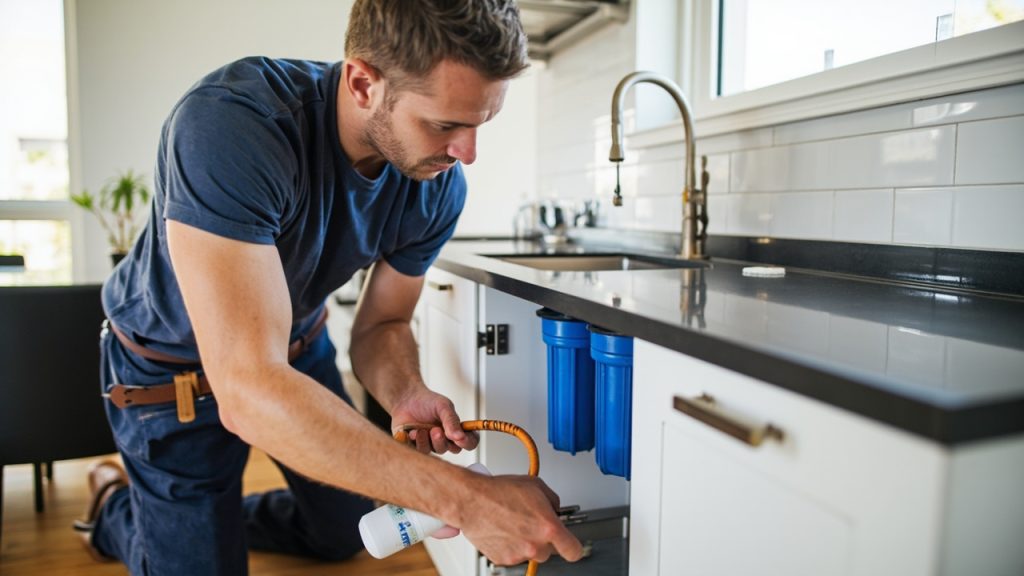
A standard carbon filter is relatively small. You can often mount it to the side of the cabinet under your sink. Reverse osmosis systems are more substantial. They require a storage tank that usually holds three to five gallons of water. This tank takes up significant space under the sink. You also need a dedicated faucet on your countertop for the RO water. If you have a granite or marble countertop, a professional plumber will need to drill a hole for this faucet using specialized diamond bits.
Modern 2026 RO systems are much more efficient than older models. Recent designs have significantly improved the waste water ratio. In the past, these systems might waste four gallons for every one gallon produced. Today, high-efficiency membranes can achieve a one to one ratio. This is a critical consideration for those interested in water conservation. Always look for a system that includes an automatic shut-off valve. This stops the filtration process once the tank is full, preventing constant drainage into your sink tailpiece. If you ever notice water constantly running into your drain, you should be finding an emergency plumber to inspect the shut-off valve before your water bill spikes.
The Environmental Protection Agency provides guidelines on which contaminants are currently regulated. When choosing your system, ensure it is certified to meet these specific standards. In North Miami, where water quality can vary block by block, having a system that is third-party tested gives you peace of mind. Whether you choose the simplicity of carbon or the absolute purity of reverse osmosis, your family will benefit from moving away from untreated tap water.
Ready to upgrade the water quality in your North Miami home? We can help you test your current TDS levels and determine which filtration technology is right for your kitchen. Contact us today for a professional consultation and installation.
{
“@context”: “https://schema.org”,
“@type”: “BlogPosting”,
“headline”: “Reverse Osmosis vs Carbon Filters for Your North Miami Family”,
“description”: “Deciding between reverse osmosis and carbon filters in North Miami? Our 2026 guide explains which water system handles local limestone and chlorine best.”,
“wordCount”: 1548,
“datePublished”: “2026-03-09T15:44:00.000Z”,
“dateModified”: “2026-03-09T15:44:00.000Z”,
“inLanguage”: “en-US”,
“mainEntityOfPage”: {
“@type”: “WebPage”,
“@id”: “https://cornerstoneplumbingmiami.com”
},
“publisher”: {
“@type”: “LocalBusiness”,
“name”: “Cornerstone Plumbing Miami”,
“url”: “https://cornerstoneplumbingmiami.com”
},
“author”: {
“@type”: “Organization”,
“name”: “Cornerstone Plumbing Miami”,
“url”: “https://cornerstoneplumbingmiami.com”
},
“image”: {
“@type”: “ImageObject”,
“url”: “https://cornerstoneplumbingmiami.com/wp-content/uploads/2026/03/the-real-difference-between-reverse-osmosis-and-ca-1.jpg”
}
}
{
“@context”: “https://schema.org”,
“@type”: “Plumber”,
“name”: “Cornerstone Plumbing Miami”,
“url”: “https://cornerstoneplumbingmiami.com”,
“address”: {
“@type”: “PostalAddress”,
“addressLocality”: “Miami”
},
“areaServed”: {
“@type”: “City”,
“name”: “Miami”
}
}
{
“@context”: “https://schema.org”,
“@type”: “BreadcrumbList”,
“itemListElement”: [
{
“@type”: “ListItem”,
“position”: 1,
“name”: “Home”,
“item”: “https://cornerstoneplumbingmiami.com”
},
{
“@type”: “ListItem”,
“position”: 2,
“name”: “Blog”,
“item”: “https://cornerstoneplumbingmiami.com/blog”
},
{
“@type”: “ListItem”,
“position”: 3,
“name”: “Reverse Osmosis vs Carbon Filters for Your North Miami Family”
}
]
}
{
“@context”: “https://schema.org”,
“@type”: “Service”,
“serviceType”: “Plumbing”,
“provider”: {
“@type”: “LocalBusiness”,
“name”: “Cornerstone Plumbing Miami”,
“url”: “https://cornerstoneplumbingmiami.com”
},
“areaServed”: {
“@type”: “City”,
“name”: “Miami”
},
“description”: “Deciding between reverse osmosis and carbon filters in North Miami? Our 2026 guide explains which water system handles local limestone and chlorine best.”
}