
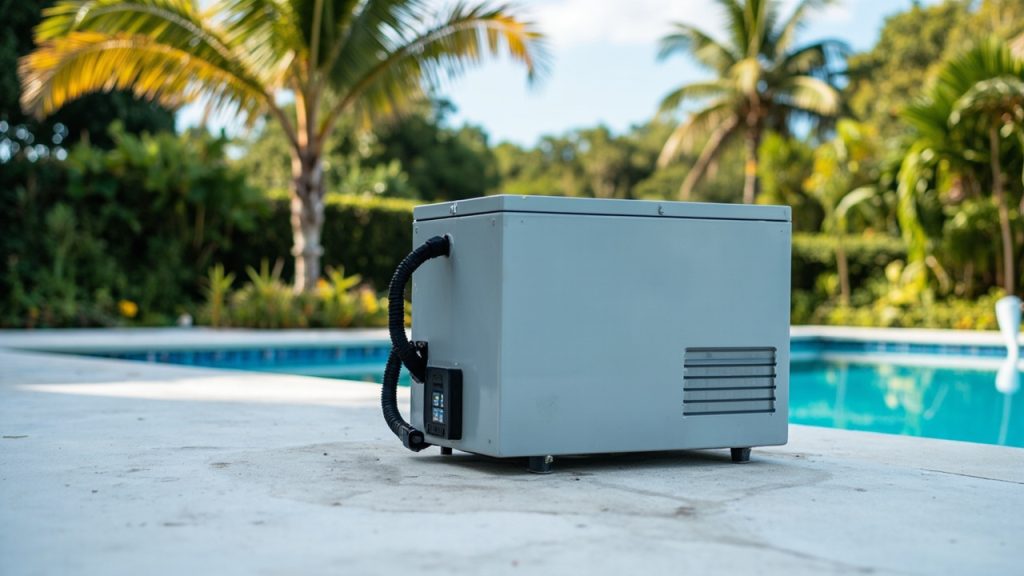
Professional Pool Heater Installation in Pinecrest FL
Swimming in Pinecrest is a year round lifestyle. Our community features large backyards and expansive outdoor living spaces. Maintaining a comfortable water temperature from January through December requires a reliable heating system. You need to decide between a traditional gas pool heater and a modern electric heat pump. Both systems have distinct advantages and technical requirements that matter for South Florida homeowners in 2026. A licensed master plumber must handle the water flow dynamics and gas line connections to ensure your system operates safely and meets the current Florida Building Code.
Pinecrest residents often prioritize energy efficiency and quiet operation. The Village of Pinecrest has specific noise ordinances and equipment placement rules that influence which unit you should choose. We see many homeowners upgrading their systems to accommodate new landscaping or pool resurfacing projects. If you are also dealing with other home utility issues, you might find my guide on why your Pinecrest water heater is failing helpful for your indoor plumbing needs.
How Heat Pumps Work in the Miami Climate
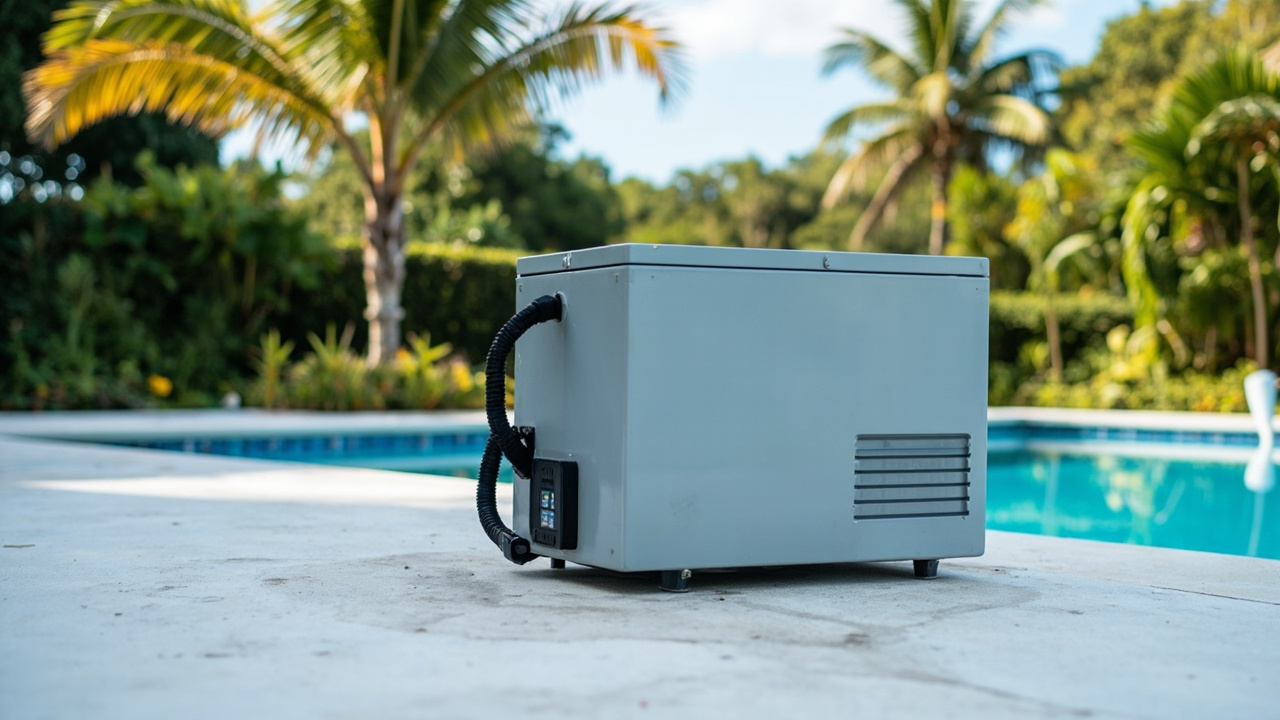
Electric heat pumps do not generate heat. They move heat from the outside air into your pool water. In the humid Miami climate, these units are incredibly efficient. When the air temperature is above fifty five degrees, a heat pump can pull massive amounts of thermal energy from the atmosphere. Because Pinecrest rarely sees temperatures below that threshold, a heat pump remains a primary choice for many local families. This technology relies on a refrigerant cycle similar to your home air conditioner but in reverse.
The efficiency of these units is measured by the Coefficient of Performance or COP. A high COP means the unit produces more heat per unit of electricity consumed. In 2026, many high-efficiency models from brands like Pentair and Hayward reach COP ratings of 6.0 or higher. This translates to lower monthly bills from Florida Power and Light compared to older technology. For more information on energy efficient heating standards, you can visit the U.S. Department of Energy resource pages.
The Role of Gas Pool Heaters for Rapid Results
Traditional pool heaters use natural gas or propane. They burn fuel to create a flame that heats a copper or cupro-nickel heat exchanger. Water passes through this exchanger and returns to the pool at a much higher temperature. Gas heaters are preferred by homeowners who want the water to reach a specific temperature very quickly. If you decide to host a party and need the pool warm in three hours, a gas heater is the only tool for the job. Heat pumps are much slower and usually take twenty four to forty eight hours to reach a set temperature.
In the Village of Pinecrest, many properties have existing natural gas lines. If your home does not have natural gas, you will need a propane tank installed on the property. This involves specific trenching and gas line plumbing that must be handled by a licensed professional. Improper gas line installation is a major safety hazard and can lead to code violations during a home inspection. If you ever face urgent plumbing issues outside of your pool area, knowing how to find an emergency plumber in Brickell or nearby areas can save your property from damage.
Performance and Operational Differences
| Feature | Electric Heat Pump | Natural Gas or Propane Heater |
|---|---|---|
| Heating Speed | Slow and Steady | Rapid and Intense |
| Operational Cost | Low Monthly Cost | High Monthly Cost |
| Lifespan | 10 to 15 Years | 7 to 12 Years |
| Installation Price | Moderate to High | Low to Moderate |
| Best Use Case | Daily Temperature Maintenance | Occasional Use or Spas |
Sizing Your Heater Based on Pool Surface Area
Choosing the right size for your heater is a technical process involving BTU calculations. BTU stands for British Thermal Unit. To heat a standard Pinecrest pool, you must calculate the surface area in square feet and consider the average wind speed and shade coverage. A pool with a large surface area loses heat rapidly through evaporation. We recommend a heater with at least 300,000 to 400,000 BTUs for most residential pools in the area to ensure it can keep up with heat loss during our occasional cold fronts.
If the unit is too small, it will run constantly without ever reaching your desired temperature. This puts unnecessary wear on the compressor of a heat pump or the burner assembly of a gas unit. Proper sizing ensures the system cycles correctly and lasts for its full expected lifespan. We also analyze your existing plumbing to ensure the pump provides enough flow. If your pool pump is old or weak, you might experience issues similar to weak water flow which prevents the heater from activating its pressure switch.
Village of Pinecrest Building Permits and Regulations
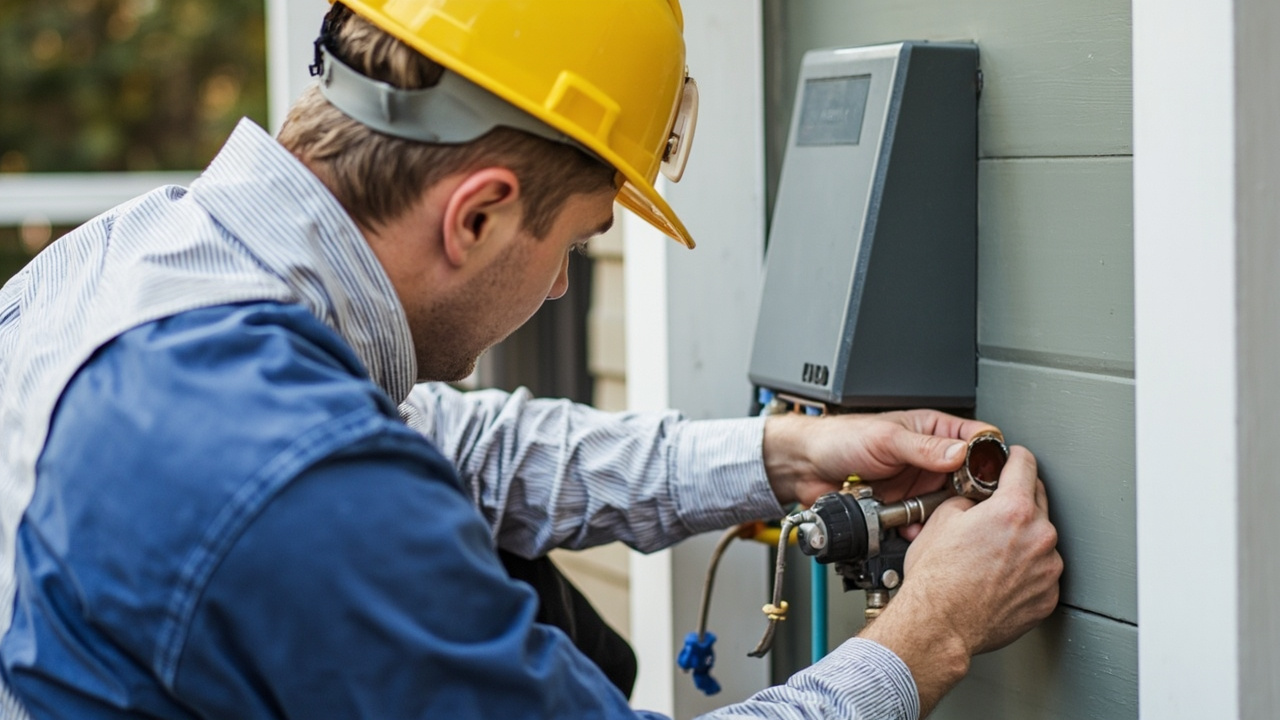
Every pool heater installation in Pinecrest requires a permit from the Village building department. This ensures that the electrical work is up to code and that any gas lines are pressure tested. The Florida Building Code or FBC has strict requirements for equipment tie-downs to protect against hurricane force winds. Your heater must be bolted to a concrete pad that can withstand high velocity winds common in South Florida.
Noise is another factor. Pinecrest has rules regarding the decibel levels of pool equipment. Modern heat pumps are much quieter than they used to be, but placement is still key. We avoid placing units directly under bedroom windows or near property lines where they might disturb neighbors. A professional plumber will know the exact setback requirements for your specific zoning district in Miami-Dade County.
Comparing Monthly Operating Costs in 2026
Electricity rates and gas prices fluctuate, but the general trend in 2026 shows that heat pumps are more cost-effective for daily use. A heat pump uses about one dollar of electricity to produce five dollars worth of heat. A gas heater is roughly eighty to ninety percent efficient, meaning you lose money through the exhaust. If you plan to keep your pool at eighty five degrees all year, the heat pump will pay for its higher initial cost within a few years of operation.
Gas heaters remain the better choice for dedicated spas or hot tubs. Because a spa has a smaller volume of water, a gas heater can raise the temperature by twenty degrees in less than thirty minutes. Many Pinecrest homeowners opt for a hybrid approach where they use a heat pump for the main pool and a smaller gas heater for the spa. This provides the best of both worlds regarding efficiency and speed.
| Maintenance Requirement | Frequency | Critical Task |
|---|---|---|
| Evaporator Coil Cleaning | Every 6 Months | Remove salt and debris |
| Burner Inspection | Annual | Check for soot or blockages |
| Pressure Switch Test | Annual | Verify safety shutoff |
| Gas Line Leak Test | Every 2 Years | Check for corrosion or leaks |
Plumbing Integration and Saltwater Compatibility
Many homes in Pinecrest use saltwater chlorination systems. Salt is corrosive to certain metals. When we install a new heater, we must ensure it has a cupro-nickel or titanium heat exchanger. Titanium is the gold standard for heat pumps because it is virtually immune to salt corrosion. If you use a standard copper exchanger with a saltwater system, the metal will degrade quickly and could leak within two years.
We also install check valves between the heater and the salt cell. This prevents concentrated chlorine from backing up into the heater when the pump is off. Proper plumbing layout is essential for the longevity of your equipment. In older homes, we often find outdated pipes that need replacement. For those in historic areas, our experience with cast iron pipe replacement in Coconut Grove has taught us the importance of verifying every inch of the drainage and supply system during an upgrade.
Environmental Impact and Sustainability
In 2026, many homeowners are looking for ways to reduce their carbon footprint. Heat pumps are considered a green technology because they do not burn fossil fuels directly. They utilize renewable heat from the sun that is trapped in the air. When combined with solar panels, a heat pump can heat your pool with zero net emissions. Gas heaters, while effective, produce carbon dioxide and require a constant supply of fuel.
If you are concerned about the environment, we can also discuss pool covers. A thermal cover acts as a blanket, trapping the heat provided by your new unit. Using a cover can reduce your heating costs by fifty percent or more. This is a simple addition that works with either a gas heater or a heat pump to make your Pinecrest home more sustainable.
Steps to Finalize Your Pool Heater Choice
Before you make a purchase, follow these steps to ensure you get the best results for your backyard.
- Measure your pool length, width, and average depth.
- Check your electrical panel for available breaker space.
- Determine if you have an existing natural gas meter.
- Evaluate how often you plan to use the pool in the winter months.
- Review the Village of Pinecrest noise and setback ordinances.
- Consult with a licensed plumber to verify your existing water flow rate.
A thorough assessment prevents expensive mistakes. For instance, if your electrical panel is full, the cost to upgrade it might outweigh the savings of a heat pump. Similarly, if your gas line is too small, you may need to dig a new trench across your landscaped yard. We look at every variable to provide a clear picture of the total project cost.

Reliable Support for Your Outdoor Plumbing
Your pool heater is a complex piece of machinery that connects your water, electricity, and gas systems. It requires regular maintenance to stay in peak condition. We help homeowners navigate these choices every day across Miami-Dade. Whether you are dealing with a sewer backup in Coral Gables or a new pool installation in Pinecrest, our team focuses on quality and compliance. We understand the local soil conditions, the salt air challenges, and the specific needs of South Florida residents. Contact us today to evaluate your backyard and find the perfect heating solution for your lifestyle in 2026.
{
“@context”: “https://schema.org”,
“@type”: “BlogPosting”,
“headline”: “Choosing the Best Pool Heater or Heat Pump for Your Pinecrest Backyard”,
“description”: “Compare pool heat pumps and gas heaters for your Pinecrest home. Expert advice on costs, efficiency, and local Miami-Dade plumbing codes for 2026.”,
“wordCount”: 1674,
“datePublished”: “2026-03-06T14:06:00.000Z”,
“dateModified”: “2026-03-06T14:06:00.000Z”,
“inLanguage”: “en-US”,
“mainEntityOfPage”: {
“@type”: “WebPage”,
“@id”: “https://cornerstoneplumbingmiami.com”
},
“publisher”: {
“@type”: “LocalBusiness”,
“name”: “Cornerstone Plumbing Miami”,
“url”: “https://cornerstoneplumbingmiami.com”
},
“author”: {
“@type”: “Organization”,
“name”: “Cornerstone Plumbing Miami”,
“url”: “https://cornerstoneplumbingmiami.com”
},
“image”: {
“@type”: “ImageObject”,
“url”: “https://cornerstoneplumbingmiami.com/wp-content/uploads/2026/03/deciding-between-a-traditional-pool-heater-and-a-h-1.jpg”
}
}
{
“@context”: “https://schema.org”,
“@type”: “Plumber”,
“name”: “Cornerstone Plumbing Miami”,
“url”: “https://cornerstoneplumbingmiami.com”,
“address”: {
“@type”: “PostalAddress”,
“addressLocality”: “Miami”
},
“areaServed”: {
“@type”: “City”,
“name”: “Miami”
}
}
{
“@context”: “https://schema.org”,
“@type”: “BreadcrumbList”,
“itemListElement”: [
{
“@type”: “ListItem”,
“position”: 1,
“name”: “Home”,
“item”: “https://cornerstoneplumbingmiami.com”
},
{
“@type”: “ListItem”,
“position”: 2,
“name”: “Blog”,
“item”: “https://cornerstoneplumbingmiami.com/blog”
},
{
“@type”: “ListItem”,
“position”: 3,
“name”: “Choosing the Best Pool Heater or Heat Pump for Your Pinecrest Backyard”
}
]
}
{
“@context”: “https://schema.org”,
“@type”: “Service”,
“serviceType”: “Plumbing”,
“provider”: {
“@type”: “LocalBusiness”,
“name”: “Cornerstone Plumbing Miami”,
“url”: “https://cornerstoneplumbingmiami.com”
},
“areaServed”: {
“@type”: “City”,
“name”: “Miami”
},
“description”: “Compare pool heat pumps and gas heaters for your Pinecrest home. Expert advice on costs, efficiency, and local Miami-Dade plumbing codes for 2026.”
}