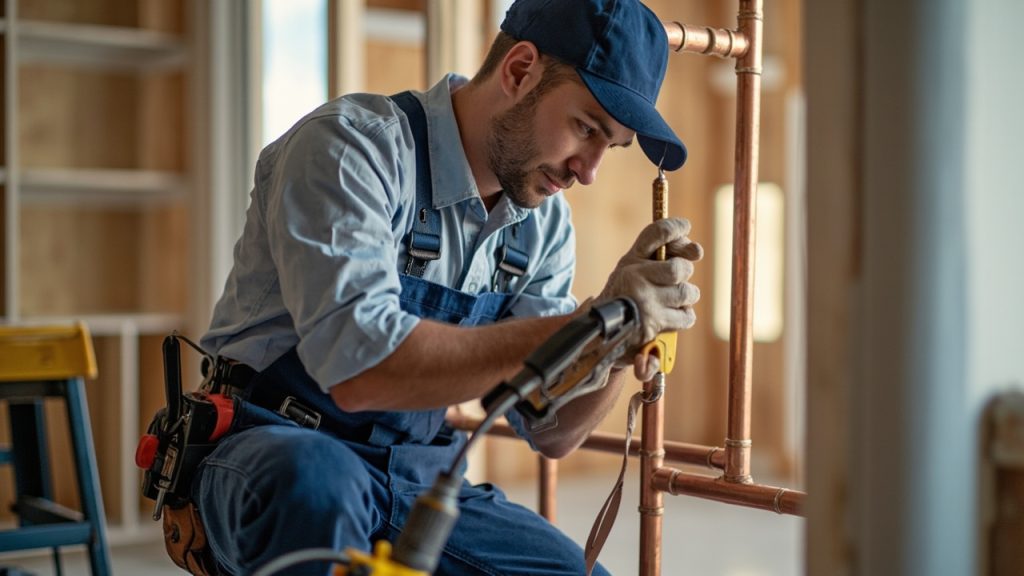
Plumbing decisions in Pinecrest come with unique stakes because of the high property values and the specific water conditions in Miami-Dade County. If you are planning a major home renovation in 2026, the choice between copper and PEX piping will define your home infrastructure for the next fifty years. Each material reacts differently to the local environment. Factors like the high mineral content in South Florida water and the humidity levels in crawlspaces play a massive role in your long term satisfaction. You need to weigh the upfront investment against the durability of the system in our subtropical climate.
The Enduring Legacy of Copper Pipes in Miami Homes
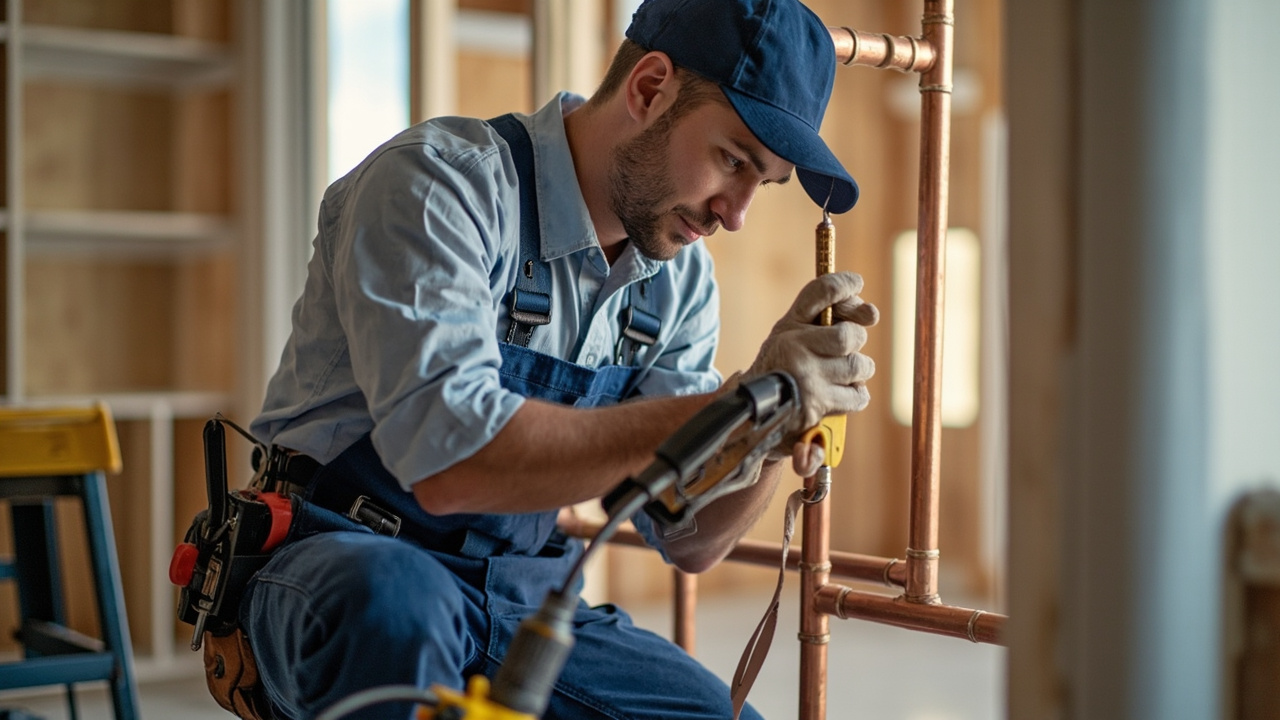
Copper remains the traditional gold standard for many luxury renovations in the Pinecrest area. Local plumbers often recommend Type L copper for residential potable water lines because it has a thicker wall than Type M. This thickness helps it withstand the high water pressure common in many South Florida municipal systems. Copper is naturally antimicrobial which means it helps prevent the growth of bacteria inside your plumbing lines. This is a significant benefit in a warm climate where water sitting in pipes can reach higher temperatures during the summer months.
Many high end renovations near Pinecrest Gardens utilize copper because of its proven track record. It does not off gas chemicals and it resists fire extremely well. If a fire occurs, copper pipes will not melt or release toxic fumes like some plastic materials might. However, copper is susceptible to certain local issues. Miami water often contains chloramines for disinfection. Over decades, these chemicals can lead to pinhole leaks in copper. These tiny leaks often go unnoticed inside walls until they cause significant mold growth. This is a major concern in our humid environment where mold spreads fast.
Electrolysis is another local threat for copper. When copper pipes touch other metals or certain types of soil under a slab, a chemical reaction occurs that thins the metal. If your Pinecrest home is built on a concrete slab, a leak under the floor is a nightmare scenario. If you are worried about existing issues with your infrastructure, you should look into why your Pinecrest water heater is failing as it may be linked to your pipe material. Copper also requires open flame soldering during installation. This presents a slight fire risk during the renovation of older homes with dry wood framing.
PEX Piping as a Modern Solution for South Florida
PEX or cross linked polyethylene has become the most popular choice for modern Miami repiping projects in 2026. This flexible plastic tubing is much easier to install than rigid copper. It comes in long rolls which allows plumbers to run a single continuous line from a central manifold to a fixture. This eliminates many of the joints and fittings where leaks usually start. In a large Pinecrest estate, reducing the number of hidden connections is a smart way to lower the risk of future water damage.
PEX is completely resistant to the corrosion and scale buildup that plagues copper in South Florida. The chloramines in our water do not cause pinhole leaks in high quality PEX-A piping. Because the material is flexible, it can expand slightly if the water pressure spikes or if there is minor ground shifting. This is a common occurrence in areas near the coast where the limestone shelf can settle over time. While homeowners in Miami Beach high rise buildings deal with different pressure issues, a Pinecrest home benefits from the quiet operation of PEX. You will not hear the water hammer or banging sounds often associated with metal pipes.
The cost of PEX is significantly lower than copper. This allows you to allocate more of your renovation budget toward high end fixtures or updated tiling. Installation is also faster. A full repipe of a four bedroom home in Pinecrest might take three days with PEX compared to a full week with copper. This minimizes the time your family has to live without water or deal with construction crews in your living space.
Comparison of Material Performance and Local Suitability
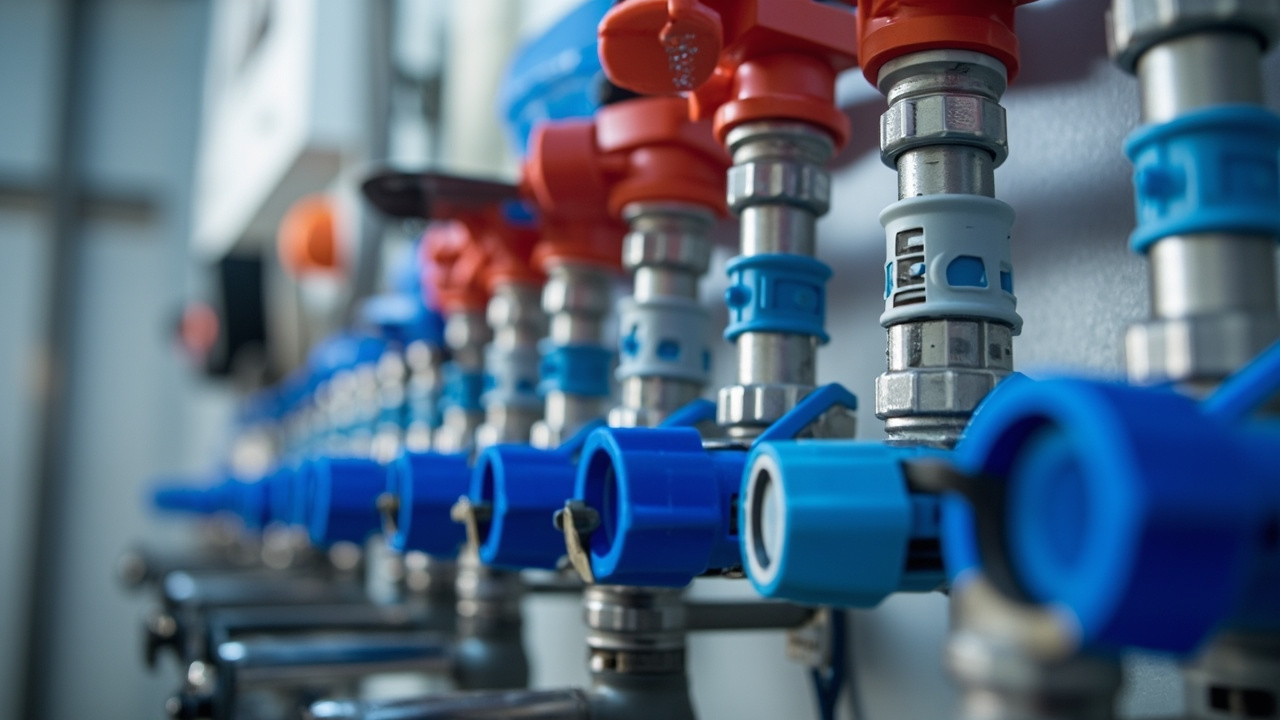
To make an informed choice, you should compare the technical specifications of these materials side by side. The following table breaks down how each material performs in our specific Miami environment.
| Feature | Type L Copper | PEX-A (Expansion) |
|---|---|---|
| Expected Lifespan | 50 to 70 Years | 40 to 50 Years |
| Chlorine Resistance | Moderate (Risk of Pinhole Leaks) | High (Excellent) |
| Installation Speed | Slow (Soldering Required) | Fast (Cold Expansion) |
| Scale Buildup | Moderate over time | None |
| Material Cost | High (Market Dependent) | Low to Moderate |
Installation Methods and Long Term Reliability
In 2026, the method of installation is just as important as the material itself. For PEX, the gold standard is the expansion method used with PEX-A. This involves a specialized tool that stretches the pipe and a ring before inserting the fitting. As the pipe shrinks back to its original size, it creates a permanent seal that is actually stronger than the pipe itself. This is superior to the crimp method which uses metal rings that can sometimes corrode in the salty Miami air.
Copper installation requires a skilled hand. A plumber must clean each joint perfectly and apply the right amount of heat. If they use too much flux, it can cause premature corrosion inside the pipe. This is why hiring an experienced professional is vital. Many owners of historic Coconut Grove properties choose copper to maintain the period accuracy of their homes even though it requires more labor. If your Pinecrest home has a similar historic value, copper might be the better choice for resale value.
Reliability also depends on how the pipes are routed. PEX allows for a home run system. This means every sink, shower, and toilet has its own dedicated line going back to a central manifold. If you have a leak in one bathroom, you can shut off the water to just that fixture while the rest of the house remains functional. Copper is usually installed in a trunk and branch system. In this layout, one large pipe runs through the house with smaller pipes branching off. A leak in the main trunk often requires shutting off water to the entire home.
Estimated Costs for a Pinecrest Repipe Project
While every home is different, the following table provides a general idea of what to expect for a 2,500 square foot home in the Miami-Dade area in 2026. These estimates include labor, permits, and materials.
| Project Component | Copper Estimated Range | PEX Estimated Range |
|---|---|---|
| Total Material Cost | Higher due to copper market rates | Lower (Mass produced polymer) |
| Labor Hours | 60 to 80 Hours | 30 to 45 Hours |
| Permit and Inspection Fees | Standard Miami-Dade Rates | Standard Miami-Dade Rates |
| Wall Repair Post Install | Extensive (Rigid pipes need more access) | Minimal (Flexible pipes can be fished) |
Miami Dade Building Codes and Permitting Requirements
You must obtain a permit from the Miami-Dade County Building Department or the Village of Pinecrest for any repiping project. The Florida Building Code has strict requirements for how pipes are supported and protected. For example, if you use PEX, it cannot be exposed to direct sunlight because UV rays degrade the plastic. This is a critical detail in Sunny South Florida where pipes might be stored on a job site for days.
Inspections are mandatory before the walls are closed. An inspector will check the pressure of the system to ensure there are no leaks. They will also verify that the pipes are properly insulated if they run through unconditioned spaces like an attic. In Pinecrest, code enforcement is rigorous. Using a licensed plumber who understands the 2026 code updates is the only way to ensure your renovation passes inspection and remains covered by your homeowners insurance.
Failure to pull permits can lead to massive headaches when you try to sell your home. Buyers in Pinecrest often hire specialized inspectors who look for unpermitted work. If they find PEX or copper installed without a record, they may demand a full replacement or a significant price reduction. Doing it right the first time is always the most cost effective path.

Environmental Factors Impacting Your Choice
Miami has a unique environmental profile that affects plumbing. Our soil is often highly alkaline because of the coral rock foundation. If you are running new lines underground, PEX is the clear winner. It is inert and will not react with the soil. Copper requires special protective sleeves when buried in South Florida to prevent the soil from eating through the metal.
Water quality is the other major factor. The Miami-Dade Water and Sewer Department treats our water to meet high safety standards, but the chemical balance can be aggressive toward metal. If your home uses a well, which is still common in some parts of rural Pinecrest, the water might be even more acidic. Acidic water will dissolve copper over time, leading to blue green stains on your white porcelain sinks and tubs. PEX is unaffected by pH imbalances in the water supply.
Final Considerations for Your Renovation
When you are making the final call, think about how long you plan to live in the home. If this is your forever home and you prefer the feel and traditional value of metal, copper is a beautiful choice. If you are focused on modern efficiency and want to minimize the risk of leaks from water chemistry, PEX is the superior technical solution.
Consider the following list of questions before you sign a contract.
- Does my local water supply have a history of causing pinhole leaks in nearby homes?
- Is my renovation focused on a single room or is it a full house repipe?
- Do I have enough space in my utility closet for a PEX manifold system?
- Am I comfortable with the use of plastic for my drinking water lines?
- Is my plumber certified by the specific PEX manufacturer for warranty purposes?
If you encounter a sudden issue during your planning phase, such as a burst pipe, you may need to find an emergency plumber in Brickell who actually shows up on time to help mitigate damage. Quick action is essential to prevent secondary damage to your flooring and drywall. For those in larger homes, managing the entire waste system is also part of the job. You should be familiar with professional strategies for handling a sewer backup if you are touching the main drain lines during your project.
Regardless of which material you choose, the quality of the installation matters most. A poorly soldered copper joint or a badly expanded PEX fitting will both fail. Focus on hiring a team that knows Pinecrest homes and understands the specific challenges of our local environment. Your plumbing is the circulatory system of your home. Investing in the right materials today ensures you will not have to open up your walls again for many years to come.
{
“@context”: “https://schema.org”,
“@type”: “BlogPosting”,
“headline”: “Choosing Between Copper and PEX for Your Pinecrest Home Renovation”,
“description”: “Deciding between copper or PEX for your Pinecrest plumbing upgrade? Learn how Miami water chemistry and building codes impact your choice in 2026.”,
“wordCount”: 1809,
“datePublished”: “2026-03-03T12:14:00.000Z”,
“dateModified”: “2026-03-03T12:14:00.000Z”,
“inLanguage”: “en-US”,
“mainEntityOfPage”: {
“@type”: “WebPage”,
“@id”: “https://cornerstoneplumbingmiami.com”
},
“publisher”: {
“@type”: “LocalBusiness”,
“name”: “Cornerstone Plumbing Miami”,
“url”: “https://cornerstoneplumbingmiami.com”
},
“author”: {
“@type”: “Organization”,
“name”: “Cornerstone Plumbing Miami”,
“url”: “https://cornerstoneplumbingmiami.com”
},
“image”: {
“@type”: “ImageObject”,
“url”: “https://cornerstoneplumbingmiami.com/wp-content/uploads/2026/03/comparing-copper-pipes-and-pex-for-your-pinecrest-1.jpg”
}
}
{
“@context”: “https://schema.org”,
“@type”: “Plumber”,
“name”: “Cornerstone Plumbing Miami”,
“url”: “https://cornerstoneplumbingmiami.com”,
“address”: {
“@type”: “PostalAddress”,
“addressLocality”: “Miami”
},
“areaServed”: {
“@type”: “City”,
“name”: “Miami”
}
}
{
“@context”: “https://schema.org”,
“@type”: “BreadcrumbList”,
“itemListElement”: [
{
“@type”: “ListItem”,
“position”: 1,
“name”: “Home”,
“item”: “https://cornerstoneplumbingmiami.com”
},
{
“@type”: “ListItem”,
“position”: 2,
“name”: “Blog”,
“item”: “https://cornerstoneplumbingmiami.com/blog”
},
{
“@type”: “ListItem”,
“position”: 3,
“name”: “Choosing Between Copper and PEX for Your Pinecrest Home Renovation”
}
]
}
{
“@context”: “https://schema.org”,
“@type”: “Service”,
“serviceType”: “Plumbing”,
“provider”: {
“@type”: “LocalBusiness”,
“name”: “Cornerstone Plumbing Miami”,
“url”: “https://cornerstoneplumbingmiami.com”
},
“areaServed”: {
“@type”: “City”,
“name”: “Miami”
},
“description”: “Deciding between copper or PEX for your Pinecrest plumbing upgrade? Learn how Miami water chemistry and building codes impact your choice in 2026.”
}