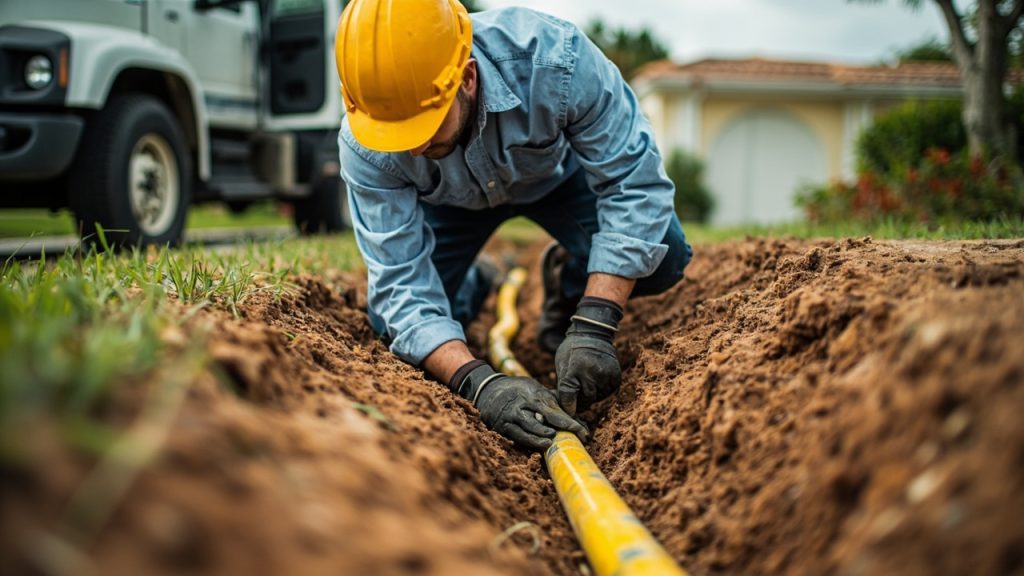
Professional Gas Line Installation in South Miami FL
Residents in South Miami neighborhoods like High Pines and Ponce-Davis are increasingly moving their dining experiences outdoors. The year 2026 has seen a surge in homeowners near Sunset Drive wanting high-performance outdoor kitchens that require reliable gas connections. Installing a gas line for a grill, pizza oven, or fire pit involves more than just connecting a hose. It requires a deep understanding of the local geology, specifically the limestone shelf beneath our feet, and the strict requirements of the Florida Building Code. Safety is the only priority when dealing with combustible fuel in a residential setting.
Outdoor kitchens in the South Miami area face unique environmental challenges. The high humidity and salt air can corrode inferior materials quickly. If you are planning a project near the University of Miami area or in the 33143 zip code, you must account for these factors. A professional installation ensures that your gas system remains pressurized and leak-free for years. This guide explains the essential steps for a successful and safe gas line project.
Choosing Between Natural Gas and Propane
Your first decision involves selecting your fuel source. Most homes in South Miami have access to natural gas through TECO Peoples Gas. Natural gas is convenient because it never runs out, but it requires a permanent line from your main meter to the outdoor kitchen. Propane is an alternative if you live in a more secluded area or do not want to trench long distances. Each option has specific requirements for pipe sizing and pressure regulation.
Natural gas systems operate at a lower pressure than propane. This means you cannot simply swap a propane grill onto a natural gas line without a conversion kit. The orifice sizes in your appliances must match the fuel type to prevent dangerous flare-ups or carbon monoxide buildup. If you are also upgrading your indoor appliances, you might consider why your Pinecrest water heater is failing and if a gas line extension could serve both needs.
Comparison of Fuel Sources for South Miami Homes
| Feature | Natural Gas (TECO) | Liquid Propane (Tank) |
|---|---|---|
| Supply Type | Continuous via utility line | Refillable tanks or cylinders |
| Current 2026 Availability | High in South Miami 33143 and 33155 | Universal |
| Typical Pressure | 7 inches of water column | 11 inches of water column |
| Trenching Requirement | Mandatory from meter to kitchen | Only if tank is remote |
Navigating Miami-Dade County Gas Permits and Safety Codes
Every gas line installation in South Miami requires a permit from the Miami-Dade County Regulatory and Economic Resources department. The county takes gas safety seriously. A master plumber must submit a set of plans that show the pipe route, the material being used, and the total BTU (British Thermal Unit) demand of all connected appliances. This ensures the gas meter can handle the load without dropping pressure. If pressure drops too low, your appliances will soot up and fail.
Inspectors will check the depth of the trench and the type of tracer wire used for underground lines. In 2026, the standard for South Miami involves burying lines at least 12 to 18 inches deep, depending on the surface above. If the line runs under a driveway or a heavy patio, it needs additional protection. This level of oversight prevents future accidents during landscaping or renovations. Proper permitting also protects your home insurance policy in the event of a fire. If you ever face a sudden gas odor, you must contact an emergency plumber in Brickell or your local utility immediately.
Selecting the Right Pipe Materials for the Miami Climate
Choosing the wrong pipe material is a common mistake for DIY enthusiasts. In the salty, humid air of South Florida, standard black iron pipe will rust in months if left exposed. For underground runs, we use Yellow Polyethylene (PE) pipe. This flexible plastic is designed specifically for gas. It does not corrode and can handle the minor soil shifts common in South Miami. When the pipe comes out of the ground to meet the appliance, it must transition to a metallic riser with a protective coating.
For above-ground runs or sections hidden inside kitchen cabinetry, Corrugated Stainless Steel Tubing (CSST) is the modern standard in 2026. CSST is flexible and reduces the number of joints needed. Fewer joints mean fewer potential leak points. Every joint that is used must be tested with a soap solution or an electronic sniffer to ensure a perfect seal. If you are working on an older property, you might already be familiar with the challenges of aging pipes, much like those dealing with expert cast iron pipe replacement for historic Coconut Grove properties.
Gas Line Material Performance in Coastal Environments
| Material | Best Use Case | Pros | Cons |
|---|---|---|---|
| Yellow Polyethylene (PE) | Underground main runs | Corrosion proof and flexible | Cannot be used above ground |
| CSST (Stainless Steel) | Indoor and cabinet transitions | Fast installation and few joints | Requires specific grounding |
| Coated Copper | Short appliance connectors | Malleable and durable | Higher cost per foot |
| Black Iron (Painted) | Regulated indoor areas only | Strong and traditional | Rusts quickly in South Miami air |
The 5 Step Gas Line Installation Process
Professional installation follows a strict sequence to ensure nothing is missed. This process starts long before a pipe is laid. We have to coordinate with other utilities to make sure we do not hit a water main or an electrical line. In areas like Coral Gables or South Miami, where sewer lines might be close to the surface, this is vital. You do not want a gas project to turn into a need for handling a sewer backup in your Coral Gables home because of a digging error.
- Load Calculation. We calculate the total BTUs of your grill, side burner, and pool heater to determine the pipe diameter.
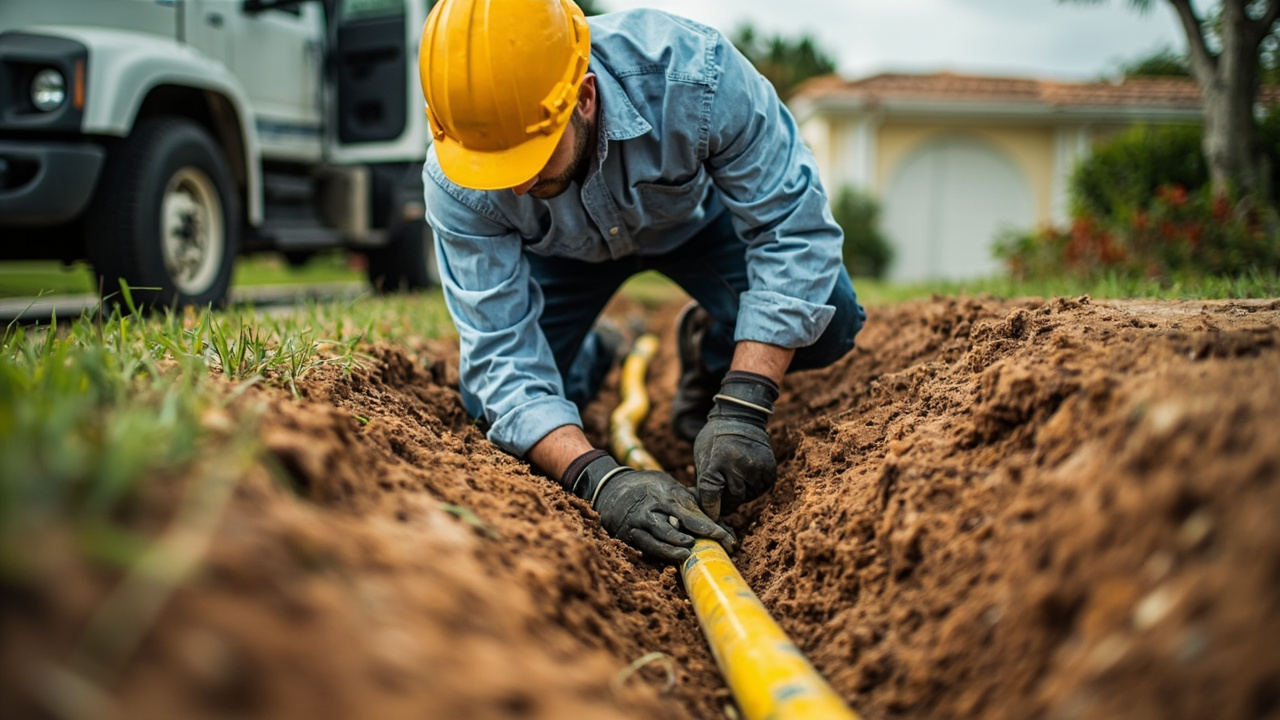
- Trenching and Bedding. We dig the trench and line it with sand to protect the PE pipe from the sharp limestone rock found in South Miami.
- Pipe Laying and Tracer Wire. We lay the gas line along with a copper tracer wire so the line can be located by electronic sensors in the future.
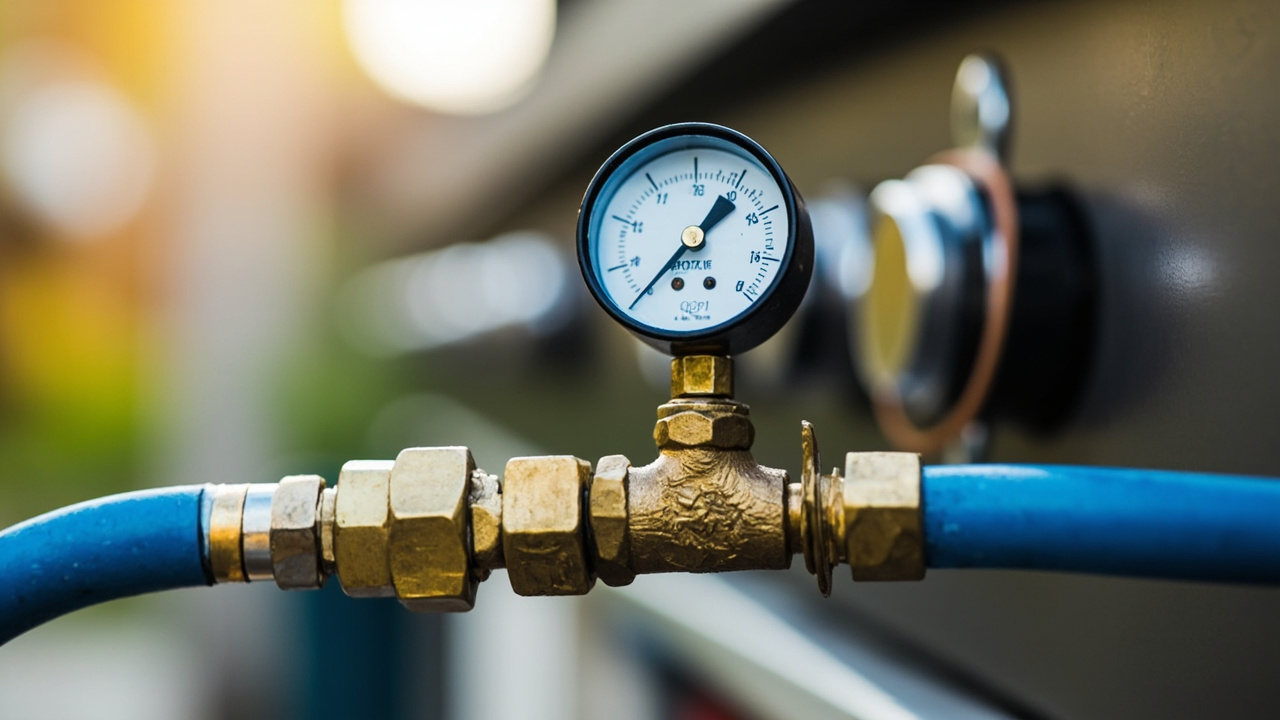
- Pressure Testing. We cap the ends of the system and pump it full of air to a pressure significantly higher than the gas will ever be. We leave a gauge on it for 24 hours to prove there are no leaks.
- Final Hookup and Purging. Once the inspector signs off, we connect the appliances, purge the air from the lines, and test the burner flames for proper color and height.
Ensuring Proper Gas Pressure for Outdoor Appliances
Pressure is a major factor in how well your outdoor kitchen functions. If the line is too small or too long, the gas pressure will drop before it reaches the grill. This results in weak flames and uneven cooking. This is a common complaint in larger estates where the kitchen is located far from the main house. We often see similar issues with water in different contexts, such as resolving weak water flow in Miami Beach high rise buildings, where distance and elevation sap performance.
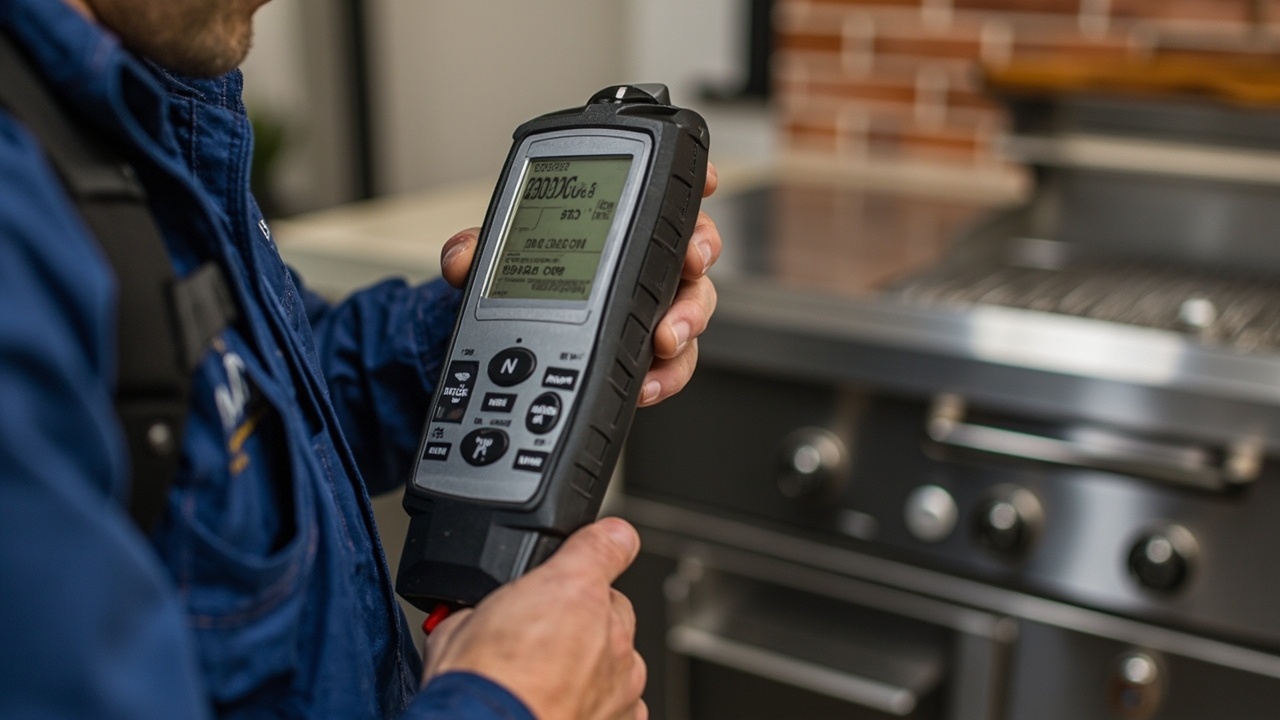
To prevent this, we use a dedicated secondary regulator for the outdoor kitchen. This device takes the gas from the main line and steps it down to the exact pressure required by your specific appliances. We also install high-quality shut-off valves at each appliance. These valves must be easily accessible so you can turn off the gas quickly if a grease fire occurs or if you are leaving for a long vacation. In 2026, many South Miami residents are opting for smart shut-off valves that can be controlled via a smartphone app.
Underground Utility Safety and Florida Sunshine 811
Before any shovel hits the ground in South Miami, we must call TECO Peoples Gas or Sunshine 811. This service marks all existing underground utilities. In South Miami, the ground is crowded with fiber optic cables, irrigation lines, and electrical conduits. Hitting a power line while trenching for gas is extremely dangerous. We take the time to hand-dig around marked areas to ensure total safety.
Limestone bedrock is another challenge. In parts of South Miami, the rock is only a few inches below the soil. Specialized trenching equipment is often needed to reach the required depth. We ensure the pipe is bedded in clean sand so that the rock does not rub against the pipe as the ground settles. This attention to detail is what separates a long-lasting installation from a temporary fix. We use the same care whether we are working on a small grill island or a massive outdoor entertainment space.
Maintaining Your Gas Line in the South Miami Environment
Maintenance does not end once the gas is turned on. The South Miami climate is relentless. Every six months, you should inspect the exposed portions of your gas lines for signs of corrosion or peeling paint. If you see a white powdery substance on brass fittings, it could indicate the start of oxidation. Use a simple spray bottle with soapy water to check the valves for tiny bubbles which indicate slow leaks.
Keep the area around your gas meter clear of debris and vegetation. Overgrown tropical plants can trap moisture against the meter and the regulator, leading to premature failure. If you have a propane system, ensure the tank is sitting on a level concrete pad to prevent the lines from being pulled or stressed as the tank settles. Regular checks ensure that your outdoor kitchen remains the heart of your home without becoming a safety hazard.
When you are ready to expand your outdoor living space, hiring a licensed professional is the only way to ensure the job meets 2026 safety standards. From calculating BTUs to navigating the Miami-Dade permit process, every detail matters. Protecting your family and your property requires a commitment to quality materials and proven installation techniques. If you need assistance with a gas line project or are experiencing any plumbing concerns, reach out to a local expert who understands the specific needs of South Miami residents.
{
“@context”: “https://schema.org”,
“@type”: “BlogPosting”,
“headline”: “Safe Ways to Install Gas Lines for South Miami Outdoor Kitchens”,
“description”: “Learn how to safely install gas lines for South Miami outdoor kitchens. We cover Miami-Dade permits, pipe materials, and professional safety standards for 2026.”,
“wordCount”: 1667,
“datePublished”: “2026-02-08T07:15:00.000Z”,
“dateModified”: “2026-02-08T07:15:00.000Z”,
“inLanguage”: “en-US”,
“mainEntityOfPage”: {
“@type”: “WebPage”,
“@id”: “https://cornerstoneplumbingmiami.com”
},
“publisher”: {
“@type”: “LocalBusiness”,
“name”: “Cornerstone Plumbing Miami”,
“url”: “https://cornerstoneplumbingmiami.com”
},
“author”: {
“@type”: “Organization”,
“name”: “Cornerstone Plumbing Miami”,
“url”: “https://cornerstoneplumbingmiami.com”
},
“image”: {
“@type”: “ImageObject”,
“url”: “https://cornerstoneplumbingmiami.com/wp-content/uploads/2026/03/how-to-safely-install-a-gas-line-for-your-south-mi-1.jpg”
}
}
{
“@context”: “https://schema.org”,
“@type”: “Plumber”,
“name”: “Cornerstone Plumbing Miami”,
“url”: “https://cornerstoneplumbingmiami.com”,
“address”: {
“@type”: “PostalAddress”,
“addressLocality”: “Miami”
},
“areaServed”: {
“@type”: “City”,
“name”: “Miami”
}
}
{
“@context”: “https://schema.org”,
“@type”: “BreadcrumbList”,
“itemListElement”: [
{
“@type”: “ListItem”,
“position”: 1,
“name”: “Home”,
“item”: “https://cornerstoneplumbingmiami.com”
},
{
“@type”: “ListItem”,
“position”: 2,
“name”: “Blog”,
“item”: “https://cornerstoneplumbingmiami.com/blog”
},
{
“@type”: “ListItem”,
“position”: 3,
“name”: “Safe Ways to Install Gas Lines for South Miami Outdoor Kitchens”
}
]
}
{
“@context”: “https://schema.org”,
“@type”: “Service”,
“serviceType”: “Plumbing”,
“provider”: {
“@type”: “LocalBusiness”,
“name”: “Cornerstone Plumbing Miami”,
“url”: “https://cornerstoneplumbingmiami.com”
},
“areaServed”: {
“@type”: “City”,
“name”: “Miami”
},
“description”: “Learn how to safely install gas lines for South Miami outdoor kitchens. We cover Miami-Dade permits, pipe materials, and professional safety standards for 2026.”
}