




menu

PEX vs. Copper Piping Guide – Miami's Complete Material Comparison for Homeowners and Builders

Get the facts about cross-linked polyethylene vs copper tubing for Miami's unique water chemistry, humidity, and building conditions before you commit to your next repiping or new construction project.

Slider Image 1
Slider Image 2
Slider Image 3
Slider Image 4
Slider Image 5
Slider Image 7
Slider Image 8
Slider Image 9
Slider Image 10
Slider Image 11

Why Miami's Water and Climate Make Your Pipe Material Choice Critical

Miami's hard water contains high concentrations of calcium carbonate and magnesium. This mineral composition affects copper and PEX differently. Copper piping develops pinhole leaks faster here than in soft-water regions. The corrosion starts from the inside out, invisible until you see water stains spreading across your ceiling.

The difference between PEX and copper pipes becomes clear when you factor in humidity levels that average 75 percent year-round. Copper sweats. You will see condensation forming on exposed lines running through attics and crawlspaces. That moisture creates mold growth on surrounding wood framing and insulation. PEX does not conduct temperature the same way, so you get less condensation and fewer secondary moisture problems.

The copper vs PEX plumbing pros and cons shift when you look at Miami-Dade County's soil composition. High chloride levels in groundwater accelerate copper corrosion, particularly in Coral Gables and Coconut Grove where saltwater intrusion affects well water. PEX piping vs copper plumbing becomes a durability question, not just a cost question.

Thermal expansion matters more in Miami than in northern climates. Summer heat pushes attic temperatures past 140 degrees. Copper expands and contracts with temperature swings, creating stress at fittings and joints. PEX flex handles thermal movement without the same mechanical stress. The PEX vs copper comparison for Miami comes down to which material tolerates the specific environmental factors you face every single day.

You need to understand how each material performs in your specific conditions before you make a choice that will last 30 years.

Why Miami's Water and Climate Make Your Pipe Material Choice Critical
How Cross-Linked Polyethylene and Copper Tubing Actually Perform in Real Applications

How Cross-Linked Polyethylene and Copper Tubing Actually Perform in Real Applications

Copper has been the standard for 80 years because it tolerates high heat, resists UV degradation, and creates a biostatic environment where bacteria cannot colonize. Type L copper remains the code requirement for exposed exterior applications in Miami-Dade County. The material handles pressure surges from municipal water systems without failure. Copper fittings create permanent joints when soldered correctly with lead-free solder and flux.

The weakness shows up in water chemistry interactions. Miami's chloramine-treated water attacks copper from the inside. You will see blue-green staining at fixtures where copper ions leach into the water. The pinhole leaks that develop after 15 to 20 years typically appear in horizontal runs where sediment settles and creates galvanic corrosion cells. Copper also requires skilled labor. A bad solder joint will not show up until years later when the flux residue eats through the connection.

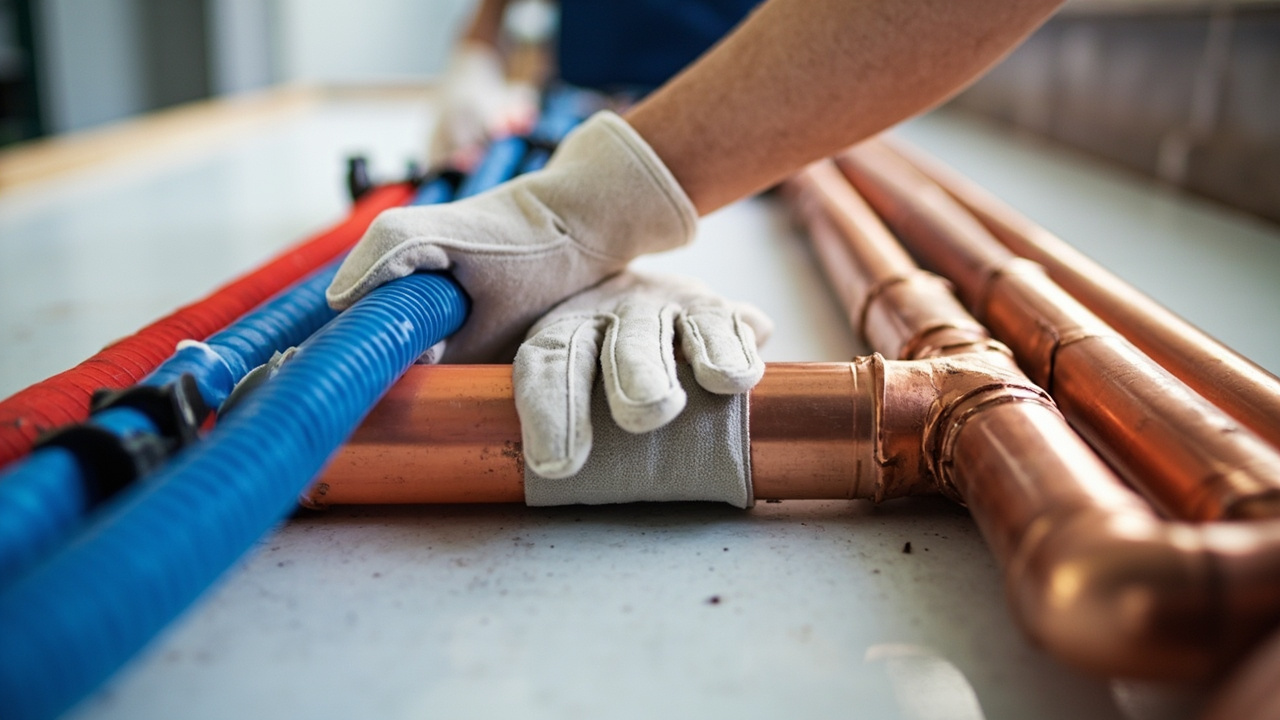
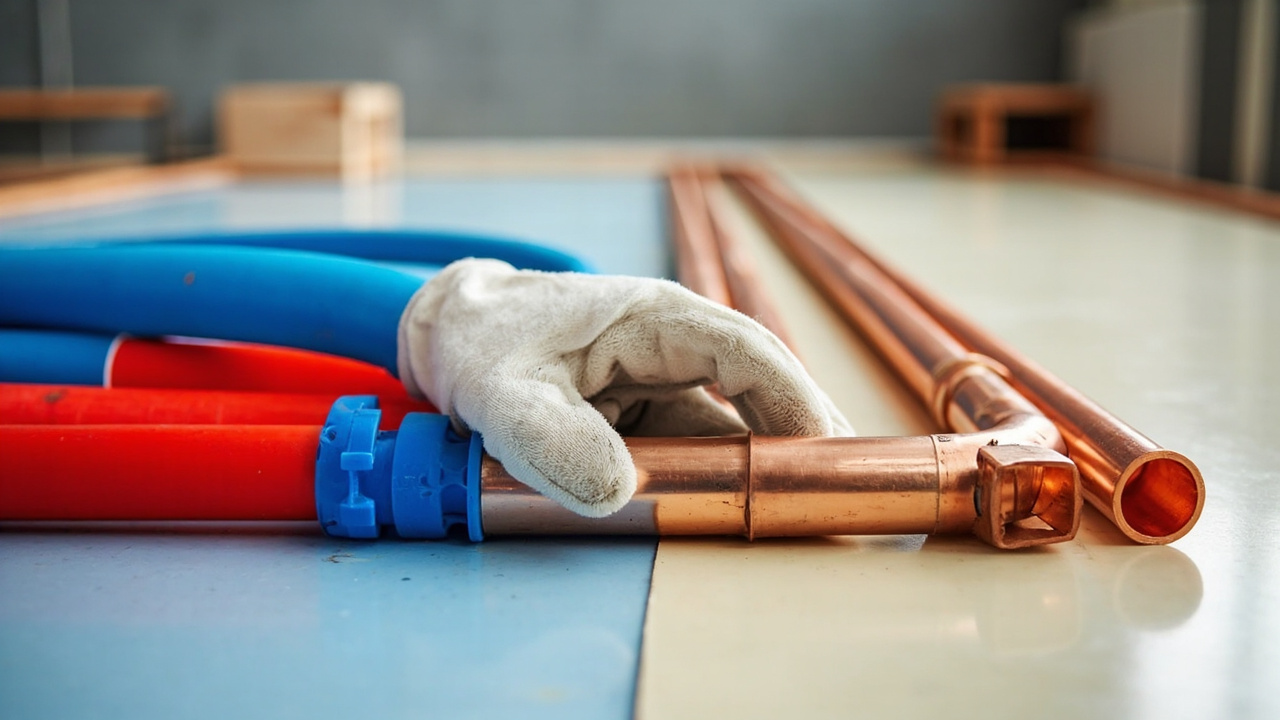
PEX-A tubing uses the Engel method for cross-linking, which creates the most flexible and durable version of cross-linked polyethylene. PEX-B costs less but has lower burst pressure ratings and cannot handle freeze recovery like PEX-A. The expansion fittings used with PEX-A create joints that are stronger than the pipe itself. You crimp PEX-B with copper or stainless steel rings that can fail if over-crimped or under-crimped.

The installation speed difference is significant. A manifold system with PEX home runs eliminates 90 percent of the fittings you need with copper. Fewer fittings mean fewer leak points and faster water delivery to fixtures. PEX snakes through walls without cutting studs. You do not need a torch, which reduces fire risk during construction. The material costs 30 to 40 percent less than copper, and labor time drops by half.

How to Evaluate Which Pipe Material Fits Your Specific Miami Project

PEX vs. Copper Piping Guide – Miami's Complete Material Comparison for Homeowners and Builders
01

Water Quality Testing

Start with a water analysis that measures pH, total dissolved solids, chlorine levels, and chloramine concentration. Miami-Dade Water and Sewer uses chloramine for disinfection, which affects copper differently than chlorine. If your property uses well water, test for chloride and sulfate levels that accelerate copper corrosion. The lab results tell you whether your water chemistry creates a hostile environment for copper or whether PEX offers marginal benefit. This data eliminates guesswork.
02

Application Assessment

Match the material to the specific use. Outdoor hose bibs require copper because UV light degrades PEX. Hot water recirculation lines work better with PEX because copper loses heat through the pipe wall. Utility rooms with exposed piping look cleaner with copper. Slab-on-grade construction eliminates PEX as an option because Florida code does not allow it in concrete pours. Commercial kitchens need copper for grease resistance. The application determines the material, not personal preference.
03

Long-Term Cost Projection

Calculate the total installed cost including material, labor, permits, and access requirements. Factor in the expected service life based on your water quality results. Copper lasts 50 years in soft water but may only give you 20 years in aggressive Miami water. PEX provides 50-year performance regardless of water chemistry. Include the cost of future repairs when copper develops pinhole leaks in finished walls. The math changes when you account for tear-out and restoration costs.

Why Local Code Knowledge Matters for Your Pipe Material Decision in Miami

Miami-Dade County enforces the Florida Building Code with local amendments that directly affect your pipe material choice. The High Velocity Hurricane Zone designation requires additional support spacing for both copper and PEX. You cannot use the same hanger intervals that work in Atlanta or Dallas. The wind load calculations change how you secure vertical risers and horizontal runs in multi-story buildings.

The local amendments prohibit PEX in fire-rated assemblies without additional protection. You need to understand where your demising walls fall and whether your plumbing penetrations require copper or require PEX with metal escutcheons and firestopping systems. A contractor who does not work in Miami regularly will miss these details during the planning phase. You find out during the rough-in inspection when the plans examiner red-tags your installation.

Cornerstone Plumbing Miami pulls permits on every job because we know which inspectors work which districts and what they look for during plan review. We have installed both copper and PEX in Brickell high-rises, Coral Gables historic homes, and Doral commercial buildings. The material choice depends on the building type, the water source, and the long-term maintenance plan.

We also understand how saltwater exposure affects coastal properties differently than inland properties. A beachfront condo in Miami Beach faces corrosion challenges that do not exist in Kendall. The distance from the ocean changes the chloride exposure level, which changes the copper vs PEX recommendation. Local experience means we factor in variables that out-of-town contractors do not know to ask about.

You need someone who has seen how different materials perform in Miami's specific conditions over multiple decades, not someone applying generic best practices from a different climate zone.

What You Should Expect When Comparing Pipe Materials for Your Property

Consultation Timeline

The initial assessment takes 45 to 90 minutes depending on property size and complexity. We walk the entire plumbing layout, identify the water source, check existing pipe materials, and look for signs of corrosion or water quality issues. You get a written recommendation that explains why one material outperforms the other for your specific situation. We include code references and cost projections so you can make an informed decision without pressure. The consultation happens on your schedule, and you receive the report within 24 hours.

Technical Evaluation Process

We test your water pressure, measure static and dynamic flow rates, and document your current fixture count. This data determines the pipe sizing requirements for both copper and PEX options. A three-bathroom home needs different calculations than a five-bathroom home with irrigation systems and pool fill lines. We identify where your water heater sits relative to your fixtures because distance affects the PEX vs copper efficiency calculation. You see the math behind the recommendation, not just an opinion. We explain how manifold systems compare to trunk-and-branch layouts for your floor plan.

Installation Quality Standards

Every joint gets tested before we close walls. Copper solder joints receive visual inspection for complete capillary action and flux cleanup. PEX connections get gauge verification to confirm proper expansion or crimp dimensions. We pressure test the entire system at 150 PSI for four hours minimum before calling for inspection. You receive photos of the rough-in before drywall goes up so you have documentation of the pipe routing and support spacing. The final installation meets manufacturer specs and exceeds minimum code requirements for hanger spacing and penetration protection.

Material Warranties and Service Life

Copper carries no manufacturer warranty because it is a raw material, but properly installed Type L copper should provide 30 to 50 years of service in Miami depending on water chemistry. PEX-A manufacturers provide 25-year warranties on the tubing and fittings when installed by certified technicians. We maintain certification with Uponor and Rehau so your installation qualifies for full warranty coverage. The warranty matters less than proper installation because most failures result from installation errors, not material defects. We provide service records and material certifications at project completion.

Frequently Asked Questions

You Have Questions,
We Have Answers

Do plumbers prefer PEX or copper? +

Plumber preference varies by project scope and budget. Many prefer PEX for residential retrofits because it installs faster, requires fewer fittings, and resists Miami's corrosive water conditions better than copper. PEX flexes around corners, reducing labor time in tight crawl spaces. Copper remains the choice for exposed piping or when building codes require it for specific applications. In Miami's high humidity environment, copper can develop pinhole leaks from acidic water, making PEX an attractive alternative. Experienced plumbers keep both materials in their toolkit and recommend based on your home's age, water chemistry, and long-term goals.

What is the downside of PEX pipe? +

PEX cannot tolerate direct sunlight or UV exposure, which degrades the material and causes brittleness. It cannot be installed outdoors in Miami without protective sleeving. PEX also cannot be recycled like copper and may leach trace chemicals if water sits stagnant for extended periods. Rodents can chew through PEX more easily than copper, though this is rare inside finished walls. Some homeowners dislike that PEX is plastic rather than metal, perceiving copper as more durable. PEX also requires special fittings and tools, meaning DIY repairs are harder without proper equipment. These trade-offs matter less in professional installations.

Why don't insurance companies like PEX plumbing? +

Some insurers hesitate with PEX because early formulations had higher failure rates, leading to water damage claims. Older PEX systems used brass fittings prone to dezincification in Miami's mineral-rich water, causing leaks. Insurance companies also worry about improper installation by unlicensed contractors, which voids warranties. Modern PEX-A and PEX-B formulations have proven track records, but outdated industry perceptions linger. If you are repiping with PEX, notify your insurer and provide documentation that a licensed plumber completed the work to code. Many carriers now accept PEX without premium increases if installed correctly.

What is the best pipe for a residential water line? +

The best residential water line depends on your budget, home age, and water quality. PEX works well for Miami homes because it resists corrosion from acidic groundwater and installs quickly in occupied homes. Copper remains reliable for above-ground exposed runs and areas requiring fire resistance. CPVC is budget-friendly but less flexible than PEX. Avoid galvanized steel in Miami due to rapid rust buildup in humid conditions. Modern PEX-A systems offer excellent freeze resistance, though Miami rarely needs it. A licensed plumber should test your water chemistry and recommend the material that balances cost, longevity, and code compliance for your specific property.

What is the life expectancy of PEX pipes vs copper pipes? +

Copper pipes last 50 to 70 years under ideal conditions, though Miami's acidic water can shorten this to 30 to 40 years due to pinhole leaks. PEX systems are newer, so real-world data is limited, but manufacturers rate PEX for 50-plus years based on accelerated testing. PEX resists corrosion better than copper in aggressive water conditions common across South Florida. However, UV exposure and improper installation can reduce PEX lifespan. Both materials perform well when installed correctly. Copper has a longer proven track record, while PEX offers better resistance to Miami's unique water chemistry challenges.

What is the lawsuit against PEX pipe? +

Class-action lawsuits targeted specific PEX manufacturers for defective fittings, not the pipe itself. Brass fittings in some systems experienced dezincification, causing leaks and property damage. These lawsuits focused on brands like Zurn and Vanguard, where the fitting metal degraded in contact with chlorinated water. Modern PEX systems use improved fitting materials and expansion methods that eliminate these risks. If your Miami home has PEX installed between 2000 and 2010, check the fitting brand and manufacturing date. Licensed plumbers can inspect your system and replace questionable fittings before failure occurs. Current PEX products meet updated standards.

Why do plumbers not like PEX? +

Some plumbers distrust PEX because they trained on copper and resist changing methods. Others dislike that PEX requires proprietary tools and fittings, increasing upfront equipment costs. Older plumbers remember early PEX failures and remain skeptical despite improved formulations. In Miami, plumbers sometimes avoid PEX for exterior applications because UV exposure damages the pipe. However, most professional plumbers now embrace PEX for residential repipes because it saves labor time and performs well in corrosive water conditions. Resistance often comes from unfamiliarity rather than material defects. Experienced contractors evaluate each project and choose the right material for the application.

Why is PEX banned in NYC? +

New York City banned PEX until 2021 due to outdated fire safety concerns and a slow code update process. Officials worried that PEX could release toxic fumes during fires, though testing showed it performs comparably to other approved materials. The delay stemmed from bureaucracy rather than proven safety issues. NYC finally approved PEX after decades of successful use nationwide. Miami and Florida adopted PEX earlier because the state updates codes more frequently. The NYC ban was an outlier driven by regulatory caution, not evidence of product failure. Miami plumbers have used PEX safely for years in both residential and commercial projects.

Do mice chew through PEX? +

Mice and rats can chew through PEX, though it happens infrequently inside finished walls. Rodents are more likely to damage exposed PEX in attics, crawl spaces, or garages. In Miami, roof rats occasionally chew PEX in attic spaces before drywall installation. Copper deters rodents better because the metal is too hard to penetrate. If you have a rodent problem, address the infestation before repiping, and avoid leaving PEX exposed in accessible areas. Once PEX is enclosed in walls, rodent damage is rare. Professional installations include protective measures in vulnerable locations to minimize this risk.

Do professional plumbers use PEX? +

Yes, professional plumbers widely use PEX for residential repipes, renovations, and new construction. PEX reduces labor costs and installs faster than copper, making it ideal for occupied homes in Miami. Licensed contractors use expansion or crimp tools to create leak-free connections that meet Florida building codes. PEX works well in tight spaces and reduces the need for soldering in finished homes. Professionals choose PEX-A for its superior flexibility and freeze resistance, though Miami rarely faces freezing conditions. Commercial projects may still specify copper for exposed runs or fire-rated areas. Reputable plumbers match the material to the project requirements and budget.

How Miami's Saltwater Intrusion and Hard Water Impact Your Pipe Material Longevity

Miami sits on porous limestone with a shallow water table that ranges from three to 10 feet below grade. The Biscayne Aquifer provides municipal water, but saltwater intrusion has increased chloride levels across the county over the past 20 years. Coastal properties in Miami Beach, Key Biscayne, and Sunny Isles face higher chloride concentrations than inland properties. Copper tubing in these areas develops pitting corrosion faster because chloride ions break down the protective oxide layer that normally protects copper from water contact. PEX remains chemically inert regardless of chloride levels, which makes it the more durable choice in high-salinity zones. You need to factor in your distance from the ocean when comparing cross-linked polyethylene vs copper tubing for long-term performance.

Miami-Dade County maintains strict plumbing codes because of hurricane risk and the high water table that creates unique flooding challenges. Local inspectors know which materials hold up better in tropical conditions with high humidity and temperature extremes. Cornerstone Plumbing Miami works directly with plans examiners and field inspectors who evaluate our installations. This relationship ensures that our material recommendations align with current code interpretations and local amendment requirements. When you choose a contractor who operates exclusively in South Florida, you get expertise that applies directly to your environmental conditions rather than generic national best practices that do not account for saltwater exposure and limestone soil chemistry.

Plumbing Services in The Miami Area

Easily locate Cornerstone Plumbing on the map and explore our primary service area. We are conveniently situated to provide swift and efficient plumbing services throughout Miami and its surrounding communities. Our strategically located operations ensure that a skilled technician is always nearby, ready to address your residential or commercial plumbing needs with promptness and unparalleled expertise, ensuring you receive timely and effective support whenever you need it most.

Address:
Cornerstone Plumbing Miami, 2332 Galiano St, Miami, FL, 33134

Additional Services We Offer

Our news updates

Latest Articles & News from The Blogs

A main water line break in a high traffic area like the Wynwood Art District is more than a simple…

Emergency Main Water Line Repair for Wynwood Businesses

A main water line break in a high traffic area like the Wynwood Art District is more than a simple…

Picking the Right Type of Outdoor Shower for Your Golden Beach Waterfront Property

Living on the Atlantic coast in Golden Beach provides unparalleled access to the ocean, but the environment creates a unique…

How to Choose the Right Low Flow Showerhead That Still Has Great Pressure

How to Choose the Right Low Flow Showerhead That Still Has Great PressureMiami residents understand the value of water more…

Contact Us

Stop guessing about which material will last in your specific water conditions. Call (786) 789-8488 now for a professional assessment that includes water testing, code compliance review, and cost comparison. Cornerstone Plumbing Miami provides clear answers based on your property's unique factors.