




menu

No Hot Water Diagnosis in Miami – Fast Expert Troubleshooting to Identify the Problem Today

When your water heater stops producing hot water, you need answers fast. Our licensed technicians use advanced diagnostic equipment to identify water heater issues quickly and accurately, so you know exactly what's wrong and what it will take to fix it.

Slider Image 1
Slider Image 2
Slider Image 3
Slider Image 4
Slider Image 5
Slider Image 7
Slider Image 8
Slider Image 9
Slider Image 10
Slider Image 11

Why Your Miami Water Heater Stopped Working

You turn on the shower expecting hot water, and nothing but cold comes out. You check the kitchen faucet. Same thing. Your water heater has stopped doing its job, and you need to know why.

Miami's mineral-heavy water supply accelerates sediment buildup inside tank-style water heaters faster than in most other cities. That sediment layer insulates the heating element from the water, forcing your system to work harder while delivering less heat. Over time, the element burns out completely. The constant demand for hot water in multi-family buildings and older South Beach condos compounds this problem. When everyone showers in the morning, weakened systems fail.

When you troubleshoot water heater problems yourself, you might notice warning signs you missed before. A popping sound means sediment is boiling at the bottom of the tank. Rusty water from your hot tap signals internal corrosion. A tripped breaker points to electrical failure. These symptoms help you diagnose lack of hot water, but they do not tell you the full story.

Water heater malfunction symptoms overlap. A faulty thermostat creates the same result as a broken heating element. A gas control valve failure looks identical to a pilot light issue. Without proper testing equipment, you cannot identify water heater issues with certainty. You need a technician who understands the causes of no hot water and can pinpoint the exact failure point. Guessing leads to unnecessary part replacements and wasted money.

The longer you wait, the more complex the diagnosis becomes. A small thermostat problem today becomes a complete system failure tomorrow when the backup element tries to compensate and burns out.

Why Your Miami Water Heater Stopped Working
How We Diagnose Water Heater Failures

How We Diagnose Water Heater Failures

We do not guess. We test.

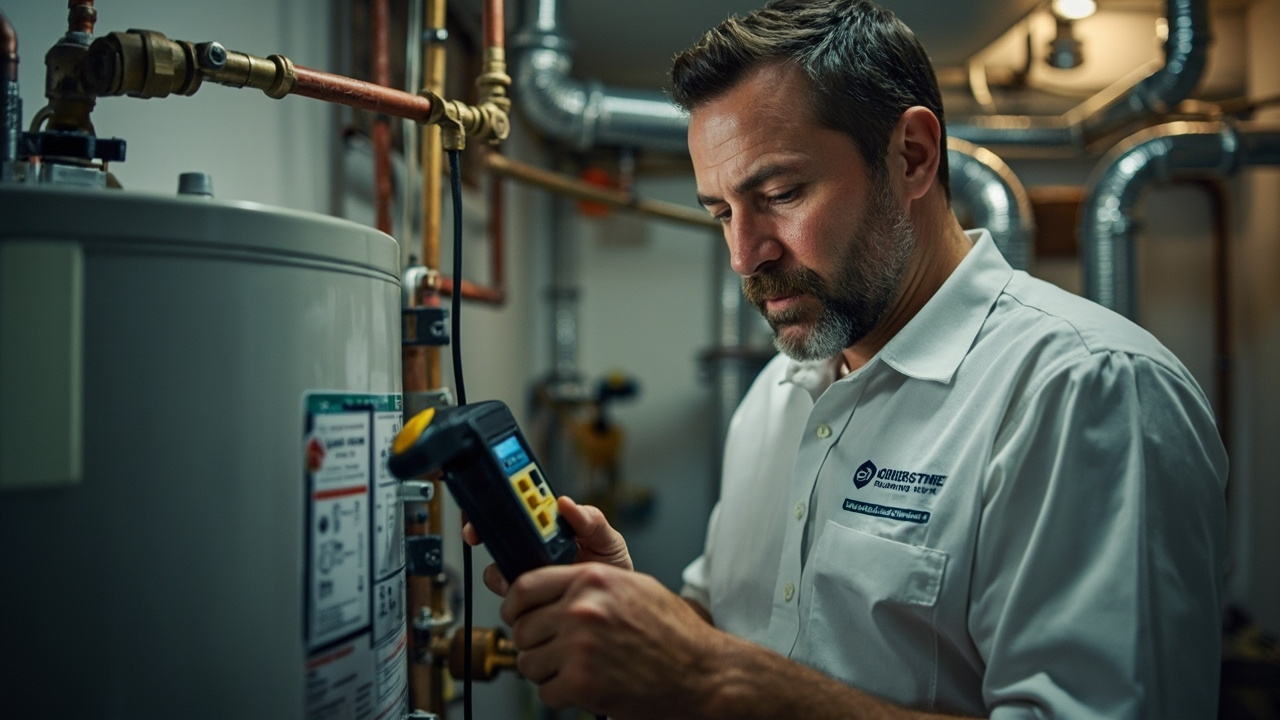
Our diagnostic process starts with your water heater's power source. For electric units, we use a multimeter to verify voltage at the breaker, the disconnect, and the heating elements themselves. Low voltage indicates a wiring problem. No voltage points to a tripped breaker or failed disconnect. We measure resistance across both heating elements to confirm they are within specification. A reading outside the 10 to 16 ohm range means the element has failed.

For gas water heaters, we test the thermocouple with a millivolt meter. This component generates electricity when heated by the pilot flame. If it produces less than 25 millivolts, it cannot keep the gas valve open. We inspect the burner assembly for carbon buildup that restricts airflow. We test gas pressure at the inlet to verify your supply line delivers adequate volume.

We drain a sample from the tank drain valve to check sediment levels. Heavy sediment means the tank has not been flushed regularly, and the heating elements are likely caked with mineral deposits. We use an infrared thermometer to scan the tank exterior for temperature variations that reveal dead zones where water is not circulating properly.

We test both thermostats on dual-element electric heaters separately. The upper thermostat controls the upper element and sends power to the lower thermostat. If the upper thermostat fails, the entire system stops heating. We verify the high-limit switch has not tripped due to overheating.

This methodical approach identifies the exact component that failed. You get a clear diagnosis, not a list of possibilities. We explain what broke, why it broke, and what you need to fix it.

What Happens During Your Water Heater Diagnosis

No Hot Water Diagnosis in Miami – Fast Expert Troubleshooting to Identify the Problem Today
01

Initial System Assessment

We start by gathering information about when the hot water stopped working and any unusual sounds or smells you noticed. We check the age of your unit, review the installation type, and verify fuel source. We inspect the area around your water heater for signs of leaking, corrosion, or improper venting. This visual assessment identifies obvious safety hazards and gives us context for the electronic testing that follows.
02

Component Testing

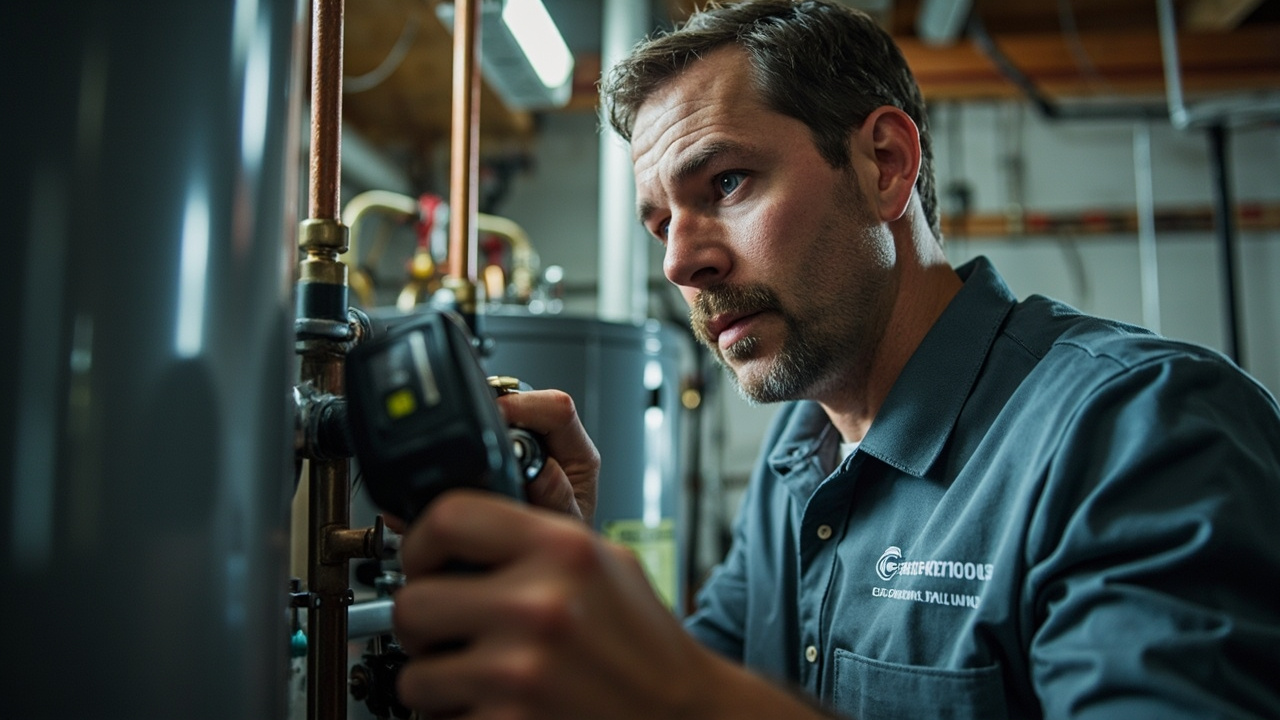
We test each component systematically using calibrated meters and gauges. For electric heaters, we verify power delivery, measure element resistance, and test thermostat continuity. For gas models, we check pilot flame strength, measure thermocouple output, test gas valve operation, and verify proper venting. We drain water from the tank to evaluate sediment levels and check anode rod condition. Each test narrows down the failure point.
03

Diagnosis and Recommendation

After testing, we explain exactly what failed and show you the test results. We discuss whether repair makes sense or if replacement is the better option based on your unit's age and condition. You receive a detailed written estimate for the recommended solution. We answer your questions and give you time to decide. There is no pressure, just clear information so you can make the right choice for your situation.

Why Miami Residents Trust Our Diagnostic Expertise

Water heater diagnosis requires more than a basic understanding of how these systems work. It demands hands-on experience with the specific brands and models installed throughout Miami, from the high-rise condos in Brickell to the single-family homes in Coral Gables.

We have diagnosed thousands of water heater failures across Miami-Dade County. We know which Rheem models from 2015 have faulty gas control valves. We recognize the symptom pattern of Bradford White tanks with failed dip tubes. We understand how Miami's 400+ ppm water hardness destroys heating elements faster than the manufacturer's projected lifespan.

This local knowledge matters because water heater problems present differently based on installation environment. A tankless unit installed in an outdoor utility closet in Coconut Grove faces different stress factors than a tank heater in a climate-controlled Aventura condo. We account for these variables during diagnosis.

Our technicians carry diagnostic equipment calibrated specifically for the voltage variations common in older Miami buildings. Many South Beach and Downtown properties experience voltage fluctuations that damage water heater electronics over time. Standard troubleshooting misses this underlying cause. We test for it automatically.

We also understand Miami's plumbing code requirements. When we diagnose a failed water heater, we evaluate whether the original installation meets current thermal expansion requirements. Many older installations lack expansion tanks, which causes premature tank failure. We identify these code deficiencies during our assessment so you can address them during repair or replacement.

You get accurate diagnosis the first time. No return visits to test components we should have checked initially. No surprise failures two weeks after a repair because we missed the root cause. Just straightforward expertise that solves your hot water problem correctly.

What to Expect from Our Diagnostic Service

Same-Day Diagnostic Appointments

We schedule diagnostic appointments within hours of your call, not days. Most Miami residents cannot function without hot water for long, especially families with young children or elderly household members. We dispatch technicians throughout Miami-Dade County from early morning through evening to accommodate your schedule. Our diagnostic van carries all testing equipment needed to evaluate any residential water heater brand or fuel type. You receive answers the same day you call, which means you can move forward with repairs or replacement immediately instead of waiting through another cold shower.

Comprehensive System Evaluation

Our diagnosis goes beyond identifying the broken component. We evaluate your entire hot water system, including supply lines, shut-off valves, pressure relief valves, venting configuration, and electrical connections. We test your home's water pressure and check for cross-connection issues that send cold water into hot lines. We measure your household's hot water demand to determine if your current unit is properly sized. This complete assessment reveals problems you did not know existed and prevents future failures. You get a full picture of your system's health, not just a narrow focus on the immediate failure.

Clear Written Diagnosis Report

We provide a written diagnostic report that explains the failure in plain language, lists the specific components that need replacement, and outlines your repair options. The report includes test results, photos of failed components, and a detailed cost estimate for recommended repairs. If replacement makes more financial sense than repair, we explain why and provide replacement options at different price points. You receive this documentation before we perform any work, so you can review it carefully, get a second opinion if desired, or discuss it with family members who share the household.

Post-Repair Performance Verification

After you approve repairs, we verify proper operation before we leave your property. We test outlet temperature at multiple fixtures, confirm recovery time meets manufacturer specifications, and verify all safety controls function correctly. We walk you through warning signs that indicate future problems and explain basic maintenance that extends your water heater's lifespan. We document the repair in our system and schedule a courtesy follow-up call two weeks later to confirm your hot water system continues performing properly. If you experience any issues after our repair, we return to diagnose the problem at no additional diagnostic charge.

Frequently Asked Questions

You Have Questions,
We Have Answers

What is the most common cause of no hot water? +

The most common cause of no hot water is a failed heating element in electric water heaters or a malfunctioning pilot light in gas units. In Miami homes, sediment buildup from hard water accelerates element failure. Tripped circuit breakers also frequently cut power to electric heaters, especially after summer storms. Gas water heaters often lose their pilot light due to thermocouple failure or gas supply interruptions. Tank age matters too. Most water heaters last 8-12 years in Miami's humid climate before components fail. Check your breaker panel first, then inspect the pilot light before assuming you need a full replacement.

How to diagnose no hot water? +

Start by checking your circuit breaker for tripped switches on electric heaters or verifying the pilot light is lit on gas units. Test other hot water fixtures to determine if the problem affects your whole house or one location. Check the temperature setting on your water heater thermostat. It should read 120-140 degrees. Feel the tank exterior. A cold tank on an electric unit suggests element failure. A warm tank with no hot water often means a dip tube has failed. For gas heaters, listen for the burner igniting. No ignition sound means thermocouple or gas valve problems requiring professional diagnosis.

What would cause hot water to not work? +

Hot water stops working when heating elements burn out, thermostats fail, or gas burners malfunction. Sediment buildup in your tank insulates water from the heating source, making your system work harder until it fails completely. In Miami, mineral deposits accumulate faster due to water composition. Corroded dip tubes break apart, allowing cold water to mix at the tank top instead of the bottom. Gas supply interruptions, failed pilot assemblies, or tripped high-temperature limit switches also stop hot water production. Age is a factor too. Components wear out faster in coastal humidity, leading to sudden failures without warning signs.

Should I call a plumber for no hot water? +

Yes, call a plumber for no hot water issues unless you can safely relight a pilot light or reset a tripped breaker yourself. Water heaters involve electricity, gas lines, and high-pressure water connections. Misdiagnosis wastes money on wrong parts. Licensed plumbers in Miami understand local water conditions that cause specific failures. They carry diagnostic tools to test elements, thermostats, and gas valves accurately. Attempting DIY repairs on gas heaters risks carbon monoxide leaks or explosions. Electric heater repairs involve 240-volt circuits that can cause fatal shocks. A professional diagnosis saves time, prevents safety hazards, and ensures code-compliant repairs.

Why am I getting hot water in my kitchen but not my bathroom? +

Hot water reaches your kitchen but not your bathroom because of a localized plumbing issue, not a water heater failure. A shut-off valve under your bathroom sink or near fixtures may be partially closed, restricting flow. Sediment or mineral deposits can clog the hot water line feeding that bathroom, common in Miami's hard water areas. A failed fixture mixing valve allows only cold water through. Cross-connected pipes sometimes let cold water backfeed into hot lines. The distance from your water heater matters too. Long pipe runs lose heat, making water feel lukewarm. Check valves first, then call a plumber to inspect lines.

What are signs of a faulty thermostat? +

A faulty thermostat produces water that is too hot, too cold, or constantly fluctuates in temperature. You hear the heating elements or burner cycling on and off rapidly. Your water heater runs continuously without reaching the set temperature. The reset button on your high-temperature limit switch trips repeatedly, requiring manual resets. Electric meters show abnormally high usage. In Miami homes, thermostats corrode faster due to humidity, causing erratic readings. You might notice the upper element stays on constantly while the lower element never activates. Inconsistent hot water delivery across multiple fixtures points to thermostat failure rather than one bad tap.

Why have I suddenly got no hot water? +

Sudden hot water loss typically means a component just failed. Electric heating elements burn out instantly when they short-circuit or develop cracks. Thermocouples on gas heaters fail without warning, shutting off gas supply to the pilot light. High-temperature limit switches trip after detecting overheating, cutting power until manually reset. Miami residents often experience sudden failures after power surges from afternoon thunderstorms. A burst pipe inside your tank drains all hot water within minutes. Tripped breakers from electrical overload stop electric heaters immediately. If your water heater is over 10 years old, component failure becomes increasingly likely and often happens suddenly.

What happens before a hot water heater goes out? +

Before a water heater fails completely, you notice rusty or discolored water from hot taps only. Water temperature becomes inconsistent or takes longer to heat. You hear rumbling, popping, or banging noises from sediment buildup on heating elements or tank bottoms. Puddles form around the tank base from small leaks. Your hot water runs out faster than normal, indicating reduced tank capacity from sediment. The pilot light on gas heaters goes out frequently. Energy bills climb as the unit works harder to heat water. In Miami's humid climate, rust spots or corrosion appear on the tank exterior before internal failures occur.

How to reset boiler for hot water? +

To reset your boiler for hot water, locate the reset button, usually red or black, on the burner housing or control panel. Press and hold it for 3-5 seconds until you hear the ignition sequence start. If the boiler does not fire, wait 10 minutes before trying again to prevent flooding the combustion chamber. Check that your thermostat is set above current water temperature. Verify gas supply is on and the pilot light is lit. Some Miami homes have outdoor reset switches near the unit. If the boiler trips repeatedly, you have an underlying problem like a faulty thermocouple or pressure issue requiring professional service.

Why does my cold water work but not my hot water? +

Cold water works but hot water does not because your water heater has failed while your main water supply remains functional. These are separate systems. Cold water flows directly from supply lines to fixtures. Hot water must pass through your water heater first. Failed heating elements, broken dip tubes, or extinguished pilot lights stop hot water production while cold water continues unaffected. Check if your cold water pressure is normal everywhere. If yes, the problem is definitely your water heater or hot water distribution lines. Shut valves on hot water lines or sediment clogs specific to those pipes can also block hot water while cold flows freely.

How Miami's Hard Water Accelerates Water Heater Failure

Miami's municipal water supply contains 400 to 500 parts per million of dissolved minerals, which classifies it as very hard water. These calcium and magnesium deposits accumulate at the bottom of tank water heaters, creating a barrier between the heating element and the water. The element overheats trying to transfer heat through this insulating layer, which causes premature burnout. Electric water heaters in Miami typically fail 2 to 3 years sooner than the same models in soft water areas. When we diagnose lack of hot water in Miami homes, sediment buildup ranks as the leading cause. Regular flushing prevents this accumulation, but most homeowners do not know this maintenance step exists until after their system fails.

Cornerstone Plumbing Miami technicians understand how local water quality affects water heater performance because we work exclusively in Miami-Dade County. We stock replacement anodes designed specifically for hard water applications. We carry descaling tools sized for the sediment thickness common in Miami tanks. When we identify water heater issues, we account for the accelerated wear patterns that hard water creates. This specialized local knowledge leads to accurate diagnosis that out-of-area plumbers miss. We know which symptoms indicate simple sediment flushing will restore function and which mean the heating element has already failed beyond recovery. That expertise saves you money by preventing unnecessary part replacement.
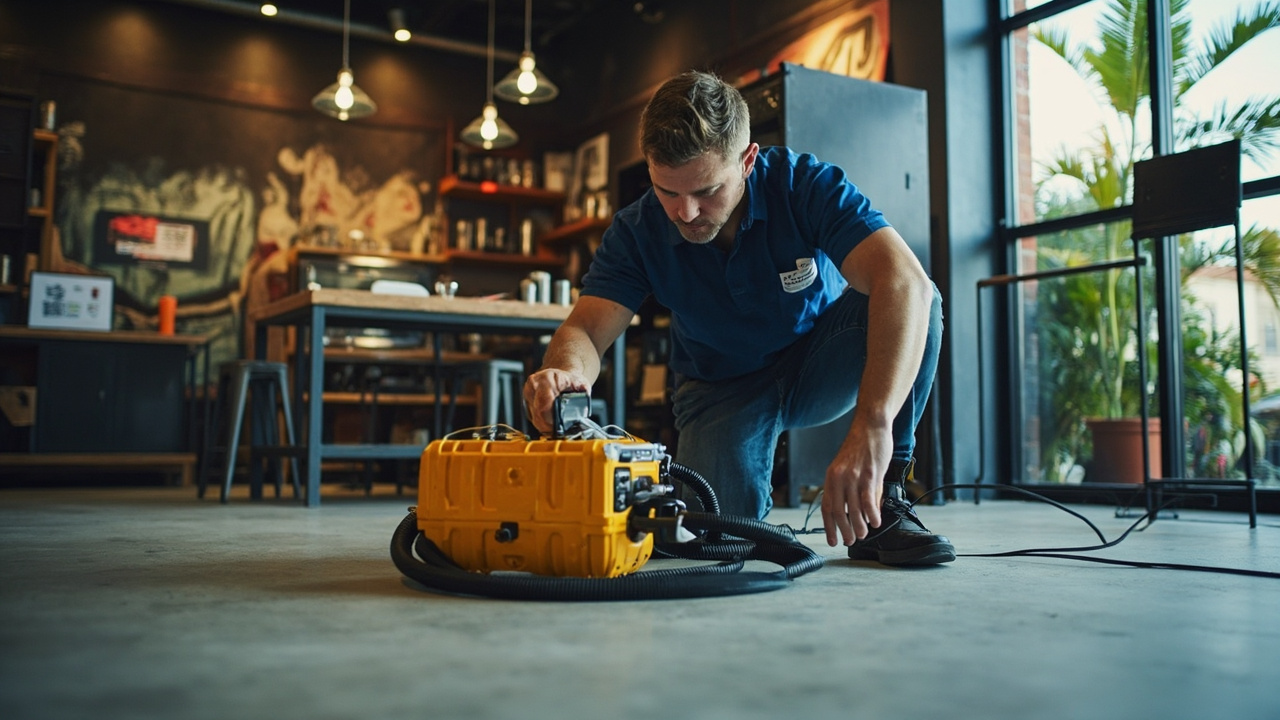
Plumbing Services in The Miami Area

Easily locate Cornerstone Plumbing on the map and explore our primary service area. We are conveniently situated to provide swift and efficient plumbing services throughout Miami and its surrounding communities. Our strategically located operations ensure that a skilled technician is always nearby, ready to address your residential or commercial plumbing needs with promptness and unparalleled expertise, ensuring you receive timely and effective support whenever you need it most.

Address:
Cornerstone Plumbing Miami, 2332 Galiano St, Miami, FL, 33134

Additional Services We Offer

Our news updates

Latest Articles & News from The Blogs

A main water line break in a high traffic area like the Wynwood Art District is more than a simple…

Emergency Main Water Line Repair for Wynwood Businesses

A main water line break in a high traffic area like the Wynwood Art District is more than a simple…

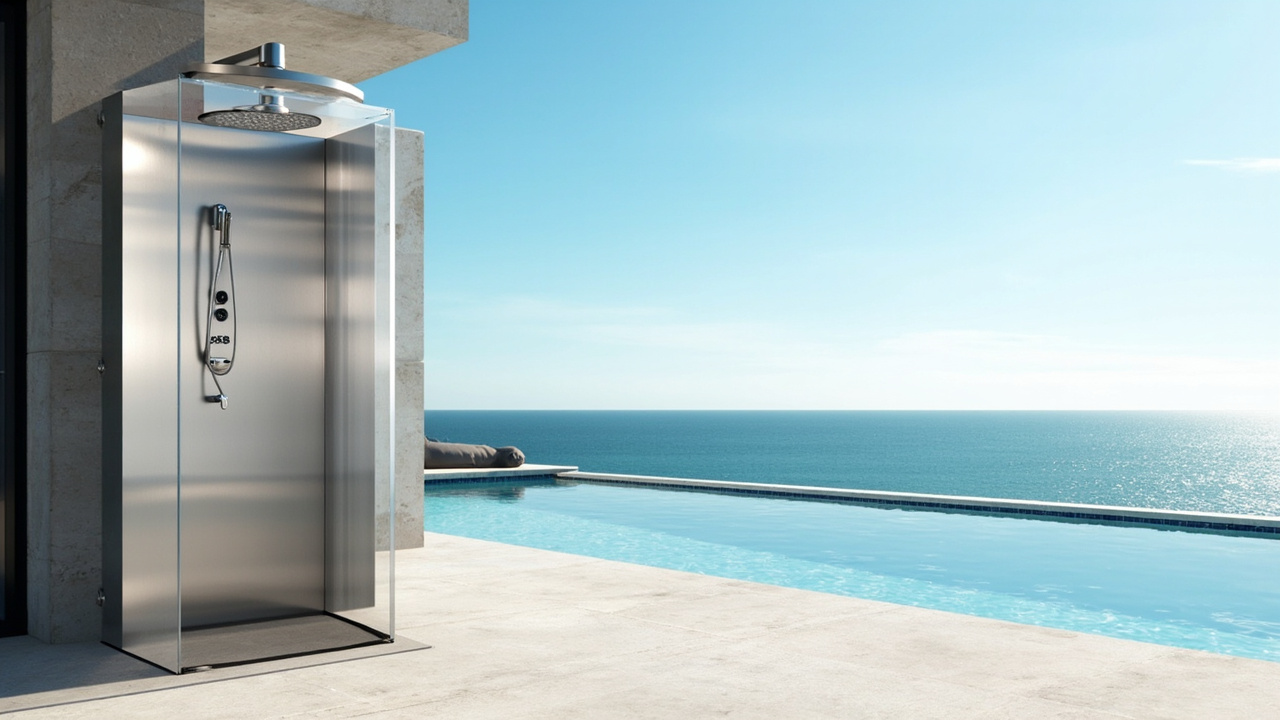
Picking the Right Type of Outdoor Shower for Your Golden Beach Waterfront Property

Living on the Atlantic coast in Golden Beach provides unparalleled access to the ocean, but the environment creates a unique…

How to Choose the Right Low Flow Showerhead That Still Has Great Pressure

How to Choose the Right Low Flow Showerhead That Still Has Great PressureMiami residents understand the value of water more…

Contact Us

Stop guessing why your hot water stopped working. Call Cornerstone Plumbing Miami at (786) 789-8488 right now for same-day diagnostic service. Our technicians will identify the exact problem, explain your options clearly, and get your hot water flowing again. We answer 24/7.