




menu

Cold Water Sandwich Effect in Miami – Expert Tankless Water Heater Diagnosis and Repair

We solve intermittent cold water bursts and temperature fluctuations in tankless systems by pinpointing the exact cause of the cold water sandwich effect, restoring consistent hot water flow in your Miami home.

Slider Image 1
Slider Image 2
Slider Image 3
Slider Image 4
Slider Image 5
Slider Image 7
Slider Image 8
Slider Image 9
Slider Image 10
Slider Image 11

Why Your Tankless Water Heater Delivers Random Cold Water Bursts in Miami Homes

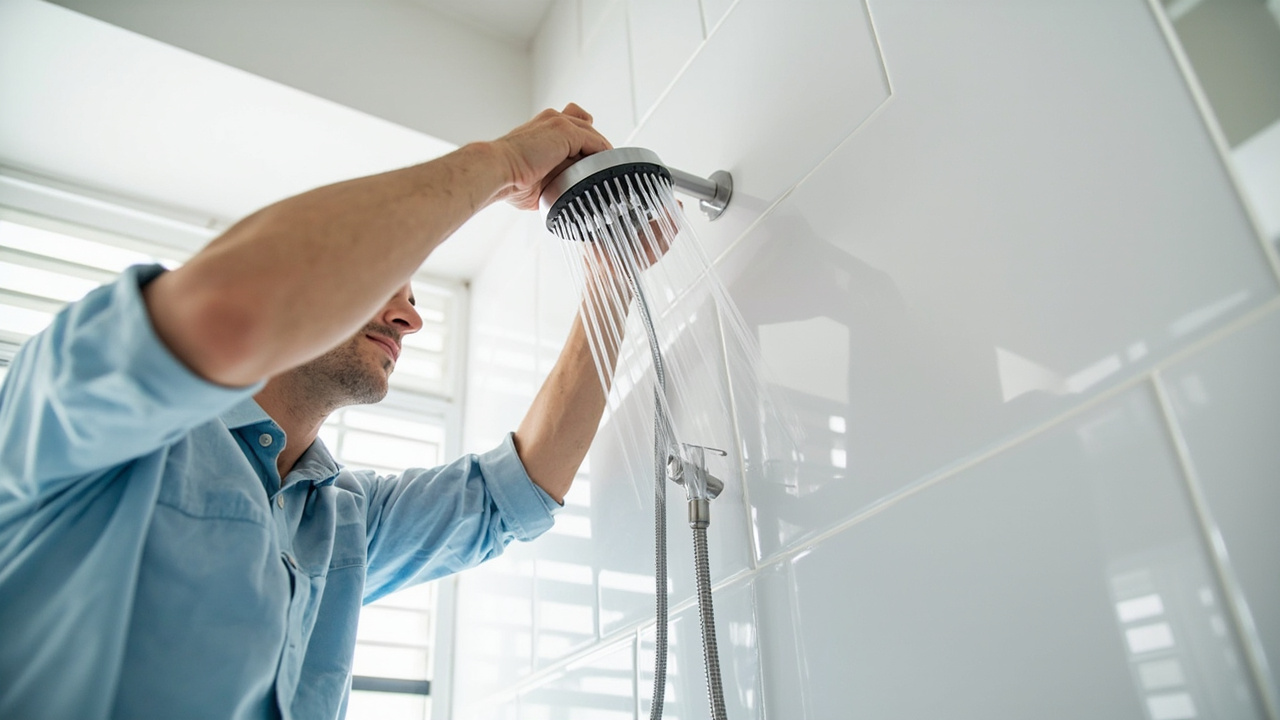
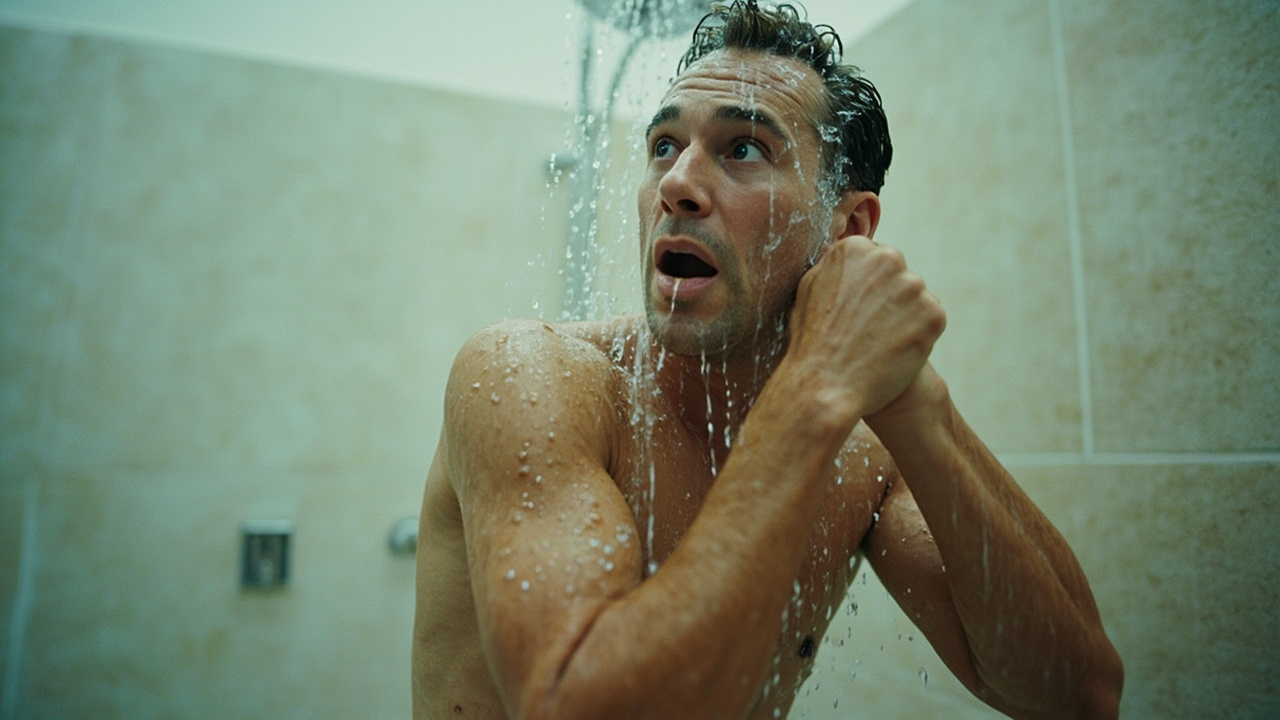
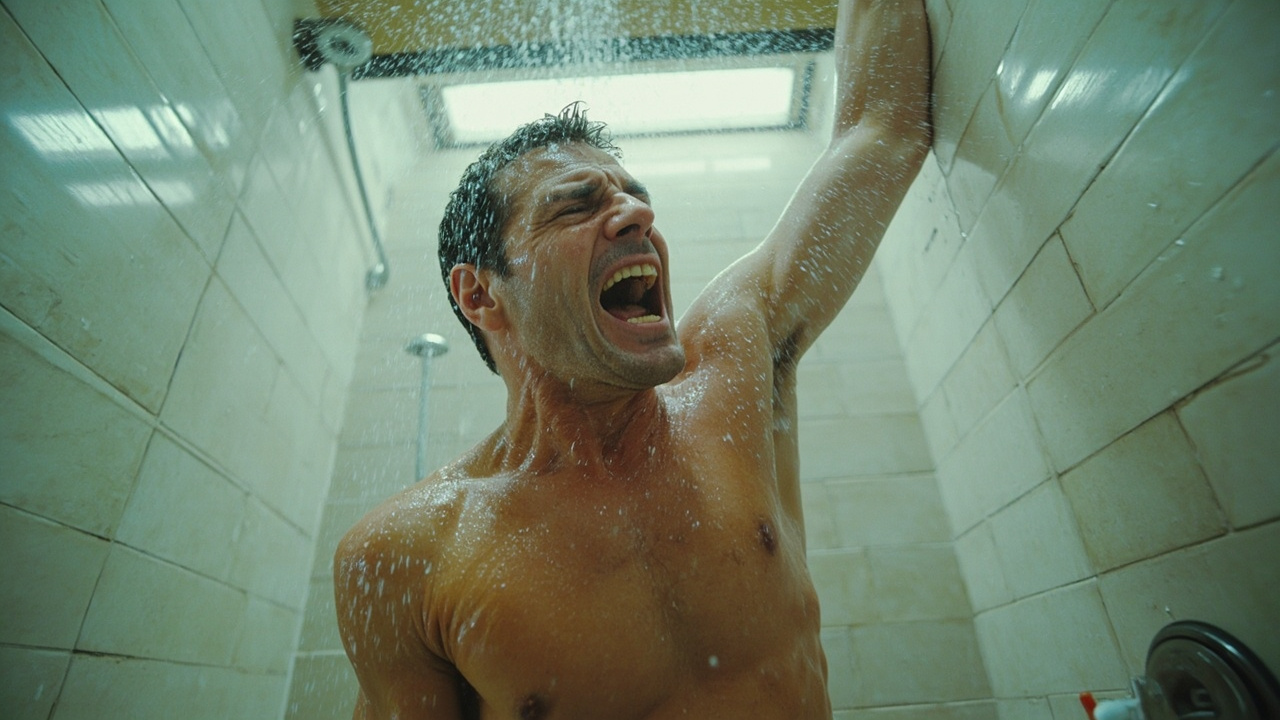
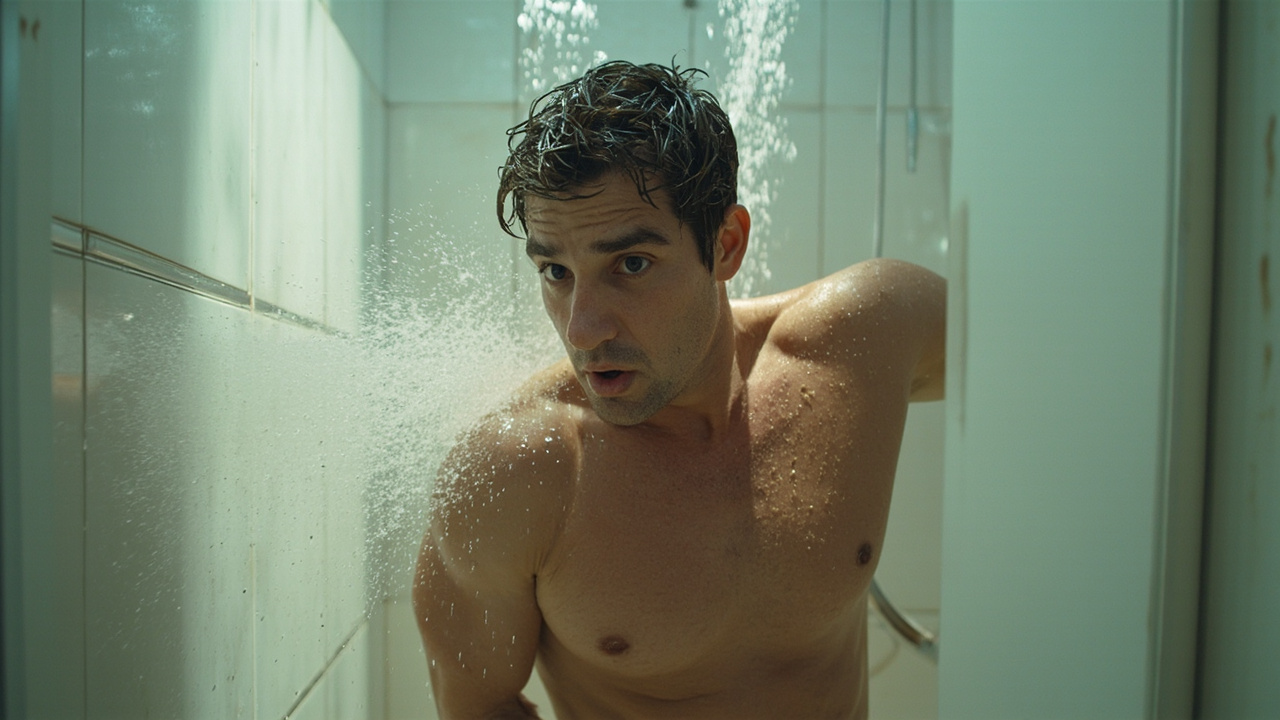
You turn on the shower. Hot water flows. Then a sudden slug of ice-cold water hits you mid-rinse, followed by hot water again. This is the cold water sandwich effect, and it frustrates Miami homeowners daily.

The problem happens when you use hot water in short bursts. You wash your hands. Turn off the faucet. Then open it again 30 seconds later. The residual hot water sitting in the pipes delivers first. Then cold water rushes through before the tankless unit reignites and heats the flow. That intermittent cold water burst is not a malfunction. It is a byproduct of how tankless systems operate.

Miami's municipal water supply enters your home at ground temperature, roughly 75 to 78 degrees year-round. While warmer than northern climates, that is still 45 degrees below your target shower temperature. When a tankless unit cycles off between uses, cold water fills the heat exchanger. The next time you open a tap, that cold slug pushes through before the burner fires and the heat exchanger reaches operating temperature.

Tankless temperature fluctuation becomes worse in homes with long pipe runs, multiple bathrooms, or recirculation pumps that cycle inconsistently. The cold water sandwich effect is not dangerous, but it signals that your system lacks proper configuration. You may need a buffer tank, flow rate adjustment, or recirculation loop calibration. Ignoring the problem leads to scalding risks when users overcorrect the temperature mid-shower, and it shortens the lifespan of mixing valves that constantly compensate for temperature swings.

Cornerstone Plumbing Miami diagnoses the root cause, whether it is improper installation, undersized units, or lack of demand-based recirculation controls.

Why Your Tankless Water Heater Delivers Random Cold Water Bursts in Miami Homes
How We Eliminate Tankless Cold Water Slugs and Restore Consistent Temperature

How We Eliminate Tankless Cold Water Slugs and Restore Consistent Temperature

We do not guess. We measure your system's flow rate, temperature rise, and burner response time to identify why the cold water sandwich effect persists.

First, we test your tankless unit under real-world demand. We open multiple fixtures simultaneously and measure the temperature differential at each outlet. We check the heat exchanger for scale buildup, a common issue in Miami due to hard water from the Biscayne Aquifer. Even minor scale accumulation delays ignition and extends the cold water burst window.

Next, we evaluate your recirculation system, if installed. Many Miami homes add recirculation pumps to eliminate wait times for hot water, but improper programming creates worse temperature fluctuations. We verify that the pump cycles match your usage patterns and that the crossover valves function correctly. A stuck or leaking crossover valve allows cold water to migrate into the hot supply line, amplifying the cold water slug effect.

We also inspect pipe insulation. Uninsulated copper or PEX runs in unconditioned attic spaces lose heat rapidly between uses, worsening the cold water sandwich. Insulating hot water lines reduces the volume of cooled water sitting in the system.

If your tankless unit is undersized for your household demand, we calculate your true peak flow requirements. A unit rated for 6 gallons per minute cannot support simultaneous showers, dishwasher use, and laundry without triggering temperature drops. Upgrading to a properly sized model eliminates most cold water sandwich incidents.

Finally, we recommend buffer tanks for homes with frequent short-draw applications. A small storage tank downstream of the tankless unit smooths out temperature delivery and prevents the cold water burst cycle entirely.

How We Fix the Cold Water Sandwich in Your Miami Home

Cold Water Sandwich Effect in Miami – Expert Tankless Water Heater Diagnosis and Repair
01

System Performance Testing

We measure your tankless water heater's actual temperature output under varying flow rates. Using infrared thermometers and flow meters, we document the temperature drop during cold water sandwich events. We test burner ignition lag, heat exchanger response time, and whether scale buildup delays heat transfer. This data tells us whether the issue stems from equipment limitations or system design flaws.
02

Recirculation and Piping Analysis

We trace your hot water distribution layout and verify recirculation pump operation. We check crossover valves for leaks, confirm timer settings match your usage schedule, and measure pipe insulation effectiveness. Long pipe runs or poorly insulated lines amplify the cold water slug effect. We identify whether adding a buffer tank, upgrading insulation, or recalibrating the recirculation loop will solve intermittent cold water bursts.
03

Solution Implementation and Verification

We install the recommended fix, whether that is a buffer tank, recirculation adjustment, heat exchanger descaling, or unit replacement. After installation, we retest the system under peak demand conditions to confirm the cold water sandwich effect is eliminated. You receive documentation of flow rates, temperature stability readings, and maintenance recommendations to prevent future tankless temperature fluctuation issues. The result is consistent hot water delivery every time you open a tap.

Why Miami Homeowners Trust Us to Solve Tankless Water Heater Problems

Miami's water chemistry and climate create unique challenges for tankless systems. The Biscayne Aquifer delivers water with elevated mineral content, accelerating scale formation inside heat exchangers. Scale reduces heat transfer efficiency, delays burner ignition, and extends the cold water sandwich window. We flush heat exchangers with descaling solution formulated for Miami's specific water hardness, not generic vinegar rinses that leave residue.

We also understand how Miami's building codes and plumbing standards affect tankless installations. Many older homes in Coral Gables, Coconut Grove, and South Miami have galvanized supply lines or undersized gas meters that limit tankless performance. We identify infrastructure constraints before recommending equipment upgrades, saving you from purchasing a high-capacity unit that your gas supply cannot support.

Our technicians train specifically on condensing and non-condensing tankless models common in Miami, including Rinnai, Navien, and Noritz units. We carry OEM parts for same-day repairs, not universal components that void warranties. When a flow sensor fails or a flame rod corrodes, we replace it with the exact factory part.

We also handle permit applications and inspections for tankless retrofits. Miami-Dade County requires permits for water heater replacements, and inspectors verify proper venting, gas line sizing, and thermal expansion protection. We manage that process so you do not face code violations or failed inspections.

Cornerstone Plumbing Miami has resolved cold water sandwich problems in single-family homes, townhouses, and low-rise condos across Miami. We know which solutions work in your specific property type and water quality conditions. You get targeted fixes, not trial-and-error experiments.

What Happens When You Call Us for Cold Water Sandwich Repair

Same-Day Diagnostic Appointments

We schedule diagnostic visits within 24 hours for most Miami neighborhoods. Our technicians arrive with flow meters, infrared thermometers, and combustion analyzers to test your tankless system under real demand conditions. The diagnostic visit typically takes 45 to 90 minutes, depending on your home's plumbing layout and whether we need to access the recirculation pump or heat exchanger. You receive a written assessment with temperature readings, flow data, and recommended solutions before any work begins.

Detailed Root Cause Analysis

We do not assume the cold water sandwich stems from a single cause. We test burner ignition delay, measure scale thickness inside the heat exchanger, verify recirculation pump cycle times, and check for crossover valve leaks. If your system uses a thermostatic mixing valve, we confirm it is not causing temperature hunting. We also evaluate whether your tankless unit is properly sized for your household's peak demand. You get a clear explanation of why the cold water bursts occur and which variables contribute most to the problem.

Precise Temperature Stability Results

After implementing the recommended fix, we verify temperature consistency using the same testing protocol from the diagnostic visit. We open multiple fixtures, simulate short-draw and long-draw usage, and measure outlet temperature at 10-second intervals. The goal is to eliminate the cold water slug entirely or reduce it to less than two seconds, which most users do not notice. You see before-and-after data proving the repair resolved the intermittent cold water bursts. If the problem persists, we investigate further at no additional diagnostic charge.

Preventive Maintenance Plans

Tankless systems require annual descaling to prevent scale-related cold water sandwich problems. We offer maintenance plans that include heat exchanger flushing, burner inspection, flame sensor cleaning, and flow rate verification. Miami's hard water accelerates mineral buildup, so we recommend descaling every 12 months for optimal performance. Maintenance visits catch small issues like failing ignitors or clogged inlet screens before they cause temperature fluctuations. You receive service reminders and priority scheduling. Keeping your tankless unit maintained prevents the cold water sandwich effect from returning.

Frequently Asked Questions

You Have Questions,
We Have Answers

What is the cold water sandwich effect? +

The cold water sandwich effect happens when you use a tankless water heater. You turn on the hot water, get a burst of hot water from the pipes, then a sudden slug of cold water, followed by hot water again. This occurs because the unit shuts off between uses. When you restart the tap, residual hot water in the pipes flows first. Then cold water follows while the heater fires up again. In Miami's warm climate, this issue is less severe than northern states, but it still frustrates homeowners during back-to-back showers or quick kitchen tasks.

What is the 1 10 1 rule in cold water? +

The 1-10-1 rule describes cold water immersion survival stages. You have 1 minute to control your breathing during cold shock. You have 10 minutes of meaningful movement before muscles fail. You have 1 hour before hypothermia causes unconsciousness. This maritime safety guideline applies to Miami's coastal waters, which stay warmer year-round compared to northern regions. Even in winter, Miami's ocean temperatures rarely drop below 70 degrees, reducing immediate cold shock risk. However, prolonged exposure in any water below body temperature still poses danger. Boaters and swimmers should know these stages for emergency preparedness.

What is the downside to tankless water? +

Tankless water heaters have several downsides. The cold water sandwich effect creates temperature fluctuations during intermittent use. Upfront installation costs run higher than traditional tank units. You need adequate gas line sizing or electrical capacity, which often requires upgrades in older Miami homes. Flow rate limitations mean you cannot always run multiple fixtures simultaneously. Hard water in some Miami neighborhoods causes mineral buildup, requiring annual descaling maintenance. Power outages leave you without hot water completely, unlike tank heaters that retain some stored hot water. Despite energy efficiency claims, real-world savings depend heavily on usage patterns.

How to get rid of cold water sandwich? +

Fix the cold water sandwich by installing a small recirculation system with a buffer tank. This keeps a reserve of hot water ready between heating cycles. Install a thermostatic mixing valve to blend and stabilize output temperature. Some newer tankless models include built-in buffers or smarter flow sensors that reduce the problem. Position the heater closer to high-use fixtures to minimize residual cold water in pipes. In Miami homes with long pipe runs to master bathrooms, this distance issue gets worse. Professional reconfiguration of your plumbing layout helps. Regular maintenance ensures the unit responds quickly to demand changes.

What happens after 30 days of cold showers? +

This question relates to wellness trends, not plumbing diagnostics. Cold showers may boost circulation, alertness, and stress tolerance according to some studies. Skin and hair might retain more natural oils without hot water stripping them away. Your body may adapt to temperature changes more efficiently. However, this has no connection to diagnosing or fixing the cold water sandwich effect in tankless heaters. If you experience unwanted cold water bursts during showers in your Miami home, that indicates a plumbing issue requiring professional assessment. Do not confuse intentional cold therapy with equipment malfunction.

Why do plumbers not recommend tankless water heaters? +

Many plumbers hesitate to recommend tankless heaters due to installation complexity and maintenance demands. Proper sizing requires accurate load calculations that many installers skip. Gas units need specific venting and combustion air requirements. Miami's hard water accelerates scale buildup, requiring annual flushing that homeowners often neglect. The cold water sandwich frustrates customers, leading to callbacks. Repair parts cost more and take longer to source than standard tank components. Electrical models demand significant amperage upgrades in older homes. Despite marketing promises, real-world energy savings rarely justify the premium price and hassle for average families.

How long did it take for Titanic passengers to freeze? +

This question addresses the 1912 Titanic disaster, not plumbing systems. Passengers in the North Atlantic's 28-degree water faced rapid hypothermia. Most victims lost consciousness within 15 to 30 minutes and died within an hour due to cold shock and heart failure. This tragedy has no relevance to residential water heating issues in Miami. If you experience temperature problems with your water heater, focus on diagnosing equipment function rather than historical maritime disasters. Proper troubleshooting identifies whether you face a cold water sandwich effect, flow rate issue, or thermostat malfunction.

What is the 80 20 rule in swimming? +

The 80-20 rule in swimming suggests you spend 80 percent of training on technique and endurance at moderate intensity, and 20 percent on high-intensity speed work. This athletic principle has no connection to plumbing or the cold water sandwich effect. If you encountered this question while researching water heater problems, you likely need help with temperature consistency during showers. Miami homeowners dealing with tankless heater issues should focus on system diagnostics, flow rates, and recirculation options. Contact a qualified plumber to assess your specific equipment rather than searching unrelated swimming terminology.

What does stage 1 hypothermia feel like? +

Stage 1 hypothermia occurs when core body temperature drops to 95-97 degrees. You experience intense shivering, rapid breathing, and cold extremities. Mental function stays mostly normal, but fine motor skills decline. You feel intensely cold and may struggle with tasks requiring finger dexterity. This medical condition has no direct relevance to diagnosing plumbing issues in Miami homes. If you face repeated cold water bursts from your tankless heater, the problem stems from equipment cycling, not health concerns. Professional evaluation determines whether you need recirculation upgrades, buffer tanks, or unit replacement.

How much does your electric bill go up with a tankless water heater? +

Electric tankless heaters often increase bills despite efficiency claims. These units draw massive amperage when firing, sometimes spiking demand charges on your utility bill. Actual costs depend on your Miami electric rate structure, usage patterns, and whether you previously had an inefficient old tank heater. Gas tankless models typically cost less to operate than electric versions. Savings appear most clearly in small households with low hot water demand. Larger families running multiple showers see minimal savings because the unit runs constantly anyway. Calculate your specific usage before assuming you will save money.

How Miami's Hard Water Amplifies the Cold Water Sandwich Effect

Miami's municipal water supply originates from the Biscayne Aquifer, a limestone formation that dissolves calcium and magnesium into the groundwater. Water hardness in Miami averages 200 to 250 parts per million, well above the threshold where scale formation accelerates. When hard water flows through a tankless heat exchanger, minerals precipitate onto the heating elements and internal passages. Scale buildup reduces heat transfer efficiency and delays burner ignition, extending the duration of the cold water slug. Homes without water softeners experience faster scale accumulation, worsening tankless temperature fluctuation over time. Regular descaling is critical in Miami to prevent the cold water sandwich from becoming a daily annoyance.

Cornerstone Plumbing Miami understands how local water chemistry affects tankless performance. We recommend descaling intervals based on your specific water hardness, not generic manufacturer guidelines that assume soft water conditions. Our technicians also know which tankless models handle Miami's water best. Some brands use stainless steel heat exchangers that resist scale better than copper models. Others include self-cleaning functions that extend service intervals. We guide you toward equipment that matches Miami's water quality, reducing the frequency of cold water sandwich incidents and minimizing maintenance costs. Choosing a plumber with local knowledge prevents expensive mistakes and repeat service calls.
Plumbing Services in The Miami Area

Easily locate Cornerstone Plumbing on the map and explore our primary service area. We are conveniently situated to provide swift and efficient plumbing services throughout Miami and its surrounding communities. Our strategically located operations ensure that a skilled technician is always nearby, ready to address your residential or commercial plumbing needs with promptness and unparalleled expertise, ensuring you receive timely and effective support whenever you need it most.

Address:
Cornerstone Plumbing Miami, 2332 Galiano St, Miami, FL, 33134

Additional Services We Offer

Our news updates

Latest Articles & News from The Blogs

A main water line break in a high traffic area like the Wynwood Art District is more than a simple…

Emergency Main Water Line Repair for Wynwood Businesses

A main water line break in a high traffic area like the Wynwood Art District is more than a simple…

Picking the Right Type of Outdoor Shower for Your Golden Beach Waterfront Property

Living on the Atlantic coast in Golden Beach provides unparalleled access to the ocean, but the environment creates a unique…

How to Choose the Right Low Flow Showerhead That Still Has Great Pressure

How to Choose the Right Low Flow Showerhead That Still Has Great PressureMiami residents understand the value of water more…

Contact Us

Call Cornerstone Plumbing Miami at (786) 789-8488 for same-day diagnostics. We identify why your tankless water heater delivers cold water bursts and fix the problem permanently. No more scalding or freezing mid-shower.