




menu

Smelly Drains & Sewer Odors in Miami – Expert Diagnosis and Permanent Odor Elimination

We identify the root cause of foul sewer gas odors in your Miami home and fix it right the first time, eliminating stinky bathroom drains and sewage smells for good.

Slider Image 1
Slider Image 2
Slider Image 3
Slider Image 4
Slider Image 5
Slider Image 7
Slider Image 8
Slider Image 9
Slider Image 10
Slider Image 11

Why Miami Homes Struggle With Persistent Drain and Sewer Odors

That rotten egg smell from plumbing is not just unpleasant. It signals a real problem. Sewage smell in house can indicate failed drain traps, blocked vents, or cracked sewer lines. In Miami, the high water table and constant humidity create the perfect storm for drain issues that trigger foul sewer gas odors.

Miami's limestone bedrock and porous soil allow groundwater to infiltrate aging clay and cast iron pipes. Over time, these pipes corrode from the inside out, releasing hydrogen sulfide gas through hairline cracks you cannot see. The heat accelerates bacterial growth inside slow-moving drains, especially in guest bathrooms or secondary sinks that sit unused for weeks. That stagnant water turns septic fast.

Stinky bathroom drains often point to a dry P-trap. When water evaporates from the trap bend, sewer gas flows freely into your living space. In South Florida's relentless heat, evaporation happens faster than in cooler climates. Unpleasant drain odors can also come from biofilm buildup on pipe walls, a slimy layer of bacteria that thrives in warm, moist conditions.

Ignoring these odors is a mistake. Sewer gas contains methane and hydrogen sulfide, both of which are hazardous at high concentrations. Methane is flammable. Hydrogen sulfide is toxic. Even low-level exposure causes headaches, nausea, and respiratory irritation. If you smell it, you have a ventilation failure, a trap failure, or a pipe integrity issue. All three require professional attention.

Miami homeowners often mistake these smells for a minor inconvenience. They pour bleach down the drain or light candles. That masks the odor temporarily but does nothing to fix the underlying cause. The problem is structural, not cosmetic.

Why Miami Homes Struggle With Persistent Drain and Sewer Odors
How We Diagnose and Eliminate Sewer Gas and Drain Odors

How We Diagnose and Eliminate Sewer Gas and Drain Odors

We do not guess. We use a systematic diagnostic process to pinpoint the exact source of the odor, then fix it permanently.

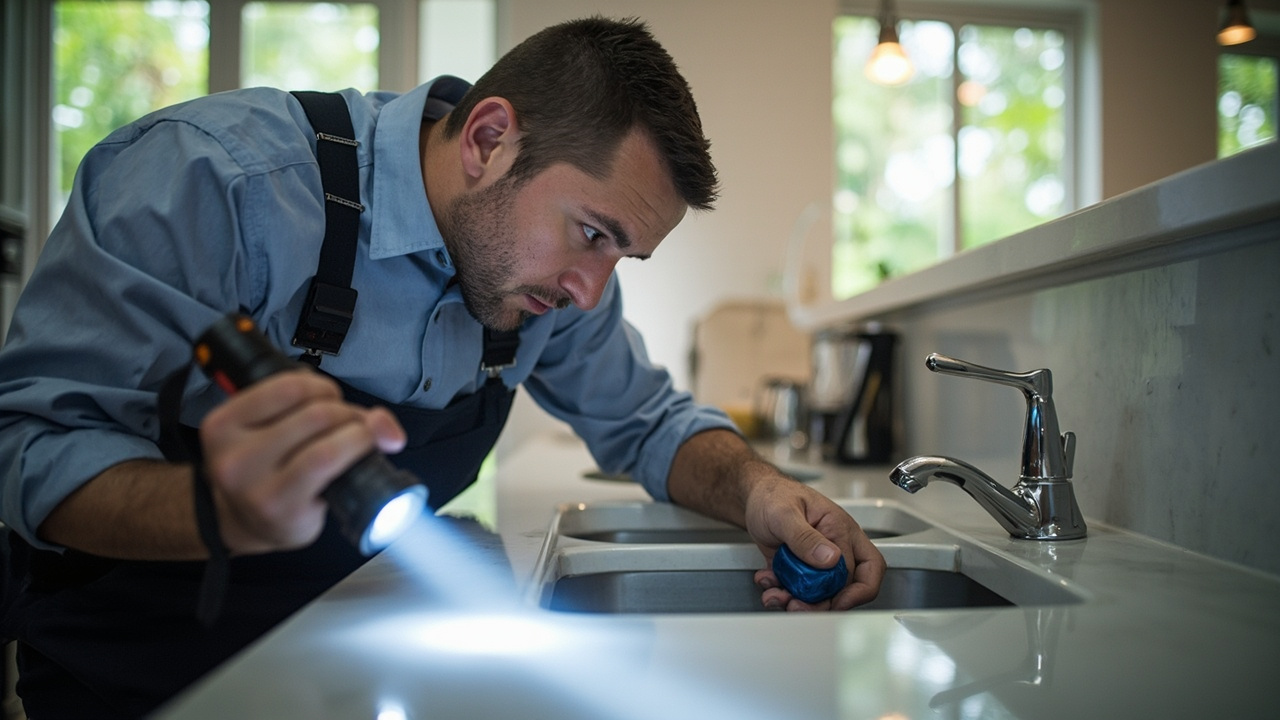
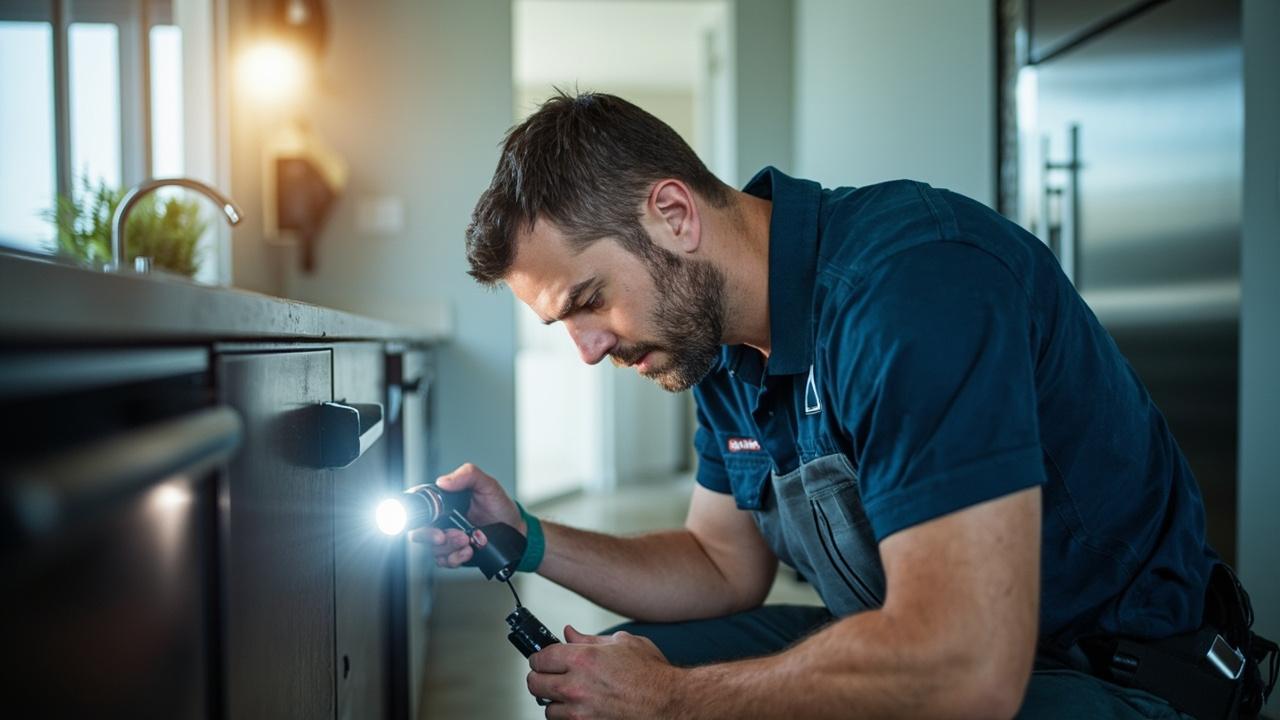
First, we perform a smoke test. We introduce non-toxic theatrical smoke into your drain and vent system under slight pressure. Smoke escapes wherever sewer gas can escape. We watch for plumes coming from roof vents, floor drains, cleanout caps, or pipe joints. This test reveals cracks, missing caps, and disconnected vent lines that you would never find with a visual inspection alone.

Next, we check every P-trap in the building. We look for dry traps, improperly sloped drains, and traps that have lost their water seal due to siphonage or capillary action. In Miami's older homes, we often find S-traps, which are no longer code-compliant because they self-siphon and lose their seal.

We inspect your vent stack for blockages. Birds nest in uncapped roof vents. Debris accumulates. A blocked vent causes negative pressure in the drain system, which pulls water out of traps and allows sewer gas to backflow into the home. We use a camera to inspect the full length of the vent from roof to tie-in.

If the smoke test and trap checks come back clean, we move to the sewer lateral. We run a sewer camera inspection to look for cracks, root intrusion, or bellied sections where waste water pools and degrades. Cast iron pipes in Miami homes built before 1980 are often corroded to the point of failure. We document the findings with time-stamped video.

Once we identify the cause, we present you with a clear repair plan. No upselling. No bundling unnecessary services. Just the fix you need.

What Happens When You Call Us About a Sewage Smell

Smelly Drains & Sewer Odors in Miami – Expert Diagnosis and Permanent Odor Elimination
01

Initial Phone Diagnostic

We ask specific questions about the odor. Where do you smell it? When did it start? Is it constant or intermittent? Does it worsen after running water or flushing? These answers help us bring the right tools and narrow the scope before we arrive. We schedule a same-day visit in most cases.
02

On-Site Testing and Camera Inspection

We perform the smoke test and trap inspection described above. If needed, we deploy a push camera into your drain lines and sewer lateral. You watch the feed in real time. We show you the cracks, the root balls, the collapsed sections. No mystery. No hidden damage. Just facts captured on video.
03

Repair and Odor Verification

After the repair, whether it is a new trap, a vent cap installation, or a trenchless pipe lining, we retest the system. We run water through all fixtures, check trap seals, and confirm that the odor is gone. You get a written summary of what we found and what we fixed.

Why Miami Homeowners Trust Us With Sewer Gas Issues

Sewer odor complaints require plumbing forensics, not just drain cleaning. Most companies send a technician with a snake and a bottle of enzyme cleaner. That approach fails when the problem is a cracked vent, a dry trap, or a corroded pipe joint. We bring diagnostic tools and the experience to use them correctly.

We understand Miami's plumbing challenges. Homes in Coral Gables, Coconut Grove, and Miami Shores were built between 1920 and 1960, many with original cast iron stacks and galvanized steel drains. Those materials have a lifespan. After 60 years in Miami's humid, saltwater-influenced air, they corrode from both sides. We have seen it hundreds of times. We know which neighborhoods have clay sewer laterals prone to root intrusion and which have Orangeburg pipe that collapses under soil pressure.

We also know the local code. Miami-Dade County requires specific venting configurations, trap arm lengths, and cleanout placements. A handyman or unlicensed contractor might install a trap that looks fine but violates code and fails inspection. We pull permits when required and build to the current Florida Plumbing Code, which means your repair will pass inspection and function as designed.

Our camera equipment is high-resolution, not the grainy footage you see from budget operators. We can identify a crack as small as a quarter-inch. We can see the difference between a root hair and a grease buildup. That level of detail matters when deciding between a spot repair and a full replacement.

We do not sell you a whole-house repipe when you need a $200 vent cap. We also do not patch a failing system that will collapse in six months. We give you the honest assessment and let you decide how to proceed.

Trust is earned through transparency. We show you the problem, explain the options, and deliver the fix.

What You Can Expect When You Hire Us

Same-Day Service Availability

Sewer gas odors are not just annoying. They are a health hazard. We prioritize these calls and offer same-day service in most parts of Miami-Dade County. You call in the morning, we arrive by early afternoon. If you call after hours, we have emergency technicians on standby. You do not have to live with the smell while waiting for an appointment slot three days out.

Thorough Diagnostic Assessment

We do not charge you for a service call and then upsell a diagnostic fee. The assessment is included. We bring smoke testing equipment, camera inspection gear, and manometers to measure vent pressure. You get a full written report with photos or video stills. If we find multiple issues, we prioritize them by urgency and cost, so you can make an informed decision about what to fix first.

Permanent Odor Elimination

We fix the cause, not the symptom. If your trap is dry, we refill it and investigate why it went dry in the first place. If your vent is blocked, we clear it and install a cap to prevent future blockages. If your sewer line is cracked, we repair or reline it. The result is a home that smells clean, with no recurring odor episodes. You should not have to call us back for the same issue.

Follow-Up and Maintenance Plans

After the repair, we offer a follow-up visit to recheck trap seals and vent function, especially if the issue was complex. For homes with chronic odor issues due to low-use fixtures or aging infrastructure, we offer a maintenance plan that includes quarterly trap checks, vent inspections, and camera sweeps. Catching small problems early prevents big, expensive failures.

Frequently Asked Questions

You Have Questions,
We Have Answers

How to get rid of sewer smell coming from drains? +

Sewer smell from drains usually comes from a dried-out P-trap, which is the U-shaped pipe that holds water to block sewer gases. Run water in unused drains for 30 seconds to refill the trap. If the smell persists, you may have a cracked vent pipe, damaged wax ring under a toilet, or a partial clog releasing gases. In Miami's humid climate, biofilm buildup inside drain lines can also create persistent odors. Pour a baking soda and vinegar mixture down the drain, followed by hot water. If the smell returns within days, call a plumber to inspect your drain system and vent stack.

What is the hardest smell to get rid of? +

Decomposing organic matter in drain lines is one of the hardest smells to eliminate. Grease, hair, food particles, and soap scum create biofilm that clings to pipe walls and produces persistent sulfur odors. In Miami's heat and humidity, this biofilm grows faster than in cooler climates. Surface cleaning won't remove it. You need mechanical cleaning with a drain snake or hydro-jetting to scrub the pipe walls. Chemical drain cleaners mask the smell temporarily but don't remove the source. Professional drain cleaning removes the biofilm completely, eliminating the odor at its root rather than covering it up.

How to find where sewer smell is coming from? +

Start by checking all drains in your home. Pour water down floor drains, bathroom sinks, and guest bathrooms that see little use. Dried P-traps are common culprits. Check under sinks for leaking traps or loose connections. Inspect the base of toilets for water or discoloration, which signals a failing wax ring. In Miami homes, check your cleanout caps outside. Cracked or missing caps let sewer gas escape. Look at roof vents for blockages from debris or nesting birds. If you can't locate the source, a plumber can perform a smoke test to find hidden leaks in your drain system.

Why does my drain smell bad but no blockage? +

Drains can smell bad without a blockage due to biofilm buildup on pipe walls. This slimy layer of bacteria, grease, and organic matter produces hydrogen sulfide gas, which smells like rotten eggs. Miami's warm temperatures accelerate bacterial growth inside pipes. Another cause is a venting issue. Drain systems need air from vent pipes to function properly. A blocked or improperly installed vent creates negative pressure that pulls water from P-traps, allowing sewer gas into your home. A plumber can inspect your venting system and clean the biofilm with professional tools to eliminate the odor.

Can I fix a sewage smell myself? +

You can fix simple sewage smells by running water in unused drains to refill P-traps or cleaning visible biofilm with baking soda and vinegar. These fixes work for minor, isolated odors. However, persistent smells, multiple affected drains, or odors returning quickly indicate deeper problems like cracked pipes, venting issues, or failing wax rings. Miami's high water table and shifting soil can crack drain lines underground. These repairs require professional tools and expertise. Attempting DIY fixes on serious plumbing issues can worsen the problem and increase repair costs. Call a plumber if home remedies don't solve the smell within 24 hours.

What are signs of a serious plumbing problem? +

Persistent sewer odors signal serious plumbing problems. Watch for multiple slow drains, gurgling sounds when water drains, water backing up in fixtures, or wet spots in your yard. In Miami, foundation cracks from soil settlement can damage underground sewer lines. You may notice increased water bills from hidden leaks or sewage odors strongest after heavy rain, which indicates a compromised main line. Toilets rocking at the base suggest wax ring failure. Black mold around drains points to chronic moisture from leaking pipes. Any of these signs require immediate professional inspection to prevent water damage, health hazards, and costly emergency repairs.

What is the most powerful odor eliminator? +

For plumbing odors, the most powerful eliminator is removing the source, not masking it. Enzymatic drain cleaners break down organic matter in pipes but take time to work. For immediate relief, a mixture of baking soda, vinegar, and hot water helps neutralize odors temporarily. Commercial products containing activated charcoal absorb airborne smells effectively. However, these are band-aids. The only permanent solution is professional drain cleaning to remove biofilm and fix underlying plumbing issues. In Miami's humid climate, odors return quickly if the source remains. Focus on fixing the plumbing problem rather than covering smells with air fresheners or chemical treatments.

What is the old lady's smell called? +

The term you're thinking of is nonenal, a specific chemical compound produced as skin oils break down with age. However, this question doesn't relate to plumbing. If you're smelling musty or stale odors in your Miami home, you might be dealing with mold from plumbing leaks, biofilm in drains, or moisture trapped in walls due to high humidity. Persistent unusual odors in bathrooms or kitchens usually point to plumbing issues like hidden leaks, failing wax rings, or ventilation problems. A plumber can inspect your drain system to identify moisture sources causing odd smells in your home.

What are the top 5 worst smells? +

This question is subjective and not plumbing-related, but in the plumbing world, the worst smells are raw sewage, decomposing biofilm in drains, sulfur bacteria producing rotten egg odors, stagnant water in P-traps, and backed-up grease traps. In Miami, humidity intensifies all these smells. Sewer gas contains methane and hydrogen sulfide, which are not just unpleasant but potentially dangerous in high concentrations. If you're experiencing any of these smells in your home, you have a plumbing issue that needs professional attention. Don't live with these odors or assume they'll go away. They indicate problems that worsen over time.

What's the average cost to fix a sewer smell? +

Repair costs depend on the source. Refilling a dried P-trap costs nothing. Replacing a toilet wax ring runs a couple hundred dollars. Cleaning biofilm from drain lines with hydro-jetting costs more but solves persistent odor issues. Major repairs like replacing cracked vent pipes, repairing underground sewer lines damaged by Miami's shifting soil, or fixing main line issues cost significantly more. Most homeowners spend between affordable and moderate amounts for typical odor fixes. Get a professional diagnosis before assuming the worst. Many sewer smell problems have simple, inexpensive solutions. A plumber can inspect your system and provide an accurate estimate based on the actual issue.

How Miami's High Water Table and Limestone Soil Create Drain Odor Problems

Miami sits on porous limestone bedrock with a water table that often rises to within a few feet of the surface, especially during the wet season. This groundwater infiltrates older sewer laterals through cracks and joint separations, introducing soil bacteria and organic matter into the line. As that material decomposes, it generates hydrogen sulfide, the rotten egg smell you associate with sewer gas. The combination of high humidity, warm temperatures, and infiltration creates an environment where bacterial growth thrives faster than in drier climates. Homes in low-lying areas near Biscayne Bay or along the Miami River are especially vulnerable.

Miami-Dade County enforces strict plumbing codes to address these unique challenges, requiring backflow prevention, proper venting, and corrosion-resistant materials in new construction. Older homes built before these codes took effect often lack these protections, which is why sewer odor complaints are so common in historic neighborhoods. Choosing a local plumber who understands these regulations and the geology of South Florida means you get solutions that work long-term, not temporary patches that fail during the next heavy rain or king tide event.


Plumbing Services in The Miami Area

Easily locate Cornerstone Plumbing on the map and explore our primary service area. We are conveniently situated to provide swift and efficient plumbing services throughout Miami and its surrounding communities. Our strategically located operations ensure that a skilled technician is always nearby, ready to address your residential or commercial plumbing needs with promptness and unparalleled expertise, ensuring you receive timely and effective support whenever you need it most.

Address:
Cornerstone Plumbing Miami, 2332 Galiano St, Miami, FL, 33134

Additional Services We Offer

Our news updates

Latest Articles & News from The Blogs

A main water line break in a high traffic area like the Wynwood Art District is more than a simple…

Emergency Main Water Line Repair for Wynwood Businesses

A main water line break in a high traffic area like the Wynwood Art District is more than a simple…

Picking the Right Type of Outdoor Shower for Your Golden Beach Waterfront Property

Living on the Atlantic coast in Golden Beach provides unparalleled access to the ocean, but the environment creates a unique…

How to Choose the Right Low Flow Showerhead That Still Has Great Pressure

How to Choose the Right Low Flow Showerhead That Still Has Great PressureMiami residents understand the value of water more…

Contact Us

You deserve a home that smells clean. Call Cornerstone Plumbing Miami at (786) 789-8488 for same-day diagnostics and permanent odor elimination. We find the source and fix it right.