




menu

Medical & Dental Gas Plumbing in Miami | Code-Compliant Installation That Keeps Your Facility Operational

Cornerstone Plumbing Miami delivers NFPA 99-certified medical gas pipeline services for hospitals, surgical centers, and dental practices across Miami-Dade County, ensuring zero downtime during installation and full regulatory compliance.

Slider Image 1
Slider Image 2
Slider Image 3
Slider Image 4
Slider Image 5
Slider Image 7
Slider Image 8
Slider Image 9
Slider Image 10
Slider Image 11

Why Medical Gas Systems Fail Inspections in Miami

Medical facilities in Miami face unique compliance challenges that generic contractors miss. The Florida Building Code requires strict adherence to NFPA 99 and ASSE 6010 standards for medical gas piping systems, yet many installations fail initial inspections due to improper brazing techniques in Miami's humid environment. Salt air from Biscayne Bay accelerates corrosion on improperly protected copper medical gas lines, creating contamination risks that shut down operating rooms.

Miami-Dade County's rapid healthcare expansion means new surgical centers and dental practices need certified med gas installation services that pass inspection the first time. A failed inspection costs your facility thousands in delayed opening dates and lost revenue. The county's Building Department requires photographic documentation of every brazed joint, pressure decay testing at specific intervals, and third-party verification before any system goes live.

Most contractors treat medical gas pipeline services like standard plumbing. They do not. Oxygen systems require oil-free components. Nitrous oxide lines need specific pressure regulators. Vacuum systems demand dedicated pumps sized for your procedure volume. A dental practice in Coral Gables needs different gas delivery than a Level II trauma center in downtown Miami. The installation complexity varies based on your clinical procedures, patient volume, and facility layout.

Cornerstone Plumbing Miami understands these distinctions. We work with medical facilities throughout Miami-Dade County, from Aventura to Kendall, delivering dental gas piping and full hospital medical gas systems that meet Florida Department of Health requirements without delays.

Why Medical Gas Systems Fail Inspections in Miami
How We Install Medical Gas Systems That Pass Inspection

How We Install Medical Gas Systems That Pass Inspection

Our certified med gas plumbers follow a verification-based installation process that eliminates inspection failures. We start with a detailed facility assessment, reviewing your clinical workflows to determine exact gas delivery requirements. A dental office performing conscious sedation needs different nitrous oxide flow rates than an oral surgery center. We calculate demand based on your simultaneous procedure capacity, not generic formulas.

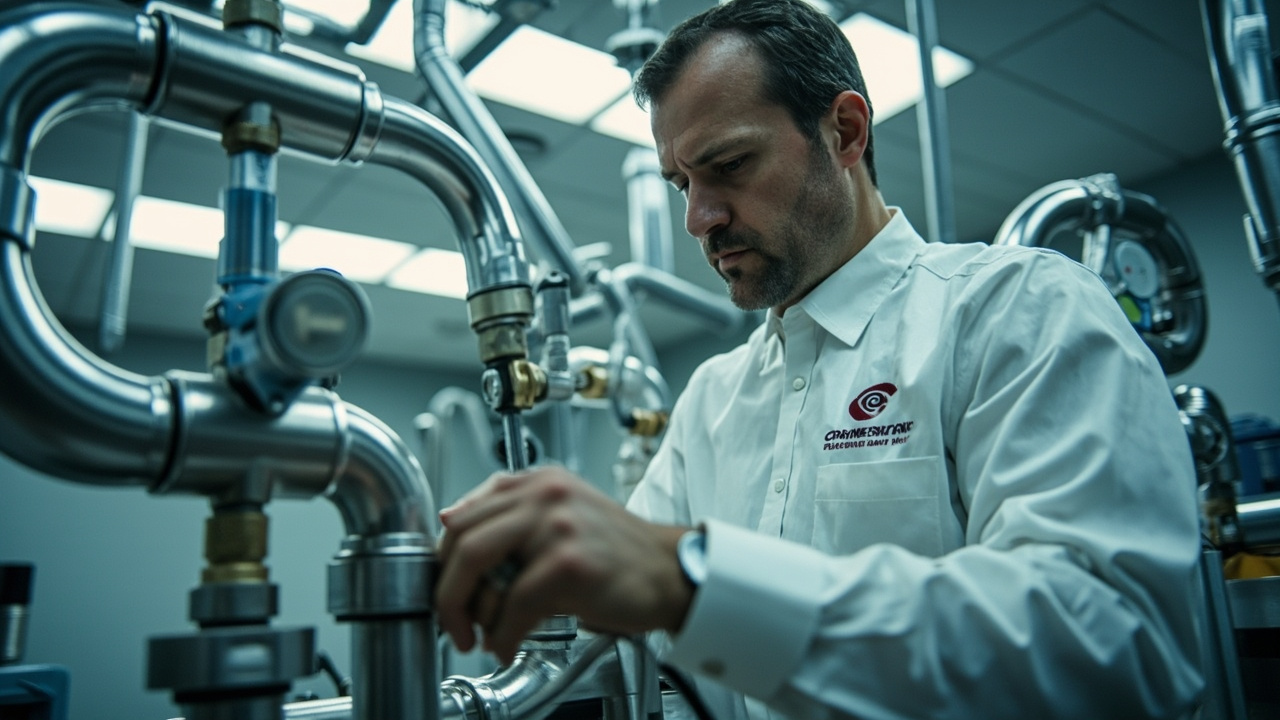
We use only medical-grade copper pipe, brazed with silver solder in temperature-controlled conditions. Miami's humidity affects brazing quality, so we monitor ambient conditions and use nitrogen purging during every joint connection. This prevents oxidation inside the pipe, which contamination testing will catch. Each connection gets photographed with joint identification tags for county records.

Our pressure testing protocol exceeds NFPA 99 minimums. We conduct a 24-hour pressure decay test at 150% of working pressure, followed by a standing pressure test while inspectors verify zero leakage. We perform cross-connection testing to confirm no gas mixing between lines. Every outlet gets flow-tested to verify proper delivery rates at the point of use.

We coordinate with your medical equipment vendors to integrate alarm panels, area isolation valves, and emergency shutoffs. Miami-Dade requires specific valve placements based on facility layout and egress paths. We handle all documentation, including as-built drawings, material certifications, and welder qualifications.

The system goes live only after third-party verification confirms every component meets Florida health facility standards. This eliminates the rework cycles that delay other contractors, keeping your facility on schedule.

Medical Gas Installation From Design to Certification

Medical & Dental Gas Plumbing in Miami | Code-Compliant Installation That Keeps Your Facility Operational
01

System Design and Engineering

We analyze your facility layout and clinical procedures to engineer a medical gas piping system sized for your exact demand. This includes calculating simultaneous gas flow requirements, determining optimal manifold locations, and routing pipes to minimize pressure drops. We submit design plans to Miami-Dade Building Department for permit approval before any installation begins, ensuring code compliance from day one.
02

Installation and Testing

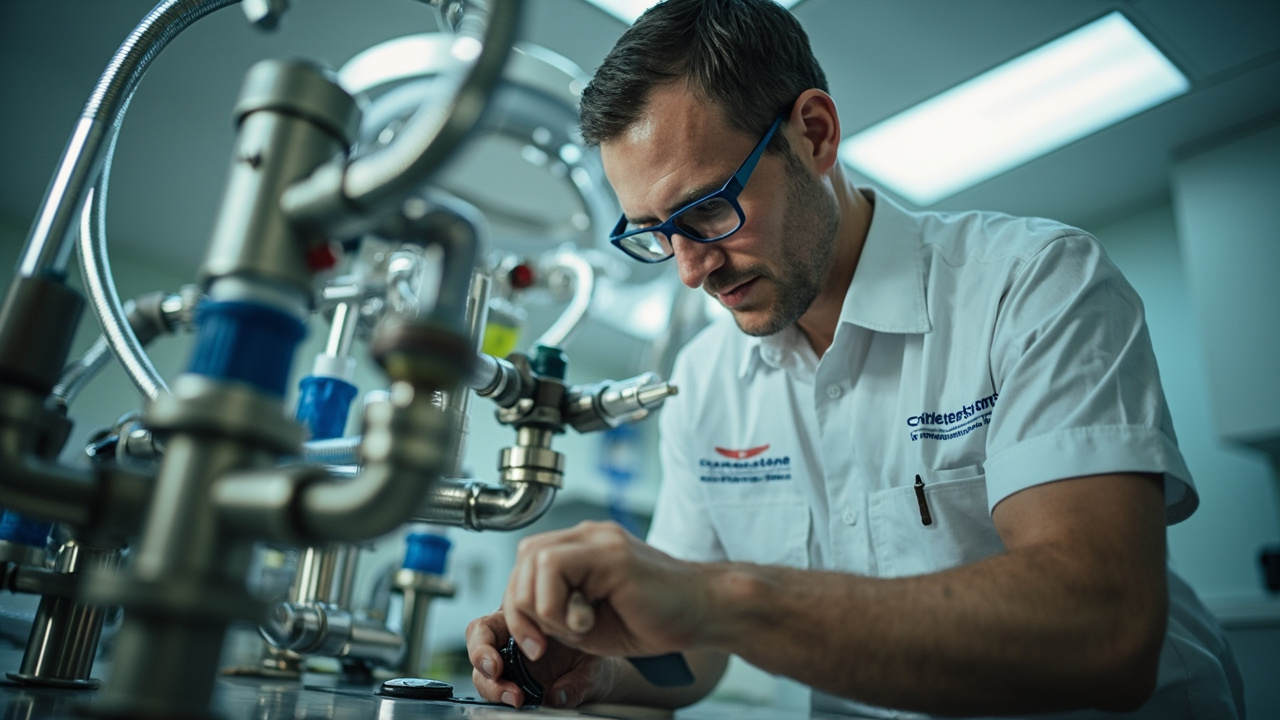
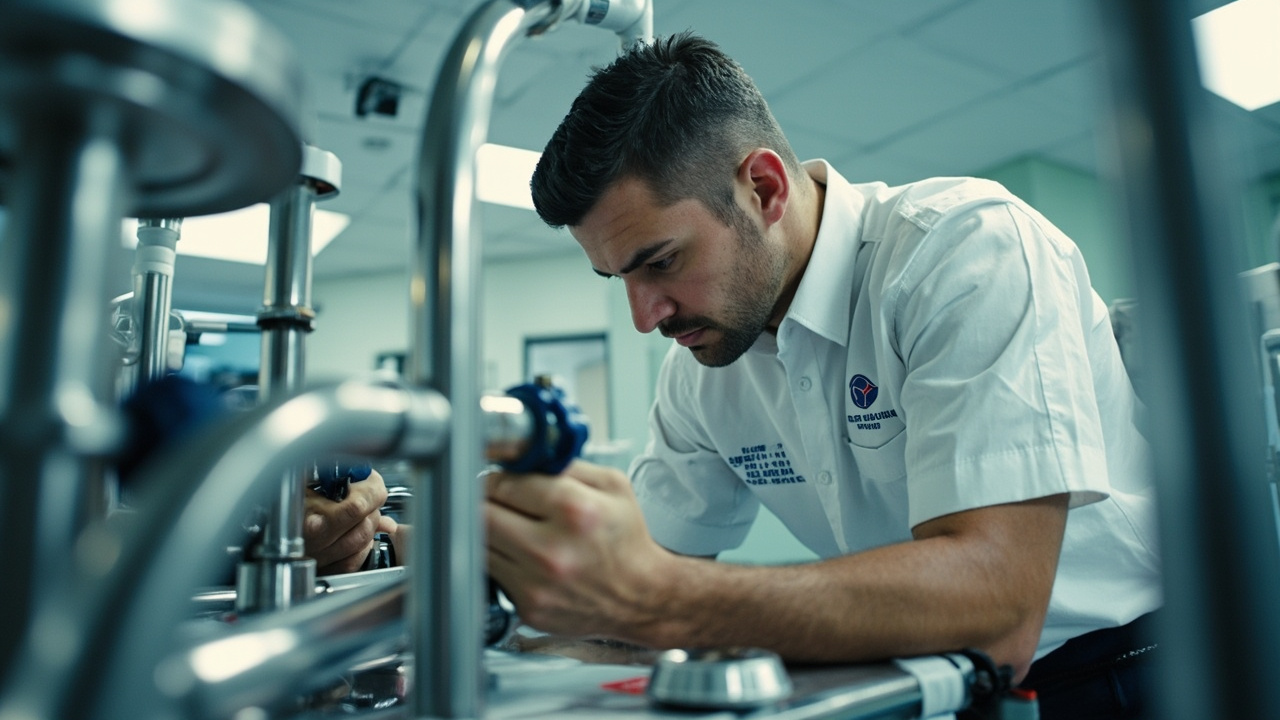
Our certified installers braze medical-grade copper lines using nitrogen purging and silver solder, photographing each joint for inspection records. We install zone valves, pressure regulators, and alarm systems according to NFPA 99 standards. After installation, we conduct pressure decay testing, cross-connection verification, and purity testing on all gas lines. Every outlet gets flow-tested to confirm proper delivery before we call for inspection.
03

Certification and Documentation

We coordinate third-party verification testing required by Florida Department of Health regulations. This includes gas purity analysis, alarm system functionality checks, and final pressure testing witnessed by inspectors. We provide complete documentation packages including as-built drawings, material certifications, test reports, and maintenance protocols. Your facility receives a fully certified medical gas pipeline system ready for immediate clinical use.

Why Miami Healthcare Facilities Choose Cornerstone Plumbing

Medical gas installation is not standard plumbing. It requires specialized training, specific certifications, and experience with healthcare facility regulations that most contractors lack. Cornerstone Plumbing Miami employs ASSE 6010-certified medical gas installers who understand the difference between a hospital oxygen system and dental nitrous oxide delivery. We have installed medical gas piping systems in facilities throughout Miami-Dade County, from small dental practices to multi-floor surgical centers.

We know Miami's inspection process. The county Building Department requires specific documentation that generic contractors often miss. We maintain relationships with local inspectors and third-party verifiers, streamlining the approval process. Our installations pass inspection the first time because we build to Florida health facility codes, not generic plumbing standards.

Miami's coastal environment demands corrosion protection that inland contractors overlook. We specify marine-grade components for facilities near Biscayne Bay and use protective coatings on all exterior manifold installations. Salt air degrades standard fittings quickly. Our material selections account for this.

We schedule installations around your operational needs. A dental practice cannot shut down for weeks during gas line installation. We phase work to maintain clinical access, often working nights and weekends to minimize disruption. For hospital expansions, we coordinate with infection control teams to maintain negative pressure in adjacent areas and follow Miami-Dade healthcare facility construction protocols.

Our project managers communicate with your administration, contractors, and equipment vendors to keep installations on schedule. We understand that delayed openings cost your facility revenue. We meet deadlines because we plan for Miami's inspection requirements from the start, not after problems arise.

What Your Facility Can Expect From Our Medical Gas Services

Project Timeline and Scheduling

Medical gas installation timelines depend on facility size and complexity. A single-room dental operatory with nitrous oxide requires roughly one week from permit to final inspection. A multi-room surgical center needs four to six weeks for complete medical gas pipeline services, including all testing and certification. We provide detailed project schedules during the design phase, coordinating with your construction timeline and equipment delivery dates. Our phased installation approach keeps existing clinical areas operational during construction, preventing revenue loss. We schedule inspections proactively to avoid delays.

Initial Facility Assessment

We start every project with a facility walkthrough to assess your medical gas requirements. Our certified med gas plumbers review your clinical procedures, patient volume projections, and equipment specifications to determine exact gas delivery needs. We measure facility dimensions, identify optimal manifold locations, and plan pipe routes that minimize installation disruption. For renovation projects, we inspect existing gas systems for reuse potential or necessary replacement. This assessment produces a detailed scope of work, material list, and project timeline. You receive a comprehensive proposal that breaks down all costs transparently.

Installation Quality and Compliance

Your facility receives a medical gas piping system that meets or exceeds NFPA 99, ASSE 6010, and Florida Building Code requirements. Every brazed joint uses medical-grade silver solder. All copper pipe is cleaned and capped during installation to prevent contamination. Pressure testing confirms zero leakage. Gas purity analysis verifies no cross-contamination between lines. Alarm systems integrate with your facility monitoring. Zone valves install in accessible locations for emergency shutoffs. You receive a system that passes inspection without rework, keeping your project on schedule and preventing costly delays.

Ongoing Maintenance and Support

Medical gas systems require periodic testing to maintain Florida Department of Health compliance. We provide ongoing maintenance contracts that include annual pressure testing, alarm system verification, and valve operation checks. Our service team responds quickly to any system issues, understanding that gas delivery problems affect patient care immediately. We maintain detailed service records for your facility compliance files and coordinate with inspectors during renewal inspections. For facility expansions, we integrate new gas lines into your existing system without requiring full system recertification, saving time and money.

Frequently Asked Questions

You Have Questions,
We Have Answers

What is medical gas plumbing? +

Medical gas plumbing is a specialized system that delivers therapeutic gases like oxygen, nitrous oxide, and medical air to healthcare facilities. These systems require precise pressure regulation, contamination-free installation, and compliance with NFPA 99 standards. In Miami's hospitals, surgical centers, and dental clinics, medical gas systems operate 24/7 to support patient care. The piping network includes source equipment, zone valves, manifolds, and outlet stations at point-of-use locations. Installation demands certified technicians who understand gas purity requirements, pressure drops across piping runs, and alarm system integration. This is not residential plumbing. It is life-support infrastructure.

How much does it cost to plumb a gas line? +

Medical gas line installation costs vary based on system complexity, facility size, and pipe routing requirements. A small dental office oxygen system may cost differently than a multi-story hospital build-out. Factors include copper Type K piping material, brazing labor, pressure testing, gas-specific fittings, NFPA 99 documentation, and certification testing. Miami's commercial building codes add inspection requirements that affect project timelines. For accurate project budgets, request a site assessment that evaluates gas source location, outlet quantities, wall penetrations, and existing infrastructure. Medical gas installations require specialized contractors, which affects labor costs compared to standard plumbing work.

What type of pipe is used for medical gas? +

Medical gas systems use copper Type K tubing as the standard for oxygen, nitrous oxide, medical air, and vacuum lines. Copper Type K offers thick walls that resist pressure fluctuations and provide long service life in healthcare environments. The material must be cleaned for oxygen service to remove oils and contaminants that could cause combustion. Joints are brazed using silver alloys, not soldered. Miami's humidity requires proper storage of materials before installation to prevent internal corrosion. Stainless steel is sometimes used in specific applications. All piping must be labeled by gas type and comply with color-coding requirements under NFPA 99 standards.

What is gas plumbing called? +

Medical gas plumbing is called medical gas piping, medical gas systems, or therapeutic gas distribution. The work falls under specialized mechanical contracting, not general plumbing. Technicians who install these systems hold medical gas installer certifications through organizations like NITC or ASSE 6010. In Miami's healthcare construction market, you will see the term medical gas contractor used for companies that handle design, installation, testing, and certification. The distinction matters because medical gas work requires different permits, inspections, and documentation than water supply or drain-waste-vent plumbing. This is regulated life-safety infrastructure with zero tolerance for cross-connections or contamination.

What qualifications do you need to work with gas? +

Medical gas installers must complete ASSE 6010 certification or equivalent NITC medical gas training programs. These credentials require coursework in NFPA 99 standards, gas properties, brazing techniques, pressure testing, and alarm systems. Technicians need proficiency in reading medical gas blueprints, calculating pressure drops, and performing purity verification tests. In Florida, medical gas work also requires a plumbing contractor license or mechanical contractor license depending on system scope. Miami-Dade County enforces strict permitting for healthcare facility installations. Many contractors maintain continuing education to stay current with code updates. This is not entry-level work. It demands specialized knowledge and proven field experience.

What is a gas plumber called? +

A gas plumber is often called a medical gas installer, medical gas technician, or medical gas piping specialist when working in healthcare settings. For residential and commercial fuel gas work, you will hear the term gas fitter or gas piping contractor. In Miami's healthcare construction industry, medical gas installers hold specialized certifications beyond standard plumbing licenses. The title reflects the technical difference between installing natural gas lines for kitchen equipment and installing oxygen systems that support surgical procedures. Certifications like ASSE 6010 or NITC distinguish medical gas technicians from general plumbers. The work requires different tools, materials, testing protocols, and regulatory compliance.

Are gas lines covered by home insurance? +

Homeowners insurance typically does not cover medical gas systems because these installations exist in commercial healthcare facilities, not residences. For dental offices, surgical centers, and hospitals in Miami, commercial property insurance may cover damage to medical gas piping from covered perils like fire or storm damage. However, coverage for installation defects, code violations, or system failures depends on policy language and cause of loss. Liability insurance becomes critical if a medical gas system malfunction causes patient harm. Facility owners should verify that contractors carry adequate general liability and professional liability coverage before starting work. This protects against installation errors and regulatory violations.

Can I install a gas line myself? +

No. Medical gas installation is not a DIY project. NFPA 99 requires certified installers, documented brazing procedures, third-party verification testing, and authority having jurisdiction approval. Improper installation risks patient death through gas contamination, cross-connections, or pressure failures. Florida law requires licensed contractors for medical gas work. Miami-Dade County inspectors verify credentials before issuing permits. Even minor alterations to existing systems demand recertification testing. Healthcare facilities face liability exposure and accreditation issues if unlicensed workers touch medical gas systems. The complexity of pressure regulation, alarm integration, and purity verification makes this work non-negotiable for trained professionals. Attempting self-installation violates state law and federal healthcare standards.

Why is gas installation so expensive? +

Medical gas installation costs reflect specialized labor, material requirements, and regulatory compliance burdens. Certified installers command higher wages than general plumbers because of ASSE 6010 training and liability exposure. Copper Type K piping costs more than standard plumbing materials. Brazing requires skilled labor and silver alloy fillers. Every system needs pressure testing, purity verification, and third-party certification before activation. In Miami, commercial permitting, inspections, and NFPA 99 documentation add administrative costs. Mistakes can kill patients, so contractors carry expensive liability insurance. The price reflects risk management, technical expertise, and zero-defect expectations. You are paying for life-safety infrastructure, not commodity plumbing.

What is considered a medical gas? +

Medical gases include oxygen, nitrous oxide, medical air, nitrogen, carbon dioxide, and medical vacuum. Oxygen supports respiration in surgery and emergency care. Nitrous oxide provides anesthesia in dental and surgical settings. Medical air powers ventilators and surgical tools. Nitrogen drives orthopedic equipment. Carbon dioxide is used in minimally invasive surgeries. Medical vacuum removes fluids and gases during procedures. Each gas requires dedicated piping with specific outlet fittings to prevent cross-connections. Miami's hospitals and outpatient surgery centers maintain these systems under NFPA 99 standards. Gas purity, pressure regulation, and alarm monitoring are critical. These are not industrial gases. They meet USP grade standards for patient safety.

Miami's Healthcare Growth Demands Expert Medical Gas Installation

Miami-Dade County leads Florida in new healthcare facility construction, with dozens of surgical centers and specialty practices opening annually. This growth creates demand for certified med gas plumbers who understand local building codes and Florida Department of Health requirements. Miami's coastal location adds complexity. Salt air from the Atlantic and Biscayne Bay corrodes unprotected medical gas components, requiring marine-grade materials and protective coatings that inland facilities skip. County inspectors know these requirements and reject installations using standard components. Cornerstone Plumbing Miami specifies corrosion-resistant materials from the design phase, preventing failed inspections that delay facility openings.

Healthcare facilities throughout Miami-Dade County trust Cornerstone Plumbing Miami for medical gas pipeline services because we understand local inspection protocols. The county Building Department requires specific documentation, testing procedures, and third-party verification that generic contractors often miss. We maintain relationships with local inspectors and verification agencies, streamlining approvals. Our installations in Aventura, Coral Gables, Kendall, and downtown Miami consistently pass inspection without rework. When your facility needs dental gas piping or complete hospital medical gas systems, choosing a contractor with proven Miami experience protects your investment and prevents costly delays.


Plumbing Services in The Miami Area

Easily locate Cornerstone Plumbing on the map and explore our primary service area. We are conveniently situated to provide swift and efficient plumbing services throughout Miami and its surrounding communities. Our strategically located operations ensure that a skilled technician is always nearby, ready to address your residential or commercial plumbing needs with promptness and unparalleled expertise, ensuring you receive timely and effective support whenever you need it most.

Address:
Cornerstone Plumbing Miami, 2332 Galiano St, Miami, FL, 33134

Additional Services We Offer

Our news updates

Latest Articles & News from The Blogs

A main water line break in a high traffic area like the Wynwood Art District is more than a simple…

Emergency Main Water Line Repair for Wynwood Businesses

A main water line break in a high traffic area like the Wynwood Art District is more than a simple…

Picking the Right Type of Outdoor Shower for Your Golden Beach Waterfront Property

Living on the Atlantic coast in Golden Beach provides unparalleled access to the ocean, but the environment creates a unique…

How to Choose the Right Low Flow Showerhead That Still Has Great Pressure

How to Choose the Right Low Flow Showerhead That Still Has Great PressureMiami residents understand the value of water more…

Contact Us

Your facility deserves medical gas installation that passes inspection the first time. Contact Cornerstone Plumbing Miami at (786) 789-8488 for a detailed project assessment. We deliver NFPA 99-compliant systems on schedule, keeping your facility operational and revenue flowing.